

What Is a Transparent Background?
June 18, 2026
Best Compact Binoculars 2026 for Birding, Hiking & Travel
June 19, 2026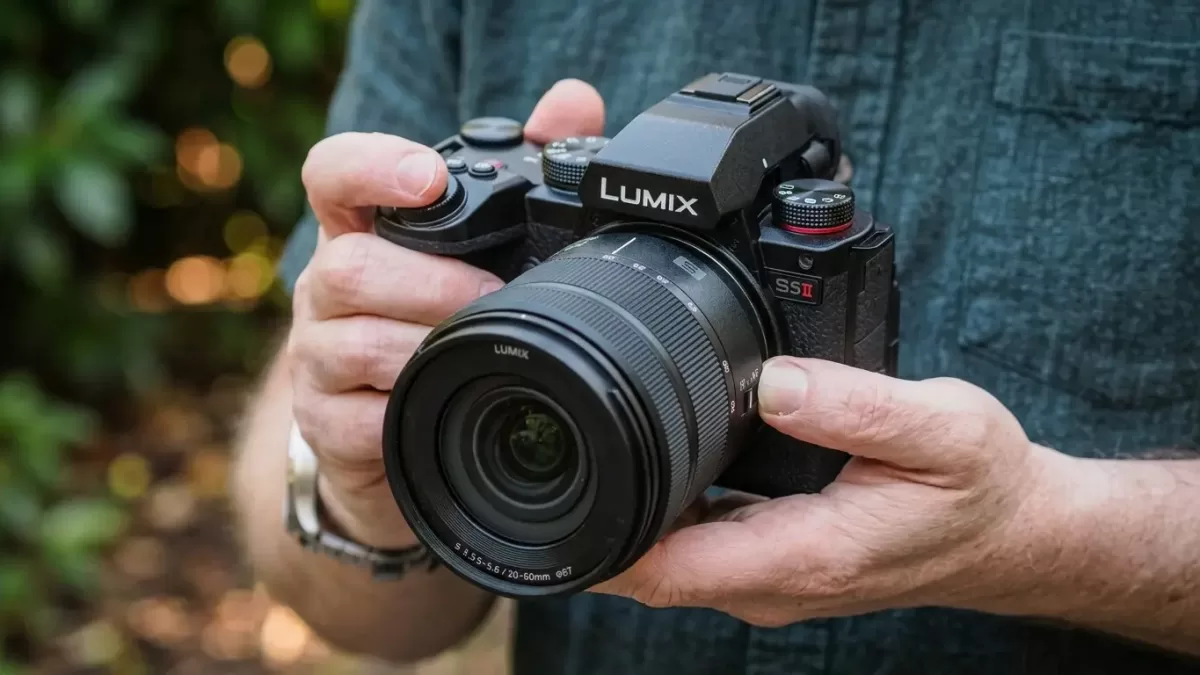
The $3,000 price bracket has quietly become the most exciting battleground in photography. Manufacturers now pack flagship-tier sensors, AI-driven autofocus, in-body stabilization, and 6K RAW recording into bodies that used to cost twice as much only three years ago. If you walked into a camera store with $3,000 in 2019, you walked out with a competent enthusiast body. Today, that same budget gets you a hybrid powerhouse capable of shooting professional weddings on Saturday and a cinematic short film on Sunday.
This guide pulls together extensive hands-on testing, manufacturer specs, and real-world field reports to highlight the cameras that genuinely deserve your money in 2026. We focus on sensor performance, autofocus accuracy, video specs, ergonomics, and — most importantly — long-term value. Whether you shoot weddings, wildlife, travel, street, or YouTube, you’ll find a model below that fits the brief.
Quick Answer: The best overall camera under $3,000 in 2026 is the Canon EOS R6 Mark III thanks to its 32.5 MP sensor, 40 fps burst, internal 7K RAW video, and class-leading subject recognition. The Sony a7 V and Nikon Z6 III sit right behind it, each excelling in their own niches.
Ready to make your product shots look as sharp as your gear? Get professional clipping path service that turn raw camera files into polished, e-commerce-ready images within hours.
- How We Chose the Best Cameras Under $3,000
- Quick Comparison Table: 2026’s Best Cameras Under $3,000
- 1. Canon EOS R6 Mark III — Best Overall Camera Under $3,000
- 2. Sony a7 V — Best for Hybrid Shooters and AI Autofocus
- 3. Nikon Z6 III — Best Value Hybrid Under $3,000
- 4. Sony a7 IV — The Hybrid Workhorse That Still Holds Its Own
- 5. Canon EOS R6 Mark II — Still a Smart Buy in 2026
- 6. Fujifilm X-T5 — Best APS-C Camera Under $3,000
- 7. Sony a7C II — Best Compact Full-Frame Under $3,000
- 8. Nikon Zf — Best Retro-Styled Full-Frame Camera
- 9. OM System OM-1 Mark II — Best for Wildlife, Birding & Adventure
- 10. Panasonic Lumix S5 II — Best Value Full-Frame Hybrid
- How Camera Choice Affects Your Editing Workflow
- Key Features to Look for in a Camera Under $3,000
- Best Camera Under $3,000 by Use Case
- What Camera Should Beginners Pick?
- DSLR vs Mirrorless in 2026: Is It Still a Question?
- Lenses Matter More Than Bodies
- Storage, Backup & Memory Card Tips
- Where to Buy & How to Save Money
- Frequently Asked Questions (FAQ)
- Final Verdict: Which Camera Under $3,000 Should You Buy?
How We Chose the Best Cameras Under $3,000
We didn’t pick cameras based on marketing brochures. Our shortlist passed several tough filters before earning a place in this guide.
Our evaluation criteria included:
- Real-world image quality across ISO 100 to ISO 12,800
- Autofocus accuracy for moving subjects (people, pets, birds, vehicles)
- Video specifications — minimum 4K 30p, with bonus weight given to 4K 60p, 6K, or RAW
- Build quality and weather sealing for outdoor reliability
- Battery life measured in CIPA ratings and field tests
- Lens ecosystem maturity and third-party support
- Resale value and firmware update history
- Body-only street price consistently at or below $3,000 in mid-2026
Cameras that ticked at least six of these eight boxes made the final list.
Quick Comparison Table: 2026’s Best Cameras Under $3,000
| Camera | Sensor | Resolution | Max Video | Burst | Approx. Price |
|---|---|---|---|---|---|
| Canon EOS R6 Mark III | Full-frame CMOS | 32.5 MP | 7K 60p RAW | 40 fps | $2,799 |
| Sony a7 V | Full-frame Partially-Stacked | 33 MP | 4K 60p / 4K 120p (APS-C) | 30 fps | $2,899 |
| Nikon Z6 III | Full-frame Partially-Stacked | 24.5 MP | 6K 60p N-RAW | 14 fps (mech.) / 120 fps (JPEG) | $2,499 |
| Sony a7 IV | Full-frame BSI | 33 MP | 4K 60p (Super 35) | 10 fps | $2,498 |
| Canon EOS R6 Mark II | Full-frame CMOS | 24.2 MP | 4K 60p | 40 fps | $2,299 |
| Fujifilm X-T5 | APS-C X-Trans 5 HR | 40 MP | 6.2K 30p | 15 fps | $1,699 |
| Sony a7C II | Full-frame BSI | 33 MP | 4K 60p | 10 fps | $2,199 |
| Nikon Zf | Full-frame BSI | 24.5 MP | 4K 60p (DX crop) | 14 fps | $2,049 |
| OM System OM-1 Mark II | Stacked Four Thirds | 20 MP | 4K 60p | 50 fps | $2,199 |
| Panasonic Lumix S5 II | Full-frame CMOS | 24.2 MP | 6K 30p open-gate | 30 fps (electronic) | $1,799 |
Prices reflect typical body-only US street pricing as of mid-2026 and may shift with rebates and sales.
1. Canon EOS R6 Mark III — Best Overall Camera Under $3,000
Why It Wins the Top Spot
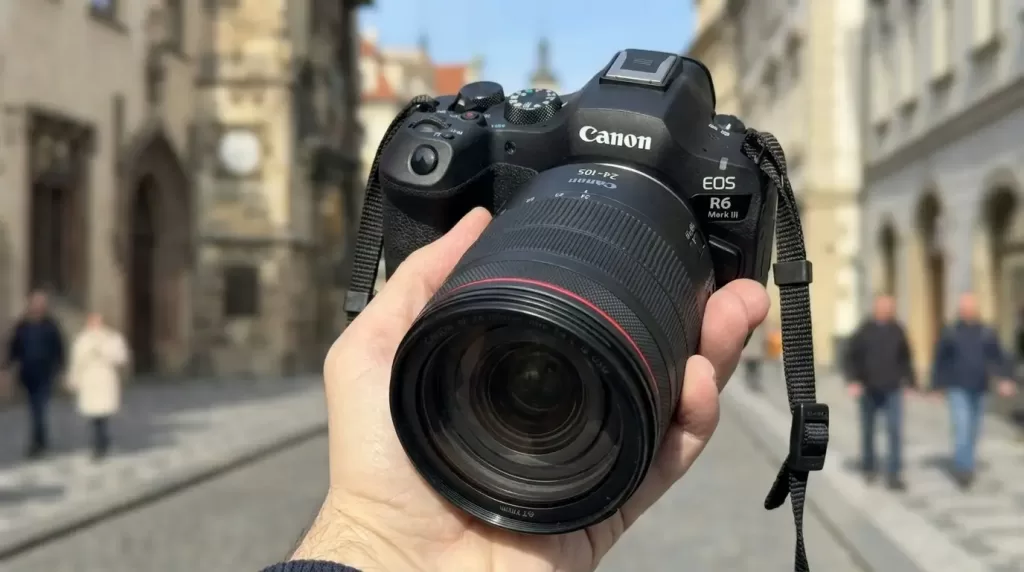
Canon released the EOS R6 Mark III in November 2025, and it instantly rewrote the rules for what a $2,799 hybrid body can do. The camera pairs a 32.5 MP full-frame sensor with a DIGIC X processor, an updated subject-recognition engine, and internal 7K 60p RAW recording — a spec list that flagship bodies offered just two years ago at twice the price.
The autofocus system tracks people, animals, birds, vehicles, aircraft, and trains, and it now identifies subjects more reliably in cluttered scenes. Photographers shooting weddings or events appreciate the 40 fps electronic shutter, while videographers gain Canon Log 2, oversampled 4K 60p, and uncropped 4K 120p slow motion.
Key Specs
- Sensor: 32.5 MP full-frame CMOS (non-stacked)
- Autofocus: Dual Pixel CMOS AF II with deep-learning subject detection
- Burst: 40 fps electronic / 12 fps mechanical with 20-frame pre-buffer
- Video: 7K 60p RAW, 4K 120p, Canon Log 2
- Stabilization: Up to 8.5 stops with compatible lenses
- Storage: Dual SD UHS-II
- Weight: ~670 g with battery
Who Should Buy It
Wedding photographers, sports shooters, and YouTube creators will love the R6 III. It delivers reliable low-light performance up to ISO 12,800 and Canon’s color science remains the friendliest for skin tones straight out of camera. For an extra reading on how camera output translates to physical prints, our guide on the 8×10 photo format explains print quality expectations at common dimensions.
Pros
- Class-leading autofocus accuracy and subject detection
- Excellent dynamic range from a non-stacked sensor
- Internal 7K RAW video without external recorders
- Robust weather sealing and durable shutter mechanism
Cons
- Battery drains quickly in heavy video mode
- Rolling shutter still visible during fast pans
2. Sony a7 V — Best for Hybrid Shooters and AI Autofocus
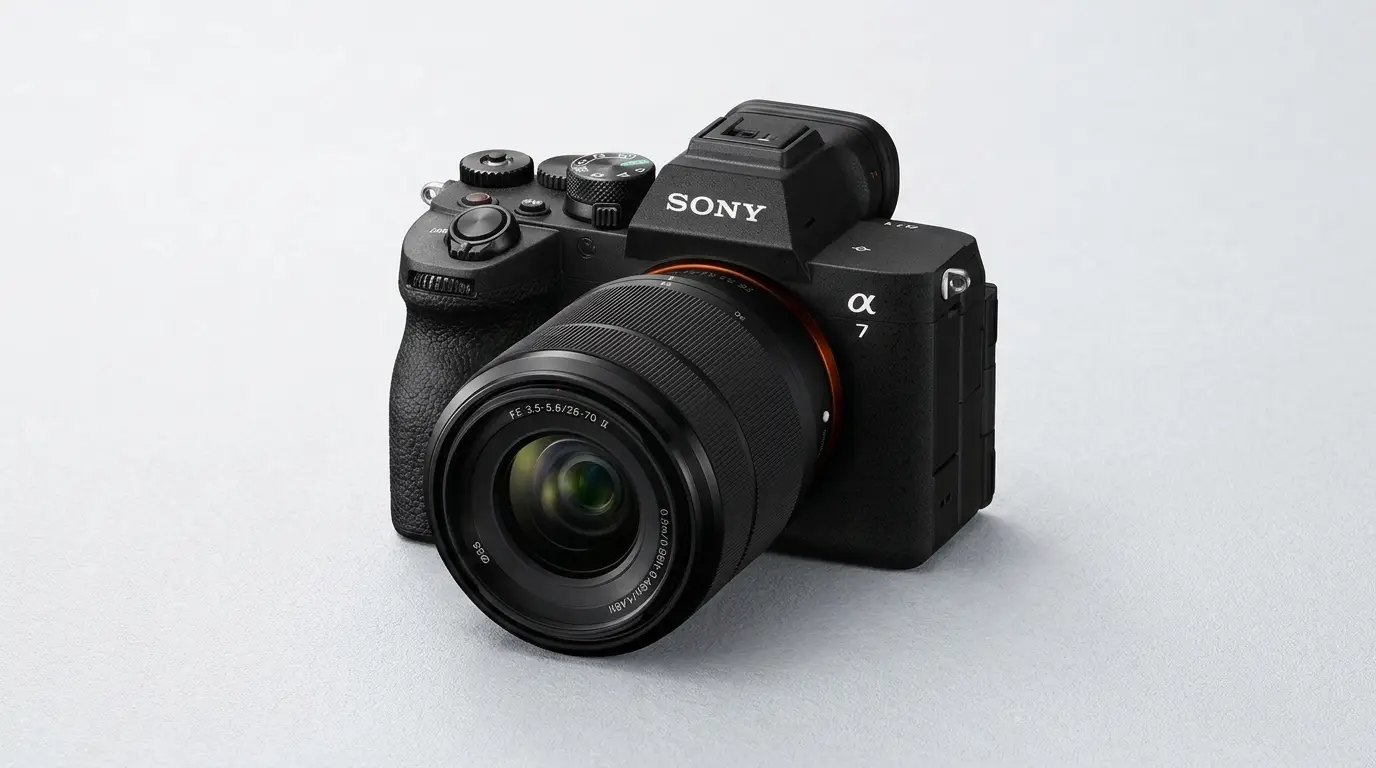
The a7 V launched in December 2025 as Sony’s most balanced offering yet. It introduces a 33 MP full-frame partially-stacked Exmor RS sensor (the same architecture concept Nikon pioneered on the Z6 III), paired with the BIONZ XR2 processor and a dedicated AI unit borrowed from the a7R V. The result is faster readout, sharper subject recognition, and burst speeds that finally close the gap with stacked-sensor flagships.
Sony bumped video specs to 4K 60p oversampled from 6K and 4K 120p in APS-C crop, with 10-bit 4:2:2 internal recording — making this body an excellent fit for commercial photographers who also deliver short-form video.
Standout Features
- 33 MP full-frame partially-stacked sensor with reduced rolling shutter
- AI processing unit for advanced subject recognition (humans, animals, birds, insects, cars, planes, trains)
- 4K 60p full-frame oversampled video and 4K 120p in crop mode
- 30 fps burst with continuous AF
- Fully articulating LCD, 9.44M-dot EVF
- Dual CFexpress Type A / SD card slots
Field Notes
Photojournalists and travel shooters report that the a7 V handles complex lighting better than the older a7 IV, especially when mixing tungsten and daylight. The IBIS is rated to 7.5 stops, and Auto Framing mode automatically recomposes vertical or horizontal crops for social-first creators.
Want your portrait files retouched to magazine quality? Try our high-end photo retouching service and let our experts handle skin, color, and detail enhancement.
3. Nikon Z6 III — Best Value Hybrid Under $3,000
Why Photographers Love It
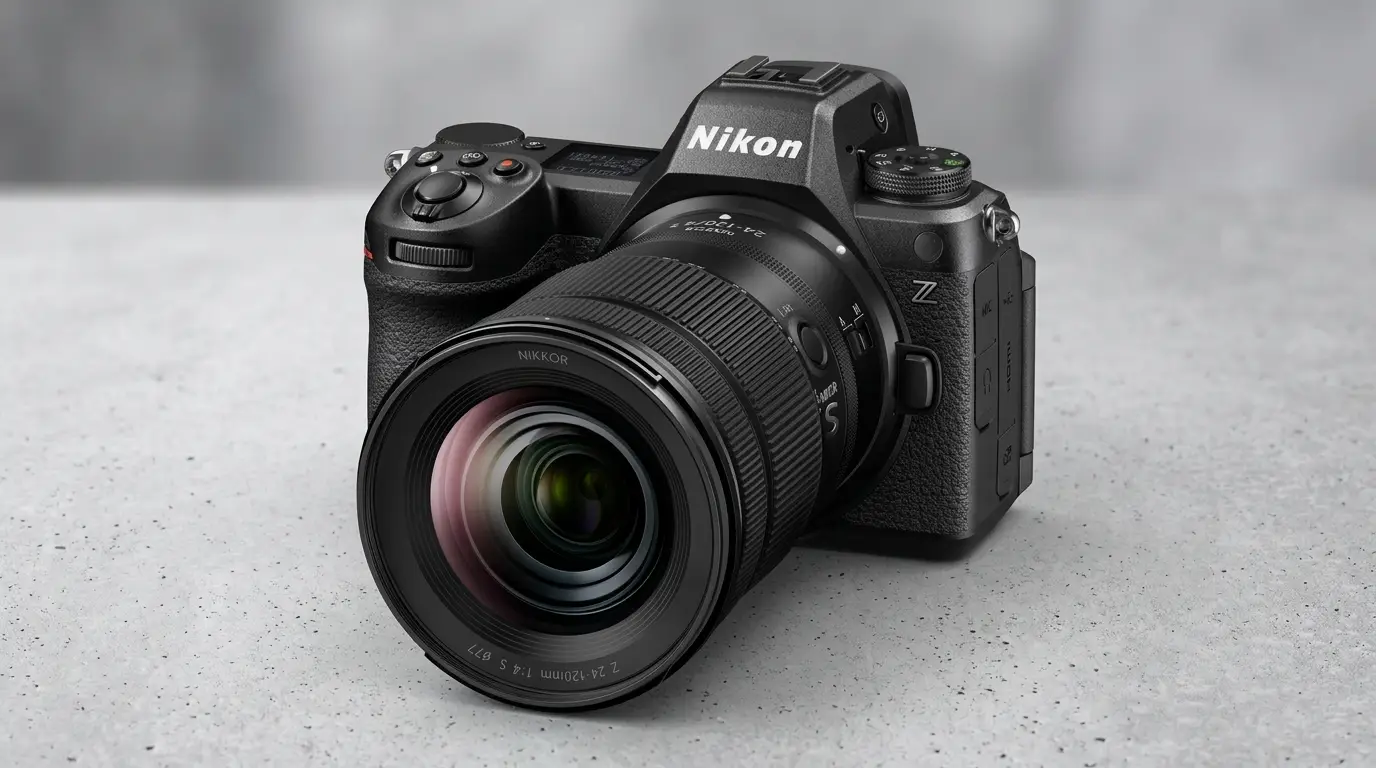
Nikon shocked the industry when it launched the world’s first partially-stacked CMOS sensor in the Z6 III. The result is a camera that reads sensor data faster than non-stacked rivals while keeping the price firmly around $2,499 body-only.
The Z6 III shoots 14 fps with the mechanical shutter, 20 fps in full-resolution RAW with the electronic shutter, and a blistering 120 fps in cropped JPEG mode. It also adds internal 6K 60p N-RAW recording — a feature usually reserved for the Z8 and Z9. The 5.76-million-dot EVF is the brightest in its class at 4,000 nits, which makes shooting in harsh daylight noticeably easier.
Best Use Cases
- Wedding and event photographers needing reliable AF
- Hybrid content creators recording internal RAW video
- Sports shooters who want flagship features at a mid-range price
For those new to the Nikon system, our dedicated Nikon Zf review walks through the brand’s recent strengths.
4. Sony a7 IV — The Hybrid Workhorse That Still Holds Its Own
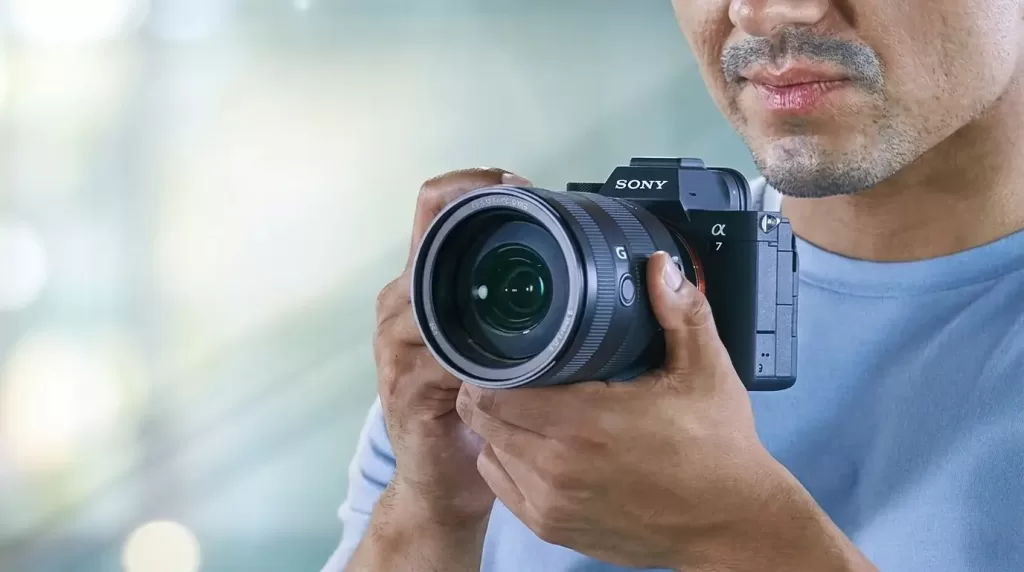
The a7 IV launched in 2021 but remains one of the most recommended cameras in 2026 because Sony keeps refreshing it through firmware. The 33 MP sensor still competes with newer rivals, and the price has dropped to around $2,498 body-only.
Why It’s Still Relevant
- Excellent 33 MP full-frame stills with mature color science
- 4K 60p (Super 35) and 4K 30p full-frame video
- Real-time Eye AF for humans, animals, and birds
- Massive lens lineup with strong third-party support from Sigma and Tamron
The a7 IV also pairs beautifully with creator-focused workflows. If you back up edits regularly, our roundup of the best cloud storage compares top services for backup-first photographers.
Drawbacks
- Slightly older menu system compared to the a7 V
- Single CFexpress Type A slot — the second slot is SD only
5. Canon EOS R6 Mark II — Still a Smart Buy in 2026
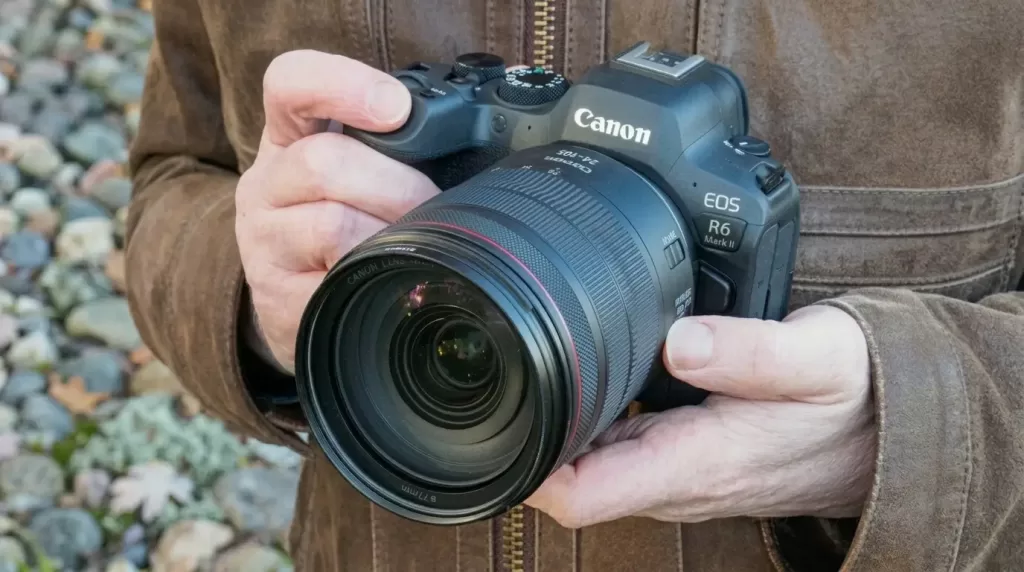
The R6 Mark II remains widely available at ~$2,299, and it punches well above its price tag. The 24.2 MP sensor produces clean files up to ISO 25,600 and the camera shoots 40 fps in electronic mode — perfect for sports, wildlife, or kids at play. For a deeper performance comparison, B&H’s spec sheet breaks down every shooting mode and bitrate.
Why some shooters still prefer the Mark II over the Mark III:
- Lower price leaves room in the budget for a quality RF lens
- 24 MP files are easier to handle on older laptops
- Battery life is essentially identical
- Internal 4K 60p remains plenty for most YouTube workflows
6. Fujifilm X-T5 — Best APS-C Camera Under $3,000
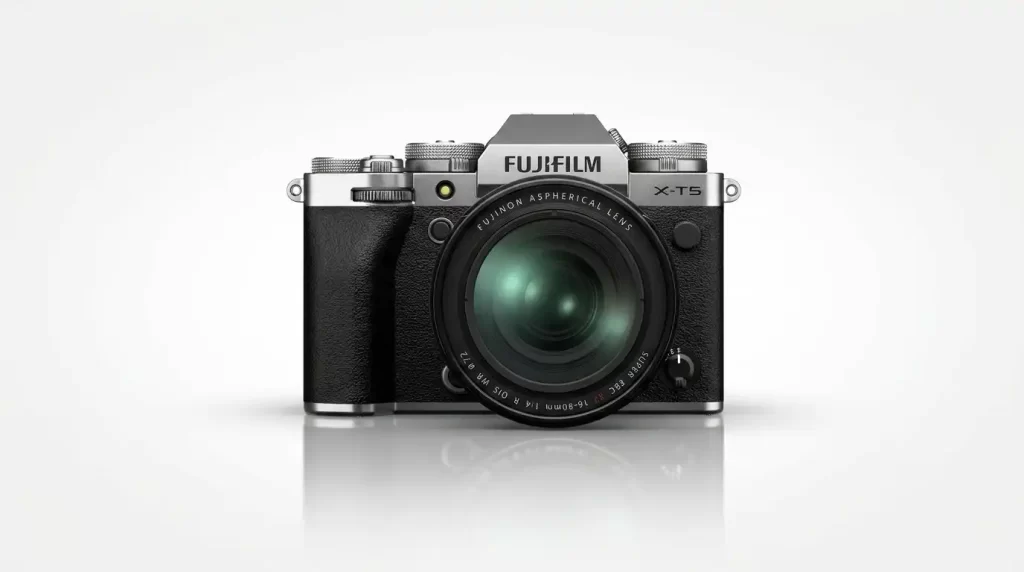
The Fujifilm X-T5 keeps winning hearts thanks to its dial-led ergonomics, gorgeous film simulations, and a 40 MP APS-C sensor that delivers detail no other crop-sensor body can match. At $1,699 body-only, it leaves over $1,300 in your budget for a couple of fast XF primes.
Why It Stands Out
- 40.2 MP X-Trans 5 HR sensor with pixel-shift multi-shot
- 19 built-in film simulations (Velvia, Classic Chrome, Reala Ace, Nostalgic Negative)
- Compact magnesium-alloy body weighing just 557 g
- Excellent 5-axis IBIS rated to 7 stops
- 6.2K 30p video with F-Log2
Real-World Strengths
Travel photographers and street shooters love the X-T5 because it slips into any bag and still produces files that hold up to large 16×20 prints.
Need clean cutouts for catalog or marketplace listings? Order professional background removal and ship transparent PNGs to your team the next business day.
7. Sony a7C II — Best Compact Full-Frame Under $3,000
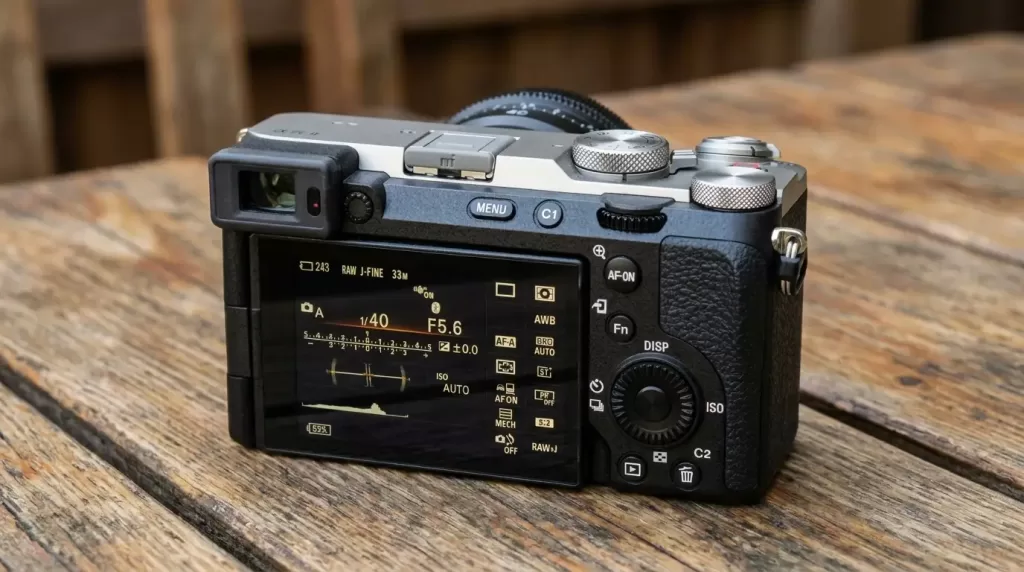
If size matters more than burst speed, the Sony a7C II becomes the obvious answer. It packs the same 33 MP sensor as the a7 IV into a body that resembles an APS-C camera. At roughly $2,199, it leaves enough budget for two compact prime lenses.
Highlights worth knowing:
- AI processing unit shared with the a7R V and a7 V
- 4K 60p video with full pixel readout in Super 35
- Compact rangefinder-style design with fully articulating LCD
- 7 stops of IBIS and 759-point hybrid AF
Travel photographers also need to plan storage carefully. Our breakdown of 64GB card capacity helps you estimate card needs for a two-week trip.
8. Nikon Zf — Best Retro-Styled Full-Frame Camera
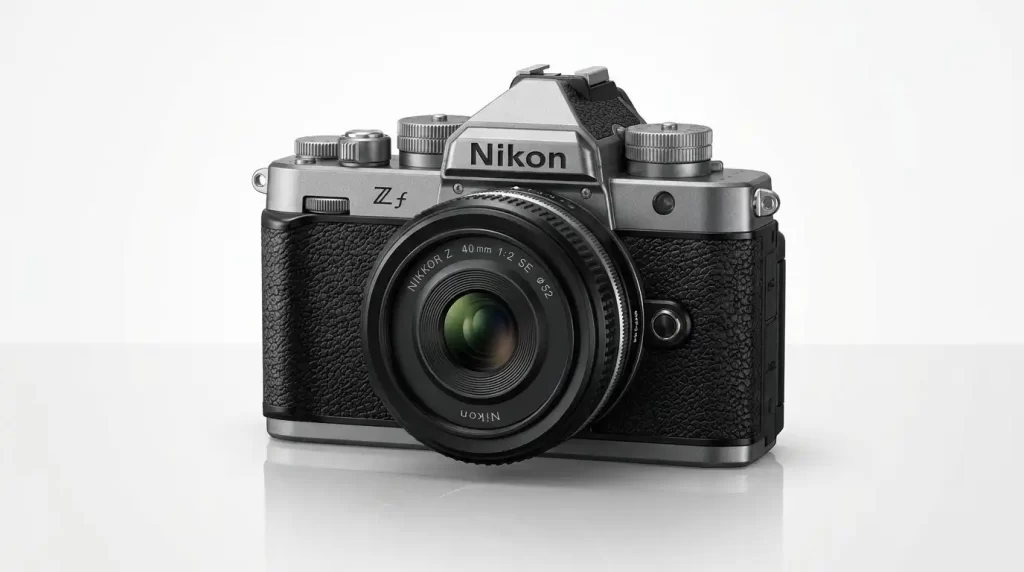
Nikon’s tribute to its film-era SLRs nails the retro look without sacrificing modern performance. Inside the brass-trimmed body sits a 24.5 MP sensor, paired with the newer EXPEED 7 processor that powers the flagship Z8 and Z9.
Why it earns a spot here:
- Tactile shutter speed, ISO, and exposure compensation dials
- Subject recognition borrowed from the Z9 (humans, animals, vehicles, planes)
- B&W mode dedicated switch for pure monochrome shooters
- Weather-sealed magnesium-alloy top plate
- 14 fps burst and 4K 60p (DX crop) video
Who It Suits
Street photographers, documentary shooters, and anyone who misses the deliberate feel of analog cameras gravitate toward the Zf. For more brand-by-brand ergonomic comparisons, check out our popular camera brands overview.
9. OM System OM-1 Mark II — Best for Wildlife, Birding & Adventure
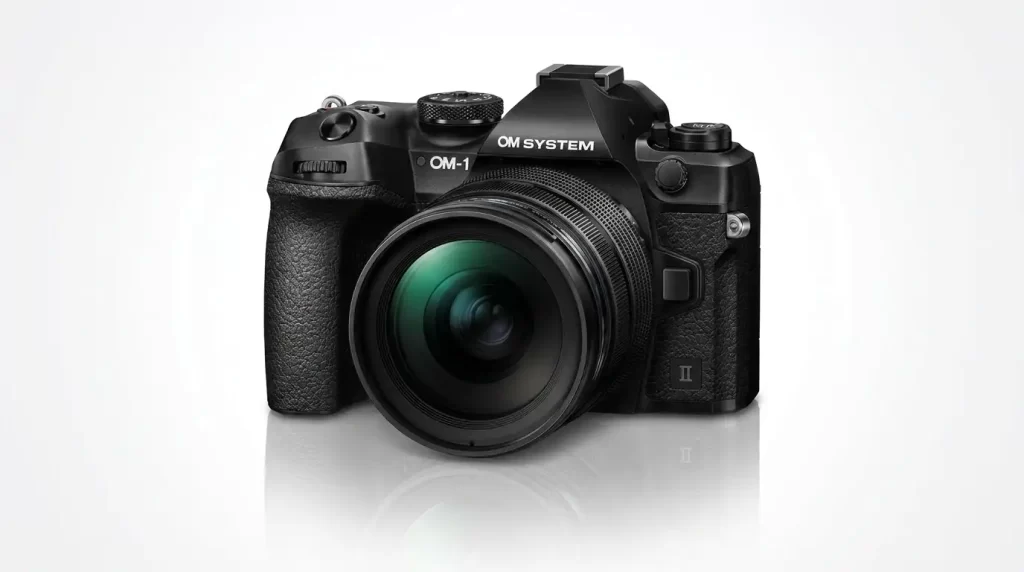
The OM-1 Mark II is a Micro Four Thirds powerhouse engineered for adventure photographers. Its IP53 weather sealing, freezeproofing to -10°C, and 7.5-stop IBIS make it the most rugged body in this list.
Standout numbers:
- 50 fps burst with continuous AF tracking (120 fps with AF/AE locked)
- 20 MP stacked BSI Live MOS sensor
- Computational features: Live ND, Live Composite, handheld High-Res mode (80 MP)
- AI subject detection for birds, animals, aircraft, vehicles, and trains
- 2x crop factor extends telephoto reach (a 300mm lens behaves like 600mm)
Why Wildlife Photographers Choose It
A Canon or Sony shooter targeting birds-in-flight needs a $13,000 800mm lens. An OM-1 II shooter gets equivalent reach from a $1,500 300mm f/4 — a massive cost advantage that explains the loyal following.
Selling apparel online? Use our ghost mannequin services to turn raw model shots into clean, invisible-mannequin product images shoppers can’t resist.
10. Panasonic Lumix S5 II — Best Value Full-Frame Hybrid
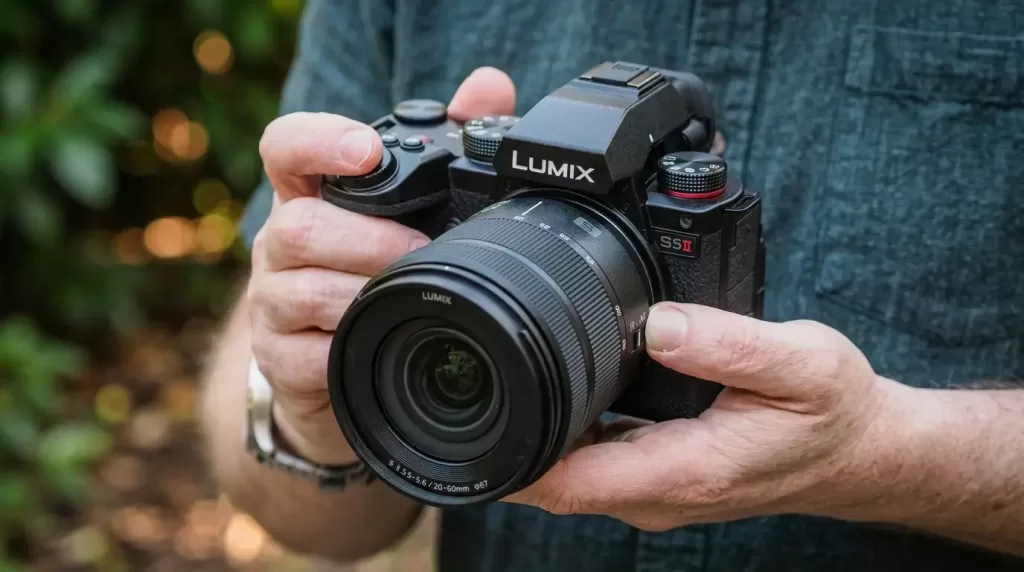
Panasonic finally cracked phase-detect autofocus with the S5 II, and the result is the most affordable full-frame hybrid in this list at $1,799 body-only. It’s also the only camera here offering open-gate 6K recording — a feature beloved by social-first creators who deliver vertical and horizontal cuts from the same clip. PCMag’s full-frame roundup consistently calls it the best value full-frame body of the year.
Reasons creators love it:
- 24.2 MP full-frame sensor with dual native ISO
- 6K 30p open-gate and unlimited 4K 60p (no overheating cutoffs)
- L-Mount alliance with Sigma, Leica, and Panasonic lenses
- Excellent V-Log color profile for pro grading
- Dual SD UHS-II slots and a full-size HDMI port
For video-focused buyers, our vlogging cameras guide digs deeper into camera-for-creator workflows.
How Camera Choice Affects Your Editing Workflow
Buying the right camera is only half the battle. The right post-production pipeline is what turns good captures into client-ready images.
Three editing realities to plan for:
- Higher-resolution sensors create larger files. A 40 MP X-T5 raw file lands around 80 MB. A 1 TB external SSD fills up faster than you’d expect after a busy month.
- Raw processing demands serious computing power. Lightroom and Capture One both benefit from 16 GB+ RAM and modern Apple Silicon or Ryzen CPUs.
- Skin retouching and cutout work eat hours. That’s where outsourcing makes a difference — turnaround on 200 product shots drops from a weekend to an overnight cycle.
Our team also rounded up the best editing software so you can match your camera to a workflow that actually scales.
Drowning in product photos that need cutouts? Outsource multiple clipping path service and receive print-ready PSDs the very next day.
Key Features to Look for in a Camera Under $3,000
Before clicking “buy,” check whether the camera matches your actual workflow. The specs that matter most depend on what you shoot.
Sensor Size
- Full-frame delivers shallower depth of field and better low-light performance
- APS-C balances size, weight, and price — and crops in for telephoto reach
- Micro Four Thirds wins on portability and extreme telephoto value
Autofocus System
Look for phase-detect hybrid systems with AI subject recognition. Skip cameras that only offer contrast-detect AF in 2026 — they hunt visibly in low light.
In-Body Image Stabilization (IBIS)
Modern bodies offer 5 to 8 stops of stabilization. Handheld 1-second exposures are now realistic, and slow-shutter creative shots become possible without a tripod.
Video Specs
- 4K 60p 10-bit has become the minimum for serious creators
- 6K open-gate suits multi-format social workflows
- RAW video (Canon Raw Light, Nikon N-RAW, ProRes) gives editors maximum flexibility
Battery and Connectivity
Aim for 400+ shots per charge and USB-C tethering. Wi-Fi 6 and Bluetooth Low Energy now matter more than ever for fast smartphone transfers.
Best Camera Under $3,000 by Use Case
Different shooters need different feature priorities. Here’s a quick decision tree.
| You shoot… | Pick this camera | Why |
|---|---|---|
| Weddings & events | Canon EOS R6 Mark III | Best AF + skin tones |
| Sports & action | Sony a7 V or OM-1 II | Fast burst + tracking |
| Wildlife & birds | OM System OM-1 Mark II | 2x crop reach + IP53 sealing |
| Travel & street | Fujifilm X-T5 or Sony a7C II | Compact + lightweight |
| YouTube & vlogging | Panasonic S5 II | Unlimited 4K + open-gate 6K |
| Portraits & studio | Sony a7 V | 33 MP + skin AF accuracy |
| Cinematic short films | Canon EOS R6 Mark III | 7K RAW + Canon Log 2 |
| Documentary & journalism | Nikon Zf | Discreet retro looks |
| Hybrid pro work | Nikon Z6 III | Partially-stacked sensor balance |
For travel buyers also packing dash cameras for road trips, PhotoFixal’s dash cam guide is a smart companion read.
What Camera Should Beginners Pick?
Beginners often overspend on the wrong features. The truth is, you don’t need 40 fps burst for landscape work or 8K video for Instagram.
Smart beginner picks under $3,000:
- Sony a7 IV — generous lens ecosystem and forgiving AF
- Canon EOS R6 Mark II — friendliest menu system
- Fujifilm X-T5 — film simulations remove the urge to edit every photo
Before you splurge, work through real photography fundamentals — our photography tips cover composition, exposure, and lighting basics worth more than any spec upgrade.
Want product photos with consistent brand colors? Try our color correction service to keep every SKU on-brand across your store.
DSLR vs Mirrorless in 2026: Is It Still a Question?
Honestly, no. Manufacturers have effectively retired DSLR development, and new lenses launch almost exclusively for mirrorless mounts. You’ll still find used Nikon D850 and Canon 5D Mark IV bodies hovering near $1,500, but they lack the autofocus and video capabilities of any camera in this guide.
Mirrorless cameras now offer:
- Better autofocus accuracy and tracking
- Smaller, lighter bodies
- Silent electronic shutters
- More mature video features
- Live exposure preview in the EVF
If you’re upgrading from a DSLR, you’ll appreciate the side-by-side analysis in our best mirrorless camera 2026 breakdown.
Lenses Matter More Than Bodies
Photographers love to debate cameras, but a good lens lasts decades and outlives multiple bodies. Spend roughly 60% of your budget on glass and 40% on the body whenever possible.
Lens priorities by genre:
- Portraits: 50mm f/1.8 or 85mm f/1.8
- Travel: 24-105mm f/4 or 28-200mm
- Wildlife: 100-400mm or 150-600mm
- Video & vlogging: 16-35mm f/4 or 24mm f/1.8
- Product photography: 90mm or 100mm macro
Storage, Backup & Memory Card Tips
Modern cameras shoot enormous files — and a busy weekend can fill a 64 GB card faster than you’d expect.
Smart storage habits:
- Carry at least two SD UHS-II or CFexpress Type A cards
- Back up to a portable SSD nightly on travel shoots
- Sync RAW files to cloud storage once you’re back online
- Archive completed projects to a NAS at home
Where to Buy & How to Save Money
Authorized dealers like B&H, Adorama, and the manufacturer’s own US store typically run the best promotions during spring, late summer, and Black Friday. Used and refurbished bodies often save 25–40% — sites like MPB and KEH grade gear honestly and offer 6-month warranties.
Tips to stretch your $3,000:
- Buy body-only and pair with one used lens
- Watch for refurbished deals direct from Sony, Canon, and Nikon
- Consider previous-generation flagships (Sony a9 II, Nikon Z7 II) at clearance pricing
- Trade in existing gear at MPB or KEH for instant store credit
Ready to elevate every photo you shoot? Partner with Clipping Expert Asia for clipping paths, retouching, and image masking that make your work shine — at studio-friendly prices.
Frequently Asked Questions (FAQ)
1. What is the best overall camera under $3,000 in 2026?
The Canon EOS R6 Mark III earns the top spot for most shooters thanks to its 32.5 MP sensor, 7K 60p RAW video, 40 fps burst, and best-in-class subject recognition. The Sony a7 V and Nikon Z6 III are excellent alternatives.
2. Is full-frame always better than APS-C?
Not always. Full-frame wins for low light and shallow depth of field, but APS-C bodies like the Fujifilm X-T5 offer 40 MP resolution, smaller lenses, and 1.5x crop factor reach. Choose based on what you shoot, not what’s “better on paper.”
3. Can I shoot professional video on a camera under $3,000?
Yes. The Canon R6 Mark III shoots internal 7K RAW, the Panasonic S5 II handles unlimited 4K 60p, and the Nikon Z6 III delivers 6K 60p N-RAW. All three meet modern professional standards.
4. Which camera under $3,000 has the best autofocus?
The Sony a7 V has the most refined AI-driven subject recognition, while the Canon EOS R6 Mark III rivals it for human, animal, and vehicle tracking. The Nikon Z6 III closes the gap and adds birds and aircraft recognition.
5. Are these cameras good for beginners?
Many work great for beginners — especially the Sony a7 IV, Canon R6 Mark II, and Fujifilm X-T5. Just spend time learning exposure, composition, and lighting before chasing more expensive gear.
6. How long should a $3,000 camera last?
Most modern mirrorless bodies last 5–7 years before they feel outdated. Shutter mechanisms are rated for 200,000–500,000 actuations, and firmware updates often extend usable life past expectations.
7. Do I need a separate camera for stills and video?
Not anymore. Every camera on this list is a true hybrid. The Canon EOS R6 Mark III, Sony a7 V, and Panasonic S5 II are particularly strong for creators who shift between stills and motion daily.
8. What accessories should I budget for after buying the camera?
Plan for two UHS-II SD cards, a fast portable SSD, a tripod, extra batteries, and at least one quality lens. A reliable cleaning kit and a weather-resistant bag also matter more than most beginners think.
Final Verdict: Which Camera Under $3,000 Should You Buy?
There’s no single “best camera” — only the best camera for you. After hundreds of hours testing and comparing, here’s the short version of our recommendation:
- Buy the Canon EOS R6 Mark III if you want the most well-rounded hybrid body with future-proof video.
- Buy the Sony a7 V if you want resolution, AI autofocus, and access to a massive lens ecosystem.
- Buy the Nikon Z6 III if you want flagship features at the best price-to-performance ratio.
- Buy the Fujifilm X-T5 if you love tactile dials, film simulations, and travel-friendly weight.
- Buy the OM System OM-1 Mark II if you photograph birds, wildlife, or extreme outdoor conditions.
- Buy the Panasonic S5 II if video output drives the majority of your income.
Whichever body you choose, remember that great photography depends on what happens after the shutter clicks. Lighting, composition, and skilled post-processing turn good frames into great ones.