


Best Photo Retouching Agencies in 2026
February 9, 2026
Navigate Standard Photo Sizes with Expert Advice and Tips
February 12, 2026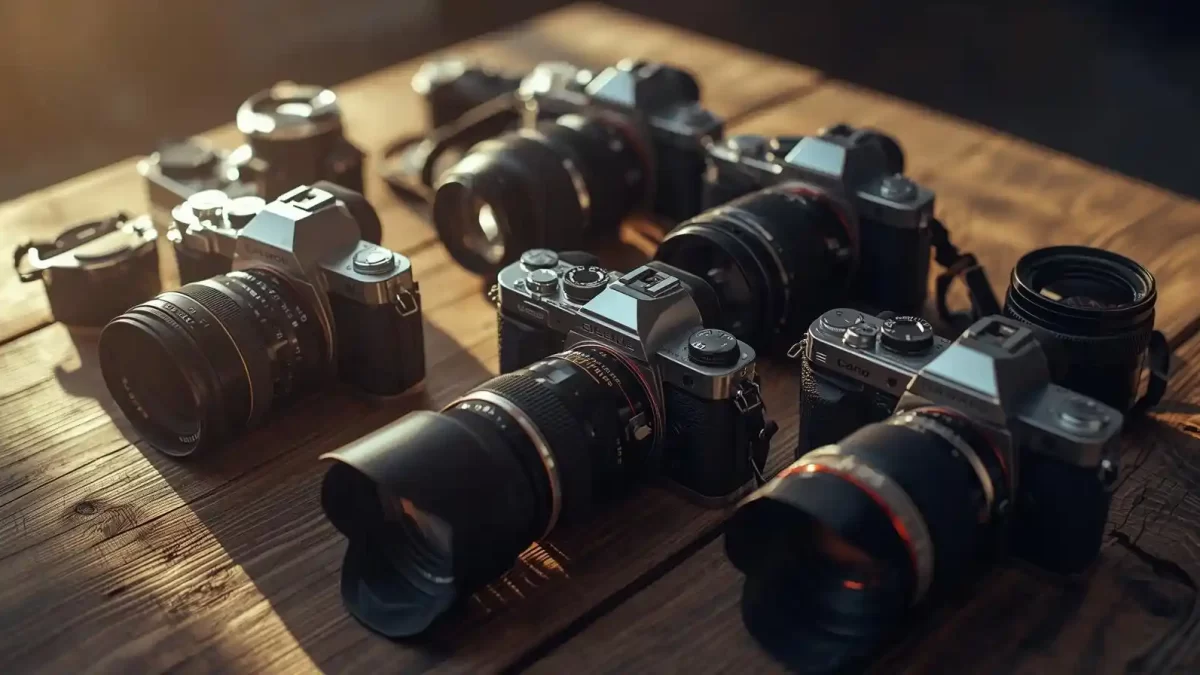
Exploring the world of photography often starts with picking the right gear. When it comes to the best camera brands, enthusiasts and professionals alike seek reliable names that deliver innovation, quality, and versatility. Top camera manufacturers like Canon, Nikon, and Sony dominate the market, offering everything from entry-level models to high-end systems. These brands push boundaries with mirrorless technology, advanced sensors, and robust lenses. In this guide, we dive into the 10 best camera brands that stand out for their performance, history, and user-friendly features. Whether you capture landscapes, portraits, or action shots, these top picks help you create stunning images.
Photography evolves rapidly, and the best camera brands adapt by incorporating cutting-edge tech like AI-driven autofocus and high-resolution sensors. They cater to diverse needs, from hobbyists snapping family moments to pros shooting commercial work. Market leaders hold significant shares, with Canon commanding around 46% of digital camera sales, followed closely by Sony and Nikon. This dominance stems from their commitment to quality and ecosystem compatibility. Beginners appreciate intuitive interfaces, while experts value durable builds and extensive lens options. Choosing among these top camera manufacturers ensures you invest in tools that grow with your skills.
Want your images to look professionally edited, not over-processed?
Achieve natural, high-end perfection with our skilled Photo Retouching Service
- What Defines Top Camera Manufacturers?
- The Evolution of Camera Technology
- 1. Canon: The Versatile Powerhouse
- 2. Nikon: Precision and Durability Redefined
- 3. Sony: Innovation at Its Core
- 4. Fujifilm: Retro Charm Meets Modern Tech
- 5. Panasonic: Video Excellence with Photo Prowess
- 6. OM System: Compact and Adventure-Ready
- 7. Leica: Premium Craftsmanship
- 8. Pentax: DSLR Loyalty with Modern Twists
- 9. Hasselblad: Medium-Format Mastery
- 10. Sigma: Innovative and Affordable
- Choosing the Right Brand for Your Needs
- Future Trends in Camera Brands
- Final Thoughts on the Best Camera Brands
- FAQs
What Defines Top Camera Manufacturers?
Top camera manufacturers excel by blending tradition with modern innovation. They prioritize user experience, offering cameras that perform in various conditions. Reliability plays a key role; brands test gear rigorously to withstand dust, moisture, and impacts. Versatility shines through interchangeable lenses and accessories, allowing customization for different genres like wildlife or street photography. Sustainability efforts, such as eco-friendly materials, add appeal in today’s market. These elements create loyal communities, where photographers share tips and stories, fostering growth in the hobby.
Innovation drives these brands forward. They integrate features like in-body stabilization and 8K video recording, appealing to hybrid creators who blend photos and footage. Compatibility across models reduces upgrade costs, as lenses from older systems often work with new bodies. Customer support, including warranties and tutorials, builds trust. Ultimately, the best camera brands listen to feedback, refining products to meet real-world demands.
The Evolution of Camera Technology
Camera technology has transformed dramatically over decades. Early film models gave way to digital sensors, revolutionizing image capture. Mirrorless systems now outperform traditional DSLRs in speed and compactness, thanks to electronic viewfinders and silent shooting. Sensors have grown larger, capturing more light for better low-light performance. Autofocus systems use phase detection and eye-tracking, ensuring sharp results even in fast-paced scenarios.
Brands invest heavily in research, leading to breakthroughs like stacked sensors for faster readout speeds. Wireless connectivity allows instant sharing to devices, streamlining workflows. Battery life has improved, supporting longer shoots without interruptions. These advancements make photography accessible, empowering creators to experiment freely.
1. Canon: The Versatile Powerhouse
Canon leads as one of the best camera brands, known for its broad lineup that suits beginners and experts. Founded in 1937, the company pioneered features like eye-controlled autofocus and image-stabilized lenses. Today, Canon focuses on mirrorless models like the EOS R6 Mark III, which boasts 24MP resolution and advanced Dual Pixel AF for precise tracking. Photographers praise its color science, delivering vibrant, accurate tones straight from the camera.
Professionals rely on Canon’s robust ecosystem, including over 100 RF-mount lenses. The brand excels in video, with 4K capabilities and in-body stabilization for smooth footage. Users appreciate the ergonomic designs that feel comfortable during long sessions. Canon continues to innovate, recently introducing AI enhancements for subject recognition. For those starting out, models like the EOS R50 offer affordability without sacrificing quality.
- Key Strengths: Exceptional autofocus, wide lens selection, reliable build.
- Popular Models: EOS R5 Mark II for high-resolution work, EOS R8 for compact versatility.
- Who It’s For: Hybrid shooters who value performance in both stills and video.
Check out Canon’s official site for the latest releases.
2. Nikon: Precision and Durability Redefined
Nikon stands tall among top camera manufacturers, emphasizing optical excellence since 1917. The brand shines in DSLRs and mirrorless, with the Z9 earning acclaim for its 45MP sensor and blackout-free shooting. Wildlife photographers favor Nikon for its dynamic range, capturing details in harsh lighting. The Z6 III, a 2026 favorite, delivers 24MP images with impressive low-light handling.
Nikon’s lenses, like the NIKKOR Z series, provide sharp optics across focal lengths. The company prioritizes weather-sealing, ensuring gear survives rugged environments. Enthusiasts enjoy the intuitive controls that speed up adjustments in the field. Recent updates include better video specs, such as 8K recording in select models. Nikon’s legacy in professional sports photography underscores its reliability.
- Key Strengths: Superior dynamic range, tough construction, extensive telephoto options.
- Popular Models: Z8 for balanced performance, Z50 II for entry-level users.
- Who It’s For: Landscape and action photographers seeking dependable tools.
Explore more on Nikon’s innovations.
3. Sony: Innovation at Its Core
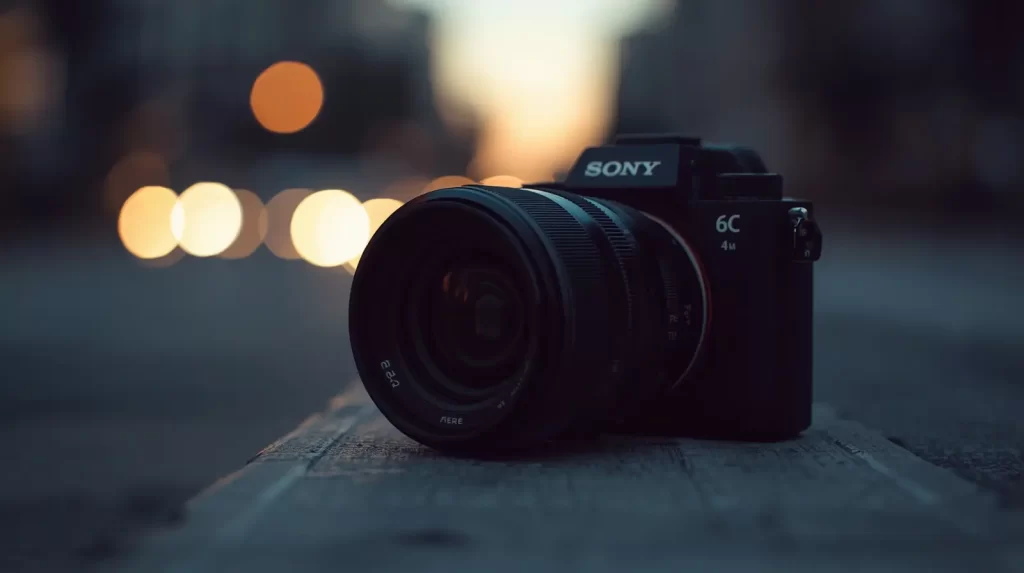
Sony revolutionizes photography as one of the best camera brands, dominating mirrorless tech. Starting in 1946, Sony acquired Konica Minolta’s assets, boosting its sensor production. The A1 II tops charts in 2026 with a 50MP stacked sensor and real-time eye AF for humans and animals. Creators love its compact bodies, ideal for travel.
Sony supplies sensors to competitors, ensuring top-tier image quality. Features like 15-stop dynamic range handle extreme contrasts effortlessly. The brand’s E-mount system offers vast third-party lens support, enhancing flexibility. Video pros appreciate uncropped 4K and AI-driven tracking. Sony pushes boundaries with models like the a7R V, perfect for high-res work.
- Key Strengths: Cutting-edge sensors, fast autofocus, compact designs.
- Popular Models: a6700 for APS-C enthusiasts, a7 IV for full-frame versatility.
- Who It’s For: Tech-savvy users who prioritize speed and portability.
4. Fujifilm: Retro Charm Meets Modern Tech
Fujifilm captivates with its unique approach, ranking high among top camera manufacturers. Established in 1934, the brand draws from film heritage, offering Film Simulation modes that mimic classic stocks. The X-T5, a 2026 standout, features a 40MP APS-C sensor and retro dials for tactile control. Photographers adore its color rendition, producing ready-to-share JPEGs.
Fujifilm’s X-mount lenses deliver sharpness in compact packages. The GFX series introduces affordable medium-format options for studio work. In-body stabilization aids handheld shooting, while weather-sealing supports outdoor adventures. The brand fosters creativity through firmware updates that extend older models’ lives.
- Key Strengths: Artistic simulations, lightweight gear, strong APS-C lineup.
- Popular Models: X-H2 for video hybrids, X-S20 for beginners.
- Who It’s For: Creative souls who enjoy a hands-on experience.
Learn about Fujifilm’s film simulations.
Want to see how easily we can transform your product’s color?
Get a free, no-obligation sample of our Photo Color Correction Services
5. Panasonic: Video Excellence with Photo Prowess
Panasonic excels in hybrid capabilities, making it one of the best camera brands for creators. Founded in 1918, it co-developed the Micro Four Thirds system for compatibility. The S5 II, updated in 2026, offers 24MP full-frame performance with 10-bit video recording. Videographers value its stabilization and color profiles for cinematic results.
Panasonic’s L-mount alliance with Leica expands lens choices. Features like false color tools aid precise exposure. The GH6 caters to Micro Four Thirds fans with compact, powerful bodies. The brand emphasizes ergonomics, with articulating screens for vlogging.
- Key Strengths: Advanced video features, lens ecosystem, durable designs.
- Popular Models: Lumix S1R Mark II for high-res, G100 for entry-level.
- Who It’s For: Content creators blending stills and motion.
Discover Panasonic’s Lumix range.
6. OM System: Compact and Adventure-Ready
OM System, formerly Olympus, continues to innovate as a top camera manufacturer. Since 1936, it has championed Micro Four Thirds for portability. The OM-1 Mark II impresses with 20MP resolution and exceptional IBIS for sharp handheld shots. Adventure seekers appreciate its weatherproofing, ideal for hikes and travel.
The system’s small size doesn’t compromise quality, offering pro-level features like Live ND filters. OM System collaborates with Panasonic for shared lenses, boosting versatility. Computational modes enhance creativity, such as high-res stacking.
- Key Strengths: Superior stabilization, compact form, rugged build.
- Popular Models: OM-5 Mark II for everyday use, E-M1 III for pros.
- Who It’s For: Travelers and outdoor enthusiasts needing lightweight gear.
Check OM System’s adventure tools.
7. Leica: Premium Craftsmanship
Leica embodies luxury among the best camera brands, with roots in 1869. It focuses on L-mount mirrorless, like the Q3 with 60MP for exquisite detail. Photographers cherish its minimalist designs and optical purity. Collaborations with Panasonic enrich the ecosystem.
Leica’s bodies prioritize feel over specs, with manual controls for intentional shooting. The brand’s lenses set standards for clarity and bokeh. While pricey, Leica gear holds value over time.
- Key Strengths: Timeless aesthetics, superior optics, build quality.
- Popular Models: SL3 for full-frame, M11 for rangefinder fans.
- Who It’s For: Discerning artists who value heritage.
Explore Leica’s iconic lineup.
8. Pentax: DSLR Loyalty with Modern Twists
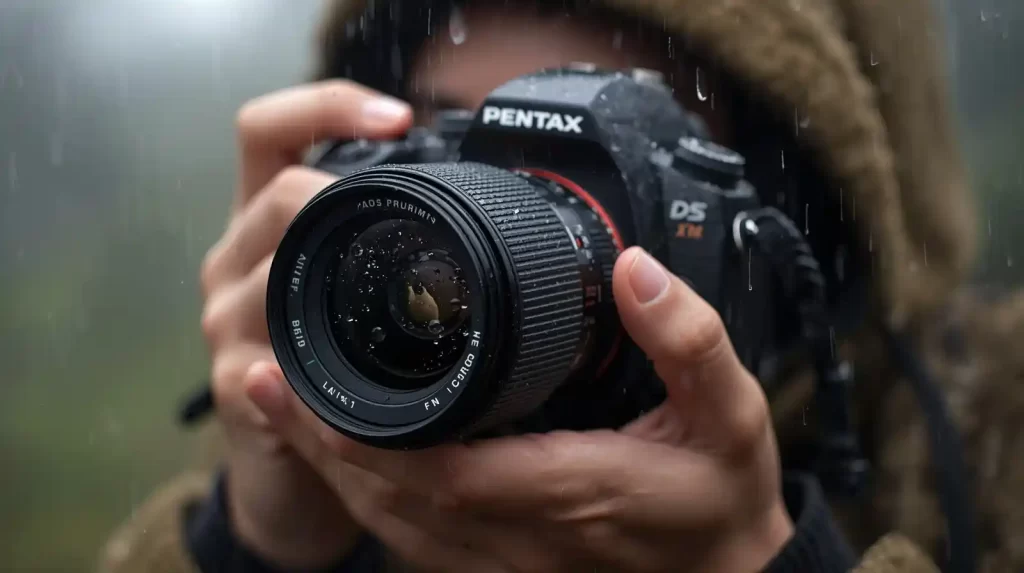
Pentax, under Ricoh, appeals to traditionalists as a reliable top camera manufacturer. Dating to 1919, it champions DSLRs like the K-1 Mark II with 36MP and shake reduction. Enthusiasts enjoy its pentaprism viewfinders for accurate composition.
Pentax offers weather-sealed bodies for demanding conditions. The medium-format 645Z provides pro-level resolution affordably. Firmware updates keep models current.
- Key Strengths: Durable DSLRs, value pricing, unique features.
- Popular Models: K-3 III for APS-C, GR III for street compacts.
- Who It’s For: DSLR purists seeking robustness.
9. Hasselblad: Medium-Format Mastery
Hasselblad defines excellence in medium-format, standing out among top camera manufacturers. Founded in 1841, it gained fame with NASA missions. The X2D 100C delivers 100MP for unmatched detail in studios.
Hasselblad’s modular systems allow customization. DJI’s involvement brings drone integrations. The brand focuses on color accuracy and natural skin tones.
- Key Strengths: High resolution, modular design, professional quality.
- Popular Models: 907X for vintage appeal, CFV 100C back.
- Who It’s For: Studio and commercial photographers.
Visit Hasselblad’s medium-format world.
Need to process hundreds of images with a fast turnaround?
Our scalable Background Removal Service handles bulk orders with ease.
10. Sigma: Innovative and Affordable
Sigma emerges as a fresh force in the best camera brands, known for lenses but expanding into bodies. The fp L offers 61MP in a minimalist full-frame design. Photographers value its modularity for cine rigs.
Sigma’s L-mount compatibility opens doors to Leica and Panasonic gear. Budget-friendly pricing attracts newcomers. Features like electronic shutters enable silent operation.
- Key Strengths: High-res sensors, modular builds, value.
- Popular Models: fp for compact full-frame, sd Quattro for unique Foveon tech.
- Who It’s For: Experimenters seeking affordability.
Learn more at Sigma’s camera section.
Choosing the Right Brand for Your Needs
Selecting from the best camera brands depends on your style. Consider sensor size for image quality, full-frame suits low-light, APS-C offers portability. Budget plays a role; entry models from Nikon or Canon provide great starts. Lens availability ensures future-proofing. Test ergonomics in stores to find what feels right. Online communities share real experiences, guiding decisions.
Think about ecosystems. Sony’s vast options suit hybrids, while Fujifilm’s simulations inspire creatives. Prioritize features like stabilization for handheld work. Ultimately, the best fit enhances your passion.
Future Trends in Camera Brands
Top camera manufacturers eye AI integration for smarter shooting. Computational photography will enhance details automatically. Sustainability drives recycled materials and energy-efficient designs. 5G connectivity enables live streaming from remote locations. Brands like Sony lead with sensor advancements, promising even better performance.
Expect more hybrid models blending photo and video seamlessly. Compactness remains key for travel. These trends keep photography exciting and accessible.
Final Thoughts on the Best Camera Brands
In the end, the best camera brands empower you to capture life’s moments vividly. From Canon’s versatility to Sigma’s innovation, these top camera manufacturers offer tools for every level. They blend history with forward-thinking tech, ensuring your investments last. Whether you chase sunsets or document events, picking from this list guarantees quality. Dive in, experiment, and let your creativity soar with the best camera brands at your side.
Want to boost your online sales with better product photography?
High-quality images increase conversions by up to 40%. Let us help you get there. See our editing services
FAQs
What factors should I consider when choosing a camera brand?
Evaluate your photography style, budget, and needed features like sensor size or video capabilities. Look at lens ecosystems and user reviews for reliability.
Are mirrorless cameras better than DSLRs?
Mirrorless models offer compactness, silent shooting, and real-time previews, making them popular. DSLRs excel in battery life and optical viewfinders for some users.
Which brand is best for beginners?
Canon and Nikon provide intuitive interfaces and affordable entry-level models with guided modes to help newcomers learn quickly.
How do I maintain my camera gear?
Clean lenses regularly with microfiber cloths, store in dry bags, and update firmware for optimal performance. Avoid extreme temperatures.
What makes Fujifilm unique?
Its Film Simulation modes replicate classic film looks, adding artistic flair without extensive editing.
For those valuing craftsmanship and optics, yes, it delivers timeless quality and holds resale value well.
Can I use lenses from one brand on another?
Adapters allow cross-compatibility in some cases, like L-mount systems, but check for autofocus and stabilization support.
What’s the latest trend in camera technology?
AI-driven features like subject tracking and computational enhancements are rising, improving ease and results.