


Best Compact Binoculars 2026 for Birding, Hiking & Travel
June 19, 2026
Rule of Thirds Photography: How, Why & When to Break It
June 20, 2026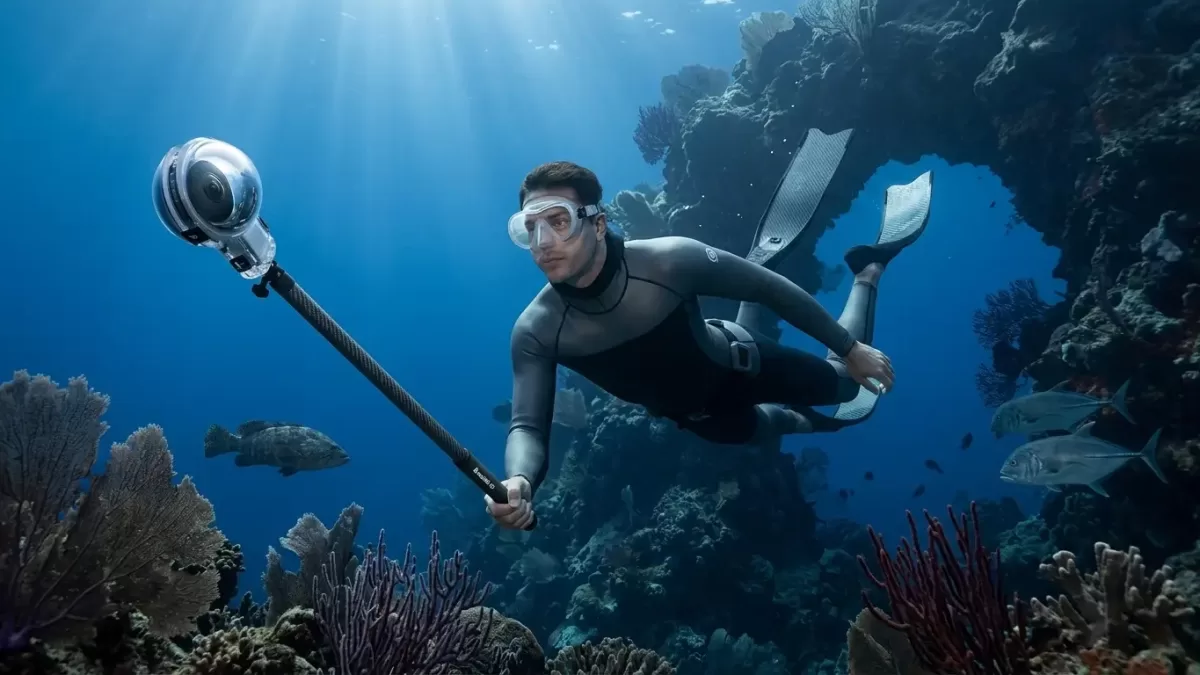
The 360 camera market has matured fast in 2026. Three flagships now dominate the conversation — the Insta360 X5, GoPro MAX2, and DJI Osmo 360 — and each one rewrites what a palm-sized spherical camera can do. Together they push 8K resolution, larger sensors, replaceable lens glass, and longer battery life into the hands of vloggers, real estate agents, motorcyclists, divers, and creators who simply want to point and shoot the entire world at once. According to PCMag’s tested rankings, the X5 currently sits at the top, but the gap between leaders has never been smaller.
This guide breaks down the best 360 degree cameras of 2026, what makes each one special, who they’re built for, and how to choose without buyer’s remorse. You’ll also find shooting tips, post-production advice, and answers to the questions buyers actually ask.
Already shooting 360 product spins or virtual tours? Polish every frame with our pro-grade photo retouching service and make your spherical shots look magazine-ready.
- What Is a 360 Degree Camera and Why It Matters in 2026
- How We Picked the Best 360 Cameras of 2026
- Quick Comparison: Best 360 Cameras 2026 at a Glance
- 1. Insta360 X5 — Best Overall 360 Camera of 2026
- 2. GoPro MAX2 — Best for the GoPro Ecosystem
- 3. DJI Osmo 360 — Best Low-Light 360 Camera
- 4. Ricoh Theta Z1 51GB — Best for Real Estate and Virtual Tours
- 5. Kandao QooCam 3 Ultra — Best 360 for High-Resolution Stills
- 6. Insta360 X4 — Best Value Flagship
- 7. Insta360 ONE RS 1-Inch 360 Edition — Best Premium Image Quality (Hybrid)
- 8. Ricoh Theta X — Best Stills-Focused 360 Camera Under $800
- Key Features to Look for in a 360 Camera in 2026
- Best 360 Camera for Different Use Cases
- How to Shoot Better 360 Footage: 10 Practical Tips
- Post-Production: Turning 360 Footage Into Watchable Video
- Common Pitfalls When Buying a 360 Camera
- Editing Software That Pairs Well With 360 Cameras
- Accessories Worth Buying With Your 360 Camera
- FAQs: Best 360 Degree Camera 2026
- Future of 360 Cameras: What’s Coming Next
- Final Verdict: Which 360 Camera Should You Buy in 2026?
What Is a 360 Degree Camera and Why It Matters in 2026
A 360 degree camera uses two ultra-wide fisheye lenses placed back-to-back to capture everything around it in a single shot. Software then stitches both hemispheres into one seamless spherical frame. You can later “reframe” any angle as a flat, traditional video — a workflow Insta360 calls “shoot first, point later.”
In 2026, three trends define the category:
- True 8K resolution is now standard on flagships, not a marketing trick. GoPro markets MAX2 as delivering “True 8K,” giving roughly 21% more pixels than competitors at the same nominal spec.
- Bigger sensors drive low-light leaps. The Insta360 X5 jumped to 1/1.28-inch sensors, while the DJI Osmo 360 uses dual 1-inch square sensors — both massive upgrades over the half-inch chips of the last generation.
- Replaceable lenses finally arrived. Scratch the glass on the X5 or MAX2 and you simply twist on a new one for under $30 instead of replacing the whole camera.
For a quick refresher on resolution itself, this primer on what 4K resolution really means is worth a read before spending $500+ on an 8K device.
How We Picked the Best 360 Cameras of 2026
We didn’t pick winners from a spec sheet alone. Our shortlist weighs:
- Image quality in daylight, low light, and HDR scenes
- Stabilization during walking, biking, and skiing
- Battery life under real-world 5.7K and 8K loads
- Durability and waterproofing without an external case
- Editing ecosystem — desktop app, mobile app, AI reframing
- Price-to-value ratio across $300 to $1,200
- Audience fit — vloggers, realtors, divers, motorcyclists, or pros
Cross-referenced reviews from CNET’s 360 camera roundup, DPReview, DC Rainmaker, and TechRadar shaped the final order.
Quick Comparison: Best 360 Cameras 2026 at a Glance
| Camera | Best For | Max Video | Sensor | Price (USD) |
|---|---|---|---|---|
| Insta360 X5 | Overall winner | 8K30 / 5.7K60 | 1/1.28″ dual | ~$549 |
| GoPro MAX2 | True 8K + ecosystem | 8K30 | Dual | $499.99 |
| DJI Osmo 360 | Low-light king | 8K50 | 1″ square dual | $549.99–$699.99 |
| Ricoh Theta Z1 51GB | Real estate / stills | 4K | 1″ dual | ~$999–$1,149 |
| Kandao QooCam 3 Ultra | 8K stills, 96MP photos | 8K30 10-bit | 1/1.7″ dual | ~$899 |
| Insta360 X4 | Best value flagship | 8K30 | 1/2″ dual | ~$399 |
| Insta360 ONE RS 1-Inch 360 | Premium hybrid | 6K | Dual 1″ | ~$799 |
| Ricoh Theta X | Stills enthusiasts | 5.7K | Small dual | ~$799 |
1. Insta360 X5 — Best Overall 360 Camera of 2026
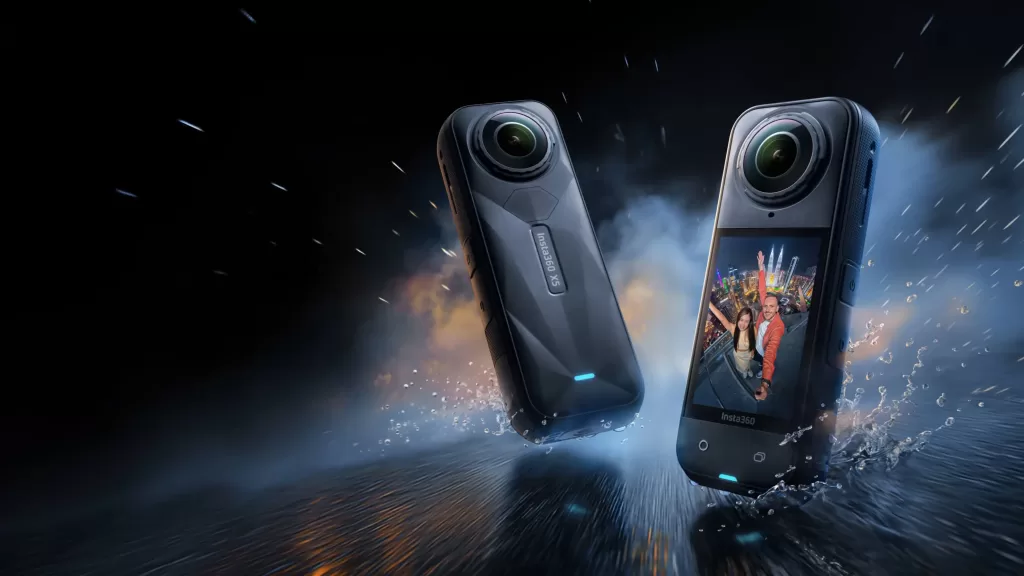
The new standard for hybrid creators
The Insta360 X5 took the X4’s foundation and rebuilt almost everything underneath. The new dual 1/1.28-inch sensors capture noticeably cleaner low-light footage, while a triple AI chip design powers a feature called PureVideo that pulls usable shots out of dim interiors and night streets. Per Insta360, the new 2400mAh battery delivers up to 208 minutes of recording in 5.7K Endurance Mode — about 54% longer than the X4.
Standout features:
- 8K30fps 360° video and 5.7K60 with Active HDR
- 72MP photos with rich color
- Replaceable lenses — twist off scratched glass in seconds
- Waterproof to 49ft (15m) without a case
- Invisible selfie stick effect for that floating drone-like third-person look
- Built-in wind guard for cleaner audio outdoors
Who it’s for: vloggers, motorcyclists, skiers, travel creators, and anyone who values the strongest software ecosystem in the category.
For most buyers in 2026, this is the camera to beat. CNET’s hands-on coverage notes the X5 records “8K video, capture 72-megapixel still images, all in a sphere around the palm-size camera.”
Filming 360 product walkarounds? Our multi clipping path service keeps every label, logo, and surface crisp during reframing.
2. GoPro MAX2 — Best for the GoPro Ecosystem
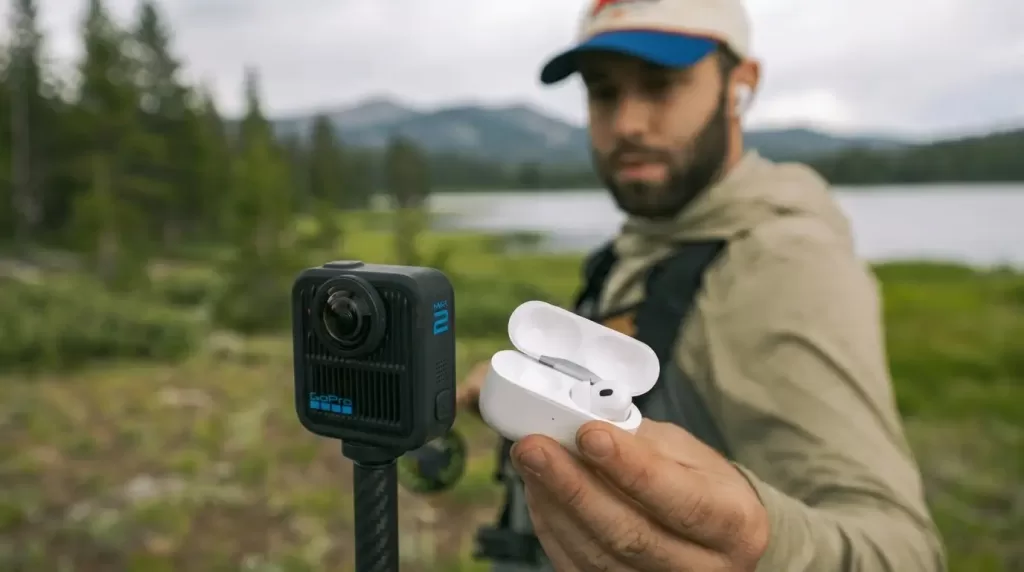
Six years in the making — and worth the wait
After a long six-year gap, GoPro returned to the 360 space with the MAX2 at $499.99. According to GoPro’s official launch, the MAX2 delivers “True 8K” video and 29MP 360 photos, paired with Emmy Award-winning 360 technology and twist-and-go replaceable lenses.
Highlights:
- True 8K spherical video with HyperSmooth stabilization
- Twist-and-go replaceable lenses — a first for GoPro
- Waterproof to 5m without housing
- Tight integration with the GoPro Quik app and existing mounts
- Compatible with the broader GoPro accessory ecosystem most creators already own
DC Rainmaker called the MAX2 “basically an entire overhaul of the GoPro MAX” — and that’s a good thing. If you live inside the GoPro accessory ecosystem or you’ve owned a budget action camera before, this is the friendliest upgrade path.
Pick the MAX2 if you: already own GoPro mounts, want the most familiar app, or value the True 8K sharpness claim.
3. DJI Osmo 360 — Best Low-Light 360 Camera
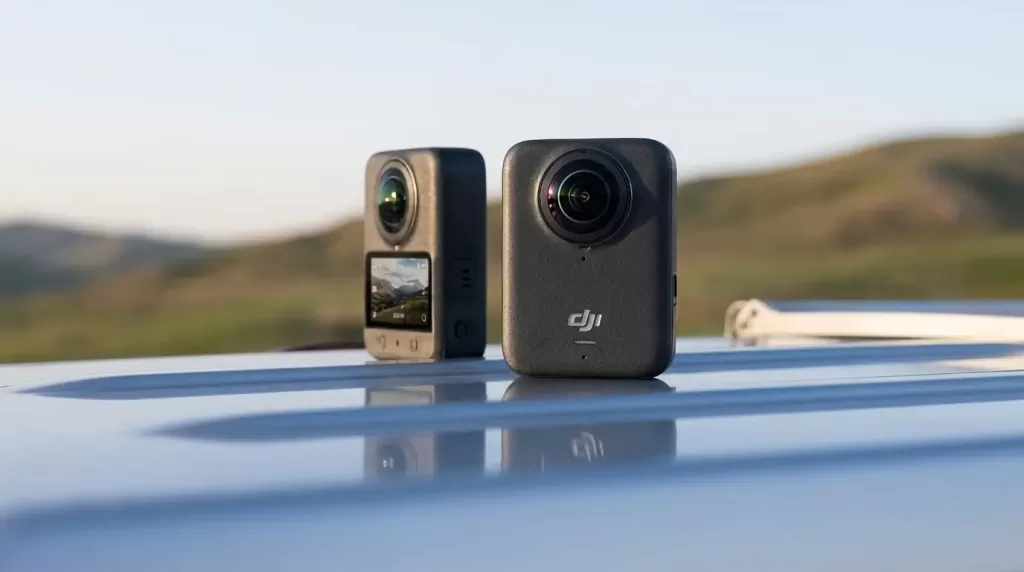
The newcomer flexing 1-inch muscle
DJI joined the 360 fight late, but the Osmo 360 lands swinging. Dual 1-inch square sensors put it ahead on paper, and CameraJabber’s review confirms native 8K/50fps 360° video, 120MP 360 photos, 10-bit D-Log M, and 105GB built-in storage on the Adventure Combo. AppleInsider lists pricing at $549.99 for the Standard Combo and $699.99 for the Adventure Combo.
What stands out:
- Largest sensor area of any consumer 360 camera in 2026
- Best-in-class dynamic range and night shooting
- 105GB internal storage removes the need for a microSD on the bigger bundle
- 4K/100fps and 5K/60fps single-lens modes for action work
- DJI’s signature stabilization
Engadget called it “a capable action cam that’s a real threat to Insta360,” and that matches what we see. For night riders, urban explorers, and travel creators, the Osmo 360 captures details others lose to noise. If you also shoot stills, our breakdown of aspect ratio choices helps you frame the reframed flat exports correctly.
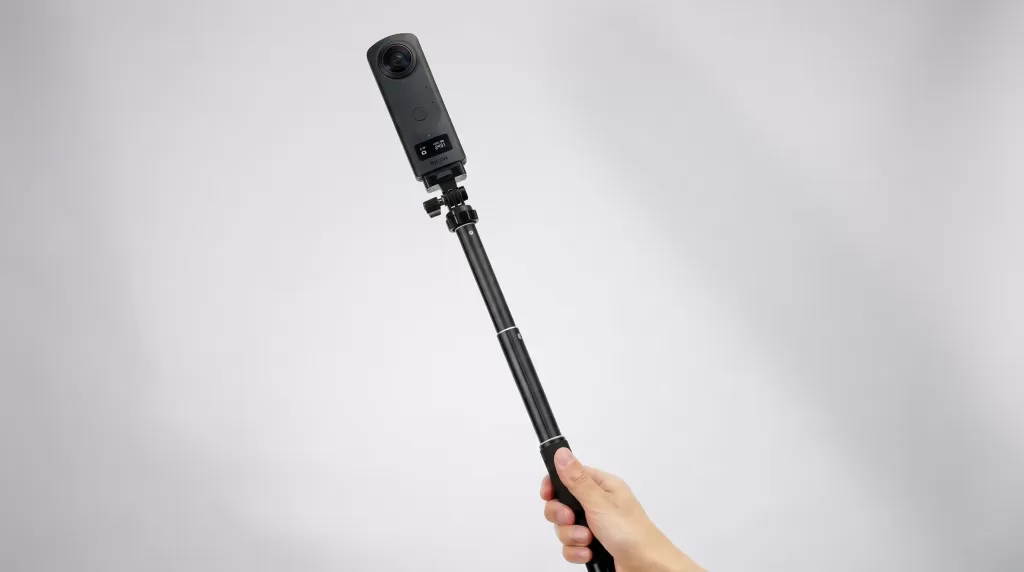
4. Ricoh Theta Z1 51GB — Best for Real Estate and Virtual Tours
The realtor’s quiet workhorse
The Ricoh Theta Z1 51GB is not new, not the fastest, and not the cheapest — but for virtual tours, listing photography, and Matterport-style workflows, it remains the highest-rated stills 360 in 2026. It uses dual 1-inch back-illuminated CMOS sensors, captures 23MP spherical images at 4K resolution (6720 × 3360), and supports manual aperture control (f/2.1, f/3.5, f/5.6) — rare in this category.
Why pros still buy it:
- Excellent dynamic range for window-lit interiors
- 51GB internal storage removes the dependency on cards
- DNG RAW capture for serious editors
- Manual ISO, shutter, and aperture
- Reliable Wi-Fi transfer to PC and mobile
It’s pricier than the X5 — around $999–$1,149 — but real estate agents and architectural photographers consistently rank it as the best 360 camera for real estate in 2026. For storage planning before a long shoot day, our guide on how many photos a 64GB card holds is genuinely useful.
Selling homes with 360 tours? Our specialized image masking service cleans every reflection and stray edge for picture-perfect listings.
5. Kandao QooCam 3 Ultra — Best 360 for High-Resolution Stills
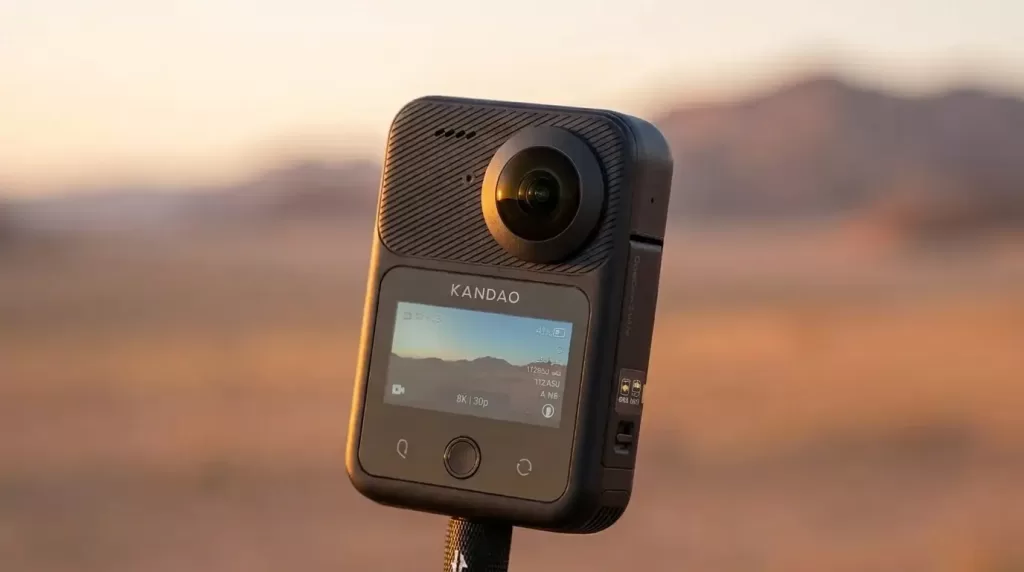
A 96-megapixel detail monster
The QooCam 3 Ultra punches well above its price. Kandao packs in dual 1/1.7-inch sensors, an f/1.6 aperture for low light, 8K30 10-bit panoramic video, and 96MP photos with 14-bit RAW capture. The body is IP68 waterproof to 10m, weighs about 336g, and includes built-in GPS.
Use it when you want:
- The sharpest 360 stills on a flagship-but-not-overpriced body
- 10-bit color for serious grading
- A wide f/1.6 aperture that beats most rivals in dim rooms
- VR180 modding options for stereoscopic VR creators
TechRadar called it “the best 8K 360-degree camera” for hybrid stills/video creators on a sub-$1,000 budget. Pair it with one of the best photo editing software apps for finishing.
6. Insta360 X4 — Best Value Flagship
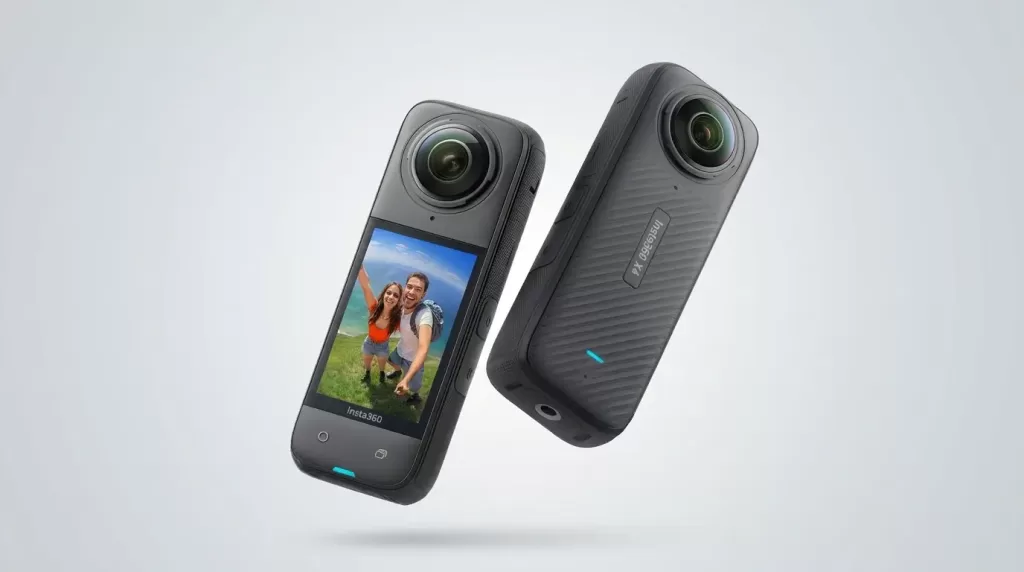
Last year’s flagship is this year’s bargain
With the X5 stealing headlines, the Insta360 X4 dropped to roughly $399, and it still records 8K30 video, captures 72MP photos, and offers a beautiful 2.29-inch touchscreen. Battery life is excellent at around 135 minutes of 5.7K30.
Where it shines:
- The same Insta360 Studio editing ecosystem as the X5
- Strong stabilization and reframing
- IPX8 waterproof to 10m
- Removable lens guards (not full lenses, but still scratch protection)
- Massive aftermarket of mounts and accessories
Side-by-side daylight comparisons show the X5 is “richer” but the X4 is “more contrasty” — meaning many users genuinely can’t tell. Save the $150 and spend it on accessories.
7. Insta360 ONE RS 1-Inch 360 Edition — Best Premium Image Quality (Hybrid)
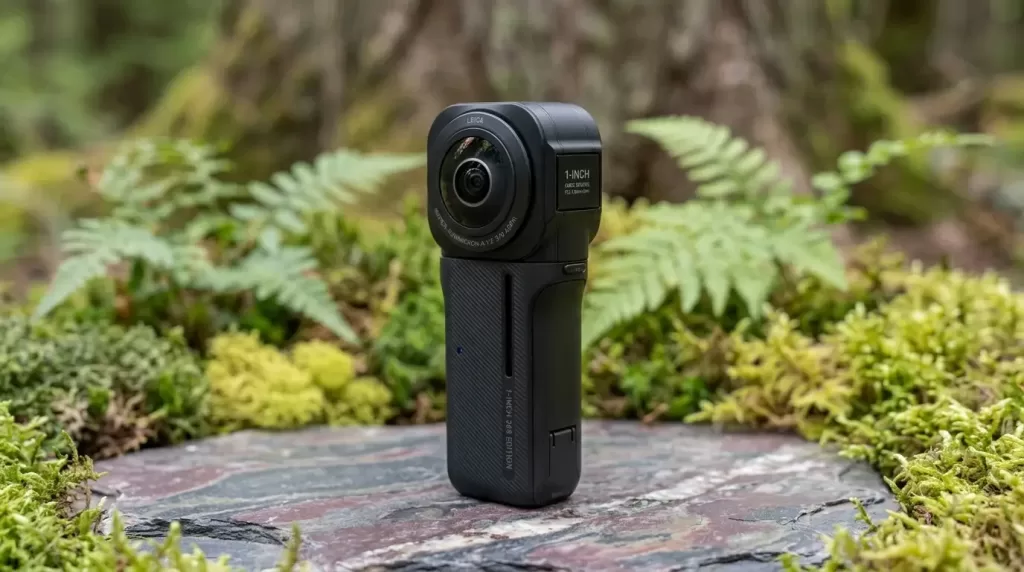
The ONE RS 1-Inch 360 Edition is a Leica-co-engineered modular camera with dual 1-inch sensors, 6K 360 video, and exceptional low-light performance. It’s bulkier than the X5 and only IPX3 splash-resistant, but the image quality at base ISO is among the cleanest you’ll find in a consumer 360.
Best for: virtual tour creators, automotive photographers, and event shooters who prize quality over ruggedness.
If you’re upgrading from a phone, you’ll also want to check our roundup of the top mirrorless cameras to complement your 360 workflow.
8. Ricoh Theta X — Best Stills-Focused 360 Camera Under $800
The Theta X is the photographer’s 360. It captures 60.5MP 11K stills with auto-HDR and shoots 5.7K 360 video. The sensors are small, so low-light performance lags behind flagships, but in daylight architectural and outdoor shoots, the 11K stills are striking.
Standout features include a removable battery, removable microSD card, and a usable touchscreen — three things Theta Z1 owners wish they had.
Key Features to Look for in a 360 Camera in 2026
Before clicking “buy,” weigh these eight factors:
- Resolution: 8K30 video is the new flagship floor. 5.7K is still beautiful and easier on storage.
- Sensor size: 1/1.28-inch and 1-inch chips dramatically outperform older 1/2-inch sensors in low light.
- Stabilization: FlowState (Insta360), HyperSmooth (GoPro), and DJI’s RockSteady are all excellent in 2026.
- Battery life: Aim for 90+ minutes in 5.7K real-world conditions.
- Replaceable lenses: A game-changer if you film near pavement, rocks, or kids.
- Waterproofing: Look for IPX8 to 10m+ if you snorkel, surf, or kayak.
- Editing software: Insta360 Studio, GoPro Quik, and DJI Mimo each have strengths. Mobile reframing matters most for short-form creators.
- Storage workflow: Match your camera to a fast V30 or V60 microSD. If you shoot a lot, our guide on memory card capacities for 2026 is worth bookmarking.
For a deeper primer on resolution and file sizes, DPReview’s explainer on 360 video formats is one of the clearest available.
Best 360 Camera for Different Use Cases
For real estate and virtual tours
- Top pick: Ricoh Theta Z1 51GB
- Runner-up: Insta360 X5 (faster workflow, lower price)
For motorcycling and cycling
- Top pick: Insta360 X5 (replaceable lenses are essential for rock chips)
- Runner-up: GoPro MAX2
For diving and snorkeling
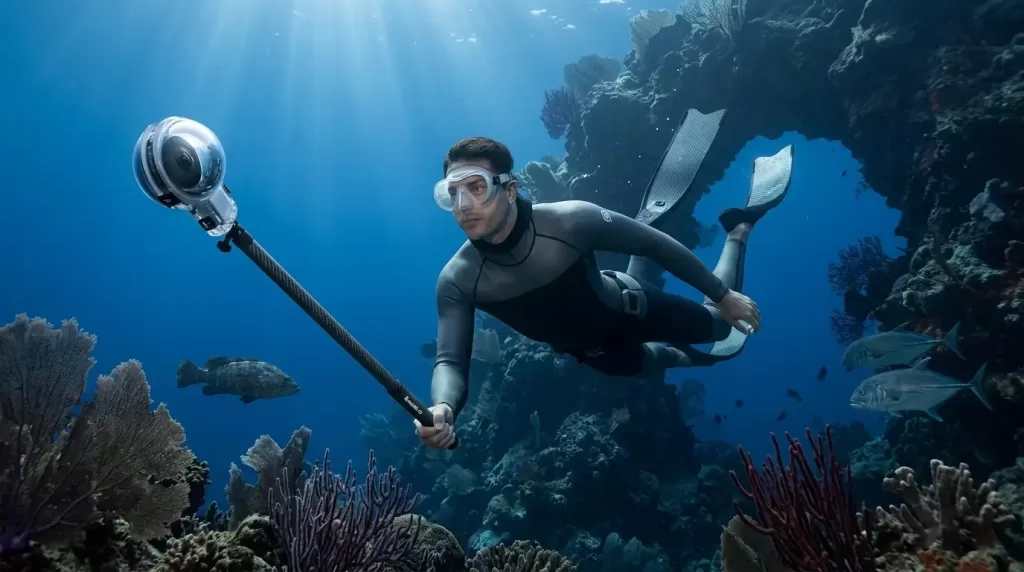
- Top pick: Insta360 X5 with dive case (rated for deeper depths)
- Runner-up: GoPro MAX2
For travel vlogging
- Top pick: Insta360 X4 (best value) or X5 (best quality)
- Runner-up: DJI Osmo 360 for low-light streets
For VR and immersive content
- Top pick: Kandao QooCam 3 Ultra (VR180 modding available)
- Runner-up: Insta360 ONE RS 1-Inch 360
Cleaning up cluttered backgrounds in reframed 360 footage? Try our background removal service for fast, flawless cutouts.
How to Shoot Better 360 Footage: 10 Practical Tips
Owning a flagship camera doesn’t automatically make beautiful content. These habits do:
- Hide the selfie stick by extending it fully and pointing the lens seam toward the stick.
- Walk smoothly. Stabilization corrects shakes, not bounces. Bend your knees.
- Mind the stitch line. Don’t place faces or critical text along the seam between lenses.
- Shoot in 5.7K60 for slow motion and reframing flexibility — 8K is heavier on storage.
- Use the invisible mount effect for floating drone-style shots from a monopod.
- Lock exposure before recording to stop the camera “pumping” in mixed light.
- Plan reframes before shooting — visualize the flat output you want.
- Shoot RAW for stills when interiors and skies appear in the same frame.
- Bring spare batteries. Even 200-minute claims drop in cold weather.
- Back up daily to a laptop or cloud — see our list of the best cloud storage for photos for trusted options.
For travelers who haven’t shot much before, our photography tips for beginners primer pairs well with this list.
Post-Production: Turning 360 Footage Into Watchable Video
The biggest mistake new 360 owners make? Uploading the raw equirectangular blob and wondering why nobody watches. Real magic happens in post:
- Reframe. Use Insta360 Studio, GoPro Player, or DJI Mimo to extract flat clips that look like they came from a drone or Steadicam.
- Color correct. 10-bit footage from the QooCam 3 Ultra or DJI Osmo 360 holds up beautifully under heavy grading.
- Stabilize a second time. Even with FlowState, a small pass in post smooths out any walking bounce.
- Add motion blur in your NLE when speeding up clips to avoid the “jitter” effect.
- Export in 4K or 1080p flat for Instagram, TikTok, and YouTube Shorts.
For specialized cleanup like wire removal or background swaps, our team’s clipping path service handles awkward 360 reframes that auto-tools miss.
Common Pitfalls When Buying a 360 Camera
- Buying flagship for casual use. A $399 X4 outperforms what most casual users will ever need.
- Ignoring storage costs. 8K footage eats microSD cards. Budget at least one 256GB V30 card.
- Forgetting accessories. A selfie stick, lens guards, and a quick-release mount are essential.
- Confusing resolutions. “8K 360” is split between two lenses; flat reframed exports rarely exceed 4K.
- Overlooking software. A camera is only as good as its editing app on your phone or laptop.
- Mismatching format and platform. Wallet-sized prints, 4×6 prints, and social posts each have different export needs.
For broader buying advice across formats, TechRadar’s 360 camera roundup is a useful second opinion.
Editing Software That Pairs Well With 360 Cameras
- Insta360 Studio — free, intuitive reframing, AI tracking
- GoPro Player — clean, simple, native reframe export
- DJI Mimo + Mimo Studio — solid for Osmo 360 owners
- Adobe Premiere Pro + GoPro VR Reframe plugin — for pros
- DaVinci Resolve — best free color grading suite for 10-bit footage
If Adobe isn’t in the budget, our list of free Photoshop alternatives covers great open-source options for thumbnails and stills.
Accessories Worth Buying With Your 360 Camera
- Invisible selfie stick (Insta360 makes the best)
- Lens guards or spare lenses for replaceable-lens models
- High-speed V30/V60 microSD (256GB minimum recommended)
- Quick-release tripod mount for tour work
- Dive case if you snorkel or surf below 15m
- External mic adapter for vlogging (X5, MAX2)
- Power bank for full-day shoots
- Cleaning kit to keep both lenses smudge-free
If you also recover client photos from your gear, check this guide on how to find recently deleted photos — a lifesaver after a long shoot day.
FAQs: Best 360 Degree Camera 2026
1. What is the best 360 camera to buy in 2026?
For most creators, the Insta360 X5 wins overall thanks to 8K30 video, larger sensors, replaceable lenses, and a 208-minute battery. PCMag, CNET, and Imaging Resource all rank it #1.
2. Is the GoPro MAX2 better than the Insta360 X5?
The MAX2 fits the GoPro ecosystem perfectly and claims “True 8K,” but the X5 has a slight edge in software, third-person stick effects, and sensor size. If you already own GoPro mounts, MAX2 is the easier path.
3. What’s the best 360 camera for real estate?
The Ricoh Theta Z1 51GB remains the gold standard for real estate and virtual tours due to its dual 1-inch sensors, manual aperture control, and DNG RAW. The Insta360 X5 is a faster, cheaper second choice.
4. Are 360 cameras waterproof?
Most 2026 flagships are. The Insta360 X5 and X4 are waterproof to 49ft/15m, the GoPro MAX2 to 5m, and the QooCam 3 Ultra to 10m. The Theta Z1 is not waterproof.
5. How long does a 360 camera battery last?
Real-world: 80–135 minutes for most flagships at 5.7K30. The Insta360 X5’s optional Ultra Battery extends recording to over 200 minutes. 8K modes drain faster.
6. Can I use a 360 camera for YouTube?
Yes. Most creators reframe 360 footage into flat 4K or 1080p clips before uploading. Native 360 playback is supported but watched far less.
7. How much storage do I need?
A single hour of 8K30 360 footage can consume 30–60GB. A 256GB V30 microSD is the sensible minimum, and 512GB is better for travel.
8. What’s the cheapest serious 360 camera in 2026?
The Insta360 X4 around $399 offers nearly all the X5’s headline features at 80% of the price. For under $300, used X3 units remain solid.
Future of 360 Cameras: What’s Coming Next
The next 18 months will likely bring AI-driven auto-reframing (already in Insta360’s app), stereoscopic 8K VR capture at consumer prices, and lighter mounts for drones. Expect Apple Vision Pro and Meta Quest content to drive a renewed push toward true VR-resolution 360 cameras. The industry’s “smartphone moment” — when everyone owns one — feels close.
For context on how camera technology has evolved over the decades, this look at the evolution of photography provides nice perspective.
Final Verdict: Which 360 Camera Should You Buy in 2026?
- Best overall: Insta360 X5 — ~$549
- Best for GoPro fans: GoPro MAX2 — $499.99
- Best low light: DJI Osmo 360 — $549.99–$699.99
- Best for real estate stills: Ricoh Theta Z1 51GB — ~$999
- Best stills detail: Kandao QooCam 3 Ultra — ~$899
- Best value: Insta360 X4 — ~$399
The 360 camera is no longer a novelty. In 2026, it’s the most versatile tool in many creators’ bags — capable of replacing a drone shot, a Steadicam shot, and a wide-angle stills camera in one palm-sized device. Pick the one that matches your shooting style, not the spec sheet.
Ready to make your 360 product shots, listings, or e-commerce visuals look truly professional? Explore everything our team offers at Clipping Expert Asia and turn every frame into a sale.