


Best Grok Image Prompts: 50+ Realistic, Fade & Pose Examples for 2026
September 29, 2026
How to Colorize Black and White Photos: 2026 Step-by-Step Guide
October 2, 2026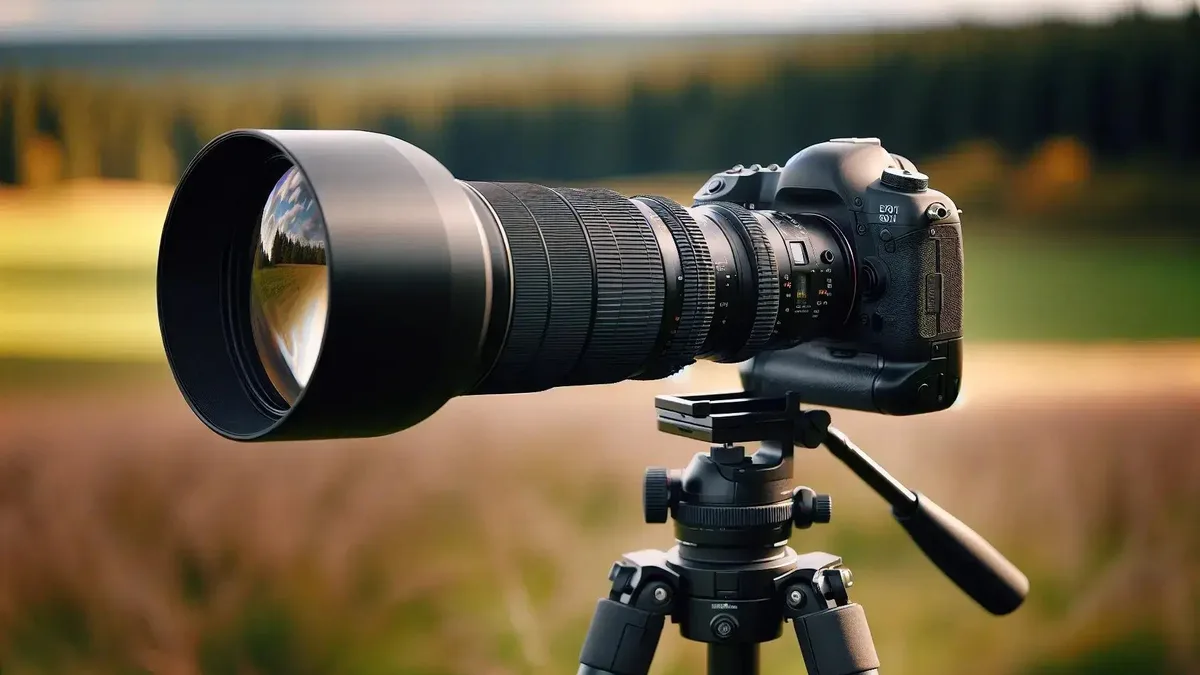
- TL;DR: The Short Answer
- What Is a Telephoto Lens, Exactly?
- What Does a Telephoto Lens Do? Three Superpowers
- Telephoto vs. Zoom: They Are Not the Same Thing
- Focal Length Guide: Which Telephoto for Which Job?
- What to Use a Telephoto Lens For
- Why Are My Telephoto Photos Blurry? Troubleshooting
- Camera Settings and Pro Tips for Sharp Telephoto Shots
- When NOT to Use a Telephoto Lens
- Telephoto Ethics: Reach Comes With Responsibility
- How to Choose Your First Telephoto Lens
- Frequently Asked Questions
- Final Verdict
TL;DR: The Short Answer
A telephoto lens is any lens with a long focal length — typically 70mm or longer on a full-frame camera (some sources start at 80mm) — that makes distant objects appear close. It does three things a normal lens cannot: it magnifies faraway subjects, it compresses perspective so foreground and background look closer together, and it blurs backgrounds for strong subject isolation. You need one for wildlife, sports, candid portraits, the moon, and any shot where you cannot physically get closer. And no — telephoto is not the same thing as zoom. Zoom means the focal length changes; telephoto means the focal length is long. A 70–200mm lens is both.
What Is a Telephoto Lens, Exactly?
A telephoto lens is a long-focal-length lens with a narrow angle of view. On a full-frame camera, anything from about 70mm upward counts. Lenses between 70mm and 135mm are called short or medium telephotos; 135–300mm are standard telephotos; and anything above 300mm is a super-telephoto. On a crop-sensor camera, multiply by about 1.5–1.6x, so a 55mm kit lens already behaves like a short telephoto — and a 100–400mm becomes a 150–600mm equivalent, which is why wildlife shooters love crop bodies.
Strictly speaking, a “true” telephoto lens uses a special optical design — a telephoto group of positive and negative elements — that makes the physical barrel shorter than its focal length. That is why a 400mm lens can fit in your camera bag instead of being literally 400mm long. In everyday language, though, photographers use “telephoto” to mean any long lens. Wikipedia’s telephoto lens entry covers the optical engineering in depth if you want the technical side.
What Does a Telephoto Lens Do? Three Superpowers
A telephoto lens changes your images in three predictable, useful ways. Once you understand these, you will know exactly when to reach for one.
| Effect | What it does | Best for |
|---|---|---|
| Magnification | Distant subjects fill the frame | Wildlife, sports, moon, birds |
| Perspective compression | Foreground and background appear closer together | Creative portraits, cityscapes, landscape layers |
| Shallow depth of field | Background melts into creamy bokeh | Portraits, isolating a subject from a busy scene |
Compression is the effect people forget. Stand far away and shoot at 200mm, and a mountain behind your subject will look huge and close. Step close with a 24mm lens, and that same mountain will shrink into the distance. The subject stays the same size in both shots — only the relationship to the background changes. That is the telephoto look every portrait and fashion photographer chases.
Telephoto vs. Zoom: They Are Not the Same Thing
This is the single most common confusion in photography. Zoom describes a lens whose focal length you can change — a 24–70mm lens zooms. Telephoto describes a lens with a long focal length — a 135mm prime is a telephoto. The two traits are independent:
- A 70–200mm f/2.8 is both a zoom and a telephoto.
- A 135mm f/2 prime is a telephoto but not a zoom.
- A 24–70mm f/2.8 is a zoom but not a telephoto.
- A 50mm f/1.8 is neither.
Adobe’s guide to telephoto photography walks through this same distinction with real examples. When shopping, check both traits: do you need the reach of a telephoto, the flexibility of a zoom, or both?
Focal Length Guide: Which Telephoto for Which Job?
Not all telephotos are equal. Pick the range that matches what you shoot.
70–135mm — Short telephoto (portraits and events). This is the portrait sweet spot. An 85mm gives mild, natural compression; 105mm is the classic outdoor portrait length; 135mm flattens features beautifully for headshots. You will stand about 2–3 meters away at 85mm, 4–6 meters at 135mm — far enough to be unobtrusive, close enough to give direction. Wedding and event photographers live in this range, and a solid wedding workflow pairs perfectly with a 70–200mm as your workhorse.
135–300mm — Standard telephoto (sports and wildlife). This covers most school sports, stage performances, birds at a feeder, and animals at the zoo. A 70–300mm or 100–400mm zoom is the most versatile first telephoto for hobbyists.
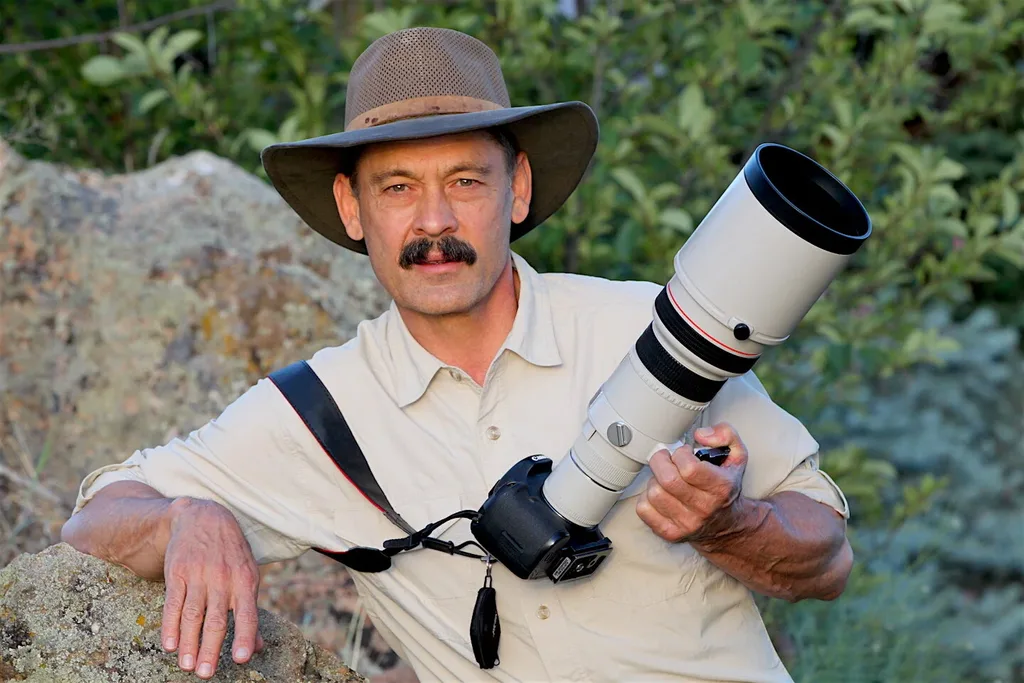
300–600mm+ — Super-telephoto (wildlife and astro). Birds in flight, distant animals, and the moon demand this range. These lenses are big, heavy, and expensive — wildlife shooters often call them “big white” lenses and mount them on sturdy tripods. A 1.4x teleconverter extends reach but costs you one stop of light; a 2x costs two stops and softens the image noticeably.
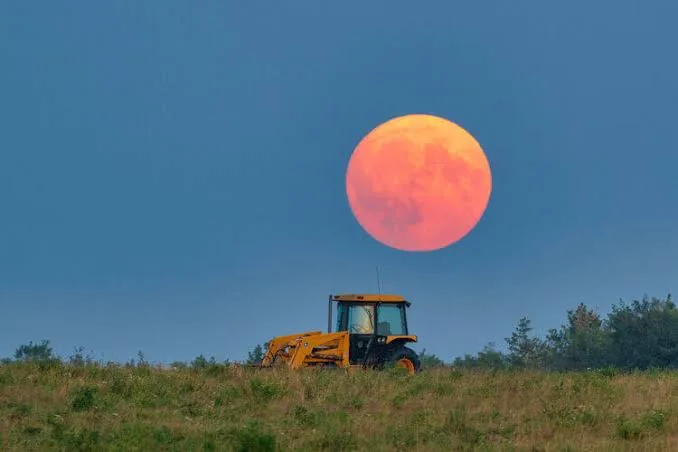
For the moon: you want at least 300mm, and 400–600mm is better. Use the Looney 11 rule as your starting point: aperture f/11, ISO 100, shutter speed 1/100s (or 1/your ISO). But at long focal lengths, camera shake beats you — at 400mm use 1/320s or faster and raise ISO to compensate. NASA’s lunar photography guide confirms the Looney 11 method. Always use a tripod and manual focus magnified on the craters.
What to Use a Telephoto Lens For
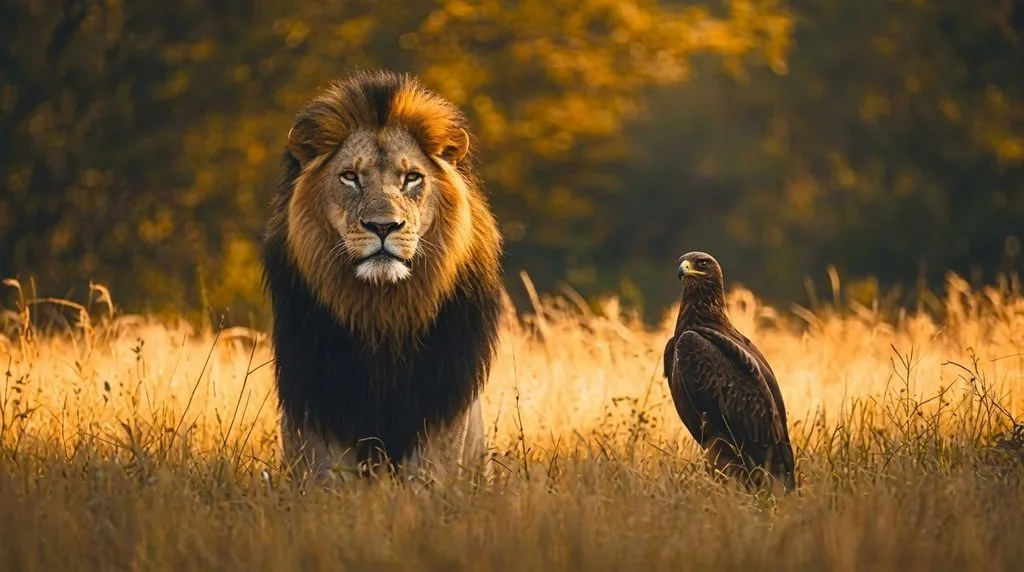
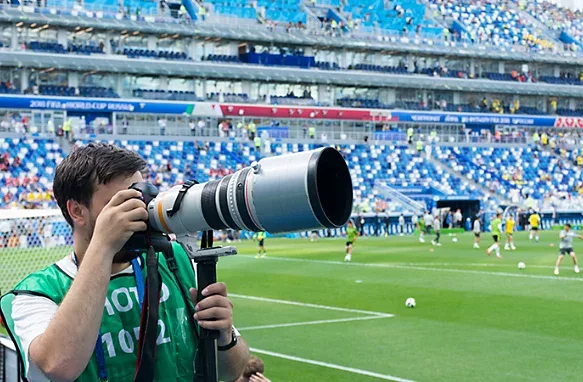
Wildlife and birds. A telephoto lets you photograph animals without disturbing them — a 400mm lens is the bare minimum for serious bird photography, and many shooters go to 600mm. Shoot from a blind or your car (which acts as a blind), use continuous autofocus with eye/animal detection, and keep your shutter speed at 1/1000s or faster for birds in flight. On hot days, wait for early morning or late evening — long lenses magnify heat shimmer, and a midday shot across a field will look soft no matter how good your focus is.
Sports and action. From the sidelines, a 70–200mm covers near plays and a 100–400mm covers the far end of the field. Anticipate where the action will go, pan with your subject, and shoot in burst mode. For a panning shot, switch to 1/60–1/250s and move the camera with the athlete — the subject stays sharp while the background streaks. Stadium light is dim, so do not be afraid to raise your ISO — a sharp, slightly grainy shot beats a blurry one every time.
Portraits. The 85–135mm range is flattering for faces. Stand back, shoot wide open at f/1.8–f/2.8, and the background dissolves. Good composition matters even more with a telephoto — because the background is compressed and magnified, a stray branch or bright window will jump out and ruin the shot.
| Focal length | Working distance (headshot) | Facial rendering | Best for |
|---|---|---|---|
| 85mm | ~2–3m | Mild, natural | Everyday portraits |
| 105mm | ~3–4m | Classic portrait look | Outdoor portraits |
| 135mm | ~4–6m | Strong, elegant compression | Beauty, headshots |
| 200mm+ | 8m+ | Maximum compression | Dramatic editorial |
Candids and events. A telephoto lets you capture genuine, unposed moments without putting a camera in someone’s face. That is why every event photographer carries a 70–200mm.
Landscape compression. Telephotos are not just for close-ups. Use 100–200mm to stack mountain layers, compress city skylines, or make the sun look huge behind a landmark.
Why Are My Telephoto Photos Blurry? Troubleshooting
Beginners buy a long lens, try it once, and decide it is soft. It almost never is. The real culprits are:
- Shutter speed too slow. Follow the reciprocal rule — and on a crop sensor, use the effective focal length. At 200mm on a 1.5x crop body, that is 300mm effective, so shoot 1/300s or faster. High-megapixel cameras may need double that.
- Wrong autofocus mode. For anything that moves, use continuous autofocus (AF-C / AI Servo) with subject tracking, not single-shot AF. Set up back-button focus so you can track without refocusing.
- Heat shimmer and atmospheric haze. At 400mm+, you are shooting through a lot of air. On warm days, distant subjects will look soft. Shoot in cool morning or evening light.
- Shallow depth of field. At 200mm f/2.8, your depth of field can be centimeters. A slight focus shift to the ear instead of the eye looks like a soft lens. Focus on the nearest eye.
- Tripod or technique. If handholding, tuck your elbows in, brace against something, and squeeze the shutter gently. Anything 300mm+ really wants a tripod or monopod.
Camera Settings and Pro Tips for Sharp Telephoto Shots
Long lenses magnify every mistake — including camera shake. Use these rules to keep your shots sharp:
- Shutter speed first. At least 1/(effective focal length). Raise ISO or open the aperture to get there.
- Use a tripod or monopod. Anything 300mm and up benefits from support. For sports, a monopod gives you mobility plus stability.
- Turn on image stabilization. IS or VR buys you 2–4 stops of hand-holdability — but it does not freeze a moving subject.
- Continuous autofocus + back-button focus. For action, separate focusing from the shutter button.
- Stop down slightly. Most lenses are sharpest one or two stops from wide open — f/4 on an f/2.8 lens, f/5.6 on an f/4 lens.
- Watch your backgrounds. Telephotos compress and magnify distractions. Check the corners before you press the shutter.
- Raise your ISO. Modern cameras handle noise beautifully. A sharp ISO 3200 shot beats a blurry ISO 100 shot.
After the shoot, your telephoto portraits will still benefit from a light portrait retouching pass and consistent color grading — the lens gets you 90% there, and editing closes the gap. If you edit in batches, a reliable photo editing guide will keep your telephoto work consistent.
When NOT to Use a Telephoto Lens
A telephoto is not always the answer. Reach for something wider when:
- You want environmental context. A 35mm or 50mm tells more of a subject’s story by including the room or landscape.
- You are in tight spaces. A 70–200mm needs room to back up. Indoors, you will often be too close to focus.
- You want intimate, close-up candids. A wide lens in close creates a different, more present energy than a long lens from across the room.
- You need deep depth of field. Telephotos at wide apertures give you razor-thin focus; for groups and landscapes, stop down or go wider.
Telephoto Ethics: Reach Comes With Responsibility
Because a telephoto lens can see into spaces the naked eye cannot, it raises real privacy questions. The keyword “telephoto voyeur” exists for a reason, and the line is clear: photographing people in public spaces is generally allowed, but aiming a telephoto into someone’s home, bathroom, bedroom, or changing room is not — and in many places it is a crime. Upskirting and hidden-camera photography are felonies in most jurisdictions. As a simple rule, if your subject has a reasonable expectation of privacy, put the lens down. For editorial and art use, consent and context matter; for commercial use, you need a model release. Tamron’s what is a telephoto lens guide covers the creative side, but the ethical side is on you.
How to Choose Your First Telephoto Lens
For most beginners, one of these three will cover everything:
- Budget ($250–$550): A 55–250mm, 70–300mm, or Canon RF 75–300mm. Cheap, light, perfect for learning. Expect slower apertures (f/4–5.6).
- Best value ($700–$1,200): A 70–200mm f/4 or a 100–400mm (Sigma, Tamron, or Canon RF). The 70–200 f/4 is the professional’s lightweight workhorse; the 100–400 is the wildlife and sports hobbyist’s dream.
- Pro ($1,800+): A 70–200mm f/2.8. Heavy and expensive, but the most versatile single telephoto you can own for sports, events, and low-light portraits.
If you shoot mostly wildlife or birds, skip straight to 100–400mm or 150–600mm. For portraits only, an 85mm f/1.8 prime is cheap and stunning.
Frequently Asked Questions
What is a telephoto lens used for?
Wildlife, sports, portraits, events, candid photography, the moon, and compressed landscape scenes. Any time you cannot get close to your subject, or you want a flattened, creamy-background look, a telephoto is the answer.
What focal length counts as telephoto?
On full-frame, roughly 70mm and up (some define it at 80mm+). 70–135mm is short telephoto (portraits), 135–300mm is standard (sports), and 300mm+ is super-telephoto (wildlife, moon). On crop sensors, multiply by 1.5–1.6x.
Is a telephoto lens the same as a zoom lens?
No. Zoom means the focal length is variable; telephoto means the focal length is long. A 70–200mm is both. A 135mm prime is telephoto but not zoom. A 24–70mm is zoom but not telephoto.
What does the telephoto lens do?
It magnifies distant subjects, compresses perspective so foreground and background appear closer, and produces shallow depth of field that blurs backgrounds — three effects you cannot get with a normal or wide lens.
Do I need image stabilization on a telephoto?
It helps a lot for handheld shooting, but it does not freeze moving subjects. For sports and wildlife, fast shutter speed and continuous autofocus matter more.
What is the best first telephoto lens?
For beginners, a 55–250mm or 70–300mm is the cheapest way to learn. If you can spend more, a 70–200mm f/4 or a 100–400mm is the most versatile upgrade.
Why are my telephoto photos not sharp?
Usually one of four things: shutter speed too slow (use 1/effective focal length), wrong autofocus mode (use AF-C for action), heat shimmer on long-distance shots, or shallow depth of field missing the eye.
Is it illegal to use a telephoto lens on people?
Photographing people in public is generally legal, but aiming a telephoto into private spaces — homes, bathrooms, changing rooms — is illegal in most places, and upskirting is a felony. Always respect a reasonable expectation of privacy.
Final Verdict
Every photographer outgrows their kit lens eventually, and the telephoto is usually the second lens they buy. It opens up entire genres — wildlife, sports, candid portraits — that are impossible without reach, and it gives you the compressed, dreamy look that defines professional portrait work. Start with a cheap 70–300mm to learn, master the reciprocal-shutter rule and continuous autofocus, watch out for heat shimmer, and upgrade to a 70–200mm f/4 or 100–400mm when you know you will carry it. And remember: with great reach comes great responsibility — use it to bring the world closer, not to invade it.