

Is KB Bigger Than MB? A Plain-English Guide to KB vs MB and KB to MB Conversion
October 13, 2026
Photojournalism Editing: Rules, Workflow & Ethics Explained
October 14, 2026
- TL;DR: The Short Answer
- The Best Travel Cameras at a Glance (2026)
- How to Choose: The 5 Questions That Matter
- Best All-Round Travel Camera: Fujifilm X100VI
- Best Pocketable Camera: Ricoh GR IV (and Sony RX100 VII for Zoom)
- Best Mirrorless for Travel: Sony a6700 (APS-C) and Sony A7C II (Full-Frame)
- Best for Hiking and Bad Weather: OM System OM-5 II / OM-3
- Best for Safari and Wildlife: Sony RX10 IV Superzoom
- Best for Beach and Adventure: OM System TG-7
- Best for Vlog and Travel Video: DJI Osmo Pocket 3
- Phone vs Dedicated Camera: When It's Worth Upgrading
- Travel Camera Accessories Worth the Weight
- Editing Your Travel Photos: Quick Workflow
- 5 Common Travel Camera Mistakes
- Frequently Asked Questions
- Final Verdict
TL;DR: The Short Answer
The best travel camera is the one you actually carry — a heavy full-frame kit that stays in your hotel room loses to a compact in your pocket every time. For most travelers in 2026, the Fujifilm X100VI is the top all-round pick: a 40.2MP APS-C sensor, a sharp fixed 35mm-equivalent f/2 lens, 6-stop in-body stabilization, and classic rangefinder styling at 521g. If you want a true pocket camera, the Ricoh GR IV (262g, APS-C, fixed wide lens) is unbeatable for street and travel stills. If you need zoom in a pocket, the Sony RX100 VII (24–200mm, 302g) is the standard. For interchangeable-lens quality, the Sony a6700 (APS-C) and Sony A7C II (full-frame, 514g) lead their classes. For safari and wildlife, the Sony RX10 IV (24–600mm in one sealed body) still rules, and for adventure/beach, the OM System TG-7 is waterproof to 15m. This guide picks the best camera by trip type, explains the buying criteria, settles the phone-vs-camera debate, and includes accessories and editing tips. DPReview’s best cameras for travel buying guide and Amateur Photographer’s best compact camera roundup both confirm these categories.
The Best Travel Cameras at a Glance (2026)
| Trip type | Best pick | Sensor | Weight | Why it wins |
|---|---|---|---|---|
| All-round / city break | Fujifilm X100VI | 40.2MP APS-C | 521g | Fixed 35mm f/2, IBIS, film simulations, hybrid viewfinder |
| Pocketable / street | Ricoh GR IV | 26MP APS-C | ~262g | Smallest APS-C camera, snap focus, discreet |
| Pocket zoom | Sony RX100 VII | 20MP 1-inch | 302g | 24–200mm zoom, fast AF, tiny |
| APS-C mirrorless | Sony a6700 | 26MP APS-C | 493g | AI AF, 4K, great 18–135mm travel zoom |
| Full-frame mirrorless | Sony A7C II | 33MP FF | 514g | Smallest full-frame, 7-stop IBIS, AI AF |
| Hiking / bad weather | OM System OM-5 II / OM-3 | 20MP MFT | ~366–450g | Weather-sealed, tiny lenses, best IBIS |
| Safari / wildlife | Sony RX10 IV | 20MP 1-inch | 1095g | 24–600mm f/2.4–4, no lens swapping |
| Beach / adventure | OM System TG-7 | 12MP 1/2.3″ | 250g | Waterproof 15m, shockproof, no housing needed |
| Vlog / video | DJI Osmo Pocket 3 | 1-inch gimbal | 179g | 3-axis gimbal, 4K, fits in a pocket |
| Budget mirrorless | Canon EOS R50 | 24MP APS-C | 375g | Small, cheap, beginner-friendly |
How to Choose: The 5 Questions That Matter
Before comparing specs, answer these — they will eliminate 80% of the options.
- Will you carry it all day? Weight is the #1 predictor of whether a camera gets used. A 500g compact beats a 1.5kg full-frame kit left at the hotel.
- Do you need zoom? City and street work fine with a fixed 35mm. Safari, wildlife, and candid portraits demand 200mm+.
- Do you shoot in low light? Bars, markets, blue hour, and interiors favor a larger sensor (APS-C or full-frame) and a fast lens.
- Will you face rain, dust, or sea? Weather sealing matters more than megapixels on a hiking or beach trip.
- What’s your budget? Travel cameras span $500 to $4,000. A used or refurbished body from MPB’s compact travel camera guide often delivers 90% of the performance at half the price.
Best All-Round Travel Camera: Fujifilm X100VI
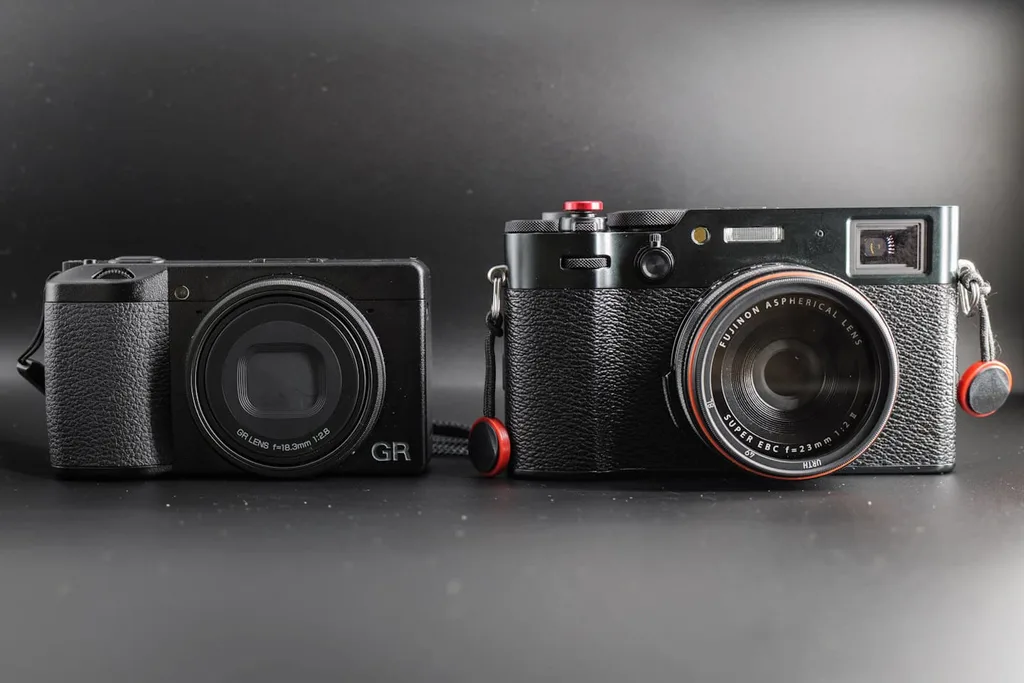
The Fujifilm X100VI is the camera most travel photographers want in 2026, and for good reason. It packs a 40.2MP APS-C X-Trans sensor, a fixed 35mm-equivalent f/2 lens, 6 stops of in-body stabilization, and a hybrid optical/electronic viewfinder into a retro body that weighs just 521g. Fujifilm’s film simulations (Classic Chrome, Provia, Velvia) produce JPEGs that look finished straight out of camera — a huge advantage when you want to post from the road without editing. The fixed 35mm lens forces good composition and keeps the camera small, but it cannot zoom, so wildlife and distant details are out of reach. If you shoot mostly streets, cafes, architecture, and travel portraits, this is the one. If you need zoom, look at the Sony RX100 VII or a mirrorless with a travel zoom.
Best Pocketable Camera: Ricoh GR IV (and Sony RX100 VII for Zoom)
If “pocketable” is non-negotiable, two cameras dominate. The Ricoh GR IV is the smallest APS-C camera on the market at roughly 262g, with a fixed wide lens (28mm or 40mm equivalent, depending on model) and a legendary “snap focus” system that lets you pre-set focus distance and shoot instantly — perfect for street photography. It has no viewfinder, modest battery life, and no zoom, but it is the camera you will actually take everywhere.
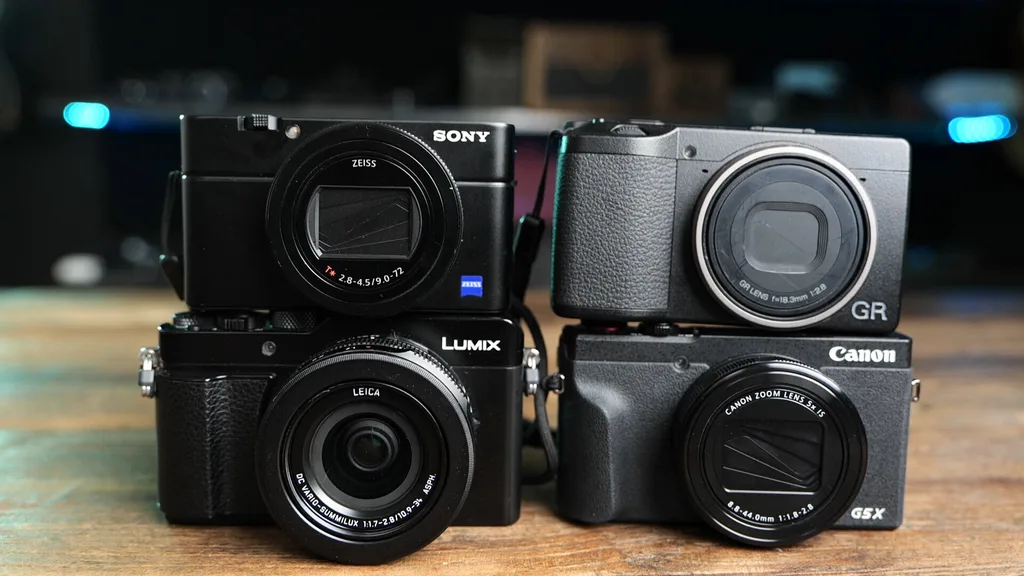
The Sony RX100 VII trades a smaller 1-inch sensor for a versatile 24–200mm Zeiss zoom in a 302g body that fits in a jeans pocket. Its autofocus is borrowed from Sony’s pro sports cameras, and it shoots 24fps bursts. For a traveler who wants one camera for landscapes, portraits, and distant details without changing lenses, it is the most versatile pocket option. Image quality lags behind APS-C in low light, but the zoom reach makes up for it on the road.
Best Mirrorless for Travel: Sony a6700 (APS-C) and Sony A7C II (Full-Frame)
If you want to swap lenses, mirrorless is the only sensible choice for travel — DSLRs are heavier and largely obsolete for this use case.
Sony a6700 is the best APS-C travel body: 26MP, AI-based autofocus that locks onto people, animals, birds, and vehicles, 4K video, and a compact 493g body. Pair it with the Sony E 18–135mm (27–202mm equivalent) and you have one lens that covers wide landscapes to distant portraits with no swapping. For Fujifilm shooters, the X-T50, X-S20, and X-E5 deliver similar size with Fujifilm’s color science. The Canon EOS R50 is the budget pick at under $700 — small, simple, and great for beginners.
Sony A7C II is the best full-frame travel camera: a 33MP full-frame sensor, 7-stop IBIS, and Sony’s AI autofocus in a 514g body — barely larger than the APS-C a6700. Full-frame gives cleaner high-ISO images, shallower depth of field for portraits, and better dynamic range for high-contrast landscapes. Pair it with the compact 28–60mm kit zoom or a small prime. The Canon EOS R8 is the value full-frame option, and the Nikon Zf is the stylish retro full-frame choice. Our what is a telephoto lens guide explains when a long lens is worth the weight on a trip.
Best for Hiking and Bad Weather: OM System OM-5 II / OM-3
Micro Four Thirds cameras are smaller than they look on a spec sheet, because their lenses are tiny. The OM System OM-5 Mark II and OM-3 are weather-sealed, weigh under 450g, and offer the best in-body stabilization in the industry (up to 7.5 stops — handheld night shots without a tripod). MFT lenses like the 12–100mm f/4 (24–200mm equivalent) cover every travel focal length in a package that weighs less than one full-frame lens. The smaller sensor limits low-light performance and background blur, but for hiking, rain, and all-day carry, it is the most practical system. For landscape bracketing and HDR scenes, our what is HDR guide covers when to blend exposures.
Best for Safari and Wildlife: Sony RX10 IV Superzoom
On safari, swapping lenses is risky (dust, missed moments) and a 600mm lens is heavy. The Sony RX10 IV solves both: a fixed 24–600mm f/2.4–4 Zeiss zoom, a fast 1-inch stacked sensor, 315-point phase-detection autofocus, and 24fps burst in one weather-sealed 1095g body. It is discontinued but widely available new and used, and it remains the benchmark all-in-one wildlife travel camera. For even more reach, the Nikon Coolpix P1000 offers a 125x (24–3000mm) zoom at the cost of image quality. If you want interchangeable lenses, a Fujifilm X-T50 with the 70–300mm (105–450mm equivalent) is a lighter alternative.
Best for Beach and Adventure: OM System TG-7
The OM System Tough TG-7 is waterproof to 15m without a housing, shockproof from 2.1m, dustproof, and freezeproof. It has a bright f/2 lens, 4x zoom, and a microscope macro mode that focuses to 1cm — great for coral, tide pools, and detail shots. It will not match a mirrorless for image quality, but on a snorkeling trip, desert trek, or ski tour, it is the camera that survives when everything else stays in the bag. Pair it with a GoPro Hero or Insta360 Ace Pro for action video, and you have a complete adventure kit.
Best for Vlog and Travel Video: DJI Osmo Pocket 3
If video is half the reason you travel, the DJI Osmo Pocket 3 is the most useful tool you can buy: a 1-inch sensor, a 3-axis mechanical gimbal, 4K/120p video, and a flip screen in a 179g wand that fits in a pocket. It stabilizes handheld walking shots better than any camera with a lens-based system. For hybrid stills+video, the Canon PowerShot V1 and Fujifilm X-M5 are strong compact creator options.
Phone vs Dedicated Camera: When It’s Worth Upgrading
Modern phones (iPhone 15/16 Pro, Google Pixel 8/9, Samsung S24 Ultra) take stunning travel photos in good light, with computational HDR, night mode, and 5x periscope zoom. A dedicated camera still wins when:
- You shoot in low light (bars, temples, blue hour) — larger sensors and fast lenses beat computational photography at the extremes.
- You want background blur and natural-looking portraits — phones fake it with software.
- You need long zoom (200mm+) for wildlife — phone digital zoom crops and softens.
- You want RAW files and full editing control.
- Battery and storage matter less — a camera has a dedicated battery and doesn’t drain your phone.
If you mostly shoot in daylight and post to Instagram, your phone may be enough. If you want to print, sell, or take photography seriously, even a $500 used compact will outperform a phone. Our composition photography principles apply regardless of which camera you choose.
Travel Camera Accessories Worth the Weight
- One spare battery (two for mirrorless) — power outlets are scarce on long travel days.
- USB-C power bank — most 2026 cameras charge over USB-C, so one cable charges phone, camera, and headphones.
- 64GB+ UHS-II SD card (or two smaller cards — never keep all your photos on one card).
- Compact travel tripod (Joby GorillaPod or a 1kg carbon fiber tripod) — for night shots and self-timer group photos.
- Lens blower and microfiber cloth — dust is the #1 cause of ruined travel photos.
- Small camera bag or cross-body strap — security and quick access matter more than brand.
Editing Your Travel Photos: Quick Workflow
Great travel photos are made in the field and finished at home. Keep it simple: back up to two cards/drives while traveling, cull ruthlessly, then adjust exposure, white balance, and a gentle crop. For landscapes, a touch of color grading can unify a trip’s look; for street shots, a mild black-and-white conversion often beats color. Avoid over-saturating travel blues and greens — they look fake fast. Our photo editing guide walks the full post-production pipeline.
5 Common Travel Camera Mistakes
- Buying more camera than you will carry. Weight matters more than specs.
- Bringing three lenses and using one. A single 18–135mm or 24–200mm travel zoom beats a heavy bag of primes you never swap.
- Forgetting to charge batteries or back up cards. One failed card can erase a whole trip.
- Shooting only JPEG. RAW gives you recovery room for high-contrast travel scenes.
- Over-editing. Heavy HDR and saturation ruin travel photos — keep it natural.
Frequently Asked Questions
What is the best travel camera in 2026?
For most people, the Fujifilm X100VI — a 40.2MP APS-C compact with a fixed 35mm f/2 lens, 6-stop stabilization, and film simulations, at 521g. If you need zoom, the Sony RX100 VII (24–200mm, pocketable) or Sony a6700 with an 18–135mm lens are the top picks.
What camera do most travel photographers use?
Professionals favor the Sony A7C II or A7 IV for full-frame quality in a small body, the Fujifilm X-T5/X100VI for APS-C color and style, and the Ricoh GR for discreet street work. Many carry a phone as a second camera.
Is a travel camera better than a phone?
In good light, modern phones are excellent. A dedicated camera wins in low light, for long zoom (wildlife), for natural background blur, and for RAW editing control. If you only post to social media in daylight, your phone may be enough.
What is the best compact camera for travel?
The Fujifilm X100VI is the best premium compact overall. The Ricoh GR IV is the most pocketable APS-C camera, and the Sony RX100 VII is the best pocketable zoom.
What is the best budget travel camera?
The Canon EOS R50 (under $700) is the best budget mirrorless, and the Sony ZV-1 II or a used Sony RX100 V/VI is the best budget compact. Used bodies from MPB often deliver 90% of performance at half the price.
What camera is best for safari travel?
The Sony RX10 IV with its fixed 24–600mm zoom is the classic safari all-in-one. For interchangeable lenses, a Canon R7 or Fujifilm X-T50 with a 70–300mm lens gives more reach with less weight than full-frame.
How many megapixels do I need for travel?
20–26MP is plenty for social media and large prints. 40MP+ (Fujifilm X100VI, X-T5) gives more cropping room for distant subjects, but files are larger. Sensor size and lens quality matter more than megapixels.
Do I need weather sealing on a travel camera?
If you hike, ski, go to the beach, or travel in the tropics, yes — dust and moisture are the top killers of travel cameras. The OM System OM-5 II/OM-3 and Sony a6700/A7C II are sealed; many budget compacts are not.
Final Verdict
The best travel camera is the one that comes home with photos — so choose by your trip, not by the spec sheet. City breaks and street photography favor the Fujifilm X100VI or Ricoh GR IV. General travel with zoom needs the Sony RX100 VII or a Sony a6700 with an 18–135mm lens. Full-frame quality in a small body is the Sony A7C II. Safari demands the Sony RX10 IV’s 600mm reach. Beach and adventure need the OM System TG-7. Pick one, learn it well, back up your photos, and you will come home with images worth keeping.