

Best Point and Shoot Digital Camera in 2026: Top 9 Picks
June 16, 2026
What Is a Transparent Background?
June 18, 2026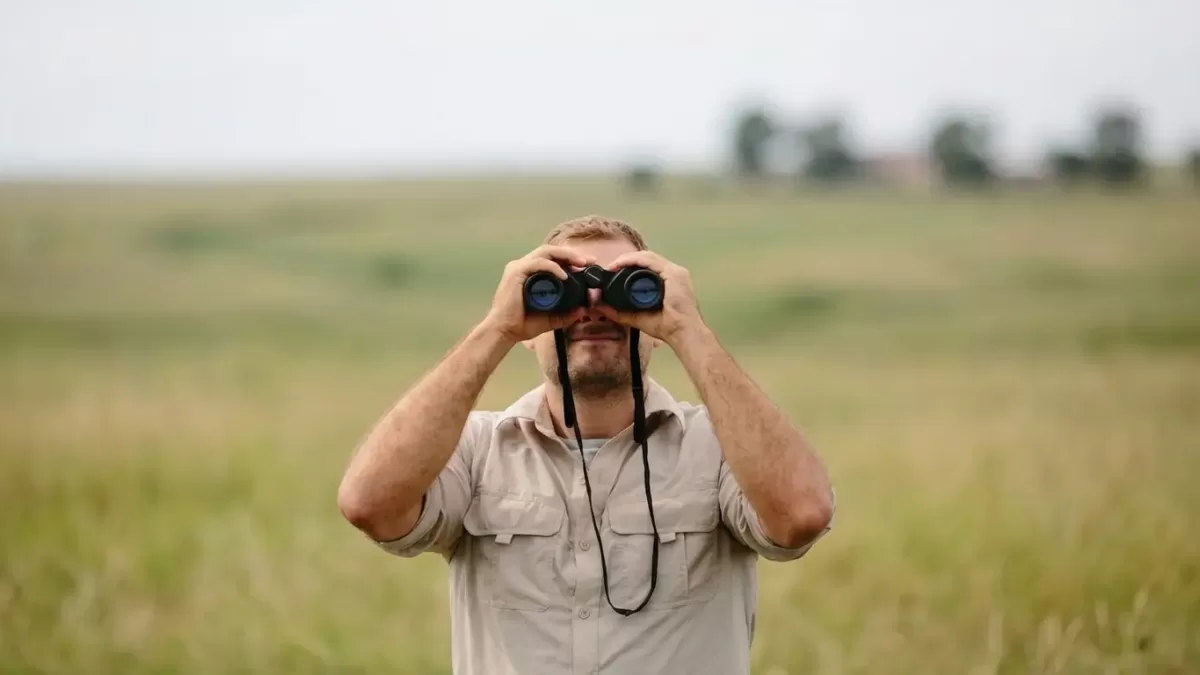
For decades, birders, hunters, and travelers faced the same frustrating problem. You spot something extraordinary through your binoculars — a rare warbler at the edge of a marsh, a mountain lion across a canyon, a striker scoring from row 47 — and the moment vanishes the second you lower the optics. Phones can’t reach that far. Long telephoto lenses cost a fortune and weigh a ton.
Binoculars with camera capability solve that gap. These hybrid devices marry traditional magnification with a built-in digital sensor, letting you observe and record in a single motion. The category has matured remarkably in 2026 — early models took blurry 2-megapixel snapshots, while newer ones shoot 48MP stills, 2.5K and even 4K video, and overlay AI species recognition right inside the eyepiece.
Camera binoculars now sit in a fast-growing niche between optics, action cameras, and smart devices. They appeal to birders, hunters, sports fans, security pros, travelers, and content creators who want one tool that observes and records at the same time. This guide walks you through every angle of the decision — specifications that actually matter, the best models on the market, real-world use cases, and the photography skills you need to make the captures look great.
Capturing wildlife or sports through your new camera binoculars? Let our experts polish those shots with our professional photo retouching service — natural-looking results, fast turnaround.
- What Exactly Are Binoculars With a Built-In Camera?
- Why Choose Binoculars With a Camera Over a Telephoto Lens?
- How to Choose: The Specs That Actually Matter
- Best Binoculars With Camera in 2026 — Our Top 10 Picks
- Quick Comparison Table
- Night Vision and Thermal Binocular Cameras: A Special Category
- Who Should Buy a Binocular With Camera?
- Field Tips: How to Get Better Shots Through Camera Binoculars
- Real-World Use Cases
- Post-Processing: Where Average Shots Become Great
- Binoculars With Camera vs. Other Options
- Action Cameras vs. Camera Binoculars — A Quick Cross-Reference
- Common Mistakes Buyers Make
- Image-Stabilization, Tripods, and Mounts
- A Note on Ethics and Privacy
- How Much Should You Spend?
- Maintenance: Make Your Binoculars Last a Decade
- Frequently Asked Questions (FAQ)
- Final Thoughts and Verdict
What Exactly Are Binoculars With a Built-In Camera?
A binocular with a camera is a hybrid optical instrument that pairs two refractive telescopes (the standard binocular setup) with an integrated digital image sensor. Press a shutter button and the device captures a still photo or video of whatever you’re viewing — no separate camera required.
Most modern units share a familiar architecture:
- Two viewing barrels with traditional eyepieces, prisms, and objective lenses
- A sensor module mounted between or behind the barrels, sharing the optical path or sitting alongside it
- A small LCD screen (usually 2.0″ to 3.2″) for image review and live framing
- A microSD card slot for storing photos and video (typically supporting up to 32 GB or 64 GB)
- A rechargeable lithium-ion battery delivering two to four hours of continuous recording
Importantly, the camera in most affordable models operates as a separate optical path from your eyepieces. Your eyes look through the binocular glass, while the camera sensor records through its own small lens. Premium models like the Swarovski AX Visio share the optical path more cleverly so the image you see is the image you capture.
The result is part observation tool, part camera — without the hassle of digiscoping (awkwardly holding a phone over an eyepiece). According to the Audubon Guide to Binoculars, the two key numbers on any binocular — magnification and objective lens diameter — still matter most for image quality, even when a camera is attached.
Why Choose Binoculars With a Camera Over a Telephoto Lens?
Photographers often ask whether a superzoom camera or a long telephoto lens would do the job better. Both have legitimate strengths, but binocular cameras solve problems neither can:
- You see and shoot through the same device. No swapping gear when a subject appears.
- They cost a fraction of pro telephoto setups. A 600mm lens easily passes $10,000.
- They weigh dramatically less. Most camera binos sit between 450 g and 1.1 kg.
- They double as everyday optics. Birding, sports, concerts, hikes — one tool covers all.
- They keep both eyes engaged. Traditional binocular viewing reduces fatigue and improves depth perception.
If you’re curious about how the broader history of optics and cameras led to this hybrid category, the journey from the camera obscura to modern AI-powered binoculars is genuinely fascinating. For travelers and casual photographers, a separate action cam may complement them nicely; you can also explore options in this guide to the best budget action cameras for additional context on compact recording gear.
How to Choose: The Specs That Actually Matter
Spec sheets for camera binoculars look intimidating because they combine optical and digital terminology. Here’s what each number actually does for you — in plain English.
Magnification (the first number, e.g. 10×32)
The first digit tells you how many times closer a subject appears. A 10x model makes objects look ten times nearer than the naked eye perceives them.
- 8x to 10x: The sweet spot for general use, birding, sports, and concerts. Wide field of view, easy to hold steady.
- 12x to 16x: Great reach for distant wildlife or hunting, but harder to hold without shake.
- Above 16x: Best on a tripod; otherwise your video will jitter.
Objective Lens Diameter (the second number)
This figure, measured in millimeters, describes the front lens diameter. Larger lenses gather more light, which translates to brighter images in low-light conditions.
- 25–32mm: Compact, light, good in daylight.
- 42–50mm: More light gathered, better for dawn, dusk, dense forest, and night-vision binoculars.
Camera Resolution
Camera resolution is where marketing claims and reality often diverge. Optical clarity matters more than sensor megapixel counts.
- 5MP stills / 1080p video: Entry-level. Fine for record shots and social sharing.
- 12–13MP stills / 1080p–2.5K video: Mid-range. Usable for blog posts and prints up to 8×10.
- 20MP+ stills / 4K video: Pro-tier. Worth it only if the sensor and lens can keep up.
Sensor Size
Megapixels mean nothing without sensor size. A larger sensor captures more light, more dynamic range, and cleaner low-light frames.
Field of View
Measured in meters at 1,000 m distance, this tells you how wide a scene you can see at once. Wider is better for tracking moving subjects; narrower means more magnification but harder framing.
Prism Type
Most modern binoculars use one of two prism designs:
- Roof prisms — slim, lightweight, more durable, more expensive to manufacture
- Porro prisms — wider body, often better depth perception, generally more affordable
Storage and Battery
- Look for microSD support up to 64GB or 128GB.
- Aim for 3+ hours of recording and USB-C charging.
- If you’re unsure how much footage a card holds, this breakdown of how many photos fit on 32GB to 256GB cards is a handy reference.
Stabilization, Build, and Extras
- Image stabilization (optical or electronic) saves shaky footage.
- Waterproofing (IPX4 and up) matters for outdoors.
- Bluetooth and Wi-Fi let you transfer files to your phone.
- AI bird ID, GPS, rangefinder, night vision, thermal imaging are the new high-end frontier.
Best Binoculars With Camera in 2026 — Our Top 10 Picks
I’ve grouped picks by use case so you can jump straight to what fits your style.
1. Swarovski Optik AX Visio 10×32 — Best Overall (Premium)
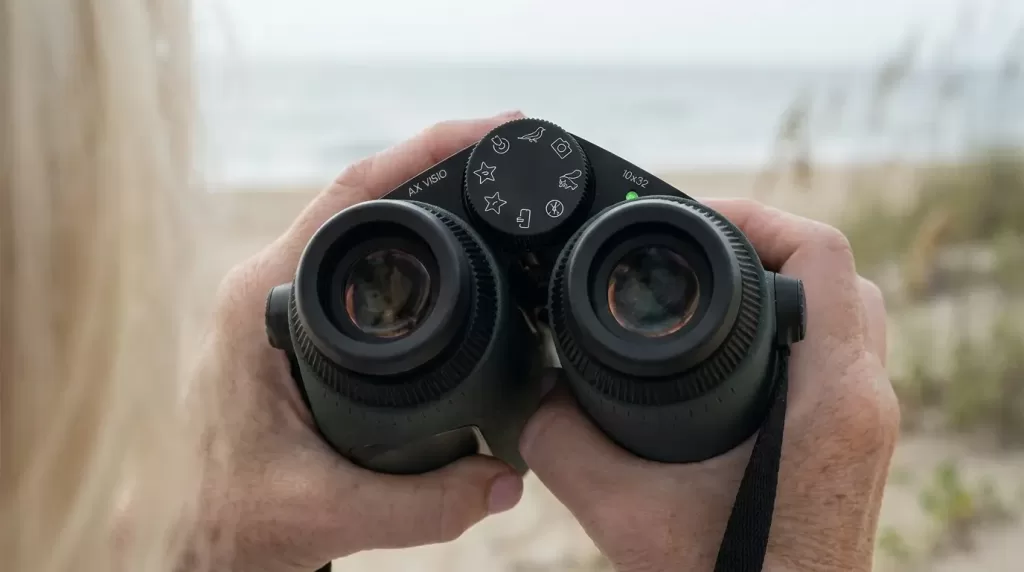
The Swarovski AX Visio earns its reputation as the most ambitious binocular ever built. Austrian optics maker Swarovski Optik crammed a 13 MP sensor, full-HD video, GPS, compass, and an onboard AI engine trained on roughly 9,000 bird and mammal species into a 10×32 frame. It is the world’s first AI smart binocular, with image recognition overlaid in your view.
Key specs
- Magnification: 10x | Objective: 32mm
- Camera: 13MP stills, 1080p video
- Battery: 3,000mAh, ~4 hours
- Weight: ~1,090g
- Companion smartphone app for playback and sharing
Strengths
- Tack-sharp Swarovski optics
- AI overlay identifies wildlife in seconds
- Premium build that lasts decades
Drawbacks
- Price is steep (north of $4,500)
- Heavier than most camera binoculars
- Needs a phone for full playback
PetaPixel’s deep-dive review confirms the AI is impressive but not infallible — expect the occasional misidentification on uncommon species.
Best for: Serious birders, hunters, and anyone who treats optics as a lifelong tool.
2. Canon PowerShot Zoom — Best Compact Hybrid
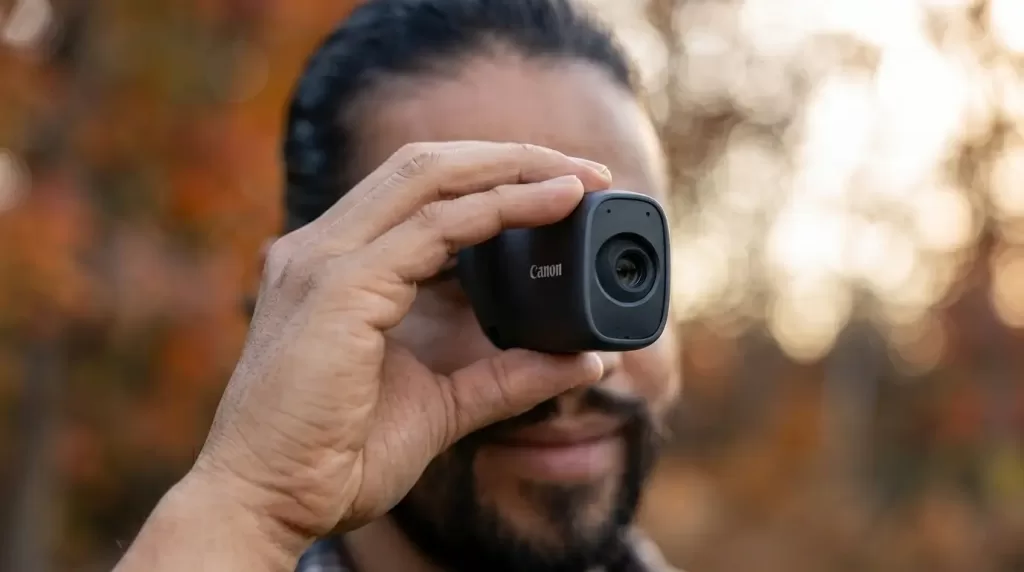
Not a true binocular but worth mentioning, the Canon PowerShot Zoom is a pocket monocular with shutter functionality. Birders frequently recommend it as a documentation tool when you want photo evidence of a sighting more than gallery-worthy images.
Key specs
- Effective focal length: 100mm / 400mm / 800mm equivalent
- Sensor: 12.1 MP CMOS
- Video: 1080p at 30 fps
- Weight: 145 g
Best for: Ultralight travelers, hikers, and concert-goers.
3. Camonity 12×32 Digital Binoculars — Best Budget Pick
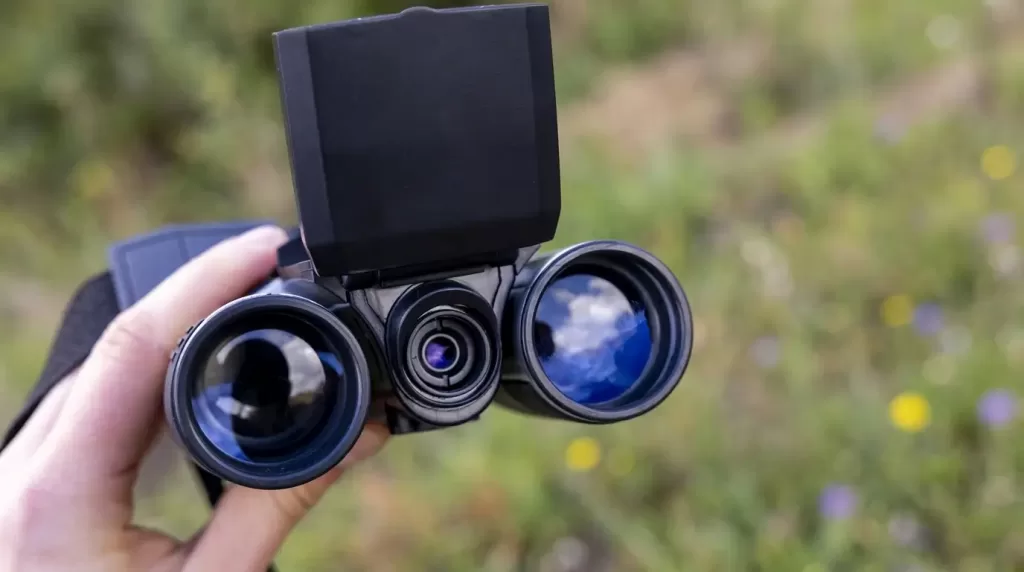
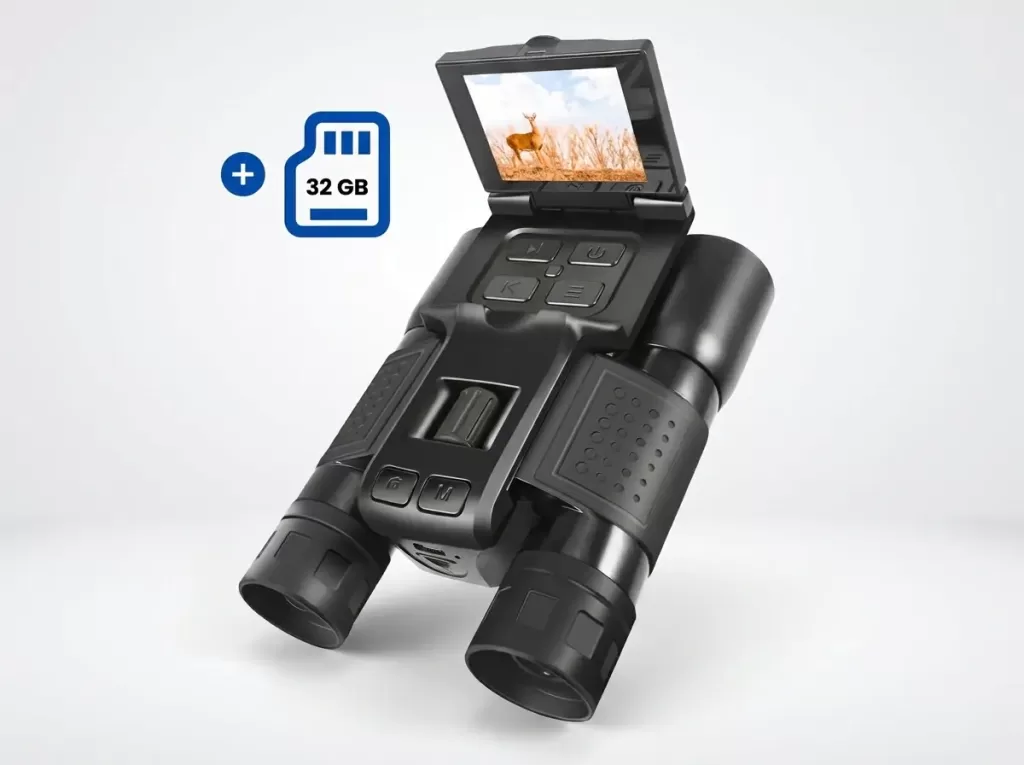
A featherweight, plastic-bodied unit (~450g) that sells under several names (Camonity, Dreamy, Ansee, Acuvar). It uses an unusual flip-up 2-inch LCD on the top plate instead of an in-eyepiece viewfinder.
Key specs
- Magnification: 12x | Objective: 32mm
- Camera: 5MP stills, 1080p video
- Storage: microSD up to 32GB
Strengths
- Very affordable
- Light enough for kids and travel
- 12x reach for the price
Drawbacks
- Image quality below a modern smartphone
- No night vision
- Mixed accessory contents depending on seller
Best for: First-time buyers, casual sports fans, school field trips, and gift-buying.
Bringing back hundreds of wildlife shots? Make every subject pop with our professional background removal service — crisp edges, zero halos.
4. ATN BinoX 4K 4–16× — Best Smart Day/Night Pick
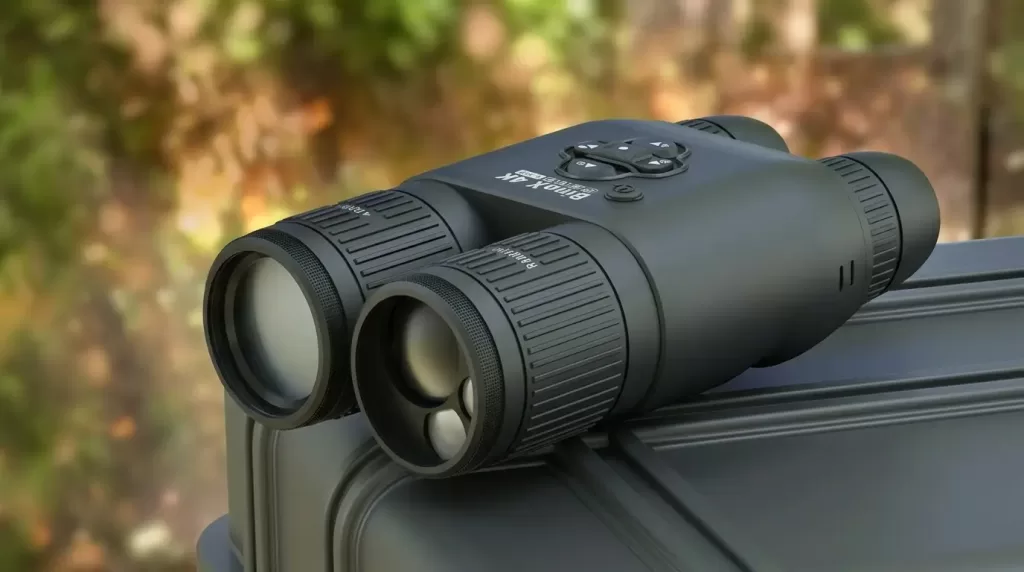
The ATN BinoX 4K packs HD day and night modes, a rangefinder, Wi-Fi streaming, GPS, e-compass, and dual-stream video into one rugged unit. The continuous 4–16x zoom plus 18+ hour battery make it a favorite of long-day hunters.
Key specs
- Magnification: 4–16x | Objective: 40mm
- Camera: Ultra-HD recording, IR night vision
- Battery: 18+ hours
- Weight: ~2.5 lbs
Strengths
- Day and night use in one body
- Onboard ballistic calculator and rangefinder
- Streams video to a phone
Drawbacks
- Heavy compared to optical binoculars
- Steeper learning curve
Best for: Hunters, ranchers, security teams, and night-active wildlife observers.
5. Bushnell ImageView 8×30 SyncFocus — Best Mid-Range Classic
Bushnell’s SyncFocus line keeps showing up because it works. The eyepiece focus and camera focus move together (the “sync” part), so your photo matches what you actually see.
Key specs
- Magnification: 8x | Objective: 30mm
- Camera: 5MP stills, 720p video
- Roof-prism build
Strengths
- Reliable optics from a heritage brand
- Synced focus eliminates a common pain point
- Lightweight and quick to learn
Drawbacks
- Video resolution is dated
- No Wi-Fi or app
Best for: Birding hobbyists who want a no-fuss, proven design.
6. 48MP 2.5K 12×32 Digital Binoculars — Best Value in Resolution
This new wave of generically branded but well-specced binoculars (sold widely on Amazon) brings 48MP stills and 2.5K video to under-$200 territory. They include a 2.4-inch IPS LCD, 8x digital zoom on top of 12x optical, and a 32GB card.
Key specs
- Magnification: 12x optical + 8x digital | Objective: 32mm
- Camera: 48MP photos, 2.5K video
- 2.4-inch IPS display
- Storage: 32GB included
Strengths
- Highest resolution at this price
- Big screen makes shooting easy
- Decent battery life
Drawbacks
- Megapixels can be over-stated
- Plastic body
- No weatherproofing
Best for: Travel vloggers, concert-goers, and budget content creators.
7. WildGuarder WG30 — Best for Bird Photography
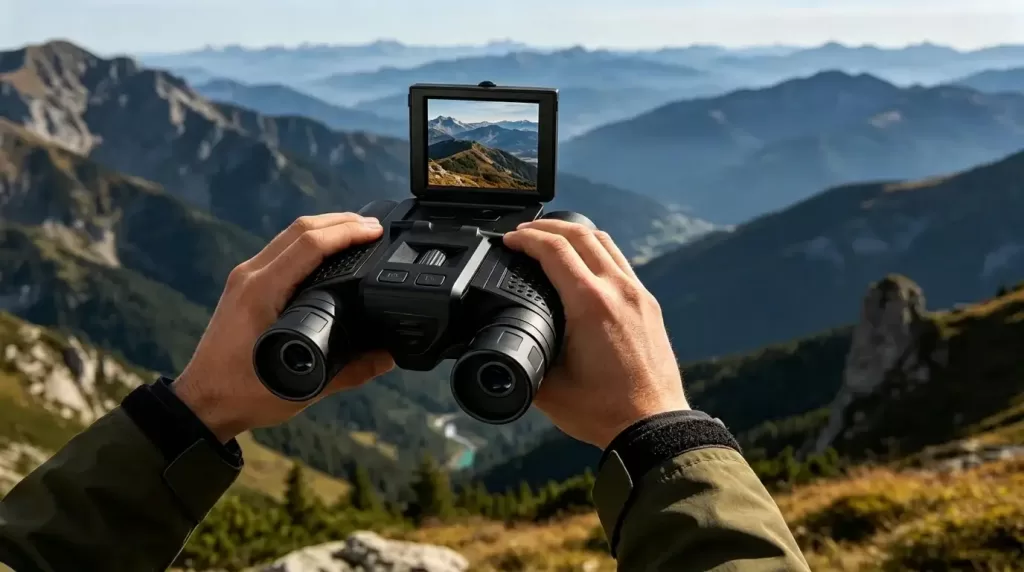
The WildGuarder WG30 targets bird and wildlife shooters with 12×8 magnification, a 5MP sensor that interpolates to 12MP, and an integrated 2-inch screen. It tilts toward the “field journal” crowd — people who want a record, not a portfolio shot.
Key specs
- Magnification: 12x | Objective: 32mm
- Camera: 12MP (interpolated), 1080p video / 2.5K HD
- 2-inch TFT screen
- Storage: microSD up to 64 GB
Strengths
- Solid build for outdoor use
- Quick capture button under the right index finger
- Reasonable price
Drawbacks
- Image quality is record-level, not gallery
- Limited low-light performance
Best for: Birders who want photographic notes, not exhibition prints.
8. Minolta 10×25 Digital Binoculars — Best for Travelers
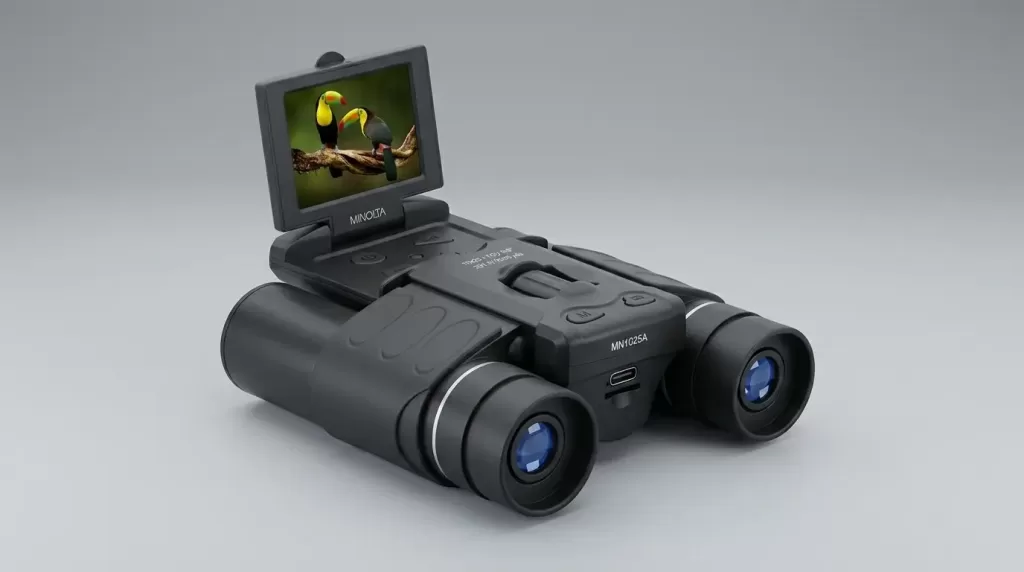
Compact, lightweight, and equipped with 4K UHD video and a 48 MP sensor, the Minolta 10×25 hits a sweet spot for travelers who want recording capability without bulk.
Key specs
- Magnification: 10x | Objective: 25mm
- Video: 4K UHD
- Stills: 48 MP
- Standout feature: IPS anti-glare screen and fog-resistant optics
Best for: Travelers who want recording capability without bulk.
9. Sharper Image 12× Zoom Digital Camera Binoculars — Best Casual Pick
Sharper Image’s 12× version pairs a 2-inch color LCD with 1080p HD video. It is firmly aimed at travelers, sports fans, and gift-buyers who want a “fun” device rather than a pro tool.
Key specs
- Magnification: 12x | FOV ~96m at 1000m
- Camera: 1080p video, high-res photos
- 2-inch color LCD
Strengths
- Easy menus
- Lightweight
- Common in big-box and online retailers
Drawbacks
- Optics are only fair
- No advanced features
Best for: Gifts, road trips, and stadium days.
10. Vivitar 4K Night Vision Binoculars — Best Affordable Night Pick
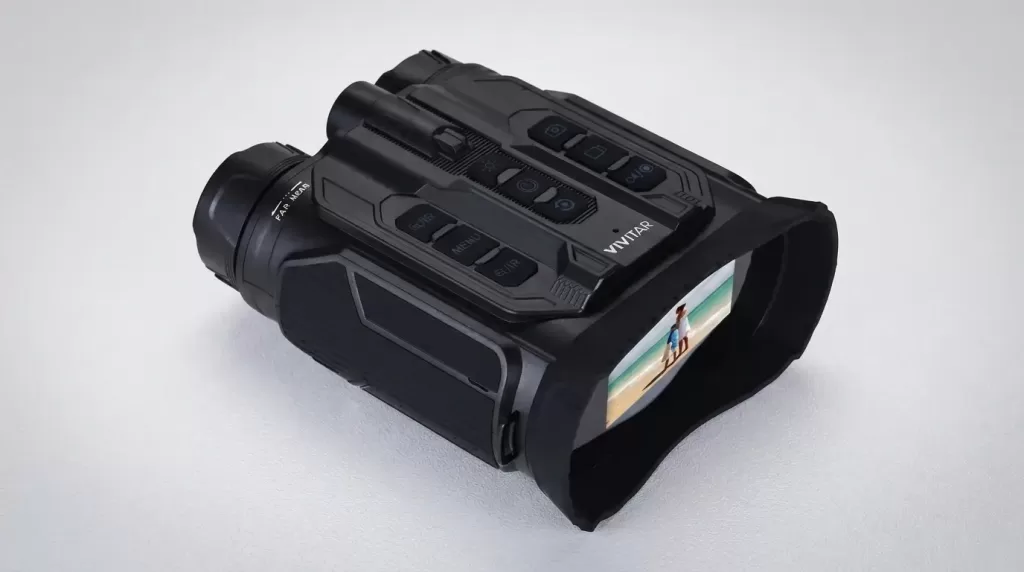
If darkness is your hunting ground, this Vivitar offers digital night vision in a friendly package. The 5x zoom, IR illuminator, and 32GB card support cover most casual night uses.
Key specs
- Camera: 1080p video, IR night mode
- Zoom: 5x digital
- 32GB memory support
Strengths
- True night-mode recording
- Easy single-button operation
- Affordable entry to night optics
Drawbacks
- Image is grayscale in night mode
- Range limited compared to pro units
Best for: Backyard wildlife, campsite security, and curious astronomy beginners.
Bonus Pick: Stealth Cam DNVB — Best Tactical/Security Choice
The Stealth Cam DNVB throws IR illumination, multi-distance modes, and onboard recording into a stocky, rubber-armored body. It’s built for trail use, perimeter checks, and after-hours wildlife monitoring.
Key specs
- Multi-distance IR night vision
- 1080p video
- Rugged outdoor build
Best for: Property owners, hunters, and night-shift outdoors fans.
Need to lift binoculars or product shots cleanly off their backdrop? Order our precision clipping path service and get pixel-perfect cutouts.
Quick Comparison Table
| Model | Mag x Obj | Camera | Best For | Price Tier |
|---|---|---|---|---|
| Swarovski AX Visio | 10×32 | 13MP / 1080p + AI | Premium birding | $$$$ |
| Canon PowerShot Zoom | 100/400/800mm equiv. | 12.1MP / 1080p | Compact travel | $$ |
| Camonity 12×32 | 12×32 | 5MP / 1080p | Budget casual | $ |
| ATN BinoX 4K | 4–16×40 | 4K + IR | Day/night hunting | $$$ |
| Bushnell SyncFocus | 8×30 | 5MP / 720p | Classic birding | $$ |
| Generic 48MP 12×32 | 12×32 | 48MP / 2.5K | High-res budget | $ |
| WildGuarder WG30 | 12×32 | 12MP / 2.5K | Bird logging | $$ |
| Minolta 10×25 | 10×25 | 48MP / 4K | Travelers | $$ |
| Sharper Image 12× | 12× | 1080p | Travel/sports | $ |
| Vivitar Night Vision | 5× zoom | 1080p IR | Affordable night | $ |
| Stealth Cam DNVB | – | 1080p IR | Tactical/security | $$ |
Night Vision and Thermal Binocular Cameras: A Special Category
Standard binocular cameras struggle once daylight fades. Two specialist branches solve that problem.
Digital Night Vision Binoculars
These models use infrared illuminators to brighten dark scenes invisibly to the human eye, then convert the IR reflection into a viewable image. Most include built-in cameras for documentation.
- Typical detection range: 200 m to 400 m
- Common resolutions: 1080p or 4K video, 12 MP to 48 MP stills
- Popular brands: Bestguarder, Nightfox, Vivitar
Thermal Imaging Binoculars
Thermal models detect heat signatures rather than reflected light. They work in total darkness, through light fog, and even through some foliage. The trade-off is a higher price tag and lower visual detail.
- Best for: hunters, security patrols, search-and-rescue teams
- Notable models: Pulsar Accolade LRF XP50 Pro, AGM Global Vision ObservIR LRF
Got dark, noisy night-vision footage? Our color correction and color changes service cleans up green-cast IR captures and balances tones so your stills look natural and printable.
Who Should Buy a Binocular With Camera?
You will genuinely enjoy one if you are:
- A birder who wants to log species and double-check IDs later.
- A hunter who needs to confirm legal targets and study terrain.
- A wildlife enthusiast who travels to safaris or national parks.
- A sports fan who likes to grab clips from far seats.
- A concert-goer who wants more than blurry phone zoom.
- A security or property manager scanning at night.
- A travel content creator seeking compact gear.
- A biologist or field researcher logging timestamped species evidence.
If you’re after gallery-grade photography, a dedicated camera with a telephoto lens — even a beginner-level superzoom — will still outperform any camera binocular. Browsing through the top camera brands of 2026 can help you decide whether to pair a camera binocular with a more traditional rig. Camera binoculars are about convenience and witness-quality records, not pixel-peeping.
Field Tips: How to Get Better Shots Through Camera Binoculars
Even great hardware needs technique. These habits make a real difference.
Stabilize First, Shoot Second
Camera shake destroys more potential keepers than any other factor.
- Brace, don’t grip. Rest elbows on a fence post, tree, or your knees. A small tripod adapter helps a lot.
- Match magnification to your steadiness. Hand-holding 16x is hard; 8x is forgiving.
- Shoot in bursts. Movement, breath, and trigger pressure ruin single frames.
- Exhale slowly as you press the shutter.
Mind the Light
Sensors in camera binoculars are tiny compared to those in dedicated cameras. Good light is your best friend.
- Aim for golden hour. Avoid mid-day glare and backlight.
- For night vision, keep the IR illuminator clean and battery fresh.
- Pre-focus on a stationary point at your subject’s distance before they arrive.
Master the Focus and Storage
- Most affordable models use a separate focus wheel for binocular and camera optics. Always confirm the LCD shows sharp detail before pressing the shutter.
- Use a high-speed microSD (Class 10 / U3). It prevents dropped frames in video.
- Carry two microSD cards in case one fills or fails.
- Bring a USB power bank for all-day excursions.
- Format your card in the device, not in a computer.
- Clean the third (camera) lens as carefully as the eyepieces.
Want more foundation in technique? These photography tips for beginners pair nicely with the field habits above, and the Audubon binoculars guide plus REI’s expert advice on binoculars are two excellent free reads.
Real-World Use Cases
Camera binoculars shine in surprisingly varied scenarios.
- Birdwatching and ornithology — record song, plumage, and behavior for ID confirmation later
- Hunting and wildlife scouting — document sightings for shared maps and journals
- Sports spectating — capture far-side plays and crowd reactions from cheap seats
- Concerts and live events — bring the stage close and snap shareable clips
- Security and property monitoring — observe perimeters discreetly with optional night vision
- Marine and boating use — spot distant landmarks and other vessels (choose waterproof models)
- Astronomy basics — view the moon, brighter planets, and constellations
- Field research — biologists and naturalists log species sightings with timestamped evidence
Built a stunning wildlife portfolio from your binocular captures? Our mulitiple clipping path service isolates each subject cleanly so you can use shots in books, blogs, and prints with zero distractions.
Post-Processing: Where Average Shots Become Great
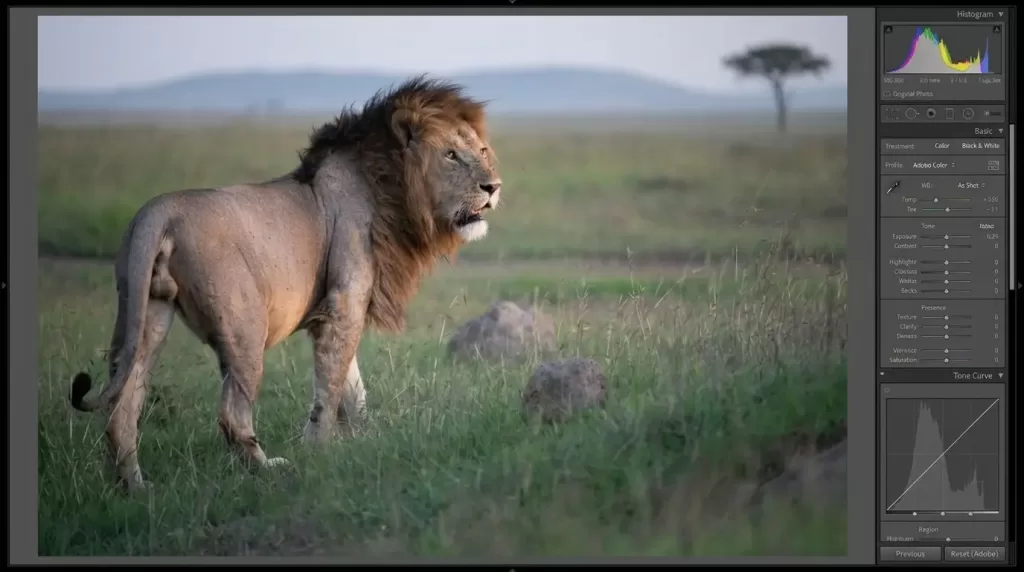
Camera binoculars trade lens size for portability, so your raw files often need a little help. Here is a sensible editing routine:
- Cull aggressively. Keep only the sharpest 10–20%.
- Crop with intent. Use the rule of thirds. Don’t crop past 50% or noise multiplies.
- Lift exposure carefully. Bring up shadows without crushing highlights.
- Sharpen for output size. A web crop needs less sharpening than a print.
- Reduce noise before sharpening, not after.
- Remove distractions — twigs, fences, drifting people.
- Color-correct for accurate plumage, fur, or jersey color.
- Convert occasional misses to black-and-white to mask noise creatively.
Quick Wins in Any Editor
- Bump clarity and texture to sharpen feathers, fur, or facial detail
- Lift shadows gently to recover detail without raising noise
- Apply targeted noise reduction to backgrounds while keeping the subject crisp
A solid editing toolkit matters more than the brand. If you’re shopping around, this round-up of the best photo editing software in 2026 covers free and paid options for every workflow.
Plumage looking dull or jerseys slightly off-color? Try our color correction service and get true-to-life tones in every frame.
Binoculars With Camera vs. Other Options
How do these hybrids compare against alternatives in real use?
vs. Smartphone + Telephoto Lens Adapter
Phone adapters are cheap and convenient but require steady mounting and frequent recalibration. Binocular cameras feel more natural and require no setup once familiar.
vs. Superzoom Bridge Cameras (e.g., Nikon Coolpix P1000)
Superzoom cameras offer dramatically better photo quality, but they lack stereo viewing. You see with one eye through a small EVF rather than enjoying the immersive depth of true binoculars. According to The New York Times Wirecutter, traditional binoculars still dominate observational comfort even though they cannot record.
vs. Spotting Scopes With Digiscoping
Spotting scopes paired with a smartphone deliver phenomenal reach but require a tripod, a phone adapter, and patience to align. Binocular cameras trade ultimate reach for portability and immediacy.
vs. Dedicated Mirrorless or Action Cameras
Action cams excel at wide-angle motion capture but cannot zoom into wildlife. Many users carry both. If you’re weighing a full mirrorless body instead, this list of the top mirrorless cameras is a solid starting point — and for casual recording companions, the budget action camera guide is a useful read.
Action Cameras vs. Camera Binoculars — A Quick Cross-Reference
The short version: action cameras shine for first-person video and motion sports; camera binoculars win when your subject is far away and you need magnified observation plus capture. They are complementary, not competitive.
Common Mistakes Buyers Make
After reading hundreds of user reviews, the same complaints surface repeatedly. Avoid these traps:
- Chasing megapixels over optics. A 48 MP sensor with a plastic lens still looks worse than 12 MP behind quality glass.
- Ignoring weight. Anything over 1 kg becomes tiring after an hour of glassing.
- Skipping the screen test. Some LCDs wash out in sun. Read screen-brightness specs.
- Skipping the tripod thread check. High-magnification models become unusable without one.
- Forgetting the SD card. Most products do not ship with storage included.
- Confusing optical zoom with digital zoom. Digital zoom is just cropping in software.
- Assuming waterproofing. Many budget models are only “splash resistant” at best.
- Overlooking eye relief. Glasses wearers need at least 15 mm of eye relief for comfort.
Image-Stabilization, Tripods, and Mounts
Hand-shake amplifies as magnification grows. Above 10x, you’ll want some kind of stabilization:
- Optical or mechanical IS is rare in camera binoculars but worth paying for.
- A tripod adapter (1/4-20 thread) is the cheapest fix.
- A monopod or shooting stick balances portability and stability.
A Note on Ethics and Privacy
Recording strangers, restricted wildlife areas, or private property crosses legal and ethical lines in many places. Quick checklist:
- Respect signage in national parks and reserves.
- Never bait wildlife for a shot.
- Avoid recording identifiable people at private events.
- Follow local drone-style privacy rules where they apply to recording optics.
The American Birding Association Code of Ethics is a great two-minute read worth adopting.
How Much Should You Spend?
Pricing in this category spans a remarkable range. Match your budget to your seriousness.
- Under $150 — entry-level digital binoculars (Camonity, Ansee, generic 12×32 models) for casual sports and events
- $150–$400 — mid-range options with 4K video and better optics (Minolta, certain WildGuarder models)
- $400–$1,200 — purpose-built wildlife and night vision binoculars from Bestguarder and similar specialists
- $1,200–$3,000 — high-end thermal imaging from Pulsar and AGM
- $3,500+ — premium smart binoculars (Swarovski AX Visio)
A useful rule of thumb: invest about 30 percent of your overall outdoor gear budget in optics if photography is a serious priority for you.
Maintenance: Make Your Binoculars Last a Decade
Treat the device kindly and it will outlive most of your other tech.
- Store dry with desiccant and silica gel packets in a padded case.
- Clean lenses with a blower first, then a microfiber cloth and proper lens fluid — never a shirt sleeve.
- Charge the battery monthly even if unused, to prevent degradation.
- Update firmware when offered (especially for AI-enabled units).
- Keep lens caps on during storage.
- Avoid extreme temperature swings, which fog internal optics.
Already snapping photos through your binoculars? Take them to the next level. Try our precision image masking service for crystal-clear cutouts of birds, wildlife, and detailed subjects — perfect for prints, books, and online portfolios.
Frequently Asked Questions (FAQ)
1. Are binoculars with built-in cameras worth it in 2026?
Yes, if you value the two-in-one convenience of magnified viewing plus image capture. Don’t expect DSLR-grade photos; expect strong record shots, clear sharing-quality video, and far less gear to carry.
2. Can binoculars with a camera replace a proper DSLR or mirrorless setup?
No, and they don’t try to. They prioritize observation first, capture second. A dedicated camera with a long lens will always deliver better image quality, but at a much higher price, weight, and complexity. Binocular cameras win on convenience and dual functionality.
3. What is a good magnification for camera binoculars?
For most users, 8x to 12x is the sweet spot. Birders and concert-goers often prefer 8x for stability, while hunters and wildlife watchers lean toward 10–12x for reach. A 10×42 or 10×32 model with a built-in camera offers the best balance for first-time buyers.
4. Can I use camera binoculars at night?
Some models, like the ATN BinoX 4K, Vivitar Night Vision Binoculars, and Stealth Cam DNVB, support digital night vision with IR illuminators. Standard daytime camera binoculars won’t work well after dark.
5. How important are megapixels?
Less than marketing suggests. Sensor size, lens quality, and optical clarity matter more. A 12MP unit with a decent sensor often beats a 48MP unit with cheap optics.
6. Do all camera binoculars come with a memory card?
No. Many ship without storage, despite advertising “32GB compatible.” Always check the listing carefully and budget for a Class 10 microSD card separately. Buying a 64 GB card from a known brand (SanDisk, Samsung, Lexar) avoids corruption issues.
7. Do camera binoculars connect to phones?
Premium and mid-tier models (Swarovski AX Visio, ATN BinoX 4K, several Wi-Fi-enabled budget brands) pair with apps for transfer, playback, and live view.
Yes — with caveats. Photos and video from mid-range and premium models look perfectly acceptable on Instagram, Facebook, or YouTube. Budget models below $150 produce footage that’s recognizable but not gallery-quality. Light editing can dramatically improve any output.
9. Can I use these for sports photography or astronomy?
Yes, these cameras are suitable for everyday sports photography. Once you move into professional-level sports coverage, a larger camera system with a telephoto lens becomes the better option. The same principle applies to astronomy: while the moon and a handful of bright celestial objects are accessible, detailed astrophotography is best handled by a telescope-based setup.
10. Are they waterproof?
Some are, many are not. Check the IP rating before buying. Models rated IPX4 handle splashes, IPX7 survives brief immersion. If you boat, hunt in wet conditions, or hike in rain, prioritize an IPX6 or higher rating.
11. How long do the batteries last?
Most budget units last 2–4 hours of mixed use. Higher-end units like the ATN BinoX 4K push 15–18 hours. Carry a power bank for full-day excursions. Premium models like the Swarovski AX Visio use replaceable batteries — a nice touch missing from cheaper units.
12. Are camera binoculars safe for kids?
Many lightweight models (Camonity, Sharper Image, Vivitar) are kid-friendly. Just supervise screen use and lens cleaning.
13. Will image quality improve with future models?
Almost certainly yes. Sensor miniaturization and AI-powered noise reduction continue to advance rapidly. Within a few years, expect mid-tier camera binoculars to deliver image quality that today belongs to dedicated cameras.
Final Thoughts and Verdict
Camera binoculars in 2026 are no longer a gimmick. They cover a real, practical middle ground — and the category now spans from $80 entry models to $4,500+ AI-powered Swarovski masterpieces. Pick honestly:
- Premium, lifetime tool: Swarovski AX Visio.
- Best for day-and-night seriousness: ATN BinoX 4K.
- Smart resolution per dollar: 48MP 2.5K 12×32 generics.
- Best gift / kids / casual: Camonity 12×32 or Sharper Image 12×.
- Birder’s journal device: WildGuarder WG30 or Bushnell SyncFocus.
- Ultralight travel: Canon PowerShot Zoom or Minolta 10×25.
- Night-time discovery: Vivitar Night Vision or Stealth Cam DNVB.
The category breaks cleanly into three tiers in 2026:
- Casual recording: budget 12×32 digital binoculars under $150
- Serious hobbyists: mid-range 4K models or purpose-built wildlife units ($300–$800)
- Tech enthusiasts and pros: Swarovski AX Visio or premium thermal imaging ($3,500+)
Match the tier to your actual usage, not your aspirations. A well-used $200 binocular beats a $4,000 unit gathering dust on a shelf. Test grip and weight in person if you can. And remember: once you’ve captured those distant moments, light retouching makes them shine for years.
Ready to turn your camera-binocular shots into portfolio-worthy images? Explore the full suite at Clipping Expert Asia — trusted by photographers and e-commerce brands worldwide.