

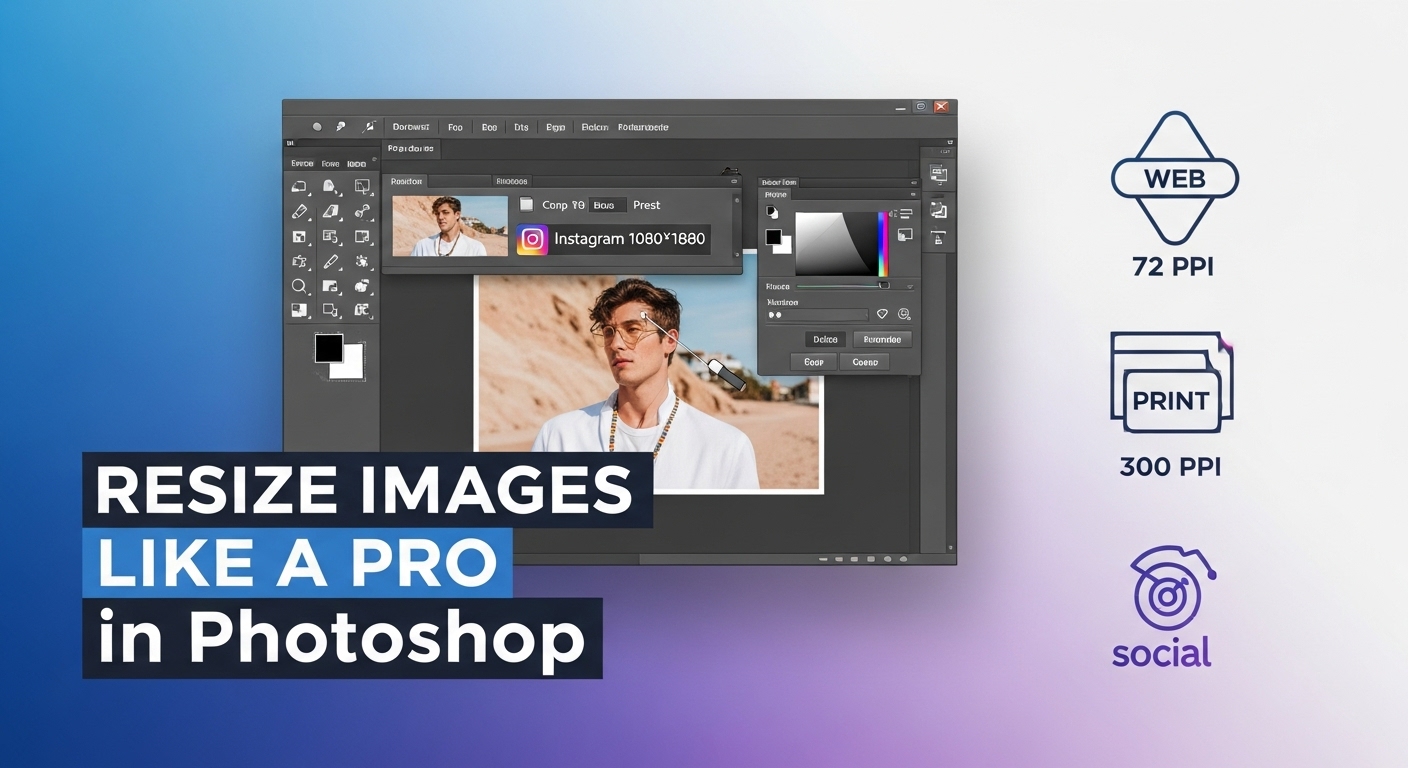
How to Resize an Image in Photoshop: Step-by-Step Guide
February 2, 2026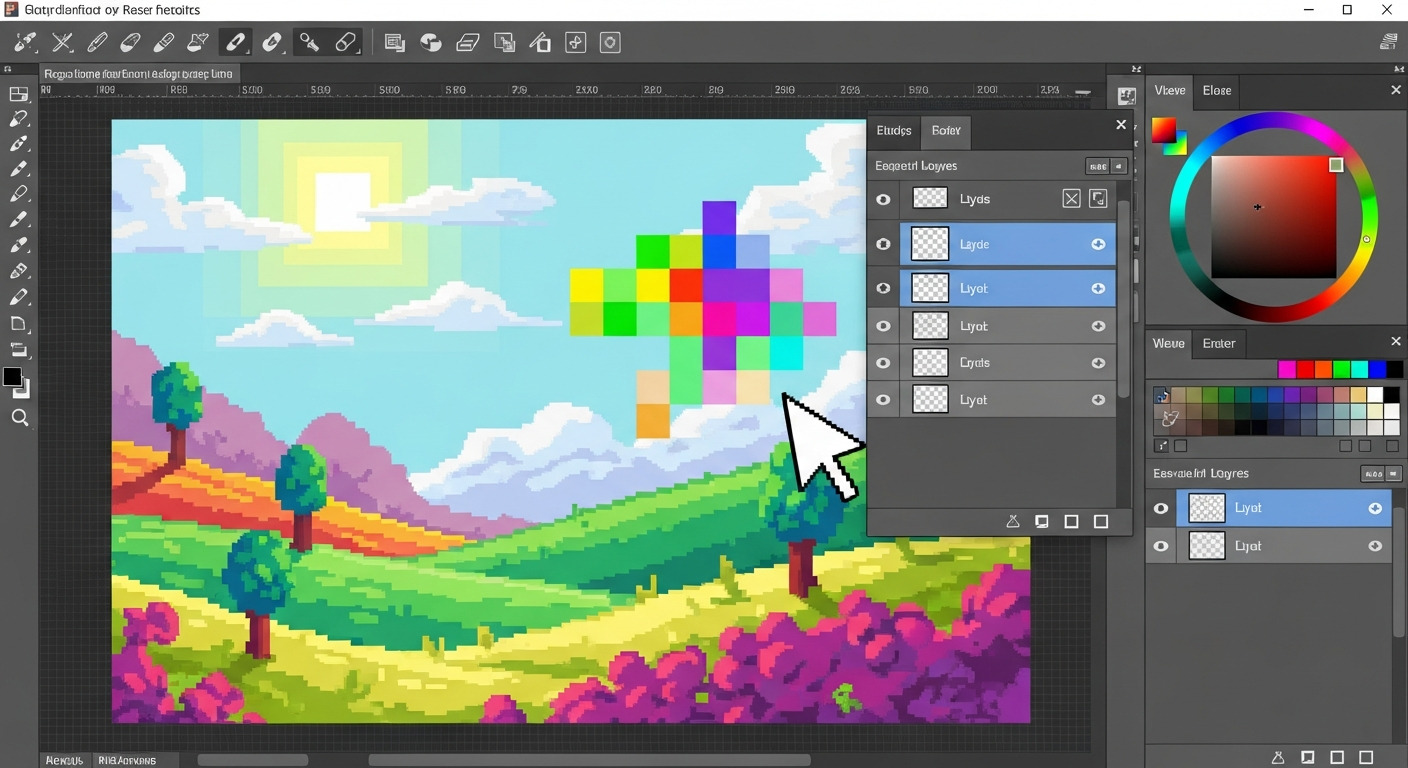
Best Raster Editor Software for Photo Editing
February 3, 2026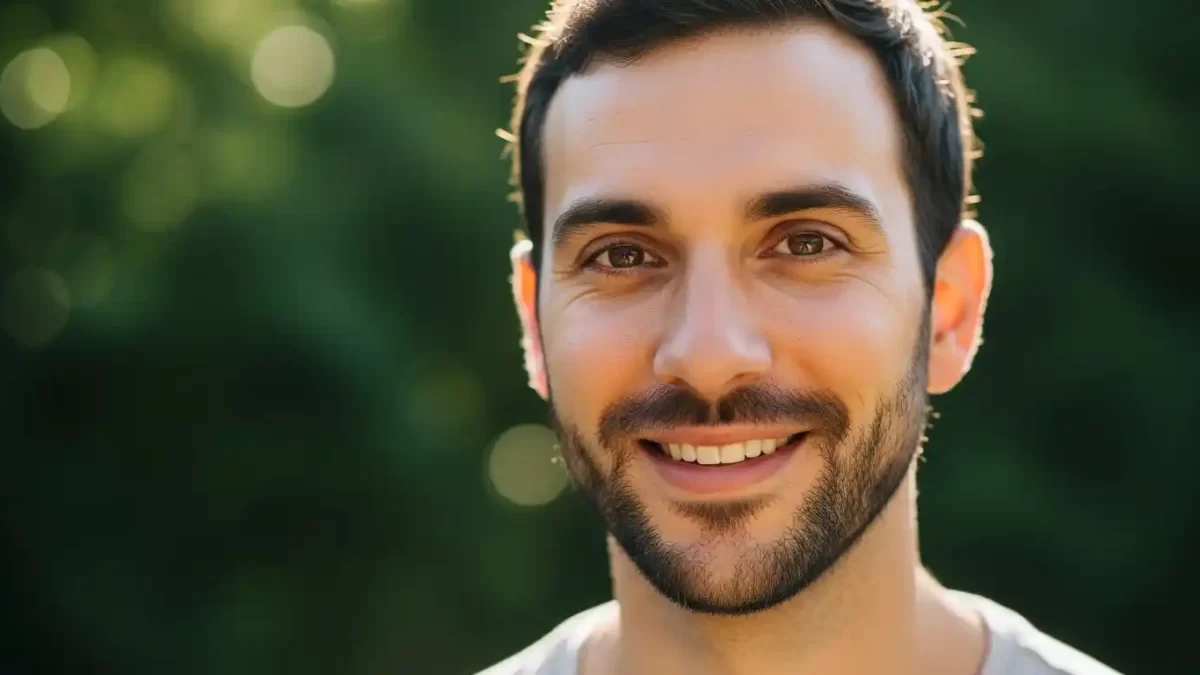
Portrait photography captures the heart of a person in one powerful image. It goes beyond simple snapshots and dives into emotions, personalities, and unique stories. Photographers use this style to create lasting connections, whether for family albums, business profiles, or artistic expressions. In 2026, portrait photography thrives with the advent of new digital tools, innovative lighting, and creative editing techniques that bring subjects to life. This approach turns ordinary moments into timeless art pieces.
Professionals and hobbyists alike embrace portrait photography because it demands skill in composition, lighting, and interaction. You focus on the subject’s essence, highlighting what makes them special. From studio setups to street scenes, this genre adapts to any vision. As technology advances, photographers experiment more freely, blending tradition with modern flair.
The Evolution of Portrait Photography
Portrait photography traces its roots back centuries, starting with painted portraits that nobles commissioned to preserve their likeness. Cameras revolutionized the 19th century, making images accessible to a wider audience. Early photographers like Julia Margaret Cameron captured raw human expressions in black and white.
Fast forward to today, and digital cameras have revolutionized the field. High-resolution sensors and autofocus systems let you shoot sharp details effortlessly. Software like Adobe Lightroom enhances colors and textures without much hassle. In 2026, trends lean toward inclusive representations, showing diverse faces and stories. Photographers push boundaries with augmented reality filters that add interactive elements to portraits.
This evolution keeps portrait photography fresh and relevant. You see it in social media feeds where influencers share polished headshots or candid family moments. Brands use it for marketing, creating relatable images that draw customers in.
Defining Portrait Photography
Portrait photography centers on people as the main subject. You aim to reveal their character through careful poses, expressions, and settings. Unlike landscape shots that emphasize scenery, portraits keep the focus tight on faces and upper bodies.
Photographers select backgrounds that complement rather than distract. They play with angles to flatter features or convey moods. A slight tilt of the head can shift a photo from serious to playful. Lighting shapes the image too, soft glows create warmth, while harsh shadows add drama.
In practice, portrait photography builds trust between you and the subject. You guide them gently, encouraging natural smiles or thoughtful gazes. The result? Images that feel genuine and engaging. For deeper insights into its history, explore this comprehensive overview of portrait photography.
Key Elements That Make a Great Portrait
Great portraits stand out because they balance technical skill with emotional depth. You start with sharp focus on the eyes, as they draw viewers in immediately. Composition rules like the rule of thirds guide where you place the subject, creating harmony.
Lighting transforms ordinary faces into captivating ones. Natural sunlight at golden hour softens skin tones beautifully. In studios, you control every beam with softboxes and reflectors. Poses matter too, relaxed stances invite connection, while dynamic ones add energy.
Backgrounds support the story without overwhelming it. A plain wall suits formal shots, but textured environments enrich narratives. Finally, editing polishes the work, adjusting exposure or removing minor flaws while keeping authenticity intact.
Types of Portrait Photography
Portrait photography offers endless variety, letting you choose styles that fit your vision or client’s needs. Each type brings unique challenges and rewards. Here, we break down popular ones with real-world examples.
Traditional Studio Portraits
You set up traditional studio portraits in controlled spaces for precision. Lights, backdrops, and props create flawless results. Subjects pose formally, often looking directly at the camera.
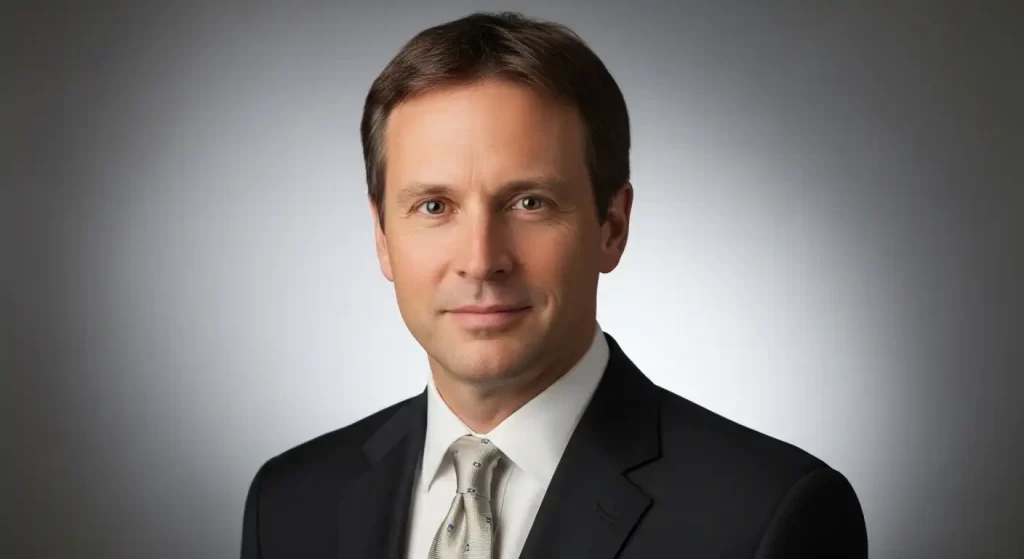
These shine in professional settings. Think corporate headshots where executives project confidence. Families use them for holiday cards, capturing everyone in coordinated outfits. A classic example: A businesswoman in a suit against a gray seamless background, lit evenly to highlight her poised expression.
Photographers love the predictability, adjust a light, and you change the mood instantly. Beginners start here to learn the basics before venturing outdoors.
Lifestyle Portraits
Lifestyle portraits capture people in everyday environments, emphasizing natural behaviors. You shoot in homes, parks, or workplaces, letting subjects interact freely.
This style tells authentic stories. Bloggers pose with their morning coffee in cozy kitchens, showing relatable routines. Brands hire photographers for campaigns where models laugh with friends in urban streets. An example: A young artist sketching in her sunlit studio, surrounded by canvases and paints.
You rely on ambient light and quick reflexes to nab spontaneous moments. It feels less intimidating for subjects, resulting in joyful, unforced images.
Candid Portraits
Candid portraits snatch unguarded moments, prioritizing real emotions over poses. You observe quietly, clicking when laughter or contemplation emerges.
Events like weddings thrive on this approach. A bride sharing a whisper with her maid of honor reveals tender bonds. Street photographers catch strangers in thought-provoking scenes, like an elderly man reading on a bench.
The magic lies in timing. You anticipate expressions, using fast shutter speeds to freeze them. These portraits feel alive, drawing viewers into the subject’s world. For practical advice on capturing such moments, check these portrait photography tips.
Environmental Portraits
Environmental portraits place subjects in settings that reflect their lives or passions. You blend person and place to narrate fuller tales.
Professionals benefit most, a chef in his bustling kitchen, tools in hand, showcases expertise. Hobbyists like musicians pose with instruments amid concert venues. Example: A farmer standing in golden fields at sunset, dirt on his boots emphasizing his connection to the land.
You scout locations that add context without clutter. Wide-angle lenses capture surroundings, while telephotos isolate the subject. This type demands storytelling skill, making images memorable.
Conceptual and Creative Portraits
Conceptual portraits unleash imagination, using props, effects, or themes to convey ideas. You bend reality for artistic impact.
Fashion editorials often feature this, with models in surreal outfits amid dreamlike sets. Fine art photographers explore emotions through symbolism, like a figure shrouded in mist representing solitude. An example: A dancer illuminated by colorful projections, her movements blurred to suggest freedom.
Digital tools expand possibilities, composite images merge elements seamlessly. You plan meticulously, sketching concepts before shoots. These portraits inspire and provoke thought.

Group Portraits
Group portraits gather multiple people, balancing individual expressions with collective harmony. You arrange families, teams, or friends in formations that feel natural.
Challenges include even lighting and focus across faces. Weddings often include these, with bridal parties lined up in gardens. Corporate events capture staff in office lobbies. Example: A family of four on a beach, arms linked, waves crashing behind them.
You direct gently to avoid stiffness, encouraging interactions. Tripods help stabilize shots for larger groups.
Self-Portraits
Self-portraits let you turn the lens inward, exploring personal identity. Remote triggers or timers aid in capturing yourself.
Artists like Frida Kahlo popularized this, infusing works with introspection. Modern influencers use mirrors or apps for dynamic angles. Example: A photographer in her workspace, reflecting vulnerability through soft shadows.
This type builds self-awareness and technical prowess. You experiment freely, refining poses and lighting solo.
Essential Tips for Capturing Stunning Portraits
Capturing stunning portraits requires practice and attention to detail. You hone skills through trial and error, adapting to each situation.
- Master Lighting Techniques: Experiment with natural sources like window light for gentle illumination. Use reflectors to bounce light and fill shadows. In low light, flash units add pop without harshness.
- Prioritize Eye Contact: Direct subjects to look at the lens or slightly off for intrigue. Sharp eyes forge emotional bonds with viewers.
- Compose Thoughtfully: Apply the rule of thirds by placing eyes at intersections. Frame with elements like doorways for added depth.
- Select the Right Gear: Opt for lenses with wide apertures to blur backgrounds. A 85mm prime isolates subjects beautifully.
- Build Subject Rapport: Chat casually to ease nerves. Compliment genuinely to boost confidence and elicit smiles.
- Vary Angles and Perspectives: Shoot from above for slimming effects or below for empowerment. Avoid straight-on for more dimension.
- Incorporate Movement: Encourage subtle actions like hair twirls or walks to capture vitality.
Choosing the Best Lenses for Portrait Work
Lenses define portrait quality. You pick based on desired effects and shooting conditions.
Prime lenses excel with sharp details and low-light performance. A 50mm f/1.8, nicknamed the “nifty fifty,” offers versatility on full-frame cameras. For compression, 135mm flattens features flatteringly.
Zooms provide flexibility, like 70-200mm for events where distances vary. Mirrorless systems pair well with lightweight options.
Test lenses in real scenarios to find favorites. Rentals help before committing to purchases.
Portrait Photography in Different Settings
Settings influence portrait outcomes profoundly. You adapt techniques to maximize each environment’s potential.
Indoor Portraits
Indoors, you control variables easily. Studios allow custom backdrops and consistent lighting. Homes offer personal touches, like bookshelves framing readers.
Watch for mixed lights, turn off fluorescents to avoid color casts. Diffusers soften window glare.
Outdoor Portraits
Outdoors bring dynamic elements like wind and changing skies. You schedule around golden hours for flattering warmth. Parks provide lush backdrops.
Scout spots beforehand to avoid crowds. Use fill flash to counter harsh midday sun.
Urban Portraits
Cities pulse with energy for edgy portraits. You use graffiti walls or neon signs as vibrant elements.
Navigate traffic safely, timing shots between passersby. Wide apertures isolate subjects from bustle.
Post-Processing Techniques for Portraits
Post-processing refines portraits, enhancing strengths without altering essence. You start with basic adjustments in software like Photoshop.
Correct exposure first, brightening underexposed areas. Color balance warms skin tones naturally.
Retouch skin subtly, clone out blemishes but preserve texture. Dodge and burn sculpt features, adding dimension.
For creative flair, apply vignettes to draw eyes inward. Export in formats suited for print or web.
Common Challenges and How to Overcome Them
Challenges arise in portrait photography, but solutions keep you progressing.
Uneven lighting? Position subjects near windows or use speedlights. Awkward poses? Demonstrate first to guide them.
Distracting backgrounds? Scout cleaner spots or blur in post. Shy subjects? Share stories to build comfort.
Practice overcomes most hurdles, turning obstacles into learning opportunities.
Portrait Photo Sizes and Formats
Sizes matter for display and sharing. You choose based on intent.
Prints range from wallet-sized 2×3 inches to poster 24×36. Digital files suit social media—Instagram favors 1080×1350 pixels.
Aspect ratios like 4:5 work for vertical posts, while 16:9 suits landscapes. High-resolution ensures crisp enlargements.
Consider framing, add borders for mats. Compress files for web without losing quality.
Integrating Portrait Photography into Your Workflow
Incorporate portrait sessions smoothly into routines. You plan shoots with mood boards for inspiration.
Schedule buffer time for setups and breaks. Backup files immediately post-shoot.
Review images critically, noting improvements for next time. Client feedback refines your style.
Trends in Portrait Photography for 2026
2026 brings exciting trends. You see AI-assisted focusing speeding up captures, though human touch remains key.
Sustainable practices gain traction, eco-friendly props and digital deliveries reduce waste. Inclusive diversity showcases varied body types and cultures.
Virtual reality portraits immerse viewers, letting them explore 360-degree views. Hybrid styles mix analog film with digital edits for nostalgic vibes.
Stay ahead by attending workshops or following innovators online.
Real-Life Examples from Renowned Photographers
Renowned photographers inspire with their work. Annie Leibovitz crafts dramatic celebrity portraits, like her Vanity Fair covers blending fantasy and reality.
Steve McCurry’s “Afghan Girl” exemplifies environmental impact, her piercing eyes set against a refugee camp.
Local talents emerge too, sharing tutorials on platforms. Study their techniques to spark ideas. For more on current practices, visit this photography resource site.
Building a Portfolio with Portrait Photography
A strong portfolio showcases your range. You include varied types, from studio to candid.
Curate selectively, quality over quantity. Update regularly with fresh work.
Online platforms like Behance host galleries. Print books impress clients in meetings.
Ethical Considerations in Portrait Photography
Ethics guide responsible shooting. You obtain consent always, especially in public.
Respect privacy, avoid sharing without permission. Edit truthfully to represent subjects accurately.
Cultural sensitivity matters in diverse portraits. Open dialogues foster trust.
Final Thoughts on Portrait Photography
Portrait photography remains a powerful way to connect and create. You capture fleeting emotions that endure forever. As techniques evolve, the core stays the same: honoring the subject’s story. Dive in, experiment, and watch your skills grow. Whether starting or refining expertise, portrait photography offers endless joy and discovery.
FAQs
- What makes portrait photography different from other genres?
Portrait photography prioritizes human subjects, focusing on their expressions and stories, unlike landscapes that highlight nature or architecture. - How can beginners start with portrait photography?
Beginners grab a basic camera, practice with friends in natural light, and study composition basics. Free online tutorials guide initial steps. - What role does lighting play in portrait photography?
Lighting shapes mood and highlights features. Soft, diffused light flatters skin, while dramatic shadows add intensity to the image. - Can I use my phone for high-quality portrait photography?
Absolutely, phones with advanced cameras and apps produce sharp portraits. Good lighting and steady hands yield professional-looking results. - How do I choose a background for portrait photography?
Select backgrounds that complement the subject, plain for focus or contextual for storytelling. Avoid clutter to keep attention on the person. - What are common mistakes in portrait photography?
Over-editing skin, ignoring eye focus, or stiff poses top the list. Practice natural interactions and subtle adjustments to avoid them. - How has technology changed portrait photography in 2026?
New cameras offer faster autofocus and better low-light performance. Editing software streamlines workflows, making creative effects accessible. - Why include props in conceptual portrait photography?
Props add layers of meaning, helping convey themes or emotions. They transform simple shots into narrative-driven artworks.