


What Is Graphic Design? Your Complete Guide for 2026
April 21, 2026
Why White Background Product Photography is Still the Gold Standard for Driving E-commerce Sales in 2026
April 23, 2026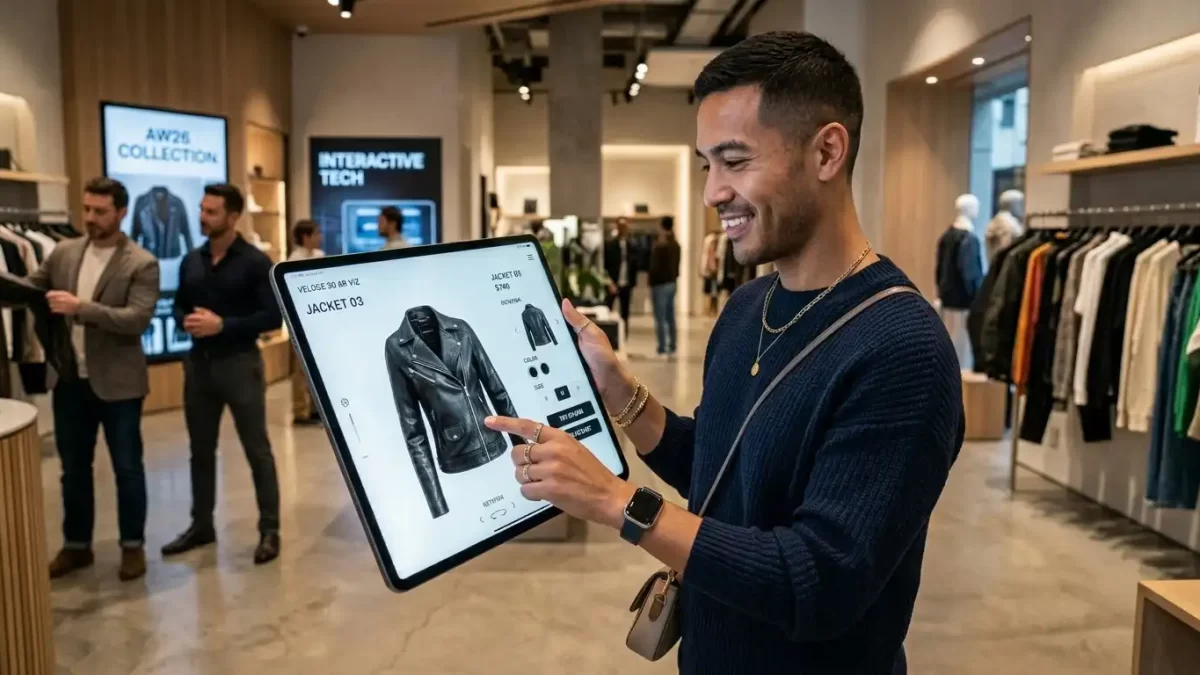
The digital storefront underwent a radical transformation over the last decade. Shoppers no longer settle for flat, static images that leave too much to the imagination. In 2026, the retail landscape demands depth, interaction, and absolute transparency. While the traditional ghost mannequin effect once revolutionized how we viewed apparel online, it now serves as the baseline the starting point for a much larger journey. Today, 3D product visualization takes center stage, bridging the gap between a digital screen and a physical fitting room.
Retailers who master these advanced visual techniques see immediate results in their bottom line. We have moved past the era where a simple “hollow man” effect sufficed. Customers want to see how fabric moves, how light hits a specific weave, and how a garment looks from every conceivable angle. This shift represents a move toward total immersion, where the shopper feels a sense of ownership before they even click the “buy” button.
- The Legacy of the Ghost Mannequin
- What is 3D Product Visualization?
- Boosting Consumer Confidence Through Interaction
- The Role of Professional Editing in a 3D World
- Reducing Return Rates: The Ultimate Goal
- Augmented Reality: Bringing the Store Home
- Cost-Efficiency and Faster Time-to-Market
- The Psychological Impact of 360-Degree Control
- Sustainability and the Digital Sample
- How to Transition from Ghost Mannequin to 3D
- The Human Touch in a Digital World
- Conclusion: The Future is Multi-Dimensional
- Frequently Asked Questions (FAQ)
The Legacy of the Ghost Mannequin
For years, the ghost mannequin technique defined professional e-commerce. By removing the physical model or mannequin in post-production, editors created a “hollow” look that emphasized the fit and shape of the clothing. This method provided a clean, distraction-free view of the product. It allowed customers to focus entirely on the garment rather than the person wearing it.
Even in 2026, this technique remains a fundamental pillar of high-quality cataloging. To understand the evolution, one must first master the basics. Many brands still rely on a comprehensive ghost mannequin photography guide to ensure their base images maintain the highest possible standards. Without a solid foundation in traditional photography and editing, transitioning to complex 3D environments becomes nearly impossible.
The ghost mannequin served its purpose by solving the problem of visual clutter. However, as mobile shopping and high-speed connectivity became the global norm, the limitations of 2D images became apparent. Static photos cannot show the weight of a drape or the tactile quality of a performance fabric. This gap in information often led to high return rates and customer hesitation.
What is 3D Product Visualization?
3D product visualization involves creating a digital twin of a physical item. Unlike a photo, which captures a single moment from one perspective, a 3D model exists as a data-rich object in a virtual space. Designers use photogrammetry a process of taking numerous photos from different angles to “sew” together a perfect digital replica. Alternatively, they use Computer-Aided Design (CAD) files used during the manufacturing process to build these models from the ground up.
This technology allows brands to manipulate the environment around the product without ever picking up a camera. You can change lighting, background, and even the “virtual model” instantly. This flexibility saves massive amounts of time and money in traditional studio costs. Instead of shipping samples across the globe for a photoshoot, brands simply update their digital assets.
In the current market, 3D visualization functions as more than just a cool gadget. It acts as a primary sales engine. By providing a 360-degree view, brands satisfy the consumer’s need for “tactile” information. When a user can spin a shoe, zoom in on the eyelets, and see the texture of the sole, their confidence in the purchase skyrockets.
Boosting Consumer Confidence Through Interaction
The primary hurdle in e-commerce is the “trust gap.” Consumers worry that the item they see on screen won’t match what arrives in the mail. 3D visualization narrows this gap significantly. When shoppers interact with a 3D model, they spend more time on the product page. This increased dwell time correlates directly with higher conversion rates.
Imagine shopping for a high-performance mountain bike. A static image shows the side profile. A ghost mannequin might show a jersey, but a 3D render allows you to inspect the derailleur, the weld points on the frame, and the tread pattern on the tires. This level of detail mimics the in-store experience. According to recent retail studies, interactive 360-degree views can increase conversion rates by as much as 40% compared to traditional 2D imagery.
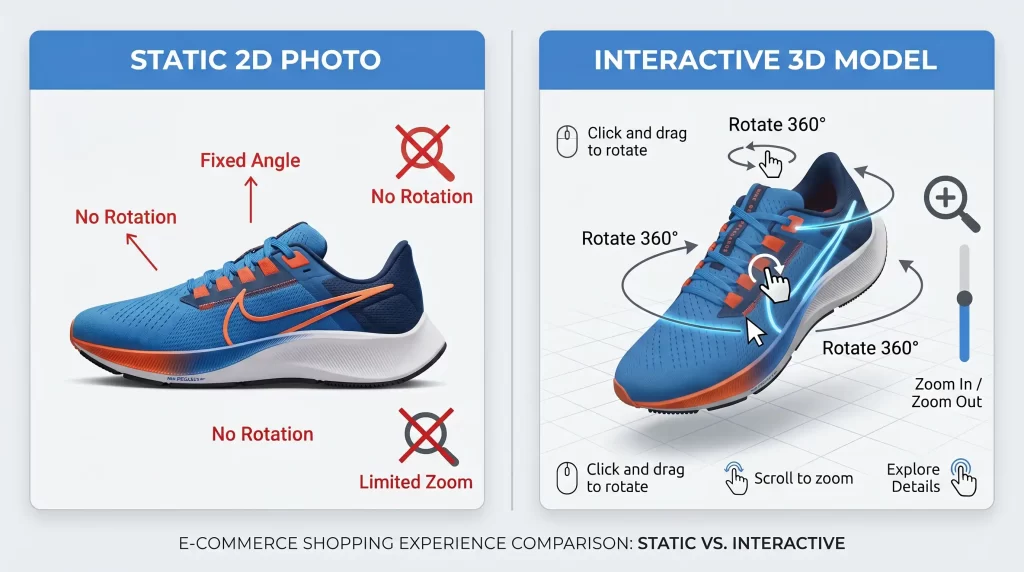
Furthermore, 3D models allow for instant customization. If a customer wants to see a backpack in “Midnight Blue” instead of “Forest Green,” they don’t have to wait for a new page to load with a different photo set. The 3D model swaps textures in real-time. This immediate gratification keeps the customer engaged and reduces the likelihood of them leaving the site to compare options elsewhere.
The Role of Professional Editing in a 3D World
Transitioning to 3D does not mean we abandon the skills of the photo editor. On the contrary, high-quality base images remain the “texture maps” for these 3D models. If the original photography lacks clarity or contains errors, the 3D model will look amateurish and “uncanny.” Professional editors still perform the heavy lifting of color correction, path creation, and initial ghost mannequin effects to prepare the assets for their 3D future.
For companies looking to scale their visual content, utilizing a dedicated ghost mannequin service remains a strategic move. These services ensure that the core visual data is pristine. Once the “hollow” garment looks perfect, developers can wrap that high-fidelity image data around a 3D wireframe. This hybrid approach blends the realism of traditional photography with the flexibility of digital modeling.
The synergy between traditional editing and 3D rendering creates a seamless look. In 2026, the best 3D models are indistinguishable from real photos. They possess the soft shadows, subtle wrinkles, and natural lighting that customers expect from a high-end brand. Achieving this level of realism requires a deep understanding of light physics and textile behavior, skills that top-tier retouching houses have honed for decades.
Reducing Return Rates: The Ultimate Goal
Product returns are the “silent killer” of e-commerce profitability. Most returns happen because the product “looked different” in person or the “fit wasn’t right.” 3D visualization addresses these issues head-on. By providing a true-to-scale representation, brands set realistic expectations.
Virtual fitting rooms take this a step further. By integrating 3D apparel models with a user’s personal measurements or a digital avatar, shoppers can see exactly how a dress or suit will drape over their specific body type. They can see where the fabric might tension and where it might flow. This “try-before-you-buy” digital experience eliminates the guesswork that leads to multiple-size ordering a practice where customers buy three sizes of the same item and return two.
Reducing returns isn’t just about saving money on shipping. It also improves brand loyalty. A customer who receives an item that perfectly matches their expectations is a customer who returns to your store. In 2026, sustainability is also a major consumer driver. By reducing the carbon footprint associated with shipping and returning physical goods, 3D visualization helps brands meet their environmental goals.
Augmented Reality: Bringing the Store Home
Augmented Reality (AR) serves as the bridge between 3D models and the real world. In 2026, AR is no longer a gimmick found in gaming apps; it is a vital tool for furniture, home decor, and fashion. A 3D model of a sofa allows a customer to “place” it in their actual living room using their smartphone camera. They can see if the size fits the corner and if the color complements their existing rug.
This level of immersion creates a psychological sense of ownership. Once a customer sees a digital version of a product in their own space, they have already “purchased” it in their mind. The physical transaction becomes the final step in a journey that started with a high-quality 3D asset.
To support these AR experiences, brands must maintain a massive library of clean, optimized images. This is where a broad range of professional image editing services becomes invaluable. Every AR asset starts as a collection of high-resolution photos that require meticulous cleaning, background removal, and color matching to look realistic in a variety of real-world lighting conditions.
Cost-Efficiency and Faster Time-to-Market
While the initial investment in 3D technology might seem high, the long-term savings are astronomical. Traditional photoshoots involve photographers, models, stylists, studio rentals, and travel. Furthermore, if a product design changes slightly, you have to redo the entire shoot.
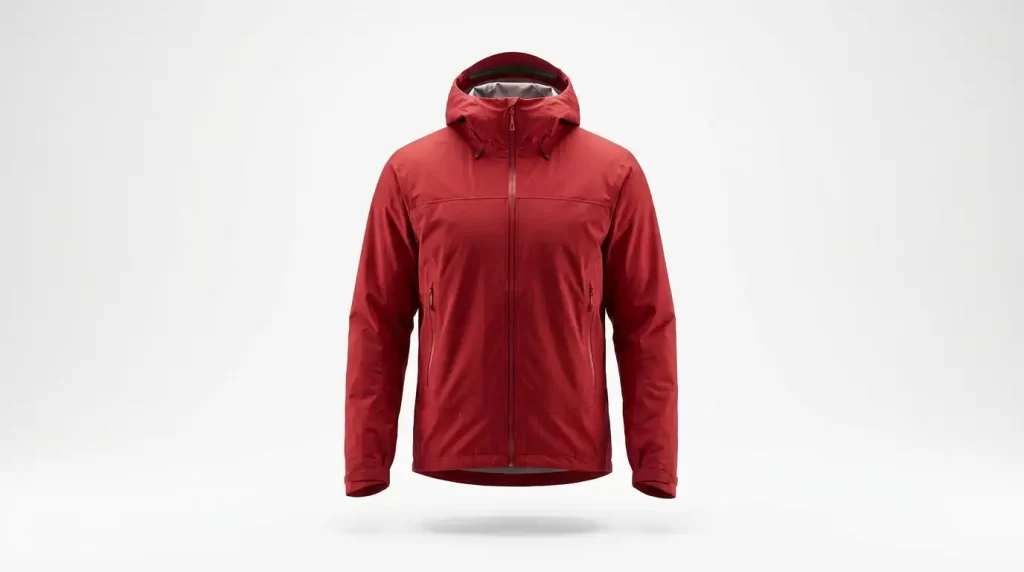
With 3D visualization, you update the digital file. Do you want to change the color of a shirt from red to navy? That takes minutes in a 3D environment, compared to days of rescheduling a shoot. This speed allows brands to react to market trends almost instantly. If a specific color becomes a viral sensation on social media, a brand can update its digital storefront in hours to reflect that trend.
Moreover, 3D assets are versatile. A single high-quality model can be used for website photos, social media videos, print advertisements, and AR apps. This “create once, use everywhere” philosophy maximizes the return on investment for every product visual. Brands can even create promotional videos without ever shipping a physical prototype to a film crew.
The Psychological Impact of 360-Degree Control
Control plays a massive role in consumer psychology. When a shopper can manipulate an object, they feel more empowered. Traditional photography places the power in the hands of the brand—the brand chooses which angles to show and which flaws to hide. 3D visualization hands that power back to the consumer.
The ability to zoom in on a zipper or look at the underside of a watch strap builds an incredible amount of trust. It signals that the brand has nothing to hide. This transparency is particularly important for luxury goods where craftsmanship is the primary selling point. In 2026, high-end consumers expect to inspect the “soul” of a product through their screen.
By allowing users to “play” with the product, you turn a passive browsing experience into an active, engaging one. This gamification of shopping keeps users on your site longer, which also benefits your search engine rankings. The more time people spend interacting with your content, the more the internet perceives your site as valuable and authoritative.
Sustainability and the Digital Sample
The fashion industry has long struggled with the waste produced during the sampling phase. Designers often create dozens of physical samples before finalizing a design, most of which end up in landfills. 3D visualization offers a “green” alternative. Designers now use 3D models to finalize fit and style, only producing a physical sample when they are 99% sure of the design.
This digital-first approach extends to the sales floor. Wholesale buyers no longer need to fly to showrooms to see new collections. They can view the latest lines in high-fidelity 3D, making purchasing decisions without the massive carbon footprint of international travel. This shift toward “digital sampling” is one of the most significant steps the industry has taken toward true sustainability.
Consumers in 2026 are highly conscious of a brand’s environmental impact. Marketing your use of 3D technology as a sustainability initiative can resonate deeply with Gen Z and Millennial shoppers. It shows that your brand is forward-thinking and committed to reducing its physical footprint while still providing a premium shopping experience.
How to Transition from Ghost Mannequin to 3D
Moving from 2D to 3D doesn’t happen overnight. It requires a tiered approach. First, ensure your current photography is impeccable. You cannot build a beautiful 3D house on a shaky foundation. Focus on mastering the ghost mannequin technique to capture the true shape of your garments. Use professional services to ensure every stitch and seam is visible and clean.
Next, start with your best-sellers. You don’t need to convert your entire catalog to 3D at once. Choose the items that benefit most from 360-degree views like footwear, accessories, or complex technical outerwear. Test the impact on conversion rates and return data. Most brands find that the increased sales from these “hero” items quickly fund the conversion of the rest of the catalog.
Finally, stay updated on the latest software. Tools for 3D rendering are becoming more user-friendly every day. While you may still need expert help for high-end rendering, many aspects of 3D asset management can now be handled by in-house teams. The key is to maintain a consistent visual language across both your 2D and 3D assets so the customer journey feels cohesive.
The Human Touch in a Digital World
Despite the rise of complex rendering, the “human touch” remains essential. Computers can generate shapes, but people understand “vibe” and “emotion.” The most successful 3D visualizations in 2026 are those that don’t feel “sterile.” They include slight imperfections a soft crease in a leather bag or the way a light breeze might move a silk scarf.
These details make a digital asset feel real. This is why the role of the creative director and the expert editor is more important than ever. They provide the artistic oversight that ensures the technology serves the brand’s story. You aren’t just selling a 3D model; you are selling a lifestyle, a feeling, and a solution to a customer’s problem.
By combining the precision of 3D tools with the artistic intuition of professional retouchers, brands create a “hyper-reality” that is often more appealing than a standard photo. This perfect blend of art and science is what drives the modern e-commerce engine. It creates a world where the customer never feels like they are “missing out” by not being in a physical store.
Conclusion: The Future is Multi-Dimensional
We have officially moved beyond the era of the ghost mannequin as the “final destination” for product imagery. In 2026, 3D product visualization is the standard for any brand that wants to compete on a global scale. It offers a level of interaction, customization, and clarity that traditional photography simply cannot match.
However, the ghost mannequin remains the essential “DNA” of great product presentation. It taught us how to view clothes without distraction, and it continues to provide the high-quality data needed to create realistic 3D twins. By embracing both the history of professional editing and the future of interactive technology, retailers can build a shopping experience that is as reliable as it is exciting.
The brands that will win in 2026 are those that prioritize the customer’s visual needs. Whether it’s through a perfectly executed ghost mannequin shot or a fully immersive AR fitting room, the goal remains the same: to give the customer the confidence they need to say “yes.” The future of retail isn’t just about selling a product; it’s about visualizing a better way to shop.
Frequently Asked Questions (FAQ)
1. Is 3D visualization better than ghost mannequin photography?
It isn’t necessarily “better,” but it serves a different purpose. Ghost mannequin photography is excellent for clean, static catalog views. 3D visualization is superior for interactive experiences, AR, and reducing return rates by providing a 360-degree understanding of the product.
2. Can I use my existing ghost mannequin photos to create 3D models?
Yes! High-quality photos taken for ghost mannequin effects are often used as the “textures” for 3D models. The cleaner the photo, the more realistic the final 3D asset will appear.
3. Does 3D visualization help with SEO?
Absolutely. Interactive content increases the “dwell time” (how long a user stays on your page). Search engines view longer dwell times as a signal of high-quality content, which can improve your rankings in search results.
4. Is 3D visualization too expensive for small businesses?
While high-end 3D can be an investment, the costs are dropping. Small businesses can start by using 3D for their top-selling products and gradually scale as they see a return on investment through increased sales and lower returns.
5. How does 3D visualization reduce product returns?
It allows customers to see the product from every angle and understand the texture and fit more clearly. In fashion, virtual fitting rooms using 3D models help customers choose the correct size the first time.
6. Do I still need a photo editor if I use 3D models?
Yes. 3D models require high-quality textures derived from real-world photos. Professional editors are needed to clean up these images, correct colors, and ensure the 3D model looks as realistic as possible.
Yes, most social platforms now support 3D assets or 360-degree videos. These are highly engaging and often receive more likes and shares than static images.
8. What is the difference between 3D rendering and AR?
3D rendering is the creation of the digital object itself. Augmented Reality (AR) is the technology that allows you to “place” that 3D object into your real-world environment using a smartphone or headset.
9. Will 3D visualization eventually replace traditional photography?
It is unlikely to replace it entirely. Traditional photography is still faster and more cost-effective for certain types of content, such as lifestyle editorial shots. However, for product pages, 3D is becoming the primary choice.