


High-Precision Image Masking for Fashion Photography: Techniques to Handle Intricate Details
January 26, 2026
Affordable Jewelry Photo Retouch: Low Cost, High Quality
January 27, 2026
In the bustling world of Amazon, where millions of products compete for attention every day, sellers face a constant challenge to stand out. High-quality product images act as the frontline soldiers in this battle, drawing in potential buyers and influencing their decisions to click, view, and ultimately purchase. Imagine scrolling through search results—your eyes naturally gravitate toward listings with crisp, vibrant visuals that promise reliability and appeal. Professional photo editing transforms ordinary snapshots into compelling assets that boost visibility and trust. Sellers who invest in expert editing services often see tangible improvements in their performance metrics, from higher click-through rates to increased conversion numbers. This article explores the critical role that polished images play in driving success on the platform.
Amazon sellers operate in a visual-first marketplace. Customers cannot touch or try products before buying, so they rely heavily on images to make informed choices. Poorly edited photos with inconsistent lighting, distracting backgrounds, or inaccurate colors can lead to hesitation and lost sales. Professional editors step in to correct these issues, ensuring every image meets the platform’s standards and captivates shoppers. They enhance details that make products look premium, helping sellers build a strong brand presence. As competition intensifies, mastering this aspect becomes essential for long-term growth.
- Understanding Amazon's Strict Image Guidelines
- The Direct Impact of High-Quality Images on Sales and Conversions
- Common Challenges with DIY Photo Editing
- Key Benefits of Professional Photo Editing for Amazon Sellers
- Essential Photo Editing Services for Amazon Sellers
- How to Choose the Right Photo Editing Partner
- Conclusion: Elevate Your Amazon Game with Expert Editing
- Frequently Asked Questions
Understanding Amazon’s Strict Image Guidelines
Amazon enforces detailed rules for product images to maintain a consistent and trustworthy shopping experience. Sellers must upload photos that fill at least 85% of the frame for most categories, ensuring the product takes center stage. Backgrounds require a pure white color (RGB 255, 255, 255) with no text, graphics, or additional props that could confuse viewers. Images need a minimum resolution of 1000 pixels on the longest side to enable the zoom function, which allows customers to inspect details closely. Formats like JPEG, TIFF, or PNG work best, and color modes should stick to sRGB for accurate representation across devices.
These guidelines exist because Amazon prioritizes user satisfaction. When images fail to comply, the platform may suppress listings or reject them outright, limiting visibility in search results. Professional photo editing ensures full adherence, from removing unwanted elements to optimizing file sizes without losing quality. Editors use advanced tools to adjust exposure, sharpen edges, and correct distortions that raw photos often carry from amateur shoots. This process not only avoids penalties but also positions products favorably in the algorithm, which favors high-engagement listings.
Sellers who ignore these rules risk lower rankings and negative feedback. For instance, a blurry image might prompt returns if the product appears different in person. Experts in photo editing handle these nuances, applying techniques like clipping paths to isolate products seamlessly. They also prepare multiple image variants, such as lifestyle shots or infographics, within the allowed seven to nine slots per listing. By aligning with Amazon’s expectations, sellers create a professional storefront that encourages repeat business and positive reviews.
To learn more about official requirements, check Amazon’s seller resources on product image guidelines. This foundational step sets the stage for effective marketing on the platform.
The Direct Impact of High-Quality Images on Sales and Conversions
High-quality images drive measurable results for Amazon sellers. Studies show that listings with professional visuals convert up to 30% higher than those with subpar photos. Shoppers spend more time on pages with clear, detailed pictures, which signals interest to Amazon’s algorithm and improves organic rankings. Professional editing enhances this by making colors pop accurately and removing imperfections that deter clicks. Sellers notice quicker sales velocity as enhanced images build immediate trust, reducing bounce rates.
Click-through rates soar when main images stand out in search thumbnails. Professional edits ensure products look appealing at a glance, with balanced lighting and sharp focus that highlight key features. This visual edge becomes crucial in crowded categories like electronics or fashion, where buyers compare options rapidly. Data indicates that optimized images can increase sales by as much as 30%, turning browsers into buyers through better engagement. Editors fine-tune elements like contrast and saturation to match real-life appearances, minimizing returns due to mismatched expectations.
Case studies reinforce these benefits. One experiment revealed that switching to professionally photographed and edited listings tripled conversion rates for a product line. Sellers in competitive niches report higher average order values when images include zoomed-in details or multiple angles. Professional services handle bulk edits efficiently, allowing sellers to scale without quality dips. This investment pays off quickly, often within the first few weeks of relaunching listings.
Beyond numbers, polished images foster emotional connections. Customers envision using the product more easily when visuals are lifelike and professional. Editors add subtle enhancements, like natural shadows or reflections, to make items appear three-dimensional and desirable. In 2026, with AI tools emerging, human expertise in editing remains vital for nuanced adjustments that algorithms might overlook. Sellers who prioritize this see sustained growth in reviews and loyalty.
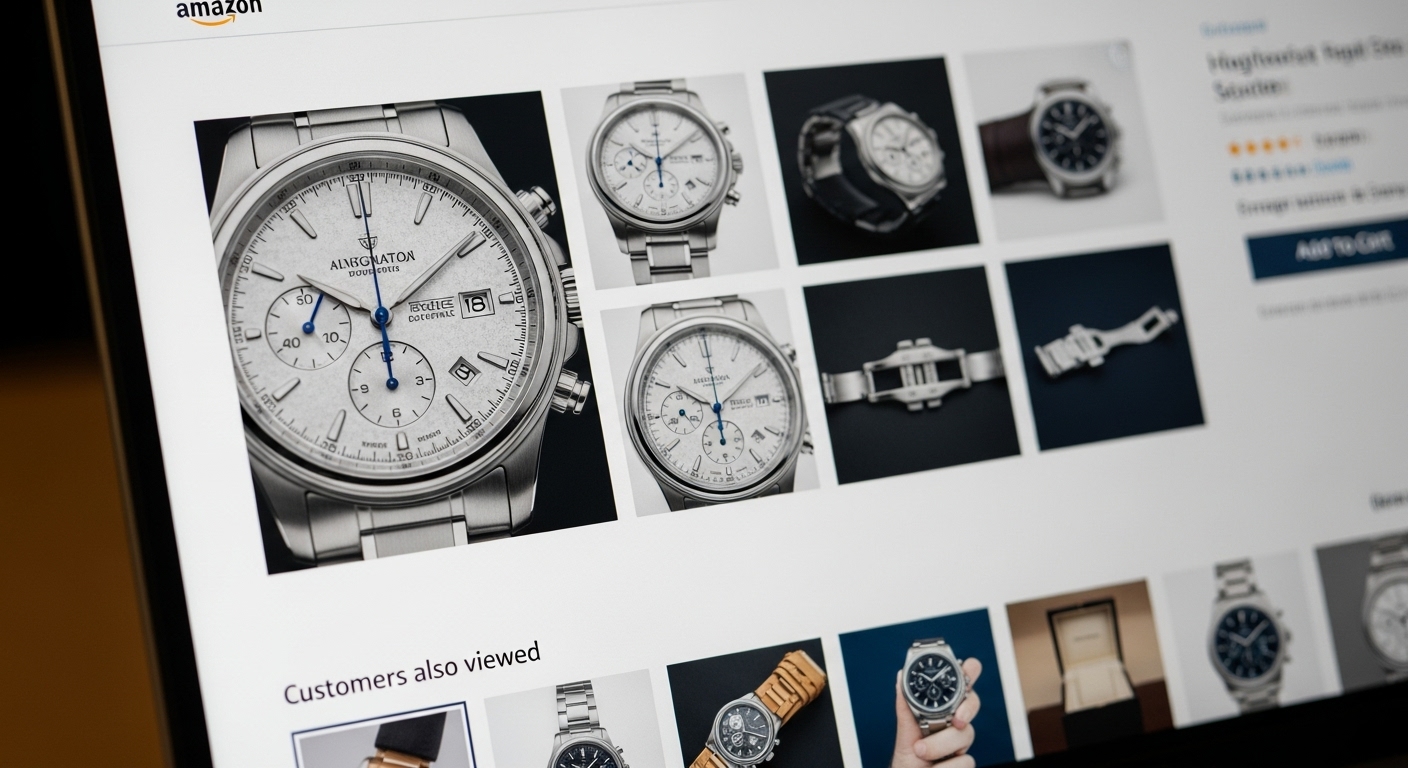
Common Challenges with DIY Photo Editing
Many Amazon sellers attempt to edit photos themselves to save costs, but this approach often backfires. Free tools like basic apps or software lack the precision needed for professional results, leading to inconsistent lighting across images. Sellers struggle with removing backgrounds cleanly, resulting in jagged edges that make products look amateurish. Color inaccuracies creep in, where reds appear washed out or blues too vibrant, misleading customers about the actual item.
Time becomes a major hurdle in DIY efforts. Sellers spend hours tweaking one photo, only to realize it doesn’t meet Amazon’s pixel requirements or zoom standards. Without expertise, they miss subtle flaws like dust spots or lens distortions that professionals spot instantly. This inefficiency diverts focus from core tasks like inventory management or marketing, slowing overall business progress.
Quality control suffers in self-editing scenarios. Batch processing with automated filters often applies uniform changes that don’t suit every product, creating a mismatched catalog. Sellers risk non-compliance, such as leaving faint shadows on backgrounds, which Amazon flags. Negative reviews pile up when delivered items don’t match the edited photos, eroding trust and rankings.
Professional services address these pitfalls head-on. They use specialized software for accurate retouching, ensuring every image aligns with best practices. Sellers who switch from DIY report fewer revisions and faster listing approvals. To explore expert solutions, visit Clipping Expert Asia’s services for tailored support.
Key Benefits of Professional Photo Editing for Amazon Sellers
Professional photo editing delivers a range of advantages that elevate Amazon listings. It ensures compliance with platform rules, preventing suppressions that hide products from searches. Editors optimize images for mobile viewing, where most shoppers browse, making details crisp on smaller screens. This leads to higher engagement as customers zoom in without pixelation issues.
- Increased Click-Through Rates: Polished main images grab attention in search results, encouraging more views. Professional touches like enhanced clarity make thumbnails irresistible.
- Higher Conversion Rates: Accurate, appealing visuals build buyer confidence, turning visitors into purchasers. Stats confirm up to 30% boosts in sales from quality edits.
- Reduced Return Rates: When images match products precisely, customers receive what they expect, cutting down on costly returns and refunds.
- Better Brand Perception: Consistent editing across listings creates a cohesive look, positioning sellers as reliable professionals in the eyes of shoppers.
- Time and Cost Savings: Outsourcing frees sellers to focus on growth, while bulk editing keeps expenses low compared to reshooting sessions.
- Scalability for Growth: As inventories expand, pros handle large volumes efficiently, maintaining quality during peak seasons.
These benefits compound over time. Sellers gain an edge in algorithmic favoritism, as engaged listings rank higher. Professional editors incorporate trends, like adding lifestyle elements where allowed, to keep visuals fresh. In competitive markets, this service becomes a strategic tool for sustained success.
For practical tips on implementing these, refer to Amazon’s guide on product photos.

Essential Photo Editing Services for Amazon Sellers
Amazon sellers rely on specific editing services to meet demands. Background removal tops the list, where experts clip products onto pure white canvases using precise paths. This service eliminates distractions, focusing attention on the item itself. Color correction follows, adjusting hues to reflect true shades under various lighting conditions. Editors balance brightness and contrast to prevent overexposure, ensuring products look natural and inviting.
Retouching handles imperfections like scratches or wrinkles on clothing. For apparel, ghost mannequin techniques create a 3D effect by removing models while preserving shape. This allows buyers to visualize fit without human elements. Image resizing and optimization maintain high resolution for zoom, compressing files for quick loading without quality loss.
Infographic creation adds value by combining text overlays with visuals. Editors design these for secondary slots, highlighting features like dimensions or materials. Shadow and reflection additions enhance realism, making flat images pop. Multi-clipping paths manage complex products with intricate edges, such as jewelry.
Bulk processing streamlines operations for high-volume sellers. Professionals edit hundreds of images consistently, applying uniform styles across catalogs. They also generate color variants, showing options without extra photoshoots. These services adapt to category needs, from electronics requiring sharp details to beauty products needing skin smoothing.
Sellers benefit from fast turnarounds, often within 24 hours for urgent listings. To get started with customized edits, request a quote today.
How to Choose the Right Photo Editing Partner
Selecting a photo editing provider requires careful evaluation. Look for teams with proven experience in Amazon-specific edits, including familiarity with guidelines and trends. Check portfolios for before-and-after examples that demonstrate skill in handling diverse products. Reliable partners offer free trials, allowing sellers to test quality without commitment.
Turnaround time matters for time-sensitive launches. Choose services that guarantee quick delivery without compromising precision. Pricing should be transparent, with options for bulk discounts to suit scaling needs. Customer support plays a key role—opt for providers available around the clock for revisions or queries.
Security ensures your images stay confidential. Reputable editors use secure transfers and avoid unauthorized use. Read reviews from other Amazon sellers to gauge satisfaction levels. A strong partner becomes an extension of your team, contributing to long-term success.
For more insights on best practices, explore Jungle Scout’s advanced photography guide.
Conclusion: Elevate Your Amazon Game with Expert Editing
Professional photo editing stands as a cornerstone for Amazon sellers aiming to thrive. It transforms basic images into powerful sales tools that comply with rules, engage customers, and drive revenue. Sellers who embrace this see reduced challenges and amplified opportunities in a competitive landscape. The investment yields returns through better metrics and customer satisfaction.
As the platform evolves, staying ahead means prioritizing visuals. Partner with experts to unlock your listings’ full potential. Start today and watch your business soar.
Frequently Asked Questions
- What makes professional photo editing different from free tools?
Professional editing uses advanced software and skilled techniques for precise results, like seamless background removal and color accuracy, which free tools often can’t achieve consistently. - How does photo editing affect Amazon search rankings?
High-quality images boost engagement metrics, signaling to Amazon’s algorithm that your listing deserves higher visibility in search results. - Can professional editing reduce product returns?
Yes, accurate edits ensure images match the real product, setting proper expectations and lowering return rates due to discrepancies. - What turnaround time should I expect for Amazon photo edits?
Most professional services deliver within 24-48 hours, with rush options available for urgent needs, depending on volume and complexity. - Is photo editing necessary for all Amazon categories?
While essential for visual-heavy niches like fashion and electronics, it benefits all categories by enhancing appeal and compliance. - How much does professional Amazon photo editing cost?
Prices start as low as $0.39 per image, with discounts for bulk orders, making it affordable for sellers of any size. - What file formats work best for edited Amazon images?
JPEG and PNG are ideal for their balance of quality and file size, ensuring quick uploads and clear displays. - Do I need multiple image types for each listing?
Yes, include a main image, close-ups, lifestyle shots, and infographics to provide comprehensive views and improve conversions.