
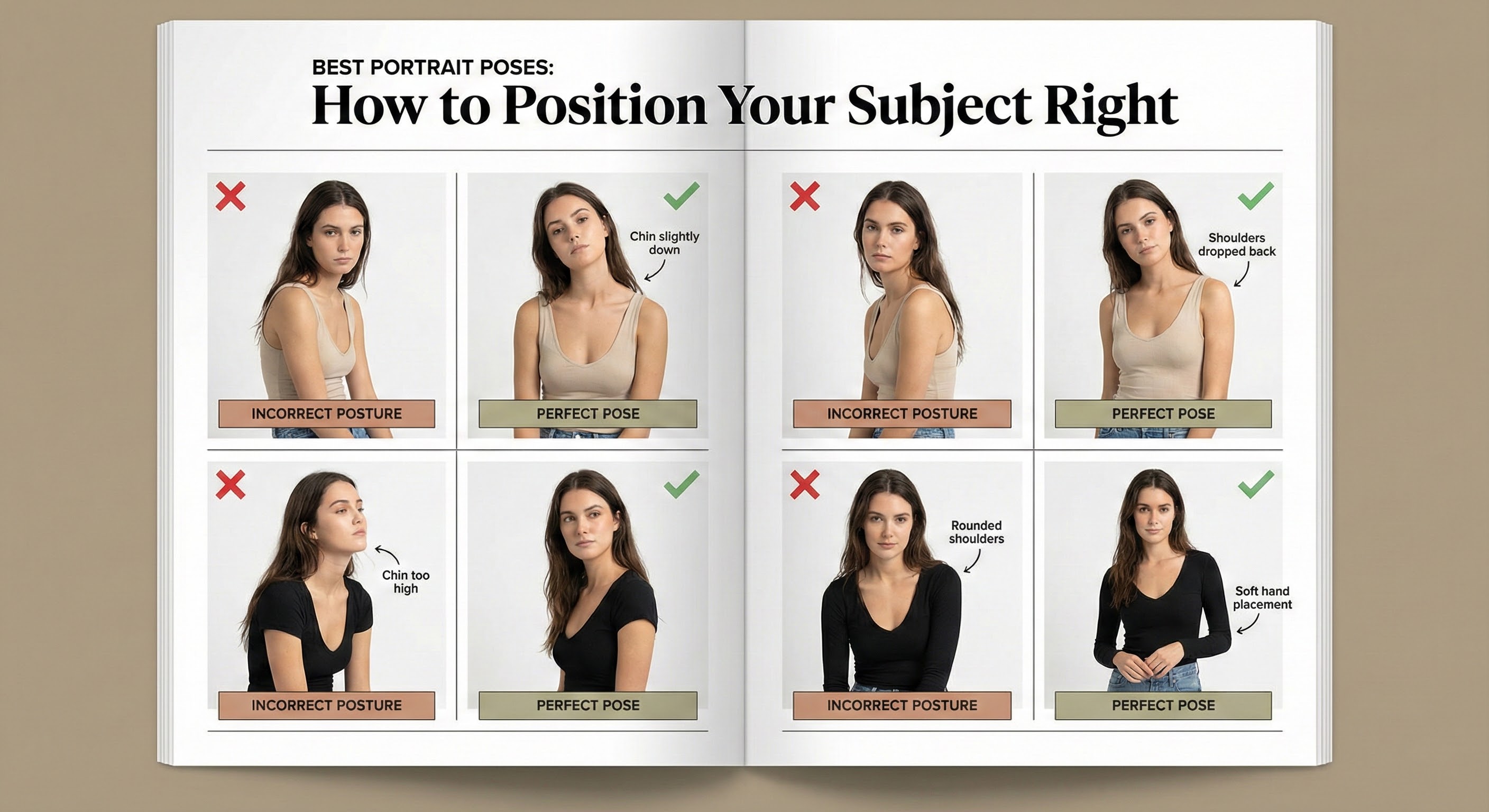
Best Portrait Poses: How to Position Your Subject Right
October 20, 2025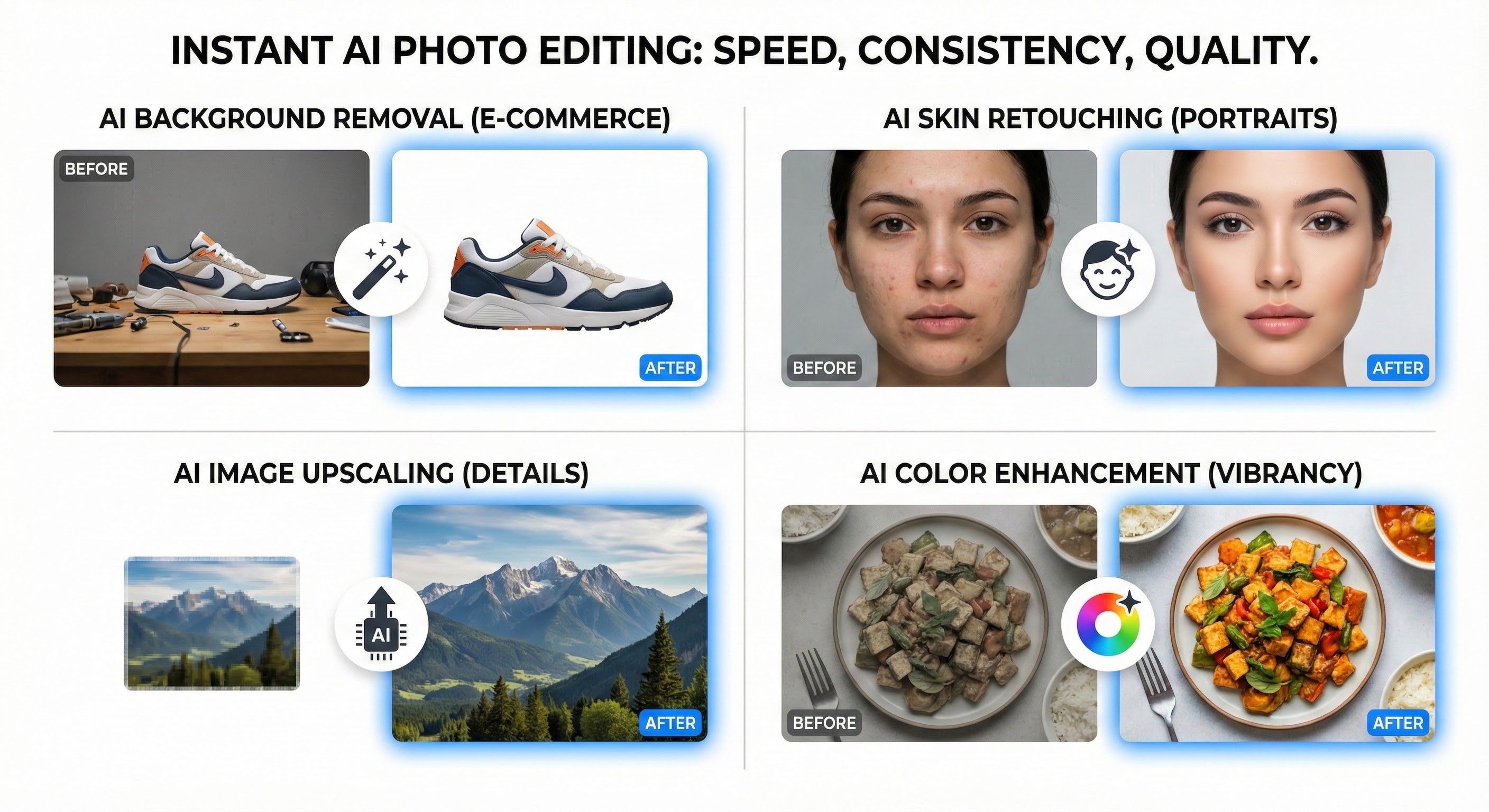
AI Photo Editing: Enhance Your Images with AI-Powered Tools
October 20, 2025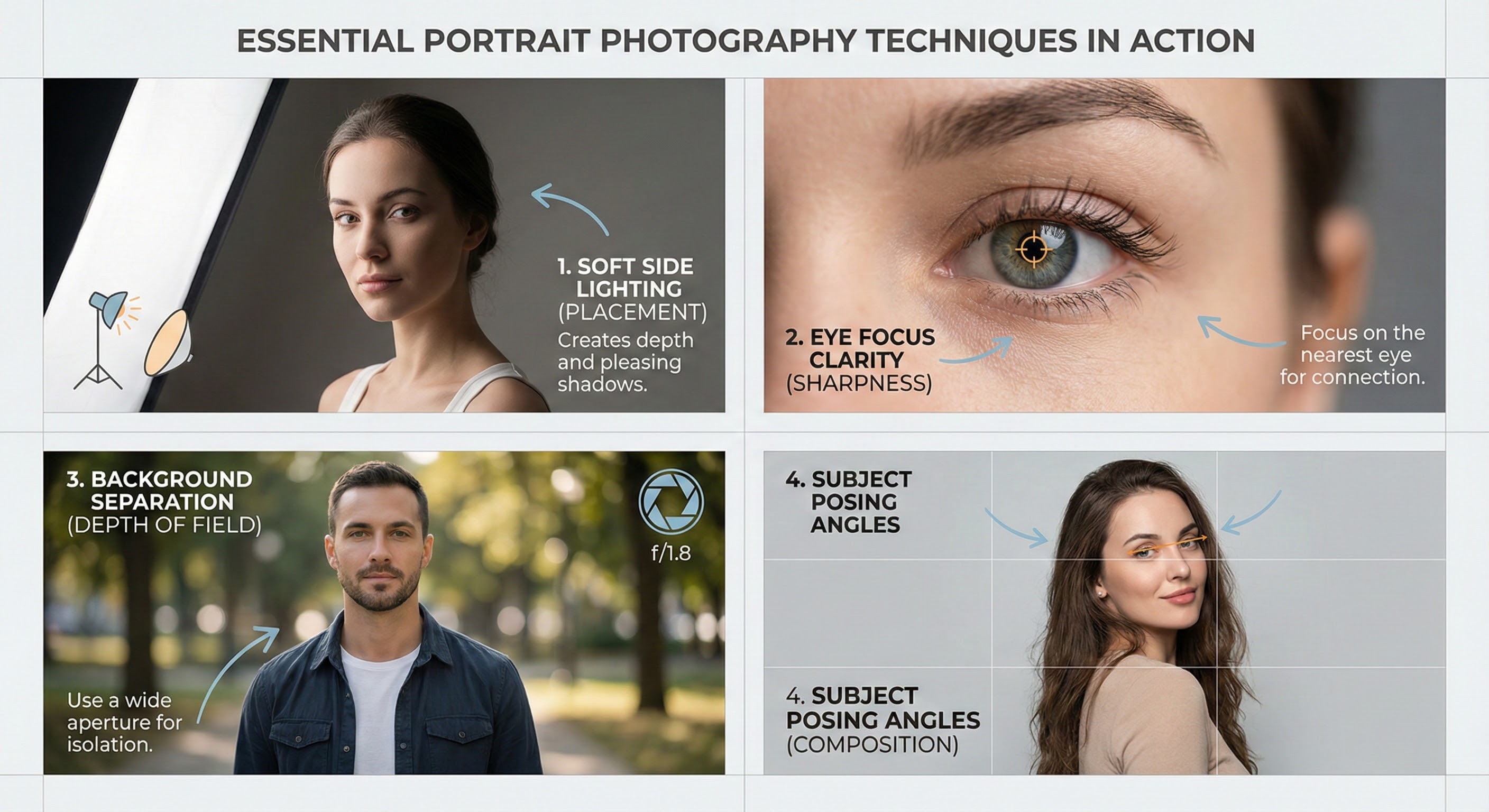
Essential Portrait Photography Tips for Stunning Images
Portrait photography is more than just taking pictures of people it’s an art form that captures emotions, personalities, and stories in a single frame. Whether for personal memories, professional portfolios, or creative projects, portraits allow us to connect with the subject on a deeper level. In 2025, portrait photography has evolved with advanced techniques, creative styles, and digital editing tools, making it easier than ever to create striking images.
This guide will explore the definition of portrait photography, different types, practical tips, photo sizes, editing practices, and FAQs to help both beginners and seasoned photographers master this timeless art.
What Is Portrait Photography?
Portrait photography focuses on capturing a person’s essence rather than just their physical appearance. Unlike casual snapshots, portraits are carefully composed to reflect the subject’s mood, personality, and story. They can range from formal studio settings to candid lifestyle shots or artistic conceptual portraits.
Modern portrait photography emphasizes creativity, lighting, and post-processing techniques. The goal is to produce images that communicate emotion, tell a story, and leave a lasting impression. In 2025, photographers are combining traditional methods with digital tools to produce portraits that feel alive and authentic.
Types of Portrait Photography
Portrait photography is diverse, with several styles to choose from depending on your goals. Here are the main types widely used in 2025:
- Traditional / Studio Portraits
- These are classic, posed portraits taken in controlled studio environments.
- Professional lighting setups, backdrops, and precise camera settings help achieve perfect results.
- Ideal for corporate headshots, formal family photos, or professional portfolios.
- Lifestyle Portraits
- Capture subjects in real-life settings such as homes, cafes, or outdoor locations.
- Focuses on natural expressions and spontaneous moments.
- Great for brand storytelling, bloggers, or social media content.
- Candid Portraits
- Unposed and spontaneous, these portraits emphasize authenticity.
- Capture real emotions, laughter, or deep thought without the subject feeling “staged.”
- Excellent for events, street photography, or family moments.
- Environmental Portraits
- Show subjects in their natural surroundings, often highlighting their work, hobbies, or lifestyle.
- Combines portrait and landscape elements to tell a fuller story.
- Perfect for professionals, creatives, and documentary-style photography.
- Conceptual / Creative Portraits
- Artistic portraits that go beyond reality, often using props, creative lighting, or digital effects.
- Focus on visual storytelling, imagination, and thematic ideas.
- Used in advertising, fashion, editorial shoots, and fine art photography.
Portrait Photography Tips and Best Practices
To create compelling portraits, here are essential tips and practices for photographers in 2025:
- Lighting Matters Most:
Natural light offers softness and authenticity, while studio lights provide full control. Experiment with side lighting, backlighting, and diffusers. - Focus on the Eyes:
Eyes are the focal point in portraits. Ensure they are sharp, well-lit, and expressive to create connection. - Perfect Composition:
Use rules like the rule of thirds, leading lines, framing, and symmetry to enhance visual impact. - Background Selection:
Keep backgrounds uncluttered or contextually relevant. Environmental portraits benefit from including surroundings that tell a story. - Lens Choice:
Prime lenses like 50mm, 85mm, or 105mm with wide apertures (f/1.4–f/2.8) create beautiful bokeh and subject separation. - Engage Your Subject:
Build rapport to help the subject feel comfortable. Candid expressions are easier when people relax. - Experiment with Angles:
Don’t stick to eye-level shots only. Shooting from high or low angles can add creativity and uniqueness. - Post-Processing Matters:
Subtle retouching, color correction, and lighting adjustments enhance portraits while maintaining authenticity. Avoid over-editing.
Portrait Photo Sizes
Choosing the right portrait size depends on the platform and purpose:
- Print Sizes: 4×6, 5×7, 8×10, 11×14, or larger wall portraits for framing and display.
- Digital Sizes: 1080x1350px for Instagram, 1200x1800px for web galleries, and high-resolution images for professional portfolios.
- Aspect Ratios: Common ratios include 4:5, 3:2, and 1:1 depending on display requirements.
- Framing Considerations: Leave space for cropping or decorative borders if printing large canvases.
Now It’s Time to Edit Your Portraits
Editing enhances your portrait without losing its natural feel:
- Skin Retouching: Smooth imperfections gently to retain authenticity.
- Color Correction: Adjust tones for warmth, mood, or realism.
- Lighting Enhancements: Brighten shadows, add highlights, or use dodge-and-burn techniques.
- Background Adjustment: Blur or replace backgrounds for emphasis on the subject.
- Creative Effects: Apply subtle filters, split toning, or artistic effects to make portraits stand out.
Portrait Photography FAQs
Q1: Can I shoot professional portraits with a smartphone?
Yes! Modern smartphones with portrait modes and editing apps can achieve impressive results, especially in good lighting.
Q2: How do I make subjects feel comfortable?
Talk to them, build rapport, give clear directions, and encourage natural movement. Candid moments create authenticity.
Q3: What lens is ideal for portraits?
Prime lenses like 50mm, 85mm, or 105mm with wide apertures create shallow depth of field and beautiful bokeh.
Q4: How do I choose the best portrait style?
Consider your subject, purpose, and story. Studio portraits work for formal needs, while lifestyle and candid portraits are perfect for natural storytelling.
Q5: Is post-processing necessary?
Yes, subtle editing enhances the image, but over-editing can make the portrait look unnatural. Balance is key.