

Kilobyte vs Megabyte: Sizes, Conversions & Examples
June 9, 2026
10 Best Digital Cameras for Kids: Top Picks for Preschoolers+
June 11, 2026
You don’t need to drain your savings to shoot stunning photos or cinematic video. The budget camera market in 2026 looks better than ever, with mirrorless bodies, hybrid compacts, and even leftover DSLRs that match what flagship cameras delivered just five years ago. Whether you sell on Etsy, vlog on YouTube, build a wedding portfolio, or simply want sharper family memories, the right entry-level body unlocks creative freedom fast.
This guide walks you through the top affordable digital cameras worth buying right now, broken down by use case — vlogging, street photography, hybrid shooting, travel, and pure stills. Every recommendation pulls from real-world testing, current pricing, and what photographers actually love (and dislike) about each model.
Editing tip for new camera owners: Once you start shooting more, clean cutouts and shadows matter. Try our professional clipping path service to give every product, portrait, or social media post a polished, store-ready finish.
- What Counts as a “Budget” Camera in 2026?
- How We Picked These Cameras
- 1. Canon EOS R10 — Best Overall Budget Mirrorless
- 2. Nikon Z50 II — The Best Performer Under $1,000
- 3. Sony ZV-E10 II — Best for Vloggers and Content Creators
- 4. Fujifilm X-T30 II — Best Retro APS-C for Stills Lovers
- 5. Sony a6100 — The Most Affordable Sony Mirrorless Kit
- 6. Canon EOS R50 — Best for Absolute Beginners
- 7. Canon PowerShot V1 — Best Premium Compact for Vloggers
- 8. Fujifilm X-M5 — Best Lightweight Hybrid Under $1,000
- 9. Nikon D3500 — Still the Best Budget DSLR in 2026
- 10. Sony ZV-1F — The Cheapest Real Vlog Camera
- Quick Side-by-Side Comparison
- Budget Camera Buying Checklist
- Real-World Use Cases — Which Camera Suits You?
- Should You Buy New, Refurbished, or Used?
- Common Mistakes Budget Buyers Make
- Editing and Post-Processing Tips for Budget Camera Owners
- Frequently Asked Questions
- Final Verdict — Which Budget Camera Should You Buy?
What Counts as a “Budget” Camera in 2026?
The definition keeps shifting. Three years ago, “budget” meant $400 entry-level DSLRs. Today, the sweet spot sits between $500 and $1,200 — a range that buys you 4K video, hybrid autofocus, and APS-C sensors that rival pro full-frame bodies from 2018.
Here’s how this guide breaks the categories down:
- Under $600 — Ultra-budget picks for absolute beginners and students
- $600–$900 — The “best value” zone where most readers should shop
- $900–$1,200 — Slightly stretched budgets with near-pro features
- Compact and vlogging — Fixed-lens cameras that beat any smartphone
According to DPReview’s 2026 buying guide, the Canon EOS R10 currently holds the title of “best overall camera under $1,000” — but it isn’t the only smart pick, and you’ll see why below.
How We Picked These Cameras
We didn’t just rank cameras by spec sheets. Our methodology weighs:
- Real-world image quality — Sensor performance in low light, dynamic range, color science
- Autofocus reliability — Especially eye-detect, animal AF, and continuous tracking
- Video chops — 4K resolution, bitrate, log profiles, recording limits
- Ergonomics — Grip comfort, button layout, viewfinder usability
- Lens ecosystem — Affordable lens choices that grow with you
- Resale value — Cameras that hold their price if you upgrade later
Each model passed at least two of these filters before earning a spot.
1. Canon EOS R10 — Best Overall Budget Mirrorless
The Canon EOS R10 keeps winning because it nails the basics and adds class-leading subject detection. You get a 24.2MP APS-C sensor, Canon’s Dual Pixel AF II, and uncropped 4K30 video from oversampled 6K capture. The body weighs just 429g — feather-light for an interchangeable-lens camera.
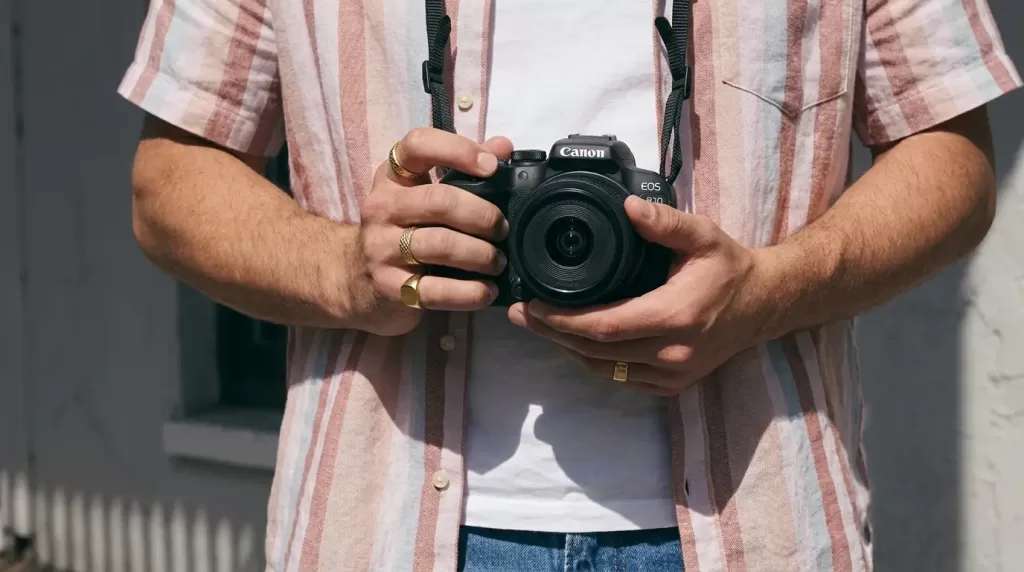
Why it stands out:
- 15fps mechanical / 23fps electronic burst — fast enough for kids, sports, and birds
- Subject recognition for people, animals, and vehicles
- Body-only price hovers around $879–$979 in 2026
- Compact RF-S lens lineup keeps the whole kit light
Watch outs:
- No in-body image stabilization (IBIS)
- The RF-S native lens roster is still growing
- Battery life is modest at around 350 shots per charge
The R10 suits beginners who want a “buy once, grow into it” body. If you’re upgrading from a smartphone and shoot a mix of stills and casual video, it’s the easiest recommendation to make.
2. Nikon Z50 II — The Best Performer Under $1,000
Nikon raised the bar with the Z50 II. Released in late 2024, this camera borrows the Expeed 7 processor from the much pricier Z8 and Z9. That single upgrade transforms autofocus, buffer depth, and noise handling.
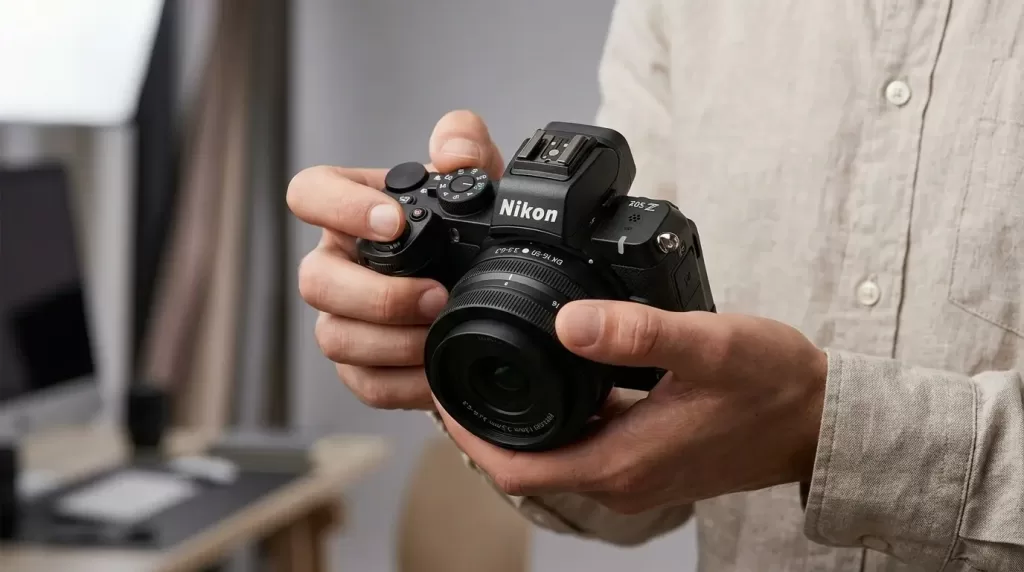
Highlights:
- 20.9MP APS-C sensor with excellent dynamic range
- Up to 11fps mechanical burst with full AF tracking
- Dedicated Picture Control button lets you flip film looks instantly
- 4K UHD at 30p oversampled, plus 4K60 with a crop
- Body-only retails around $909, kit at $1,049
Trade-offs:
- No IBIS (lens stabilization only)
- Single SD card slot
- Plastic build feels less premium than Canon’s R10
The Nikon Z50 II especially shines for street photographers and travel shooters who want robust JPEG quality straight out of the camera. The button layout mimics Nikon’s pro bodies, so if you ever move up to a Z6 III or Z8, muscle memory transfers cleanly.
3. Sony ZV-E10 II — Best for Vloggers and Content Creators
If you build content on YouTube, Instagram Reels, or TikTok, the Sony ZV-E10 II deserves the top spot on your shortlist. Sony stripped out the viewfinder, added a fully articulating screen, and packed in their latest 26MP APS-C sensor.
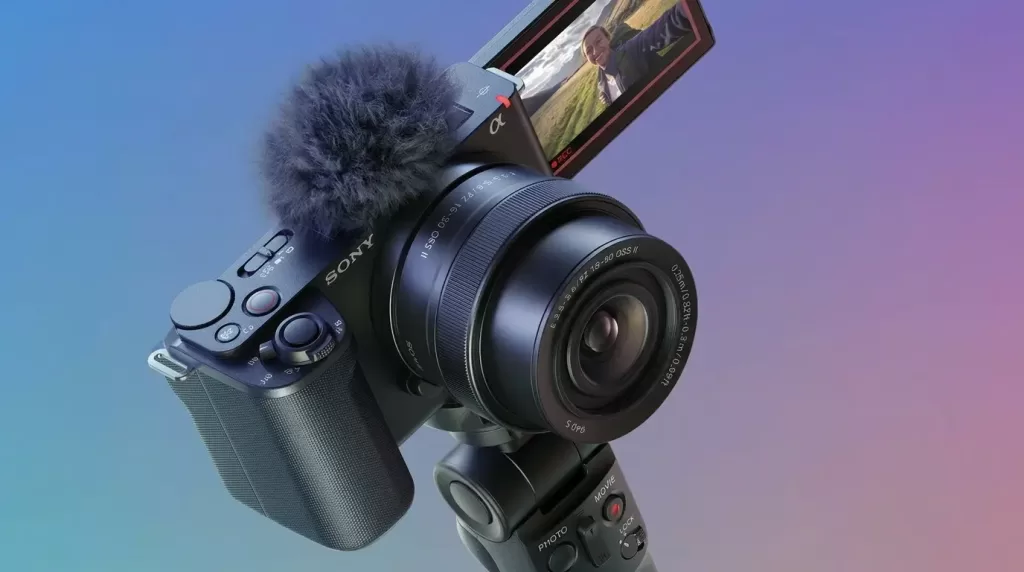
Standout video features:
- 10-bit 4:2:2 color recording
- 4K60p (with a 1.1x crop) plus uncropped 4K30
- Product showcase mode, Background Defocus button, and Cinematic Vlog setting
- Best-in-class real-time eye AF for solo creators
Considerations:
- No viewfinder — you’ll rely entirely on the screen
- No IBIS (use Active SteadyShot or a gimbal)
- Body alone runs about $998; the kit lands at $1,098–$1,198
Creating product videos or e-commerce shots? Our background removal service cleans up every frame, banner, and thumbnail for crisp, pro-grade visuals across your channels.
4. Fujifilm X-T30 II — Best Retro APS-C for Stills Lovers
The X-T30 II remains a cult favorite — and for good reason. Fujifilm’s 26.1MP X-Trans sensor produces colors many photographers still consider the most pleasing on the market, especially for skin tones and street scenes. Tactile dials replace menus, and the camera invites you to slow down and shoot deliberately.
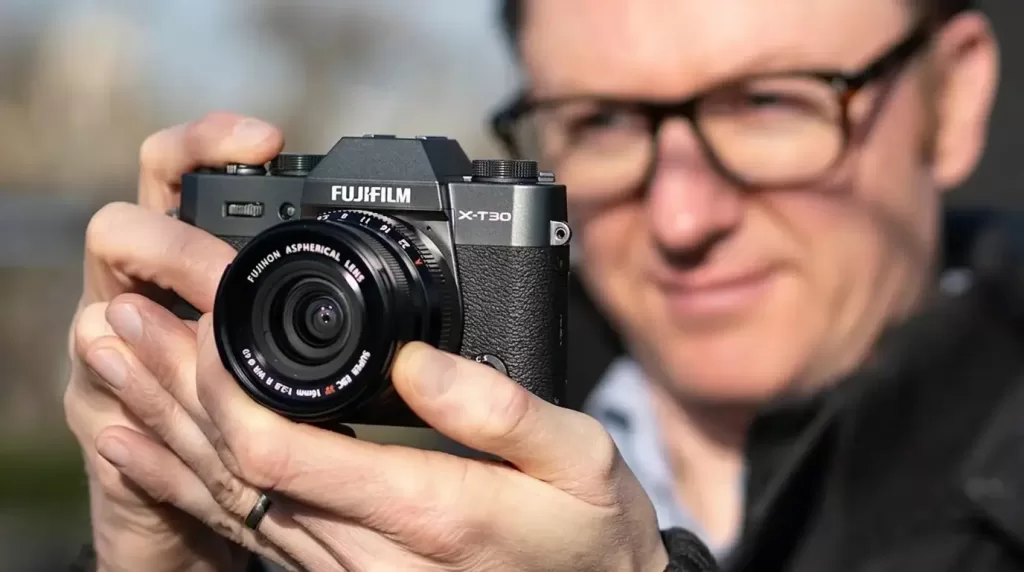
Why people love it:
- Built-in Film Simulations (Classic Chrome, Acros, Velvia) that nail JPEGs in-camera
- Compact, lightweight, and pocketable with a pancake lens
- Body-only price now sits around $769–$899 depending on stock
- Great 4K30 video for an entry-level body
Limitations:
- AF tracking trails Sony and Canon
- Single SD card slot
- Battery life around 380 shots
This camera fits travelers, journal-style storytellers, and street shooters who care more about feel and color than autofocus wizardry.
5. Sony a6100 — The Most Affordable Sony Mirrorless Kit
The a6100 has aged like a fine wine. Sony slashed its price in 2025, making it one of the cheapest paths into the E-mount ecosystem. You get a 24.2MP APS-C sensor, real-time tracking AF, and access to dozens of affordable third-party lenses from Sigma, Tamron, and Viltrox.
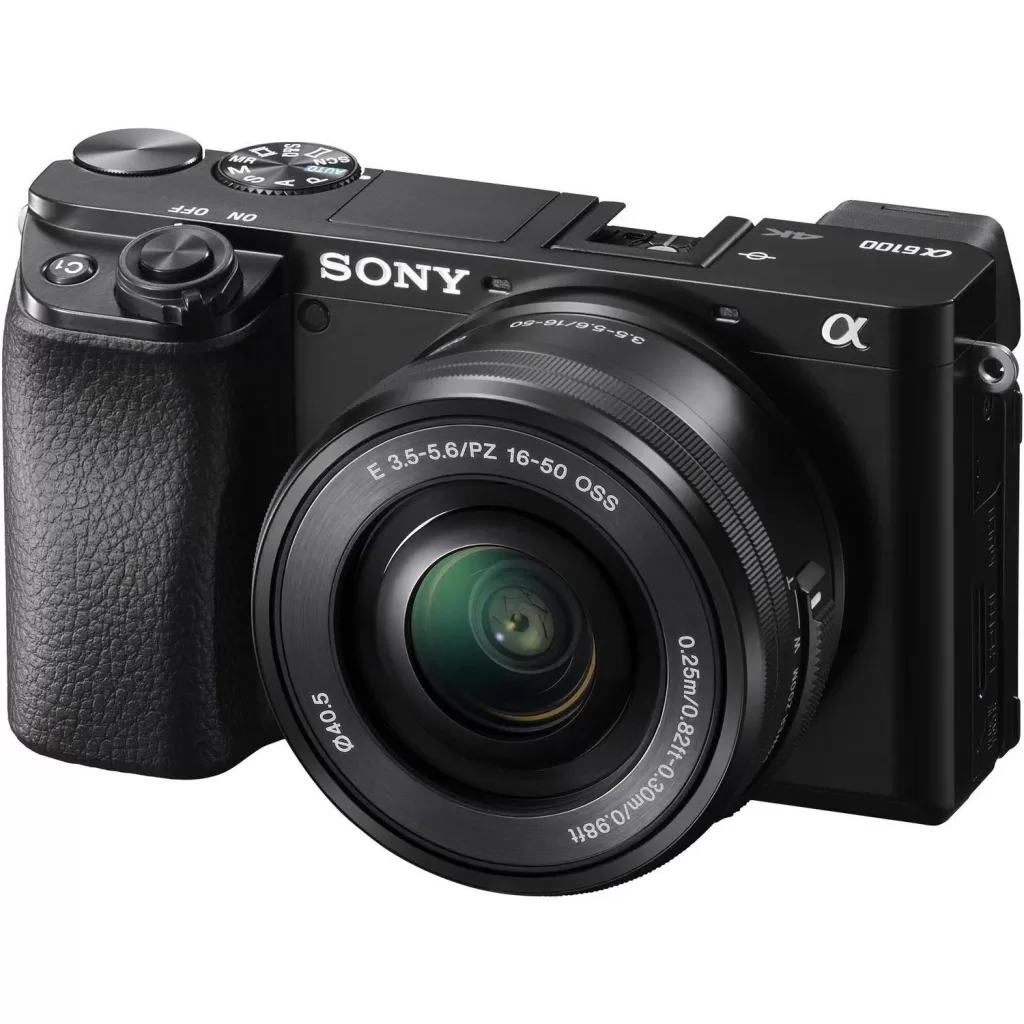
Pros:
- Often found in kit form around $748–$848
- Eye AF for humans and animals
- 11fps burst with full tracking
- Built-in pop-up flash and EVF
- Massive third-party lens support
Cons:
- Menu system feels dated
- No 10-bit video
- Touchscreen functionality stays limited
For students and absolute beginners chasing image quality on a tight budget, the a6100 still beats almost everything else at the price.
6. Canon EOS R50 — Best for Absolute Beginners
The R50 strips Canon’s mirrorless tech down to its friendliest form. It uses the same sensor and processor lineage as the R10 but in a smaller, simpler body aimed at first-time owners.
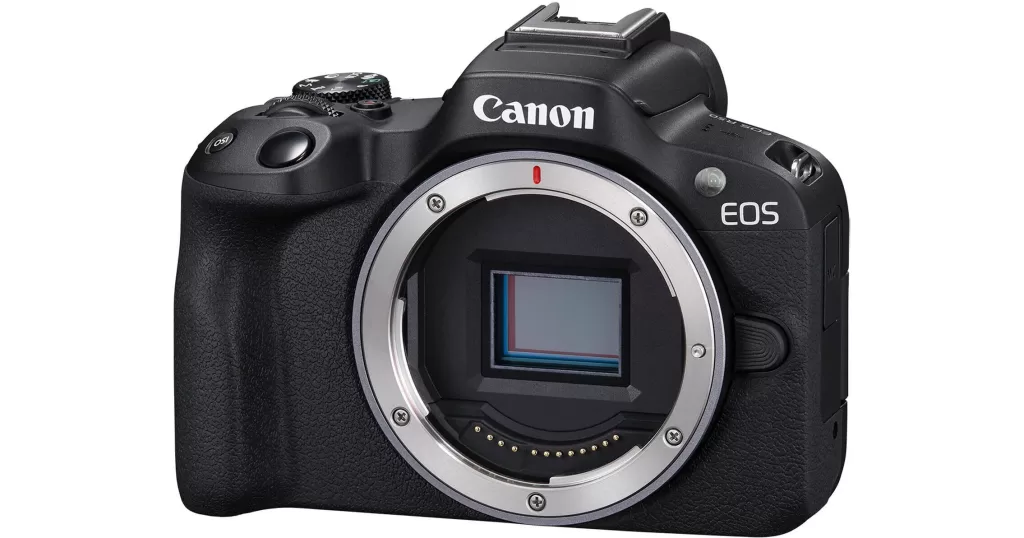
Key strengths:
- Kit price under $799 with the 18-45mm lens
- Lightweight at 375g (body only)
- Auto modes that genuinely help newcomers learn
- Vari-angle touchscreen perfect for selfies and vlogs
- Same Dual Pixel AF II as higher-end Canon bodies
Drawbacks:
- Limited buffer for sports
- Single control dial slows down manual users
- No headphone jack
If your goal is to upgrade from your phone and never look back, the R50 makes that jump effortless.
7. Canon PowerShot V1 — Best Premium Compact for Vloggers
For creators who hate swapping lenses, the Canon PowerShot V1 is the most exciting compact launch of 2025–2026. Canon stuffed a 1.4-inch sensor into a pocketable vlog camera with a built-in fan for unlimited 4K recording.
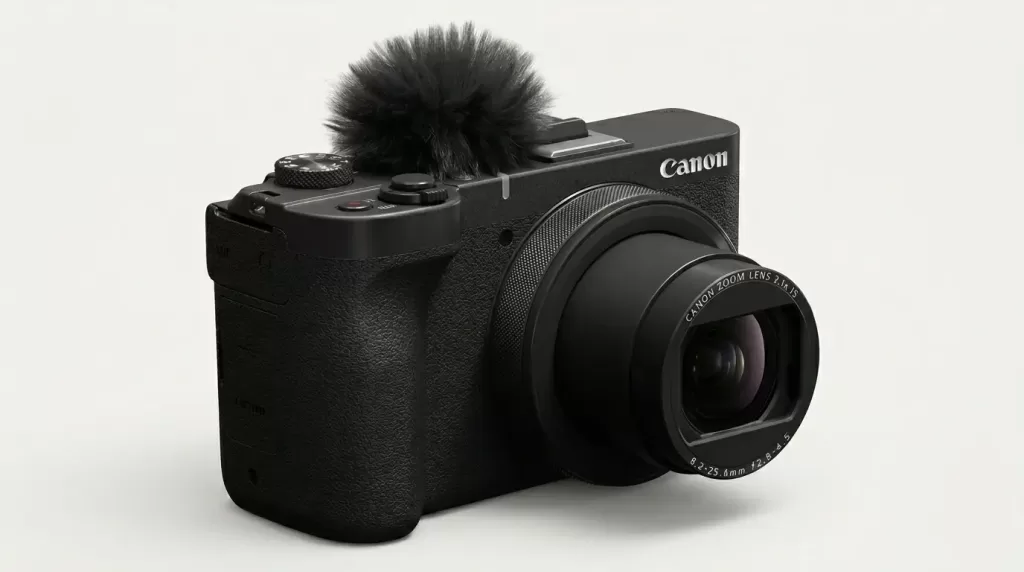
What makes it special:
- Ultra-wide 16-50mm equivalent zoom (17-52mm in video crop)
- 4K 60p with active cooling — no overheating shutdowns
- Built-in stereo mics plus mic input
- Effective in-body and lens stabilization
- Priced around $899–$999
Caveats:
- Fixed lens (no upgrades)
- 1.4-inch sensor still trails APS-C cameras for low-light stills
- Limited buffer for rapid stills
Selling products online? Our ghost mannequin service turns flat-lay or model shots into hollow, magazine-worthy apparel imagery — perfect for Shopify, Etsy, and Amazon listings.
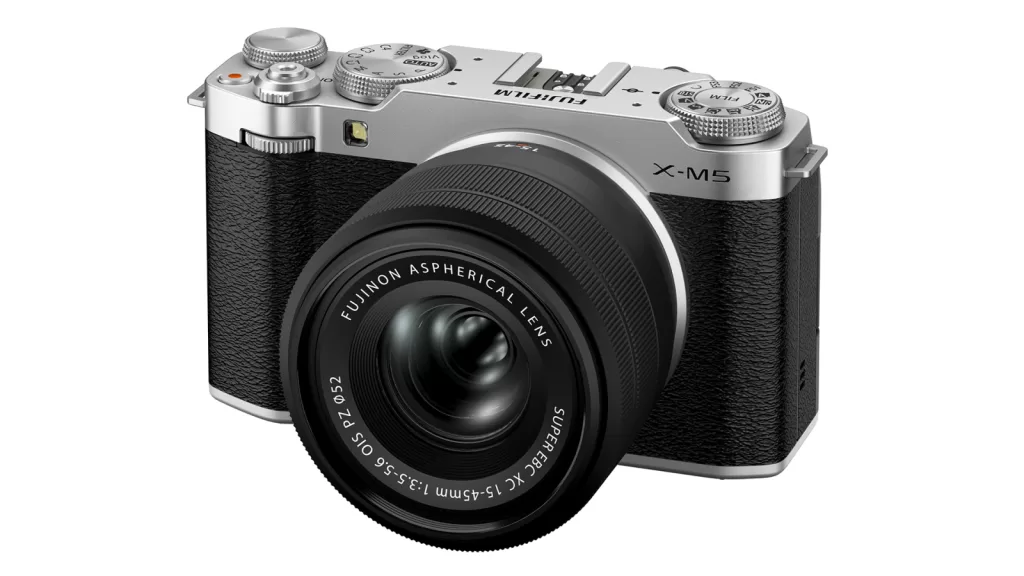
8. Fujifilm X-M5 — Best Lightweight Hybrid Under $1,000
Fujifilm’s X-M5 surprised reviewers by packing a powerful video toolkit into a tiny, viewfinder-less body. The result feels like a mini X-T5 for content creators who also love photography.
Highlights:
- 26.1MP X-Trans CMOS 4 sensor
- 6.2K open-gate video plus 4K60
- 20 Film Simulations including Reala Ace
- AI subject detection for animals, vehicles, birds
- Compact 355g body, around $799 body-only
Things to weigh:
- No EVF
- No IBIS
- Smaller grip — handheld with bigger lenses feels awkward
For dual-purpose creators who shoot both portraits and Reels, the X-M5 gives you Fuji’s signature colors without crossing the $1,000 line.
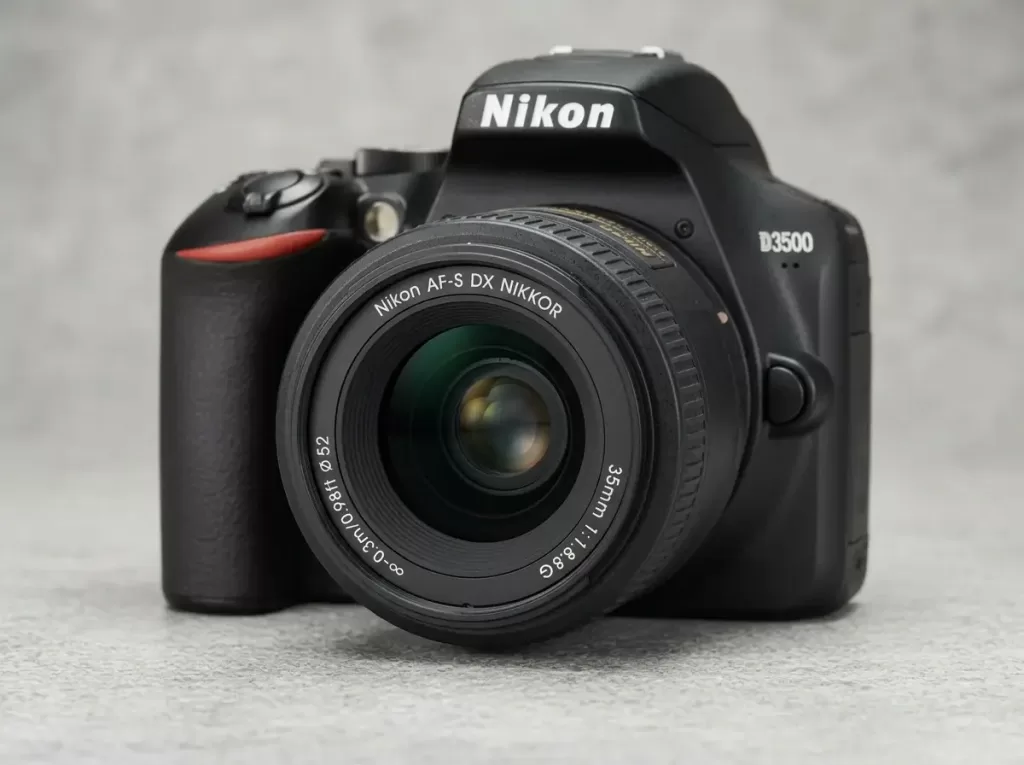
9. Nikon D3500 — Still the Best Budget DSLR in 2026
Mirrorless dominates the conversation, but the Nikon D3500 refuses to die. Its 24.2MP DX sensor, legendary battery life (around 1,550 shots per charge), and the world’s largest used-lens library make it unbeatable in pure dollar-per-feature value.
Why it still matters:
- Used kits regularly sell for $350–$500
- Optical viewfinder means zero lag, easy on the eyes
- Guide Mode walks complete beginners through every setting
- Compatible with thousands of affordable F-mount lenses
Drawbacks:
- No 4K video (only 1080p)
- No touchscreen
- Live View AF lags badly
The D3500 fits photography students, hobbyists on the tightest budgets, and travelers who want one bag-friendly DSLR with all-day battery life.
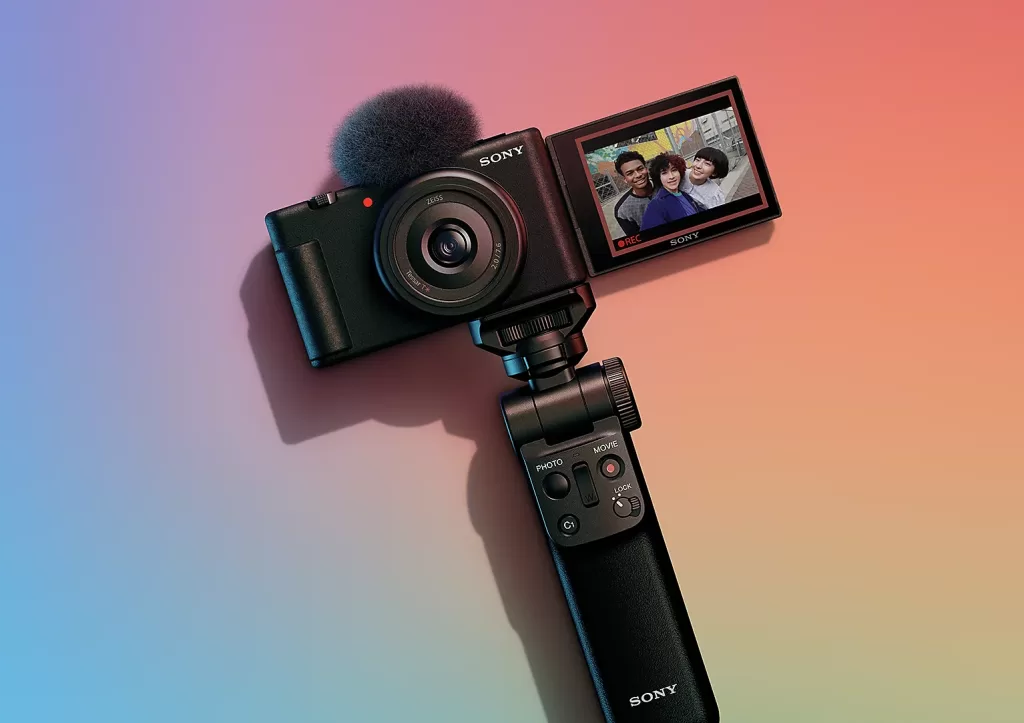
10. Sony ZV-1F — The Cheapest Real Vlog Camera
If you need a one-touch vlog tool under $500, the Sony ZV-1F is hard to beat. The fixed 20mm equivalent f/2 lens stays ultra-wide for arm’s-length shooting, and the tiny body slips into any pocket.
What you get:
- 1-inch Exmor RS sensor
- Forward-facing screen and integrated directional mic
- Background Defocus and Product Showcase modes
- 4K30 with a slight crop
- Body weighs just 256g
What you give up:
- No optical zoom (digital only)
- Contrast-detect AF only — slower than newer Sonys
- No EVF
This camera works best for casual creators, college vloggers, and travelers who want better-than-phone clips without the learning curve of an interchangeable-lens system.
Quick Side-by-Side Comparison
| Camera | Sensor | Best For | Price (Approx.) | Video |
|---|---|---|---|---|
| Canon EOS R10 | 24.2MP APS-C | All-rounder beginners | $879 | 4K30 oversampled |
| Nikon Z50 II | 20.9MP APS-C | Stills + AF performance | $909 | 4K30, 4K60 crop |
| Sony ZV-E10 II | 26MP APS-C | YouTube creators | $998 | 4K60 (1.1x crop) |
| Fujifilm X-T30 II | 26.1MP X-Trans | Street + travel stills | $769 | 4K30 |
| Sony a6100 | 24.2MP APS-C | Cheapest Sony entry | $748 | 4K24 |
| Canon EOS R50 | 24.2MP APS-C | Absolute beginners | $679 | 4K30 |
| Canon PowerShot V1 | 1.4″ Type | Premium compact vlog | $899 | 4K60 (no limit) |
| Fujifilm X-M5 | 26.1MP X-Trans | Hybrid creators | $799 | 6.2K open-gate |
| Nikon D3500 | 24.2MP APS-C | Best used DSLR | $400 used | 1080p only |
| Sony ZV-1F | 1″ Exmor RS | Cheapest vlog cam | $498 | 4K30 (crop) |
Budget Camera Buying Checklist
Before you click “buy,” run through this list:
- ✓ Lens ecosystem — Confirm your chosen brand offers affordable lenses you actually need
- ✓ Battery type — Some cheaper cameras still ship without USB-C charging
- ✓ Memory card speed — 4K video demands UHS-II or V60-rated cards
- ✓ Audio inputs — A 3.5mm mic jack matters more than headphone monitoring for most beginners
- ✓ Weight with kit lens — Anything over 700g total tires your arm on long walks
- ✓ Refurbished pricing — Canon Refurbished, Nikon Refurbished, and B&H Used carry full warranties at 15–25% off
For deeper lens advice, Photofixal’s guide to the best mirrorless cameras breaks down body/lens pairings for every shooting style — worth bookmarking before you commit.
Real-World Use Cases — Which Camera Suits You?
For YouTubers and TikTokers
Grab the Sony ZV-E10 II if you want interchangeable lenses, or the Canon PowerShot V1 if you’d rather not deal with lens swaps. Both shoot pro-grade 4K and include creator-friendly features baked into the menu.
For Travel and Street Photographers
Pick the Fujifilm X-T30 II for that gorgeous color science, or the Nikon Z50 II if you crave faster autofocus. Both bodies stay light enough for daily carry without ditching a serious sensor.
For Product Sellers and Etsy Owners
The Canon EOS R10 or Sony a6100 with a 50mm prime delivers tack-sharp product shots for under $1,000. Pair with a softbox kit and a turntable, and you’ll out-shoot most competitors on Amazon.
Selling clothes, jewelry, or accessories? Our image masking service handles hair, fur, and transparent objects — the edge cases AI tools usually butcher.
For Family and Lifestyle Shooters
The Canon EOS R50 is the friendliest pick. Reliable Auto mode, lightweight body, and full Wi-Fi sharing make it the camera your spouse and kids will also enjoy using.
For Sports, Wildlife, and Action
The Nikon Z50 II edges ahead thanks to its Expeed 7 processor and animal-eye AF. Pair it with the affordable Z DX 50-250mm and you’ve got a real wildlife rig under $1,400 total.
Should You Buy New, Refurbished, or Used?
A smart secondhand purchase often beats a new entry-level body. Here’s a quick rule:
- Buy new — When you need warranty support, the latest AF tech, or financing through the brand
- Buy refurbished — When you want 95% of “new” condition for 15–25% less (B&H, KEH, MPB, Canon Direct, Nikon Direct)
- Buy used — When you’re confident inspecting shutter counts, sensors, and lenses (KEH, MPB, eBay sellers with strong feedback)
According to MPB’s 2026 budget guide, well-cared-for used bodies like the Nikon Z fc, Sony a6400, and Panasonic GX9 deliver flagship-grade quality at a fraction of new prices.
Bringing old portraits or family photos back to life? Our photo retouching service removes blemishes, smooths skin, and restores faded images so every memory stays sharp.
Common Mistakes Budget Buyers Make
Even experienced shoppers slip up. Watch out for these traps:
- ✕ Buying the kit lens and stopping there — The bundled 18-55mm rarely shows what your camera can do. Add a $150 50mm f/1.8 and your photos transform overnight.
- ✕ Chasing megapixels — A 24MP sensor with great low-light handling beats a 32MP sensor with noisy shadows every time.
- ✕ Forgetting about storage and backups — A camera without a fast SD card and external drive is a half-finished system.
- ✕ Ignoring ergonomics — If you can’t comfortably reach the shutter button, you won’t carry the camera. Try before you buy when possible.
- ✕ Skipping the warranty step — Always register your camera within 30 days for manufacturer support and firmware perks.
Editing and Post-Processing Tips for Budget Camera Owners
A great camera only gets you halfway. The other half lives in your editing workflow:
- Shoot in RAW + JPEG so you keep flexibility without filling your card immediately
- Use Lightroom Mobile (free tier works) or Darktable (open source) before committing to expensive desktop software
- Build a color preset library — three to five looks save hours every week
- Outsource the heavy lifting (cutouts, retouching, shadow work) when client volume grows
Need clean cutouts across hundreds of product images? Our multi-clipping path service handles complex shapes and bulk projects with consistent quality you can scale.
Frequently Asked Questions
1. What’s the best budget camera for a complete beginner in 2026?
The Canon EOS R50 wins for most people. It costs under $800, the auto mode genuinely teaches you exposure basics, and the vari-angle screen helps when you film yourself. If you prefer Nikon’s color science, the Z50 II is a slightly pricier but more capable alternative.
2. Should I buy a DSLR or mirrorless in 2026?
Go mirrorless unless you find a used DSLR steal. Mirrorless cameras pack lighter bodies, faster autofocus, and modern video codecs. The Nikon D3500 still earns a spot here only because its used price is unbeatable.
3. Are budget cameras good enough for professional client work?
Yes — with caveats. Wedding shooters, real estate photographers, and product shooters routinely use cameras like the Canon R10 and Fujifilm X-T30 II for paid jobs. Pair the body with quality prime lenses, dial in your lighting, and clients won’t see a difference.
4. How important is in-body image stabilization (IBIS) on a budget?
It’s a nice-to-have, not a must-have. None of the cameras under $1,000 on this list include IBIS — and millions of pros shot brilliant work for decades without it. Lens stabilization, faster shutter speeds, or a small gimbal cover most use cases.
5. Can I vlog with a smartphone instead?
You can, but a real camera changes the look immediately. Background separation, true depth of field, and external mic support give you a polish smartphones still can’t match. The Sony ZV-1F or Canon PowerShot V1 cost less than a premium phone case in the long run.
6. What’s the smartest accessory to buy first?
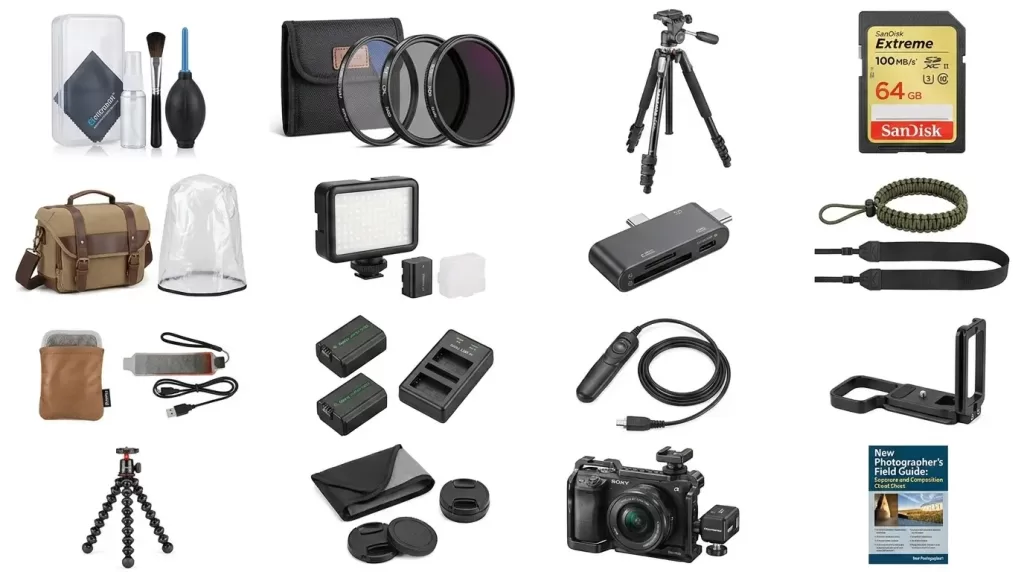
A fast 50mm or 35mm equivalent prime lens. These run $150–$250 and dramatically improve low-light shots and portraits. Skip extra straps, gimmicky filters, and overpriced bags until you’ve used your camera for at least three months.
7. How long does a budget camera realistically last?
Most modern mirrorless bodies handle 100,000+ shutter actuations. With moderate use, you’ll get 5–8 years before any hardware concern surfaces. Most photographers upgrade because they want new features — not because their old camera died.
8. Where can I learn to use my new camera fast?
YouTube tutorials specific to your model accelerate learning more than any beginner book. Also explore Photofixal’s guide to the best mirrorless cameras for context on body/lens pairings, and consider one structured online course in your first month.
Final Verdict — Which Budget Camera Should You Buy?
After weighing every spec, price tag, and real-world review:
- Best Overall: Canon EOS R10
- Best Performance: Nikon Z50 II
- Best for Creators: Sony ZV-E10 II
- Best Compact Vlog Camera: Canon PowerShot V1
- Best for Beginners: Canon EOS R50
- Best Used DSLR: Nikon D3500
There’s no wrong answer in this lineup. Pick the camera that matches the way you shoot most often, invest in one quality lens, and start creating. The body in your hands always beats the dream camera sitting in a wishlist.
Want every shot to look gallery-ready? Our shadow creation service adds natural drop, reflection, and floating shadows that make any product or portrait pop with professional depth.