

Best Nikon Lenses for Product Photography in 2026
February 6, 2026
How Big Is a 5×7 Photo | A Detailed Explanation
February 9, 2026
In today’s digital world, a strong professional headshot captures attention and builds trust right away. People form opinions quickly based on profile pictures across LinkedIn, company websites, and social media. Professionals use headshots to showcase their personality, competence, and approachability. This article dives into various professional headshot examples, offers practical tips, and guides you through creating or improving your own. Whether you work in corporate settings, creative fields, or entrepreneurship, these insights help you stand out.
Professionals often overlook how a well-crafted headshot influences opportunities. Recruiters scan profiles in seconds, and clients decide on collaborations based on first impressions. Headshots go beyond simple photos; they tell stories about your brand. You find inspiration from real-world examples that highlight key elements like lighting, posing, and background choices. Experts emphasize that the best headshots feel authentic and align with your industry. This guide explores those elements step by step, drawing from proven strategies that elevate profiles.
- What Defines a Standout Professional Headshot?
- Types of Professional Headshots for Different Careers
- Inspiring Professional Headshot Examples from Real Pros
- Essential Posing Tips for Flattering Headshots
- Mastering Lighting for Professional Headshots
- Choosing the Right Background for Your Headshot
- Editing Techniques to Polish Your Headshot
- Hiring Experts for Flawless Headshots
- Common Mistakes to Avoid in Headshot Photography
- Updating Your Headshot for Ongoing Relevance
- FAQs
What Defines a Standout Professional Headshot?
You create a standout professional headshot by focusing on clarity, expression, and relevance. Clarity starts with high resolution aim for at least 400×400 pixels to ensure sharpness on all platforms. Blurry or pixelated images detract from your professionalism. Expression matters immensely; a genuine smile conveys warmth and confidence. Professionals avoid forced grins and opt for natural looks that invite connection. Relevance ties into your field corporate roles favor polished attire, while creative jobs allow more personality.
Photographers stress the importance of eye contact. Your eyes engage viewers directly, building an instant rapport. They recommend practicing in front of mirrors to find your most comfortable gaze. Composition plays a role too; crop from the shoulders up to keep the focus on your face. Avoid distractions like busy patterns or props unless they add value. Many successful headshots use simple setups that highlight the subject. You achieve this by planning sessions thoughtfully, considering your goals and audience.
Industry leaders note that headshots evolve with trends. Modern examples lean toward authenticity over perfection. People respond better to relatable images than overly edited ones. You balance enhancement with reality to maintain trust. This approach ensures your headshot represents you accurately in professional networks.
Types of Professional Headshots for Different Careers
Professionals tailor headshots to their careers for maximum impact. Corporate headshots often feature neutral backgrounds and formal clothing. Executives in finance or law wear suits and ties, projecting authority. A male executive might pose with crossed arms and a subtle smile, emphasizing leadership. Women in similar roles choose blazers and minimal jewelry to convey poise. These examples work well on LinkedIn profiles and company bios.
Creative professionals embrace more expressive styles. Artists and designers incorporate colorful elements or unique angles. A graphic designer could use a headshot with soft natural light and a relaxed posture, highlighting innovation. Musicians might add instruments subtly in the frame to reflect their passion. These headshots stand out on portfolios and social media, drawing in collaborators.
Entrepreneurs blend professionalism with approachability. Startup founders opt for casual yet polished looks, like button-down shirts against urban backdrops. This style signals innovation and accessibility. A tech entrepreneur’s headshot might show them in a coffee shop setting, smiling engagingly. Such examples resonate in networking events and investor pitches.
Healthcare workers prioritize trustworthiness. Doctors and nurses use clean, white backgrounds with friendly expressions. A physician’s headshot could include a stethoscope, but keep it minimal to avoid clutter. These images build patient confidence on clinic websites. Educators follow suit, using warm smiles to appear approachable for school directories.
Real estate agents focus on relatability. They pose outdoors near properties, wearing business casual attire. A smiling agent against a home backdrop invites potential clients. This type of headshot performs well in marketing materials. Each career demands specific tweaks, but all prioritize quality and authenticity.
Inspiring Professional Headshot Examples from Real Pros
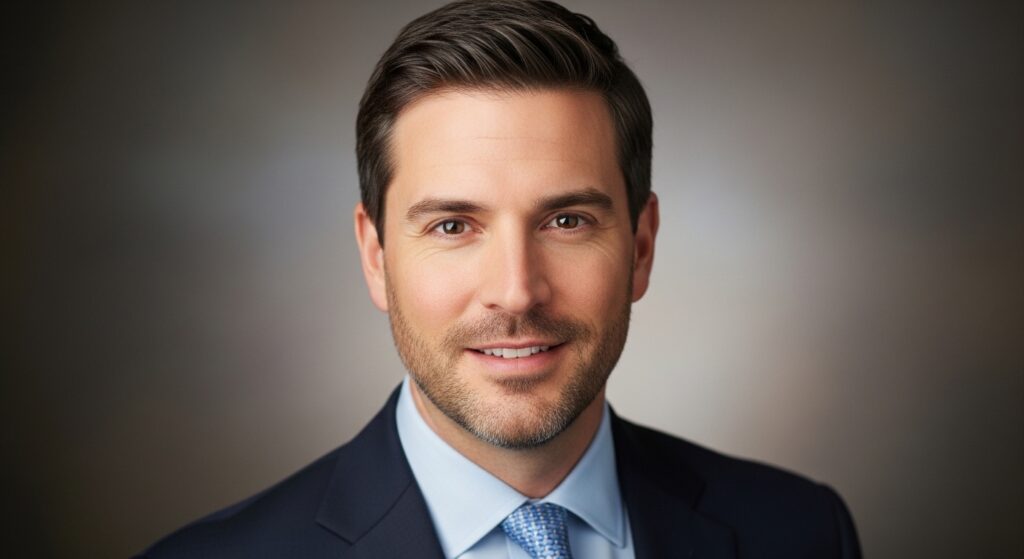
You draw inspiration from real professional headshot examples that demonstrate excellence. Consider a CEO’s headshot: she stands against a gray background, wearing a navy blazer, with her head slightly tilted for engagement. Her confident smile and direct gaze exude leadership. This style suits boardroom presentations and annual reports.
A marketing consultant’s example features outdoor natural light. He wears a light blue shirt, leaning forward slightly, with a genuine laugh. The blurred cityscape background adds context without overwhelming. Professionals in dynamic fields use this to show energy.
An author’s headshot captures introspection. She sits with crossed arms, looking thoughtfully at the camera, against a bookshelf backdrop. Her soft lighting highlights features naturally. Writers benefit from this thoughtful vibe on book jackets.
A software developer’s example uses a minimalist setup. He poses in a black turtleneck against white, with a subtle nod. This clean look appeals to tech companies on resumes.
A fitness trainer’s headshot bursts with vitality. She smiles broadly in activewear, with gym equipment faintly visible. Outdoor lighting adds freshness. Trainers leverage this for client attraction.
These examples illustrate versatility. You adapt them by identifying what resonates with your role. Photographers recommend studying multiple samples to refine your vision.

Essential Posing Tips for Flattering Headshots
You master posing to create flattering professional headshots. Start by standing tall with shoulders relaxed. This posture conveys confidence without stiffness. Tilt your chin slightly down to define your jawline. Avoid tucking it too far to prevent double chins.
Angle your body subtly away from the camera. This slimming technique adds dimension. Place one foot forward for balance. Photographers guide clients to shift weight naturally.
Experiment with hand positions. Rest hands in pockets casually, thumbs out, for a relaxed vibe. Or clasp them loosely in front. Keep movements minimal to focus on your face.
Smile variations enhance expressions. Practice a full smile, then a half-smile for versatility. Eyes crinkle genuinely in authentic ones. Breathe deeply to ease tension.
Professionals suggest multiple poses during sessions. Change angles slightly for options. Review shots immediately to adjust. These tips transform ordinary photos into compelling headshots.
Mastering Lighting for Professional Headshots
Lighting transforms professional headshots from average to exceptional. Natural light flatters most faces. Shoot during golden hour for warm, soft glows. Position yourself near windows indoors for even illumination.
Studio lighting offers control. Use softboxes to diffuse harsh shadows. Place lights at 45-degree angles for dimension. Avoid overhead sources that create unflattering under-eye shadows.
Catchlights add life to eyes. These small reflections make gazes sparkle. Reflectors bounce light to fill shadows naturally.
Outdoor shoots require awareness. Cloudy days provide diffuse light, ideal for even tones. Harsh sun demands shade to prevent squinting.
You test setups by taking sample shots. Adjust based on skin tone and features. Proper lighting highlights strengths and minimizes imperfections seamlessly.
Choosing the Right Background for Your Headshot
You select backgrounds that complement your professional headshot without distracting. Neutral colors like gray or white keep focus on you. These versatile options suit most industries.
Textured walls add subtle interest. Brick or wood backdrops work for creative roles, providing warmth. Ensure they don’t clash with clothing.
Outdoor settings offer variety. Parks or urban areas convey approachability. Blur backgrounds to emphasize your face.
Solid colors pop for bold statements. Blue evokes trust, green suggests growth. Match them to your brand.
Professionals advise testing multiple options. For more guidance, explore how to choose the best backgrounds for headshots to refine your choices.
Editing Techniques to Polish Your Headshot
You polish headshots through careful editing to enhance natural features. Start with cropping to frame the face perfectly. Adjust exposure for balanced brightness.
Color correction ensures accurate skin tones. Warm up cool shots or tone down overly vibrant ones. Tools like sliders make this straightforward.
Remove blemishes subtly. Spot healing targets temporary imperfections without altering structure. Smooth skin lightly to avoid unnatural looks.
Sharpen eyes and details. This draws attention where it matters. Avoid over-sharpening that creates artifacts.
For advanced edits, software like Adobe Photoshop provides powerful features. It allows precise adjustments for professional results. Follow tutorials to master these techniques.
Hiring Experts for Flawless Headshots
You hire photo editing services to achieve flawless results efficiently. These experts handle complex tasks like background removal and retouching. They ensure pixel-perfect outcomes for professional use.
Services specialize in portraits, offering quick turnarounds. Upload images, specify needs, and receive edited versions promptly. This saves time for busy professionals.
Look for providers with strong portfolios. They manage everything from color changes to shadow additions. Reliable options like Clipping Expert Asia deliver high-quality edits tailored to your requirements.
Compare pricing and reviews. Start with small projects to test quality. Expert help elevates your headshot beyond DIY efforts.
Common Mistakes to Avoid in Headshot Photography
You avoid common mistakes to ensure your professional headshot shines. Over-editing tops the list; it creates unnatural appearances. Stick to subtle enhancements.
Poor lighting ruins many shots. Harsh shadows or flat looks diminish impact. Always prioritize soft, even illumination.
Inappropriate attire distracts viewers. Choose clothes that fit your industry and fit well. Wrinkles or bold patterns pull focus away.
Forced expressions feel inauthentic. Practice natural smiles to capture genuine warmth.
Ignoring composition leads to unbalanced images. Center your face and crop thoughtfully. These pitfalls, once sidestepped, yield superior results.
Updating Your Headshot for Ongoing Relevance
You update headshots periodically to stay relevant. Career changes or new styles warrant fresh images. Aim for refreshes every two to three years.
Monitor trends in your field. Modern looks incorporate casual elements for approachability. Review profiles of peers for inspiration.
Seasonal updates align with branding shifts. New haircuts or weight changes prompt sessions. Keep images current to reflect your present self.
Professionals schedule regular shoots. This habit maintains a polished online presence. Consistent updates signal proactivity to networks.
FAQs
What makes a professional headshot different from a regular photo?
A professional headshot focuses tightly on the face and shoulders, uses high-quality lighting, and aligns with your career goals, unlike casual snapshots that might include full bodies or distractions.
How often should I update my professional headshot?
Update your headshot every two to three years or after significant changes like a new job, hairstyle, or weight shift to keep it current and relevant.
What clothing works best for professional headshots?
Choose solid colors in professional attire that fits your industry suits for corporate roles, casual button-downs for creative fields and avoid patterns or logos that distract.
Can I take a professional headshot with my phone?
Yes, use good natural light, a plain background, and portrait mode on your phone, but consider professional editing for polished results.
Why is eye contact important in headshots?
Eye contact builds trust and connection, making viewers feel engaged, which is crucial for networking and first impressions.
What background color is ideal for headshots?
Neutral colors like gray or white work best as they keep the focus on you, but match it to your brand for added personality.
How do I choose a photographer for headshots?
Look for specialists with strong portfolios in headshots, read reviews, and ensure they understand your industry needs for the best fit.