


Photo Editing Guide: Definition, Types & Techniques
October 20, 2025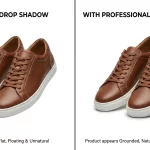
How Shadow Creation Enhances Product Realism in E-Commerce
October 28, 2025
- Outsourced Image Editing Services for Faster Workflow and Better Visual Quality
- What Is Outsourcing Photo Editing?
- How Outsourcing Saves Time and Cost
- Operational Flexibility & Scalability
- Why Outsource Image Editing?
- Types of Services Available When You Outsource Image Editing
- Who Benefits the Most from Outsourcing Image Editing Services
- How to Choose the Right Outsourcing Company
- How Outsourcing Improves Workflow
- Cost & ROI Analysis
- Safety & Quality Assurance
- Frequently Asked Questions (FAQs)
- Conclusion
Outsourced Image Editing Services for Faster Workflow and Better Visual Quality
Managing and editing hundreds of images can be an overwhelming, time-consuming, and costly task, especially for growing businesses and busy professionals. From product photos to event galleries, the demand for high-quality visuals is relentless. This is where you can outsource image editing a smart, strategic solution that frees up your time and resources. By delegating your post-production workload to a specialized team, you can focus on core business activities while ensuring your images are consistently polished and professional.
This comprehensive guide will walk you through everything you need to know about outsourcing. We will explore the types of services available, the significant benefits for your workflow, and how to choose the right editing partner. By the end, you will understand how to leverage outsourcing to save money, improve quality, and scale your operations with ease.
What Is Outsourcing Photo Editing?
Outsourcing photo editing is the practice of hiring an external company or individual to handle your image post-production needs. Instead of managing this process with an in-house team, you delegate tasks like color correction, background removal, and retouching to a specialized service provider. This model allows businesses and professionals to access expert skills and advanced technology without the overhead costs associated with full-time employees.
The primary difference between in-house and outsourced editing lies in cost, flexibility, and scalability. An in-house editor requires a salary, benefits, software licenses, and hardware. In contrast, an outsourced team operates on a per-image or project basis, offering a more predictable and often lower-cost structure. This approach is particularly popular among e-commerce sellers, professional photographers, and marketing agencies who deal with large volumes of images and require quick turnarounds.
How Outsourcing Saves Time and Cost
By outsourcing, you eliminate the time spent on repetitive editing tasks. A dedicated external team can process hundreds or even thousands of images in the time it might take an in-house generalist to complete a fraction of that work. This efficiency directly translates to cost savings, as you pay only for the services you need, when you need them, avoiding the fixed expenses of an in-house department.
Operational Flexibility & Scalability
Outsourcing provides unmatched operational flexibility. During peak seasons, like holidays for e-commerce stores or wedding season for photographers, you can easily scale up the volume of images you send for editing. Conversely, you can scale down during quieter periods without worrying about idle staff. This adaptability ensures your post-production capacity always matches your current business needs.
Why Outsource Image Editing?
Delegating your photo editing tasks offers a wealth of benefits that extend far beyond simple cost savings. It is a strategic move that enhances efficiency, elevates brand quality, and promotes sustainable growth. By partnering with a professional editing service, you unlock a streamlined workflow that allows you to focus on what you do best. Let’s explore the key advantages.
Save Time & Focus on Core Work
Post-production is one of the most time-intensive parts of working with visuals. For photographers, this means less time behind the camera or with clients. For e-commerce managers, it means delays in getting products listed online. Outsourcing reclaims these valuable hours. Instead of spending your days on meticulous edits, you can focus on core business functions like strategy, marketing, client acquisition, and creative development. This shift in focus is crucial for driving growth and innovation.
Consistent, Professional Quality
Achieving a uniform look across all your images is vital for building a strong brand identity. An established photo editing company employs a team of specialists who follow strict quality control guidelines. They ensure that every image, whether it’s part of a small batch or a massive catalog, adheres to the same standards of color, lighting, and composition. This consistency builds trust with your audience and presents your products or services in the best possible light.
Cost-Effective for Bulk Projects
The economics of outsourcing are especially compelling for bulk projects. Hiring, training, and equipping an in-house editor involves significant upfront and ongoing costs, including salary, benefits, software subscriptions, and hardware maintenance. Outsourcing converts these fixed costs into a variable expense. Most services offer tiered pricing or bulk discounts, making it highly affordable to edit thousands of images. You pay for the output, not the overhead, leading to a much higher return on investment.
Quick Turnaround
In today’s fast-paced digital world, speed is a competitive advantage. Professional editing services are built for efficiency. With optimized workflows and large, often global, teams working around the clock, they can deliver high-quality edits within 24 to 48 hours. This rapid turnaround allows e-commerce businesses to launch products faster, photographers to deliver client galleries sooner, and marketing agencies to meet tight campaign deadlines without compromising on quality.
Scalability for Large Workloads
Your business needs can fluctuate. You might have a massive influx of images after a big photoshoot or during a holiday season. An outsourcing partner provides the scalability to handle these peaks without any disruption. You can send 100 or 10,000 images and expect the same level of quality and speed. This on-demand capacity is nearly impossible to replicate with an in-house team without significant over-hiring or causing delays.
Access to Skilled Experts & Latest Tools
The world of photo editing is constantly evolving, with new techniques and software emerging regularly. Outsourcing companies invest heavily in training their teams and acquiring the latest technology. When you partner with them, you gain immediate access to a pool of specialized talent proficient in everything from complex clipping paths to advanced retouching. You benefit from their expertise without having to fund the continuous training and software upgrades yourself.
Reduce Burnout & Operational Bottlenecks
Repetitive, detail-oriented tasks can lead to creative burnout and fatigue for you or your team. Editing thousands of similar product shots can become a monotonous grind that stifles innovation. Furthermore, an overloaded in-house team can create a significant operational bottleneck, slowing down entire projects. Outsourcing removes this burden, allowing your team to stay fresh, creative, and focused on higher-value strategic initiatives.
Types of Services Available When You Outsource Image Editing
When you choose to outsource image editing, you unlock a suite of professional services tailored to meet diverse visual needs across different industries. Each service offers unique solutions to common image challenges ensuring your visuals are both compelling and market-ready. Below are the main types of services you can expect from a reliable outsourcing partner:
Photo Editing
Photo editing, also known as image editing, is the process of digitally altering a photo using advanced software. It covers everything from photo enhancement, emphasis on the main subject, removal of flaws, the addition of new elements, to creating a specific mood or style. Any digital modification from subtle tweaks to dramatic transformations falls under photo editing. Edited images are essential for websites, e-commerce stores, social media, and printing platforms.
Included Works: Outsourcing agencies perform essential editing techniques such as straightening, cropping, edge refinement, color adjustments, object removal, and clipping path outlining.
Industry Applications: E-commerce product listings, model and fashion photography, jewelry photography, automotive catalogs, food photography, and more.
Photo Retouching
Photo Retouching is the advanced process of perfecting an image by erasing imperfections and enhancing natural features. The focus is on delivering flawless visuals without losing realism. Retouching is widely used in beauty, fashion, and product photography.
Included Works: Skin smoothing, blemish removal, teeth whitening, correcting stray hairs, reducing wrinkles, and refining small product defects.
Industry Applications: Portrait and model photography, high-end fashion shoots, product catalogs, advertising campaigns.
Clipping Path
Clipping path refers to the manual process of drawing vector paths around an object to isolate it from the background. This ensures precise cutouts with clean, sharp edges ideal for placing products on white or transparent backgrounds.
Included Works: Accurate object outlining, background cutout, saving images in desired file formats with transparent or custom backgrounds.
Industry Applications: E-commerce photography, print catalogs, magazine layouts, promotional materials.
Background Removal
Background removal entails extracting the main subject from its original background for use on new backgrounds, or to comply with platform requirements. This boosts image versatility and visual impact.
Included Works: Removal of distracting backgrounds, replacement with solid color or new scene, fine detailing around hair or intricate edges.
Industry Applications: E-commerce (especially for platforms like Amazon, eBay), fashion lookbooks, marketing assets, web banners.
Shadow Creation
Shadow creation is the process of adding realistic and natural-looking shadows to isolated objects after background removal. Shadows add depth and authenticity, making products appear grounded and visually appealing.
Included Works: Natural shadow, drop shadow, reflection shadow, and re-creation of original shadows lost during editing.
Industry Applications: Product photography, shoe and apparel catalogs, electronics, jewelry, print advertisements.
Ghost Mannequin
Ghost mannequin, or invisible mannequin, is a technique used primarily in apparel photography. Merging multiple images creates a 3D, hollow look that lets customers see the shape and fit of clothing without distractions.
Included Works: Neck joint, sleeve joint, bottom joint edits, merging garment interiors, and natural fabric blending.
Industry Applications: Fashion e-commerce, apparel brands, catalogs, designer portfolios.
Color Correction
Color correction ensures color accuracy and consistency across all images, crucial for e-commerce to minimize product returns and boost customer satisfaction. The process adjusts hue, saturation, and brightness to match real-life colors.
Included Works: White balance fixing, exposure and contrast adjustment, selective color editing, and color grading.
Industry Applications: E-commerce clothing and product photos, real estate photography, event photography, food and beverage imagery.
Image Masking
Image masking is essential for isolating complex objects that are difficult to select with standard clipping paths—like hair, fur, or translucent fabrics. Using masks, editors can maintain natural edges and transparency.
Included Works: Layer masking, alpha channel masking, hair/fur detail selection, and transparency effects.
Industry Applications: Fashion and beauty photography, product images with intricate edges, advertising, and compositing projects.
Photo Restoration
Photo restoration revives old, damaged, or faded photographs, bringing cherished moments back to life. Through careful digital retouching, these services repair and reconstruct images for archival or personal use.
Included Works: Stain and scratch removal, colorization, repairing torn or missing parts, contrast, and brightness improvement.
Industry Applications: Family archives, historical collections, museums, print publications.
Who Benefits the Most from Outsourcing Image Editing Services
While almost any business can gain from outsourcing, certain professionals and industries see a particularly high return on investment. Here are the groups that benefit most.
Photographers
For professional photographers specializing in weddings, portraits, or events, post-processing can consume more time than the photoshoots themselves. Outsourcing allows them to deliver stunning, consistently edited galleries to clients much faster. This not only improves client satisfaction but also frees them up to book more shoots, network, and grow their business. The time saved directly translates to increased revenue and reduced burnout.
E-commerce & Online Stores
E-commerce businesses live and die by the quality of their product images. Outsourcing image editing ensures that every product is showcased with clean, consistent, and professional photos. Services like background removal, color correction, and ghost mannequin effects are essential for creating a uniform catalog that builds customer trust and boosts conversion rates. The scalability of outsourcing is also perfect for handling new product launches and seasonal inventory updates.
Advertising & Marketing Agencies
Agencies juggle multiple client campaigns simultaneously, each with its own tight deadlines and specific visual requirements. Outsourcing image editing provides a reliable, high-quality, and fast solution for producing campaign assets. Whether it’s for social media, print ads, or website banners, agencies can depend on an external partner to deliver polished images that meet brand guidelines, allowing their in-house creative teams to focus on strategy and concept development.
Freelancers & Small Businesses
For freelancers and small businesses, resources are often limited. Hiring a full-time in-house editor is usually not financially feasible. Outsourcing provides access to professional-grade editing on a flexible, pay-as-you-go basis. This allows small-scale operations to compete with larger companies by presenting a polished, professional brand image without the high overhead costs. It’s an efficient way to level the playing field.
How to Choose the Right Outsourcing Company
Selecting the right partner is crucial for a successful outsourcing experience. A great partner acts as an extension of your team, while a poor one can create more problems than it solves. Follow this step-by-step guide to find a reliable and high-quality image editing company.
- Make a List from References & Online Searches
Start by asking for recommendations from colleagues or in professional online communities. Supplement this with your own research. Use search terms like “professional photo editing services,” “e-commerce image editing,” or “clipping path service” to find potential candidates. Create a shortlist of 5-7 promising companies. - Check Expertise & Portfolio
Carefully review the website of each company on your list. Look for a detailed portfolio that showcases their work across different services. Do they have experience in your specific industry (e.g., fashion, furniture, jewelry)? A strong portfolio is proof of their skill and quality. Also, check for customer testimonials or case studies. - Communicate Directly
Reach out to your top candidates. Pay close attention to their communication style. Are they responsive, clear, and professional? A good partner will be easy to communicate with and eager to understand your specific needs and requirements. This is a good time to ask about their workflow, quality control processes, and how they handle revisions. - Understand Pricing & Bulk Discounts
Request a clear pricing structure. Most companies offer per-image pricing, but many also provide discounts for bulk orders or ongoing work. Ensure there are no hidden fees. Compare the pricing against the quality of their portfolio. Remember that the cheapest option is not always the best; focus on finding the best value. - Start with a Free Trial or Small Test Project
Never commit to a large project without first testing the service. The best companies offer a free trial, allowing you to submit a few images to evaluate their work firsthand. This is the most effective way to assess their quality, turnaround time, and ability to follow instructions. If a free trial isn’t available, start with a small, low-risk paid project.
How Outsourcing Improves Workflow
Integrating an outsourcing partner into your workflow can dramatically improve efficiency for different types of professionals. By offloading the time-consuming task of post-production, businesses can reallocate resources toward growth-oriented activities.
Photographers
- Time Saved: Photographers can save 10-20 hours per week, which can be reinvested into shooting, marketing, or client relations.
- Cost Reduction: Avoids the need for expensive software subscriptions and hardware upgrades.
- Improved Quality: Ensures a consistent editing style across entire wedding or event galleries, enhancing the final product.
E-commerce Businesses
- Time Saved: Drastically reduces the time-to-market for new products, as images are ready for upload within 24-48 hours.
- Cost Reduction: The pay-per-image model is far more cost-effective than hiring a full-time editor, especially for businesses with fluctuating inventory.
- Improved Quality: Professional editing (background removal, color correction) leads to a clean, uniform online store that builds customer trust and increases conversions.
Advertising & Marketing Agencies
- Time Saved: Frees up in-house designers from repetitive editing tasks, allowing them to focus on creative strategy and campaign development.
- Cost Reduction: Provides access to a wide range of editing skills on-demand without the cost of hiring multiple specialists.
- Improved Quality: Guarantees that all visual assets for a campaign are polished and brand-compliant, even under tight deadlines.
Cost & ROI Analysis
When comparing the cost of outsourcing versus maintaining an in-house editor, the numbers often favor outsourcing. An in-house editor’s cost extends beyond salary to include benefits, taxes, office space, software licenses (e.g., Adobe Creative Cloud), and powerful computer hardware. These fixed costs can easily exceed $60,000 annually.
In contrast, outsourcing operates on a variable cost model. With prices often ranging from $0.29 for a simple clipping path to a few dollars for complex retouching, you only pay for what you need. Bulk discounts for large projects further reduce the per-image cost.
The return on investment (ROI) is measured not just in direct cost savings but also in time saved and quality improvement. The hours you or your team reclaim can be spent on revenue-generating activities. The enhanced quality and consistency of your images can lead to higher engagement and sales, delivering a powerful ROI that fuels business growth.
Safety & Quality Assurance
Handing over your valuable images to a third party requires trust. Reputable outsourcing companies understand this and have robust systems in place for security and quality assurance.
For data protection, established providers use secure file transfer protocols (FTP) and are willing to sign a Non-Disclosure Agreement (NDA) to guarantee the confidentiality of your images. This is especially important when dealing with unreleased products or sensitive client photos.
To ensure consistent results, the best companies work with you to establish clear guidelines. This can include detailed instructions, sample images, and a feedback loop for revisions. They also have internal quality control teams that review every image before it is delivered. It is wise to avoid providers who offer suspiciously low prices, as this can be a sign of poor quality, unethical labor practices, or inadequate security measures.
Frequently Asked Questions (FAQs)
Is it safe to outsource image editing, especially for confidential client images?
Yes, it is safe if you choose a reputable company. Professional services use secure servers and readily sign NDAs to protect your intellectual property. Always verify a company’s security policies before starting.
Can small businesses and freelancers afford to outsource?
Absolutely. Outsourcing is often more affordable than hiring someone in-house. The pay-per-image model allows you to control costs and scale services according to your budget, making it a perfect solution for small businesses.
Does the quality of work suffer if it is done overseas?
No. Quality is determined by the skill and processes of the company, not its location. Many of the world’s top editing services are based overseas, employing highly skilled specialists who produce world-class work. Judge a company by its portfolio and free trial, not its address.
Realistically, how much time can you save?
The time saved depends on your image volume, but it is often substantial. Photographers and e-commerce managers frequently report saving 10-20 hours per week, which they can then dedicate to growing their business.
Should freelancers outsource or hire an in-house editor?
For most freelancers and small businesses, outsourcing is the more logical choice. It provides access to expert skills without the high cost and commitment of hiring an employee. It offers flexibility and scalability that an in-house model cannot match at that level.
Conclusion
Embracing the option to outsource image editing is a powerful strategic decision for any business or professional who works with images. It is more than just a way to save money; it is a pathway to greater efficiency, enhanced quality, and limitless scalability. By delegating your post-production to a team of dedicated experts, you reclaim your most valuable asset: time. This allows you to focus on your core competencies, whether that’s capturing beautiful moments, designing innovative products, or building brilliant marketing campaigns.
From the wide range of services available to the clear ROI, the benefits are undeniable. You gain access to consistent, professional-grade images with a fast turnaround, empowering you to compete at a higher level.
Ready to streamline your workflow and elevate your brand’s visuals? Start exploring outsourcing today and discover how a professional editing partner can transform your business. For more tips on visual content.