

Background Removal Photoshop Tutorial for Beginners
January 9, 2026
Top AI Product Pho Editing Tools for E-Commerce Stores 2026
January 12, 2026
Commercial photography thrives as a dynamic field where images fuel business growth and storytelling. Professionals in this area craft visuals that not only showcase products or services but also connect with audiences on an emotional level. From bustling e-commerce platforms to sleek corporate campaigns, these photos drive engagement and sales. As brands compete for attention in a digital world, high-quality imagery stands out, making this discipline essential for modern marketing strategies. With advancements in technology and shifting consumer preferences, the landscape continues to evolve, offering exciting opportunities for both creators and businesses.
- What Defines Commercial Photography?
- Exploring the Various Types of Commercial Photography
- How Can You Launch a Career in Commercial Photography?
- What Equipment Do You Really Need for Commercial Work?
- Emerging Trends Shaping Commercial Photography in 2026
- Understanding Salary Expectations and Pricing Strategies
- Key Differences Between Commercial and Fine Art Photography
- Practical Tips for Hiring a Commercial Photographer
- Enhancing Your Commercial Photos Through Post-Production
- Building a Strong Portfolio for Success
- Navigating Challenges in the Field
- Frequently Asked Questions
What Defines Commercial Photography?
Commercial photographers produce images specifically for business purposes, such as promoting products, services, or brands. They collaborate closely with clients to align visuals with marketing objectives, ensuring each shot communicates value and appeals to target audiences. Unlike casual snapshots, these professionals focus on elements like lighting, composition, and post-production to create polished results that enhance sales. Businesses across industries, from retail to real estate, depend on this type of work to build their online presence and attract customers.
This field demands a mix of technical expertise and creative insight. Photographers must understand client briefs, adapt to various settings, and deliver files ready for use in ads, websites, or social media. The process often starts with concept development, moves to shooting, and ends with editing to refine colors and details. As a result, commercial photography not only sells items but also tells a brand’s story, making it a powerful tool in competitive markets.
Exploring the Various Types of Commercial Photography
Commercial photography branches into several specialized areas, each tailored to specific business needs. Product photography highlights items for e-commerce, using clean backgrounds and precise lighting to emphasize features. Fashion photography showcases clothing and accessories on models, often in dynamic settings to evoke lifestyle aspirations. Food photography makes dishes look irresistible, crucial for restaurants and cookbooks, by focusing on textures and colors.
Other types include architectural photography, which captures buildings and interiors for real estate listings, and corporate photography for professional headshots and team images. Lifestyle photography depicts products in real-world scenarios, helping consumers visualize usage. Each category requires unique skills, from staging scenes to handling models, ensuring the final images align with branding goals.
Here’s a table summarizing key types and their applications:
| Type | Description | Common Uses | Key Skills Needed |
|---|---|---|---|
| Product | Detailed shots of items on neutral backgrounds | E-commerce, catalogs | Lighting control, detail enhancement |
| Fashion | Model-based images of apparel and accessories | Ads, magazines | Posing direction, trend awareness |
| Food | Appetizing photos of meals and ingredients | Menus, packaging | Styling, color accuracy |
| Architectural | Images of structures and spaces | Real estate, portfolios | Wide-angle lenses, perspective correction |
| Corporate | Professional portraits and group shots | Websites, LinkedIn | People management, natural posing |
| Lifestyle | Contextual scenes with products in use | Social media, campaigns | Storytelling, environmental integration |
This variety allows photographers to specialize while businesses select experts for targeted results.
How Can You Launch a Career in Commercial Photography?
Starting in commercial photography begins with building foundational skills and a strong portfolio. Beginners practice by shooting personal projects that mimic real assignments, such as styling products or capturing events. They invest in basic gear like a reliable camera and lenses, then learn editing software to polish images. Networking plays a vital role; attending industry events or joining online communities connects aspiring photographers with potential mentors and clients.
Education accelerates progress. Many take courses in photography techniques, business management, and marketing to understand client relations and pricing. Assisting established professionals provides hands-on experience, teaching shoot dynamics and problem-solving. Once ready, creators market themselves through websites and social media, showcasing work that attracts businesses. Persistence pays off, as initial gigs often lead to referrals and repeat work.
- Develop a niche: Focus on areas like food or fashion to stand out.
- Create a portfolio: Include 10-20 high-quality images demonstrating versatility.
- Set up legally: Register a business and get insurance for protection.
- Price services: Research rates, starting at $100-300 per hour for beginners.
- Build relationships: Offer introductory rates to local businesses for exposure.
This structured approach turns passion into a sustainable profession.
What Equipment Do You Really Need for Commercial Work?
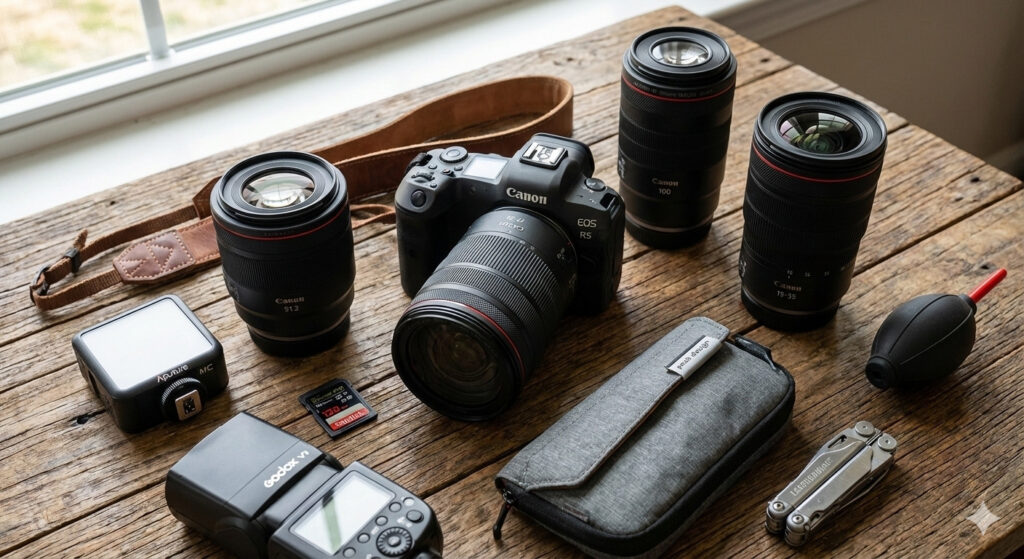
Essential gear for commercial photography ensures reliability and quality output. A full-frame camera offers superior image detail and low-light performance, ideal for varied shoots. Versatile lenses, such as a 24-70mm zoom for flexibility and an 85mm prime for portraits, cover most scenarios. Lighting equipment like speedlights or strobes controls shadows and highlights, especially in studios.
Support tools enhance efficiency. Tripods stabilize shots for sharp results, while reflectors bounce light naturally. Memory cards with high capacity and speed prevent data loss during long sessions. Editing software, such as Adobe Photoshop, refines images post-shoot, removing imperfections and adjusting colors. Backups like external hard drives safeguard files. Starting with these basics allows growth without overwhelming costs.
Emerging Trends Shaping Commercial Photography in 2026
In 2026, commercial photography embraces sustainability and authenticity, with creators using eco-friendly practices like digital sets to reduce waste. AI tools streamline editing, generating backgrounds, or enhancing details quickly. Hybrid approaches blend digital and film for unique textures, appealing to brands seeking nostalgia.
Storytelling dominates, with photos conveying narratives rather than just products. Motion elements, like cinemagraphs, add dynamism to static images. Diverse representation ensures inclusivity, reflecting global audiences. These shifts encourage photographers to innovate, keeping content fresh and engaging for consumers.
Understanding Salary Expectations and Pricing Strategies
Commercial photographers earn varying incomes based on experience and location. Entry-level roles might bring $40,000 annually, while seasoned pros average $50,000-$100,000 or more. Top earners in high-demand areas like New York command $150+ per hour for campaigns. Factors like specialization influence rates; fashion or advertising often pays higher.
Pricing involves day rates, typically $1,000-$5,000, plus usage fees for image rights. Beginners start lower to build portfolios, scaling up with reputation. Contracts outline deliverables, ensuring fair compensation while meeting client budgets.
Key Differences Between Commercial and Fine Art Photography
Commercial photography prioritizes client objectives, creating images that sell or promote, with structured briefs guiding the process. Fine art photography expresses the artist’s vision, allowing freedom without commercial constraints. While both value aesthetics, commercial work often involves teams and deadlines, contrasting the solitary, conceptual nature of fine art.
Commercial pieces appear in ads or catalogs, driving revenue, whereas fine art graces galleries or collections, evoking emotions. Photographers sometimes blend the two, using commercial skills to fund artistic pursuits.
Practical Tips for Hiring a Commercial Photographer
Businesses benefit from hiring specialists who understand branding. Review portfolios to ensure styles match your vision, and check references for reliability. Discuss budgets upfront, including retouching services like those from Clipping Expert Asia’s photo retouching, which enhance images professionally.
Prepare a brief outlining goals, timelines, and deliverables. Communicate clearly during shoots to capture desired angles. Post-production tools like Canva help integrate photos into designs seamlessly.
- Verify insurance and contracts for protection.
- Schedule test shoots for complex projects.
- Prioritize local talent for easier collaboration.
This ensures high-impact visuals that elevate your brand.
Enhancing Your Commercial Photos Through Post-Production
Post-production transforms raw shots into stunning visuals. Techniques like color correction balance tones, while retouching removes distractions for clean results. Tools enable background adjustments, such as making them transparent for versatile use in marketing materials. Professionals use layers to refine details without altering originals.
For e-commerce, services like clipping paths isolate products precisely. Beauty edits smooth skin naturally, preserving authenticity. Regular updates keep skills sharp, incorporating AI for efficiency. Businesses partnering with experts, such as Clipping Expert Asia, gain pixel-perfect edits that boost image appeal.
Building a Strong Portfolio for Success
A compelling portfolio showcases your best work, organized by categories like product or corporate. Include 15-25 images with descriptions explaining concepts and outcomes. Update it regularly with recent projects to reflect current skills.
Digital platforms host portfolios easily, attracting clients globally. Testimonials add credibility, highlighting successful collaborations. This tool not only secures jobs but also inspires new ideas.
Common hurdles include tight deadlines and changing client expectations. Photographers adapt by planning shoots meticulously and maintaining open communication. Weather or location issues demand backups, like indoor alternatives.
Technology glitches require redundant equipment. Continuous learning through workshops addresses evolving trends, ensuring relevance.
Frequently Asked Questions
What skills do commercial photographers need most?
They require strong technical knowledge in lighting and composition, plus soft skills like client communication and adaptability to meet business goals.
How long does a typical commercial shoot last?
Shoots vary from a few hours for simple portraits to full days for complex campaigns, depending on preparation and post-production needs.
Can beginners use free tools for editing?
Yes, platforms offer basic features, but professionals often upgrade to advanced software for precise control and efficiency.
What makes a photo commercially viable?
It should align with brand messaging, appeal visually to audiences, and comply with usage rights for marketing purposes.
How do trends affect commercial photography choices?
They guide styles, like incorporating AI or sustainability, helping photographers stay competitive and relevant to client demands.