


A Complete Guide to Creating, Opening, and Importing Images
April 24, 2026
Top 10 Clipping Path Service Providers to Watch in 2026
May 1, 2026
In the competitive world of digital retail, your product image serves as your primary salesperson. When a customer browses a marketplace, they cannot touch, smell, or test your items. They rely entirely on what they see. Professional photo editing transforms a standard snapshot into a high-converting asset. Specifically, the technique of creating a precise vector outline known as a clipping path remains the gold standard for achieving the pristine, distraction-free look that top-tier brands demand.
Effective visual presentation directly influences a shopper’s decision-making process. By isolating your product from its original background, you eliminate clutter and focus the viewer’s attention solely on the item. This clarity builds trust, reduces cognitive load, and highlights the quality of your craftsmanship. As we navigate the evolving landscape of online shopping, mastering these visual standards is no longer optional; it is a fundamental requirement for growth.
- The Power of Precision in Modern E-commerce
- Understanding the Technical Foundation of Product Isolation
- Meeting the Rigorous Standards of Global Marketplaces
- Enhancing Brand Trust Through Visual Clarity
- The Psychological Impact of White Space in Design
- Boosting Conversion Rates with High-Quality Visual Assets
- Why Professionals Prefer Hand-Drawn Clipping Paths
- Streamlining Your Workflow Through Outsourcing
- The Role of Color Correction and Retouching
- Future-Proofing Your Visual Strategy
- Optimizing Images for Mobile Shoppers
- How Image Quality Affects PPC and Marketing Costs
- Mastering the Art of Shadow and Depth
- The Importance of File Naming and SEO for Images
- Developing a Long-Term Visual Brand Identity
- Conclusion: Investing in Visual Excellence
- Frequently Asked Questions
The Power of Precision in Modern E-commerce
Every successful listing starts with a clear vision. When you use a manual pen tool to trace the edges of an object, you ensure that every curve and corner looks natural. Unlike automated tools that often leave jagged edges or “halo” effects, a hand-drawn path maintains the integrity of the product’s shape. This level of detail is crucial for items with complex geometries, such as jewelry, machinery, or fashion accessories.
High-quality images signal professionalism. When a customer sees a crisp, clean product against a pure white background, they perceive the brand as established and reliable. This perception translates into higher click-through rates and, ultimately, more conversions. By investing in professional clipping path services, sellers can ensure their inventory looks consistent across their entire digital storefront.
Consistency creates a seamless browsing experience. When a shopper scrolls through your catalog and sees uniform lighting and backgrounds, they stay engaged longer. Disruptions in visual quality can cause a bounce, as the brain perceives inconsistency as a lack of quality control. Precision editing ensures that your brand voice remains loud, clear, and professional at every touchpoint.
Understanding the Technical Foundation of Product Isolation
At its core, a clipping path is a closed vector shape or loop. Designers use specialized software to create these paths around an image. Once the path is applied, everything inside the line remains visible, while everything outside is omitted. This technique allows for the creation of transparent backgrounds or the placement of the product into various digital environments.
The beauty of this method lies in its non-destructive nature. You can manipulate the path without losing the original image data. This flexibility allows for easy adjustments later, such as adding drop shadows or changing the background color to match a specific marketing campaign. For many sellers, exploring a diverse range of photo editing services provides the toolkit necessary to handle any visual challenge.
Furthermore, vector-based paths are scalable. Because they are mathematical descriptions of lines and curves, they do not suffer from pixelation when you need to create high-resolution zooms. This is particularly important for mobile users who frequently “pinch-to-zoom” to inspect product details. A clean path ensures that even under high magnification, the edges remain razor-sharp and professional.
Meeting the Rigorous Standards of Global Marketplaces
Major platforms have strict guidelines regarding how products should appear. These rules exist to provide a uniform experience for the millions of people who visit these sites daily. For instance, the main image of a listing must typically feature a pure white background. This requirement ensures that the search results page looks organized and easy to navigate for the user.
Adhering to these standards is a prerequisite for visibility. If your images do not meet the criteria, the platform may suppress your listing, making it invisible to potential buyers. Navigating the Amazon seller ecosystem requires a deep understanding of these technical specifications, from file formats to pixel dimensions. Professional editing ensures you never fall out of compliance.
Beyond mere compliance, clean images improve the effectiveness of the search algorithm. While the algorithm primarily reads text, user behavior such as how long someone looks at an image or how often they click influences your ranking. A professionally edited photo attracts more clicks, which tells the system that your product is relevant and high-quality. This positive feedback loop is the engine behind long-term sales growth.
Enhancing Brand Trust Through Visual Clarity
Trust is the currency of the internet. When a customer cannot physically interact with a product, the image must bridge the gap of uncertainty. A cluttered or poorly lit photo suggests a lack of care, which can lead a buyer to wonder if the product itself is also low-quality. Conversely, a sharp, isolated image suggests that you are a serious professional who values the customer’s experience.
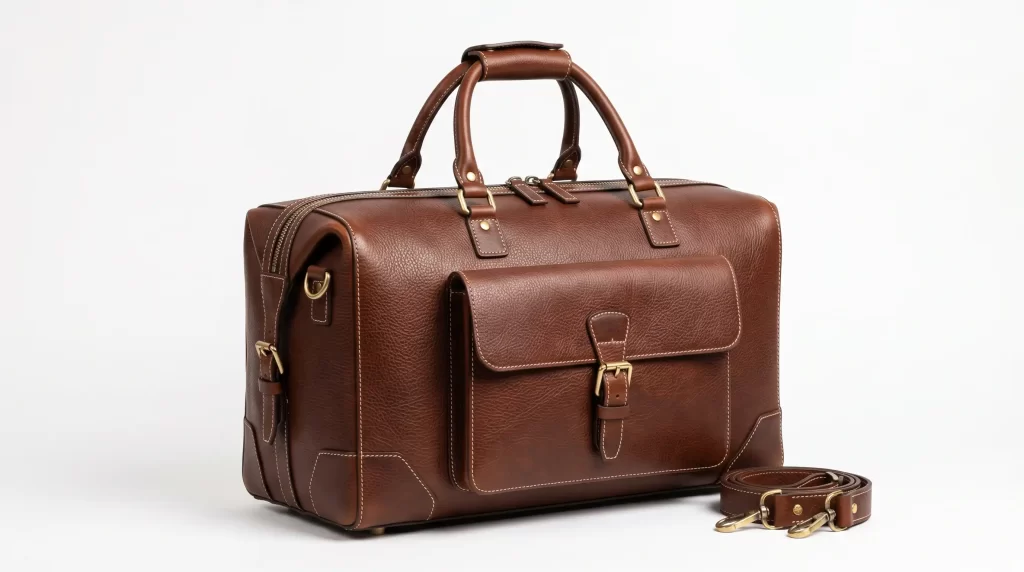
Using professional visuals also reduces the likelihood of product returns. When an image accurately represents the product’s color, shape, and features, the customer knows exactly what to expect. Many returns happen because the item received does not match the mental image formed by the buyer during the shopping process. By providing a clear, high-fidelity view, you align expectations with reality.
Moreover, clean images are easier to repurpose for social media and advertising. Once you have a clean cutout of your product, you can easily place it into lifestyle scenes, promotional banners, or video ads. This versatility maximizes the value of your initial investment in photography. A single, well-edited image can fuel an entire season of marketing across multiple channels.
The Psychological Impact of White Space in Design
In the world of design, white space or negative space is a powerful tool. It allows the eyes to rest and directs attention to the most important element: your product. When you remove a distracting background, you eliminate visual noise. This simplification helps the customer process information faster and makes the shopping experience feel more premium and sophisticated.
Psychologically, white backgrounds are associated with cleanliness, honesty, and modernity. This is why most high-end fashion and tech brands prefer a minimalist aesthetic. By adopting this look for your listings, you subconsciously elevate your brand’s perceived value. You are not just selling a product; you are selling an experience of quality and reliability.
For those looking to dive deeper into the strategic side of visuals, reading a complete guide for e-commerce can reveal how these design principles affect different product categories. Whether you sell electronics or apparel, the core concept remains the same: the less effort it takes for a customer to understand your product, the more likely they are to buy it.
Boosting Conversion Rates with High-Quality Visual Assets
Conversion rate optimization (CRO) is the goal of every online entrepreneur. While many focus on keywords and pricing, the quality of the visual assets often has the most significant impact on the final sale. A high-quality image can justify a higher price point by making the product look more valuable than a competitor’s poorly photographed alternative.
Detailed images allow customers to “feel” the product virtually. When you provide multiple angles and zoom-in shots all cleaned up via professional paths you provide the visual data the brain needs to justify a purchase. This is especially true for items where aesthetics are a primary selling point. Every pixel counts when you are trying to convince someone to hit the “buy” button.
Furthermore, professional images improve the performance of paid advertising. Whether you are running sponsored ads on a marketplace or retargeting ads on social media, the image is the first thing the user sees. A clean, striking visual will always outperform a muddy, unedited photo in terms of click-through rate. In the world of pay-per-click, better images directly lead to a better return on ad spend (ROAS).
Why Professionals Prefer Hand-Drawn Clipping Paths
In an era of quick fixes, it might be tempting to use automated background removal software. However, these tools often struggle with fine details like hair, fur, or semi-transparent fabrics. They frequently create a “cut-out” look that appears artificial and cheap. Professional editors prefer hand-drawn paths because they allow for human judgment and finesse.
A human editor understands where a shadow should fall and how a curve should transition. They can make subtle adjustments to the path to ensure the product looks its best. This bespoke approach is why Amazon sellers need professional photo editing to stand out in a saturated market. The difference between an “okay” image and a “stellar” image often lies in these tiny, manual adjustments.
Precision paths also facilitate advanced techniques like “ghost mannequin” effects. This is where an editor combines multiple shots of a garment to make it look as though an invisible person is wearing it. This gives the product shape and volume without the distraction of a physical mannequin. Only high-end, manual pathing can achieve the seamless look required for this popular e-commerce style.
Streamlining Your Workflow Through Outsourcing
Managing a growing e-commerce business involves balancing dozens of tasks. Between sourcing inventory, managing customer service, and handling logistics, photo editing can become a significant bottleneck. Outsourcing this specialized task to experts allows you to focus on high-level strategy while ensuring your visual quality remains top-tier.
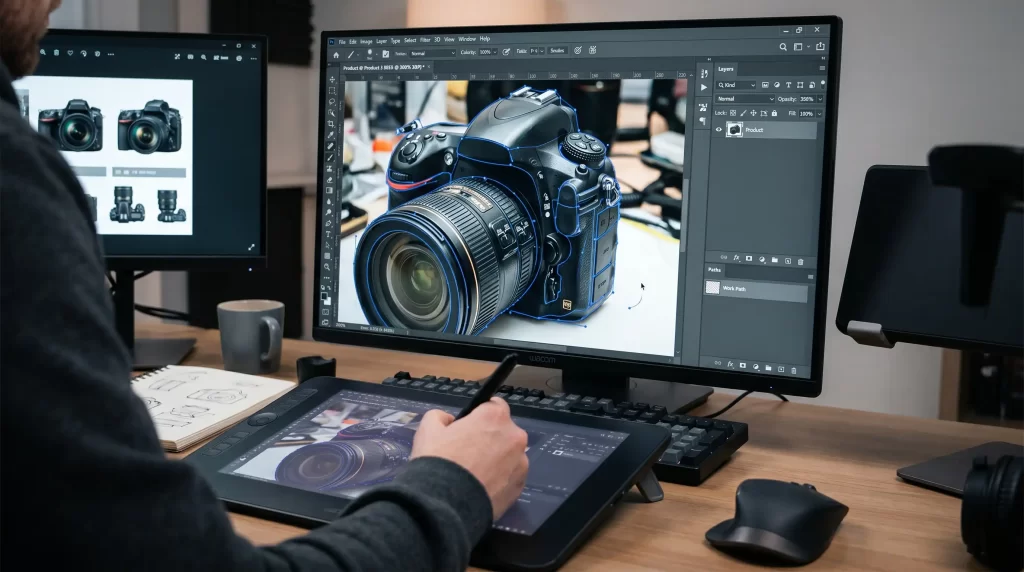
Reliable editing partners offer scalability. Whether you have ten new products or ten thousand, a professional team can handle the volume with consistent quality. This speed-to-market is a competitive advantage. The faster you can move from a photo shoot to a live listing, the sooner you can start generating revenue. High-quality editing should be a smooth, integrated part of your supply chain.
Moreover, outsourcing is often more cost-effective than hiring an in-house editor. You gain access to a team of specialists and high-end software without the overhead of full-time salaries or hardware maintenance. This model allows you to pay for exactly what you need, making it an ideal solution for both small startups and large-scale retailers looking to optimize their margins.
The Role of Color Correction and Retouching
While clipping paths provide the structure, color correction and retouching provide the soul of the image. Even the best cameras can sometimes fail to capture the true vibrancy of a product’s color under studio lights. Professional editors adjust the white balance, saturation, and contrast to ensure the digital image matches the physical product perfectly.
Retouching removes temporary imperfections that shouldn’t be there, such as dust particles, fingerprints, or minor scratches on the product surface. These tiny flaws can be highly distracting when viewed in high resolution. By cleaning up these details, you present the “perfect version” of your item, which is what every customer wants to receive in the mail.
Combining these services with precise cutouts creates a powerful visual narrative. You are presenting a product that is clean, vibrant, and ready for use. This holistic approach to photo editing is what separates market leaders from average sellers. It’s about more than just a white background; it’s about presenting a vision of perfection that resonates with the buyer’s desires.
Future-Proofing Your Visual Strategy
As technology advances, the expectations of online shoppers continue to rise. High-definition displays and fast internet connections mean that consumers can and will scrutinize your images more closely than ever before. A visual strategy that worked five years ago may no longer be enough to compete today. Investing in high-quality assets now ensures your brand remains relevant as the market evolves.
We are seeing a move toward more interactive content, such as 360-degree product views and augmented reality (AR) shopping experiences. Both of these technologies rely heavily on perfectly isolated, high-resolution product images. By creating clean clipping paths for your inventory today, you are building a library of assets that can be easily adapted for the interactive platforms of tomorrow.
Think of your product images as long-term investments rather than one-time expenses. A great set of photos can stay on your listing for years, consistently driving sales and building brand equity. In the fast-paced world of digital commerce, quality is the ultimate defensive strategy. It protects your brand from being commoditized and ensures you remain the first choice for discerning customers.
Optimizing Images for Mobile Shoppers
A significant and growing portion of e-commerce transactions happens on mobile devices. Mobile screens are smaller, which means your images have to work even harder to grab attention. On a phone, the main product image takes up a large portion of the screen real estate. If that image is cluttered or low-quality, the user is likely to keep scrolling.
Clean, isolated images are particularly effective on mobile. They load faster because there is less unnecessary data, and they are easier to see at a glance. When a shopper is scrolling through a search results page on their phone, a crisp product on a white background stands out much more than a busy lifestyle shot. You must optimize for the “thumb-stop” moment.
Professional editors also ensure that images are cropped and sized correctly for mobile displays. This means the product fills as much of the frame as possible without being cut off. This maximum use of space ensures that the customer can see the details of the item even without zooming in. Every design choice should be made with the mobile user in mind, as they represent the future of global retail.
How Image Quality Affects PPC and Marketing Costs
If you are running paid advertising, the quality of your images directly affects your bottom line. Most advertising platforms use a relevance score to determine how much you pay for a click. If your ad has a high click-through rate, the system deems it relevant and often rewards you with a lower cost-per-click (CPC).
A professional, eye-catching image is the most effective way to increase your click-through rate. By using clean paths to create striking visuals, you make your ads more compelling. This means you get more traffic for the same budget. In a competitive environment where ad costs are constantly rising, improving your visual assets is one of the most effective ways to maintain profitability.
Furthermore, high-quality images lead to better conversion rates from that paid traffic. It is a waste of money to pay for a click only to have the customer leave because the product photos look amateurish. By ensuring your landing page features top-tier visuals, you maximize the return on every dollar you spend on marketing.
Mastering the Art of Shadow and Depth
When you remove the original background of a photo, you often remove the natural shadows as well. Without a shadow, a product can look like it’s “floating,” which feels unnatural to the human eye. Professional editors use the clipping path as a foundation to then reintroduce artificial shadows such as drop shadows or reflection shadows to give the product a sense of weight and place.
This process requires a deep understanding of light and physics. A shadow must match the direction and intensity of the light used in the original photograph. When done correctly, it adds a layer of realism that makes the product look three-dimensional and tactile. It’s a subtle detail that significantly enhances the professional feel of the listing.
Different products require different shadow styles. For example, a pair of sneakers might look best with a soft contact shadow, while a luxury watch might benefit from a subtle reflection. Choosing the right style helps convey the desired brand image. Whether you want to look rugged and grounded or sleek and ethereal, the combination of a clean path and expert shadowing will get you there.
The Importance of File Naming and SEO for Images
While the visual quality is for the humans, the technical data is for the search engines. Every image you upload should have a descriptive, keyword-rich filename. Instead of “IMG_1234.jpg,” use something like “professional-leather-travel-bag-white-background.jpg.” This helps search engines understand what is in the photo, which can improve your visibility in image search results.
Alt text is another critical component. It provides a text description of the image for screen readers used by the visually impaired, and it also gives search engines more context. Well-written alt text should be descriptive and include your primary keywords naturally. This dual approach ensures your listings are both accessible and optimized for search.
Properly optimized images also contribute to faster page load speeds. Large, uncompressed files can slow down your site, leading to a poor user experience and lower search rankings. Professional editors provide images that are optimized for the web balancing high visual quality with small file sizes. This technical optimization is a key part of any successful digital strategy.
Developing a Long-Term Visual Brand Identity
Your product images are a key part of your brand’s visual identity. Over time, consistent use of high-quality photography and professional editing builds a “look and feel” that customers recognize. This brand recognition is incredibly valuable. It turns one-time buyers into repeat customers who trust your brand to deliver quality every time.
Think about the brands you admire. Chances are, they have a very consistent way of presenting their products. Whether it’s the lighting, the angles, or the way they use white space, there is a thread of continuity. By committing to professional photo editing standards now, you are laying the foundation for a brand that can stand the test of time.
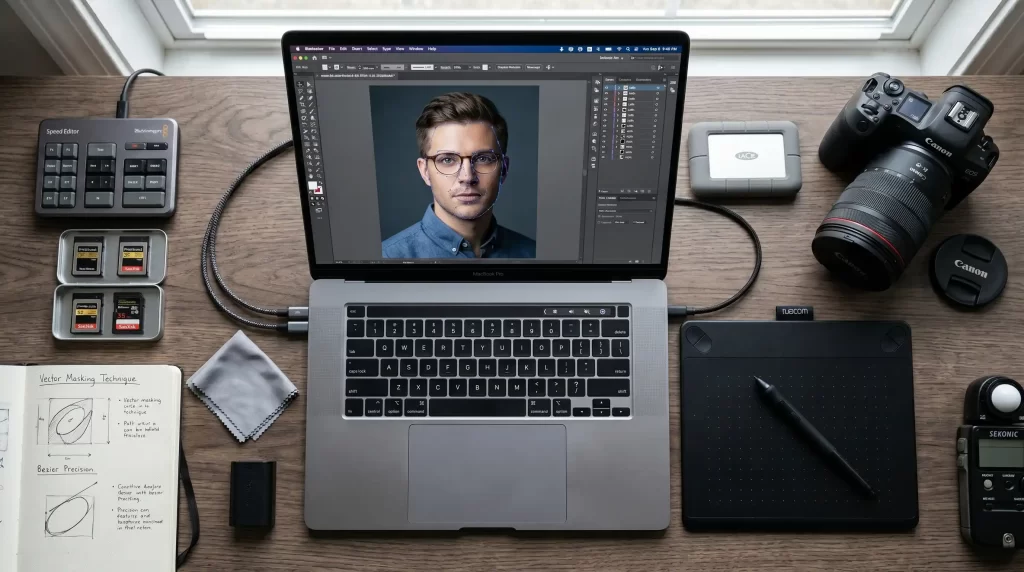
Don’t be afraid to experiment with different styles within the professional guidelines. You can use your isolated product images in various ways from minimalist white-background shots to complex composite lifestyle scenes. The important thing is that the core product always looks its best. With a library of clean, professionally edited images, the creative possibilities for your brand are endless.
Conclusion: Investing in Visual Excellence
In the modern digital marketplace, the quality of your product images is a direct reflection of the quality of your business. Using professional clipping paths to create clean, focused, and compliant images is one of the most effective ways to boost sales and build a lasting brand. It’s an investment that pays off in higher conversion rates, lower return rates, and improved advertising efficiency.
As we move forward, the gap between average listings and professional listings will only continue to widen. Those who prioritize visual excellence will capture the attention and the wallets of the global consumer. By focusing on precision, consistency, and technical optimization, you can transform your Amazon listings into high-performing assets that drive growth for years to come.
Take the time to evaluate your current visual strategy. Are your images working as hard as they could be? If not, it may be time to embrace the power of professional photo editing. The path to higher sales starts with a single, clean line.
Frequently Asked Questions
1. What exactly is a clipping path in photo editing?
It is a vector graphic technique used to outline an object. This allows editors to separate the product from its background with extreme precision, ensuring smooth edges and professional results.
2. Why should I use a clipping path instead of an automated background remover?
Automated tools often fail on complex edges or fine details. A manual path created by a professional ensures every curve is perfect, which is essential for maintaining a high-end brand image.
3. Does Amazon really require a pure white background?
Yes, for the main product image, Amazon requires a pure white background (RGB 255, 255, 255). Failure to comply can lead to your listing being suppressed from search results.
4. How does clean imagery improve my conversion rate?
Clean images remove distractions and allow shoppers to focus on the product’s details. This builds trust and provides the visual clarity needed for a customer to feel confident in their purchase.
Absolutely. Once a product is isolated using a clipping path, you can place it onto any background, making it perfect for Instagram, Facebook, or promotional banners.
6. Does the file size of my images matter for SEO?
Yes. Large files can slow down page loading times, which negatively impacts user experience and search rankings. Professional editors optimize images to be both high-quality and fast-loading.
7. What is a “ghost mannequin” effect?
This is a technique where multiple photos are combined to show a garment’s shape as if a person is wearing it, but the mannequin is removed. It requires precise clipping paths to look realistic.
8. Is it better to outsource my photo editing?
Outsourcing allows you to scale your business quickly without the overhead of hiring in-house staff. It ensures consistent, high-quality results from specialists who handle thousands of images daily.
9. How can I tell if a clipping path is high quality?
Zoom in on the edges of the product. A high-quality path will be smooth and follow the natural curves of the object without any “stepping” or jagged pixels, even at high magnification.