
Mastering Ghost Mannequin Photography for Stunning Apparel Shots
January 29, 2026
Best Graphic Design Software for Beginners in 2026
January 30, 2026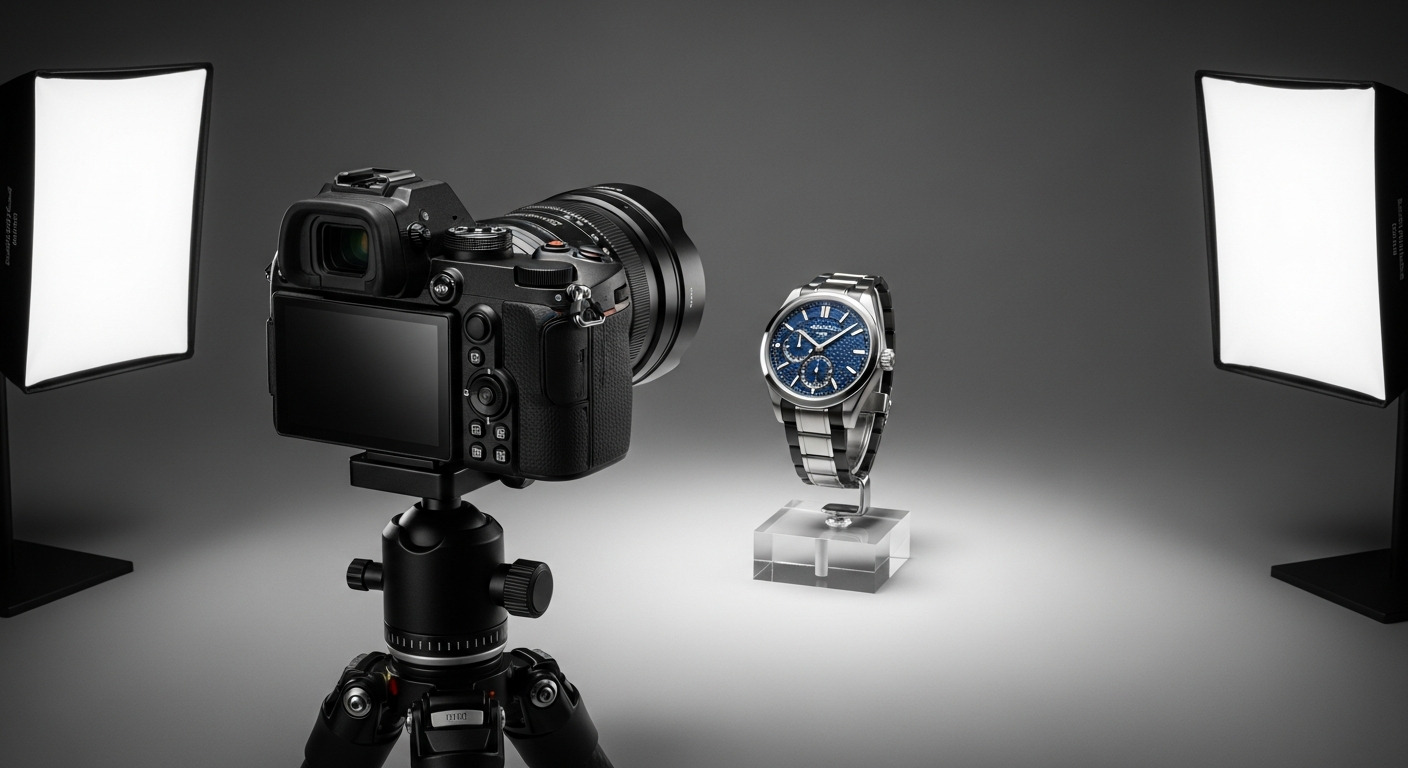
Capturing the essence of a product demands precision, clarity, and a touch of creativity. In the fast-paced world of e-commerce, where visuals drive decisions, the right lens transforms ordinary items into compelling stories that attract buyers. Nikon lenses excel here, offering sharpness, versatility, and reliability that professionals trust. Whether you shoot jewelry, electronics, or apparel, these tools help you highlight textures, colors, and details that make products irresistible. As we dive into 2026, advancements in lens technology continue to push boundaries, making it easier to achieve studio-quality results even in compact setups.
Why Nikon Lenses Stand Out for Product Photography
Photographers turn to Nikon for its legacy of optical excellence. These lenses deliver consistent performance across various lighting conditions and product sizes. They minimize distortions, control depth of field effectively, and produce images with true-to-life colors. In an industry where 93% of consumers prioritize visual appeal when shopping online, investing in quality optics pays off. High-resolution photos not only boost engagement but also reduce return rates—studies show that 22% of e-commerce returns happen because items look different in person than in photos.
Nikon builds its lenses with durable materials, weather sealing in many models, and advanced coatings to reduce flare and ghosting. This reliability shines in controlled environments like studios, where you need every shot to count. Professionals appreciate how these lenses integrate seamlessly with Nikon’s camera bodies, from the Z-series mirrorless to classic DSLRs. If you aim to elevate your work, Nikon provides options that balance cost, features, and output quality.
Key Factors to Consider When Choosing a Nikon Lens
You select a lens based on your specific needs. Focal length plays a crucial role—opt for 50mm or higher to avoid wide-angle distortions that can make products appear unnatural. Aperture matters too; wider openings like f/1.8 allow for beautiful bokeh, isolating the subject from the background, while narrower ones ensure edge-to-edge sharpness.
Magnification ratio becomes essential for close-ups. Macro lenses with 1:1 reproduction capture fine details like engravings or fabrics. Vibration reduction (VR) stabilizes handheld shots, reducing blur in low light. Compatibility with your camera format, FX for full-frame or DX for crop-sensor, ensures optimal performance. Budget influences choices, but even affordable Nikon primes outperform kit lenses in sharpness and color accuracy.
Experts emphasize versatility. As photographer Priscila Elias notes, “The 85mm is a lens with very little distortion that will be very sharp in lower apertures. Definitely a good option for product photography.” Weigh these elements to find a lens that enhances your workflow and delivers results that convert viewers into customers.
Top Nikon Lenses for Capturing Stunning Product Images
You explore the best options available in 2026. These recommendations draw from real-world testing, user feedback, and technological updates. Each lens suits different product types and budgets, ensuring you find the perfect fit.
Nikon Nikkor Z MC 105mm f/2.8 VR S: The Macro Masterpiece
Photographers praise this telephoto macro lens for its ability to reveal intricate details. It offers 1:1 magnification, allowing you to fill the frame with small items like jewelry or electronics without losing sharpness. The built-in VR compensates for up to 4.5 stops of shake, ideal for handheld work in dim studios.
Key specifications include a Nikon Z mount, FX format compatibility, and a minimum focus distance of 0.29m. Its optical design features three extra-low dispersion elements and one aspherical element, minimizing aberrations for crystal-clear images. Weighing 630g, it balances well on Z-series bodies.
Pros:
- Exceptional edge-to-edge sharpness even at wide apertures
- Effective vibration reduction for stable close-ups
- Weather-sealed build withstands studio demands
- Smooth bokeh isolates products beautifully
Cons:
- Higher price point limits accessibility for beginners
- Longer focal length requires more working space
This lens excels in commercial shoots, where accuracy drives sales. As one expert from Photography Life shares about similar macros, “It’s an impressive lens, especially given its professional-grade features.”
Nikon AF-S 50mm f/1.8G: The Budget-Friendly Prime
Beginners and pros alike rely on this standard prime for its versatility. The 50mm focal length mimics human vision, producing natural perspectives for medium-sized products like clothing or gadgets. Its fast f/1.8 aperture creates creamy backgrounds, drawing attention to the subject.
This lens weighs just 185g, making it portable for on-location shoots. It features a silent wave motor for quick autofocus and super integrated coating to reduce flare. Compatible with FX and DX formats, it works across Nikon’s lineup.
Pros:
- Affordable entry into high-quality primes
- Sharp performance from center to edges
- Lightweight design eases extended use
- Reliable in low-light conditions
Cons:
- Lacks vibration reduction for shaky hands
- Fixed focal length means stepping back for wider shots
Users love its magical rendering. An expert reviewer describes the similar f/1.4 version: “There is just something magical about the f/1.4 that I cannot quite describe.” This 50mm delivers comparable charm at a fraction of the cost.
Nikon AF-S DX Micro-NIKKOR 40mm f/2.8G: Compact Macro for Details
You capture tiny textures with this DX-format macro lens. Its 1:1 reproduction ratio brings out details in cosmetics or circuit boards, while the close-range correction system ensures sharpness at minimum distances.
At 235g, it fits easily in your bag. The f/2.8 aperture handles various lighting, and silent wave motor autofocus speeds up your process. It mounts on Nikon F (DX) bodies.
Pros:
- Excellent for small product close-ups
- Portable and user-friendly
- Minimal distortion in compositions
- Quiet operation suits video work
Cons:
- Limited to DX sensors
- Shorter working distance risks shadows
This lens shines for jewelry photography. Experts recommend macros in the 40-60mm range for their balance of detail and ease.
Nikon AF-S NIKKOR 85mm f/1.8G: Telephoto for Isolation
Professionals isolate subjects with this telephoto prime. The 85mm length compresses perspectives, ideal for larger items like shoes or bags, while the f/1.8 aperture blurs distractions.
It weighs 350g and includes internal focusing for smooth operation. Nano crystal coat reduces reflections, enhancing color fidelity.
Pros:
- Beautiful subject separation
- Fast autofocus tracks moving setups
- Durable construction for daily use
- Low-light prowess boosts flexibility
Cons:
- Vignetting at wide-open settings
- No VR requires steady hands
As Priscila Elias highlights, its low distortion makes it a top choice. Pair it with Nikon’s official resources for tips: Nikon 85mm f/1.8G details.
Nikon Z 24-70mm f/4 S: Versatile Zoom for Variety
You adjust compositions quickly with this standard zoom. Covering 24-70mm, it handles everything from wide product overviews to tight details, perfect for dynamic shoots.
The Z mount ensures compatibility with mirrorless cameras. It features fluorine coating for easy cleaning and weighs 500g.
Pros:
- Flexible focal range saves time
- Sharp across the zoom
- Compact for travel
- Weather-sealed reliability
Cons:
- f/4 aperture limits bokeh depth
- Retractable design feels awkward
This lens adapts to e-commerce needs. For more on zooms, visit Nikon’s zoom lens lineup.
Nikon AF-S VR Micro-NIKKOR 105mm f/2.8G IF-ED: Classic Macro with Stabilization
Veterans swear by this FX macro for its life-size reproduction and VR. It captures engravings on watches or threads on fabrics with precision.
Internal focusing maintains length, and extra-low dispersion glass controls chromatic issues. It weighs 790g.
Pros:
- 1:1 magnification for true details
- VR enables handheld macros
- Robust build lasts years
- Accurate color rendering
Cons:
- Heavier than modern alternatives
- No focus limiter
Experts call it “fantastic for macro,” especially for food and jewelry. Check user reviews on B&H Photo.
Nikon Z MC 50mm f/2.8: Modern Macro Prime
You achieve detailed close-ups with this Z-series macro. Its 1:1 ratio and 50mm length offer a natural view for small to medium products.
Lightweight at 260g, it includes a focus limiter switch. Aspherical elements reduce distortions.
Pros:
- Versatile for macros and portraits
- Quiet autofocus for efficiency
- Aberration control sharpens edges
- Affordable upgrade path
Cons:
- Shorter distance at full magnification
- Limited to Z mounts
This lens bridges beginner and pro needs. For comparisons, see Adorama’s Nikon section.
Nikon AF-S FX NIKKOR 24-70mm f/2.8E ED VR: Pro Zoom Powerhouse
Studios demand this zoom for its constant f/2.8 aperture. It covers wide to telephoto, adapting to product sizes effortlessly.
VR stabilizes shots, and electromagnetic diaphragm ensures exposure consistency. It weighs 1070g.
Pros:
- Consistent sharpness throughout range
- Fast aperture for creative control
- VR handles low shutter speeds
- Versatile for multiple scenarios
Cons:
- Bulky for casual use
- Premium pricing
Professionals label it the “ultimate standard zoom.” Learn more from Nikon’s pro lens guide.
Nikon AF-S DX Micro Nikkor 85mm f/3.5G ED VR: Tele Macro for DX
Crop-sensor users benefit from this macro’s reach. The 85mm equivalent provides distance for larger small products.
VR and extra-low dispersion elements deliver clean images. It weighs 355g.
Pros:
- Sharp telephoto macros
- Silent wave motor autofocus
- VR reduces handheld blur
- Compact for DX kits
Cons:
- DX-only compatibility
- f/3.5 aperture dims in low light
It suits detailed work like circuit boards.
Nikon AF-S NIKKOR 35mm f/1.8G ED: Wide Prime for Context
You include surroundings with this wide-angle prime. The 35mm view captures products in lifestyle settings without excessive distortion.
Aspherical and ED elements maintain clarity. It weighs 305g.
Pros:
- Natural wide perspectives
- Fast f/1.8 for indoors
- Lightweight portability
- Manual focus override
Cons:
- Potential edge softness
- Not ideal for tiny details
This lens adds context to shots.
Tips for Maximizing Your Nikon Lens Performance
You optimize results by mastering techniques. Use a tripod for stability, especially in macros. Experiment with lighting, softboxes diffuse shadows, while reflectors fill in details. Stop down to f/8-f/11 for maximum sharpness.
Post-processing enhances colors, but start with accurate captures. Calibrate your camera and lens for consistency. Practice tethering to review shots instantly. Remember, 67% of shoppers prioritize image quality, so invest time in setups that showcase products authentically.
Frequently Asked Questions
- What makes macro lenses ideal for product photography?
Macro lenses provide 1:1 magnification, allowing you to capture fine details like textures or labels that standard lenses miss. They maintain sharpness at close distances, essential for small items. - Can I use Nikon Z lenses on older DSLR bodies?
You adapt Z lenses to F-mount bodies with Nikon’s FTZ adapter, but some features like autofocus may vary. For best results, pair Z lenses with mirrorless cameras. - How does vibration reduction help in product shoots?
VR stabilizes the lens, reducing blur from hand movements or slow shutters. This proves useful in low-light studios or when shooting handheld for quick setups. - What’s the best Nikon lens for beginners on a budget?
The AF-S 50mm f/1.8G offers excellent value. It delivers sharp images with natural perspectives, making it easy to learn while producing professional-looking results. - Do I need a full-frame camera for these lenses?
Many work on both FX and DX formats, but full-frame sensors maximize resolution and low-light performance. Start with what you have and upgrade as needed. - How many angles should I shoot for e-commerce products?
Aim for 5-7 angles, including front, back, sides, and close-ups. This approach boosts conversions by up to 58%, as buyers appreciate comprehensive views. - What aperture works best for product isolation?
Use f/1.8-f/2.8 for shallow depth of field to blur backgrounds. For overall sharpness, stop down to f/8-f/11, depending on the product size. - How do I reduce reflections in shiny products?
Position lights at angles, use diffusers, or polarizers. Post-editing helps, but proper setup minimizes issues from the start.
Wrapping Up Your Product Photography Journey
You now hold the knowledge to select and use the best Nikon lenses for captivating product images. These tools empower you to create visuals that not only inform but inspire purchases. With 75% of shoppers relying on photos for decisions, your investment in quality optics directly impacts success. Experiment, refine your technique, and watch your portfolio grow. For ongoing inspiration, explore Nikon’s innovations and community resources. Your next great shot awaits.