


10 Best Digital Cameras for Kids: Top Picks for Preschoolers+
June 11, 2026
Top 10 Highest Resolution Cameras 2026: Megapixel Kings Ranked
June 13, 2026
Full-frame mirrorless cameras finally hit their stride in 2026. Sensors are stacked or partially stacked across nearly every tier, autofocus runs on dedicated AI processors, video specs rival those of cinema cameras, and perhaps most importantly prices have softened across the board. Whether you photograph weddings, wildlife, products, sports, or your own kids on a Saturday morning, the timing has never been better to upgrade.
This guide ranks the top 10 best full-frame mirrorless cameras of 2026 based on real-world testing data from trusted sources, verified manufacturer specifications, and current street prices. We’ve broken each pick down by who it suits, what it costs, and where it falls short because no camera is perfect for everyone.
Sharpen every product shot with our professional clipping path service trusted by e-commerce brands worldwide.
- How We Ranked the Best Full-Frame Mirrorless Cameras for 2026
- Quick Comparison Table: Top 10 at a Glance
- 1. Nikon Z8 — Best Overall Full-Frame Mirrorless Camera of 2026
- 2. Sony A1 II — Best Flagship Hybrid Camera 2026
- 3. Canon EOS R5 Mark II — Best for Canon Loyalists & Hybrid Pros
- 4. Nikon Z6 III — Best Mid-Range Hybrid Powerhouse
- 5. Sony A7 V — The Do-It-All All-Rounder
- 6. Canon EOS R6 Mark III — Hybrid Value Champion
- 7. Panasonic Lumix S1R II — Best Hybrid Video-First Flagship
- 8. Nikon Z5 II — Best Budget Full-Frame Mirrorless Camera
- 9. Sony A7R V — Resolution King for Studio & Landscape Work
- 10. Sigma BF — Best Minimalist Full-Frame Camera
- Buying Advice: How to Choose the Right Full-Frame Mirrorless Camera
- Full-Frame vs. Crop Sensor: Quick Reality Check
- Top 3 Trends Shaping Full-Frame Mirrorless in 2026
- Editing & Post-Production: The Other Half of the Process
- Frequently Asked Questions (FAQ)
- Final Verdict: Which Full-Frame Mirrorless Camera Should You Buy in 2026?
How We Ranked the Best Full-Frame Mirrorless Cameras for 2026
We didn’t pick cameras based on hype. Our ranking weighs the criteria photographers actually care about:
- Image quality — resolution, dynamic range, color science, and low-light ISO performance
- Autofocus performance — subject detection, tracking accuracy, and EV sensitivity
- Burst speed & buffer depth — critical for sports and wildlife shooters
- Video specifications — 4K/8K options, codec choice, internal RAW, heat management
- Build quality — weather sealing, ergonomics, and button layout
- Battery life — CIPA ratings and real-world shooting reliability
- Lens ecosystem — native lens availability, third-party support, and pricing
- Value for money — price-to-performance ratio at current 2026 retail rates
Sources include hands-on reviews from DPReview, Photography Life, and direct manufacturer specification sheets.
Quick Comparison Table: Top 10 at a Glance
| Rank | Camera | Sensor (MP) | Max Burst | Max Video | Best For | Body Weight | Current Price (Body) |
|---|---|---|---|---|---|---|---|
| 1 | Nikon Z8 | 45.7 | 20 fps RAW / 120 fps JPEG | 8.3K/60p N-RAW | Overall best | 910 g | ~$3,399–$3,499 |
| 2 | Sony A1 II | 50.1 | 30 fps | 8K/30p | Flagship hybrid | 743 g | ~$6,499 |
| 3 | Canon EOS R5 Mark II | 45 | 30 fps | 8K/60p RAW | Hybrid pros | 670 g | ~$3,899–$4,299 |
| 4 | Nikon Z6 III | 24.5 | 20 fps RAW / 60 fps JPEG | 6K/60p N-RAW | Hybrid mid-range | 760 g | ~$1,999–$2,499 |
| 5 | Sony A7 V | 33 | 30 fps | 4K/120p (crop) | Do-it-all hybrid | 695 g | ~$2,899 |
| 6 | Canon EOS R6 Mark III | 32.5 | 40 fps RAW | 7K/60p RAW Light | Hybrid value | 699 g | ~$2,799 |
| 7 | Panasonic Lumix S1R II | 44.3 | 40 fps | 8.1K/30p | Video-first hybrid | 795 g | ~$3,299 |
| 8 | Nikon Z5 II | 24.5 | 30 fps electronic | 4K/30p (FF) | Best value FF | 700 g | ~$1,699 |
| 9 | Sony A7R V | 61 | 10 fps | 8K/24p | Landscapes/studio | 723 g | ~$2,800–$3,298 |
| 10 | Sigma BF | 24.6 | ~8 fps | 6K/30p | Minimalist street | 446 g (with battery) | ~$1,999 |
Prices reflect typical 2026 U.S. street pricing and may vary by retailer.
1. Nikon Z8 — Best Overall Full-Frame Mirrorless Camera of 2026
Why It Tops the List
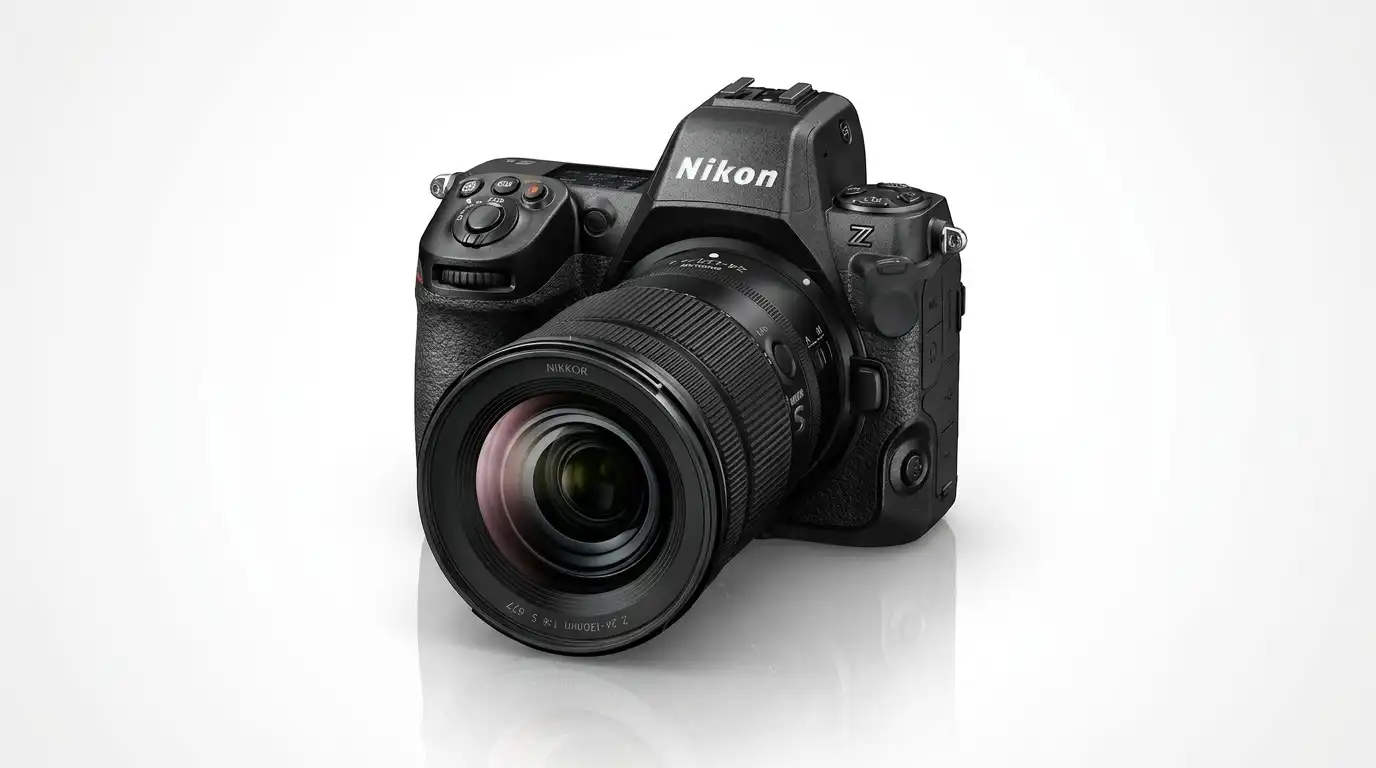
The Nikon Z8 delivers nearly everything the flagship Z9 offers, packed into a smaller, lighter body that costs significantly less. It pairs a 45.7-megapixel stacked CMOS sensor with the EXPEED 7 processor, delivering 20 fps RAW bursts, 8.3K/60p N-RAW video, and an autofocus system that holds onto subjects like glue.
Key Specifications
- 45.7MP full-frame stacked CMOS sensor
- 20 fps RAW (full-resolution), 30 fps JPEG, 120 fps at 11MP JPEG
- 8.3K/60p N-RAW internal, 4K/120p ProRes RAW HQ
- 493-point phase-detect AF, with low-light AF down to –7 EV (lower in Starlight View mode)
- Electronic shutter only (no mechanical shutter)
- Dual slots — CFexpress Type B / SD UHS-II
- Approx. 910g body weight, full magnesium-alloy chassis
- Current street price: ~$3,399–$3,499 (MSRP was $3,999 at launch)
Pros
- ✓ Flagship-level autofocus tracking for wildlife, sports, and birds
- ✓ No mechanical shutter — silent, vibration-free capture
- ✓ Superb dynamic range and detailed RAW files
- ✓ Robust weather sealing built for harsh conditions
Cons
- ✕ Heavier than competing 45MP rivals
- ✕ Battery drains faster than the Z9 due to compact EN-EL15c design
- ✕ N-RAW workflow still demands updated software in some editors
Best for: Wildlife photographers, sports shooters, hybrid pros, and wedding photographers who want flagship performance without flagship bulk.
2. Sony A1 II — Best Flagship Hybrid Camera 2026
Why It Made the List
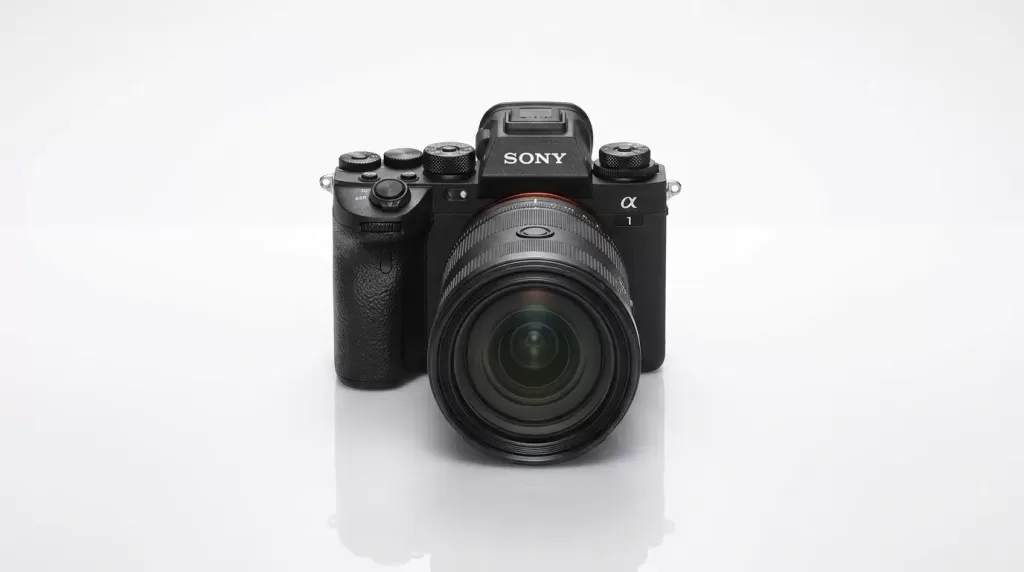
The Sony A1 II is Sony’s most balanced flagship to date. It refines the original A1 with an updated AI processing unit, improved 8.5-stop IBIS, and pre-capture buffering features that wildlife and sports photographers requested. The 50.1MP stacked sensor still fires at a blazing 30 fps with continuous AF.
Standout Features
- 50.1MP stacked Exmor RS BSI CMOS sensor
- 30 fps blackout-free continuous shooting with full AF/AE
- 8K/30p internal recording (10-bit 4:2:0) with 8.6K oversampling
- 4K/120p video (with 1.13× crop), 4K/60p 10-bit 4:2:2 full-frame
- 759-point phase-detect AF with AI subject recognition (human, animal, bird, insect, car, train, plane)
- 9.44-million-dot OLED EVF (up to 240Hz refresh rate, 3× brighter than the original A1)
- 8.5-stop in-body image stabilization
- New 1/48 and 1/96 sec shutter speeds for a perfect 180° shutter angle
- Body weight: 743g
Pros
- ✓ Top-tier subject recognition powered by a dedicated AI processor
- ✓ Excels at both high-resolution stills and pro video
- ✓ Improved grip and customizable controls over the original A1
- ✓ Massive lens ecosystem via Sony E-mount
Cons
- ✕ Eye-watering $6,499 price tag
- ✕ Still lacks internal RAW video recording
- ✕ Heat throttling can occur during extended 8K recording
Best for: Professional sports, wildlife, and editorial photographers who demand the absolute best Sony has to offer.
3. Canon EOS R5 Mark II — Best for Canon Loyalists & Hybrid Pros
Why It Earned the Bronze
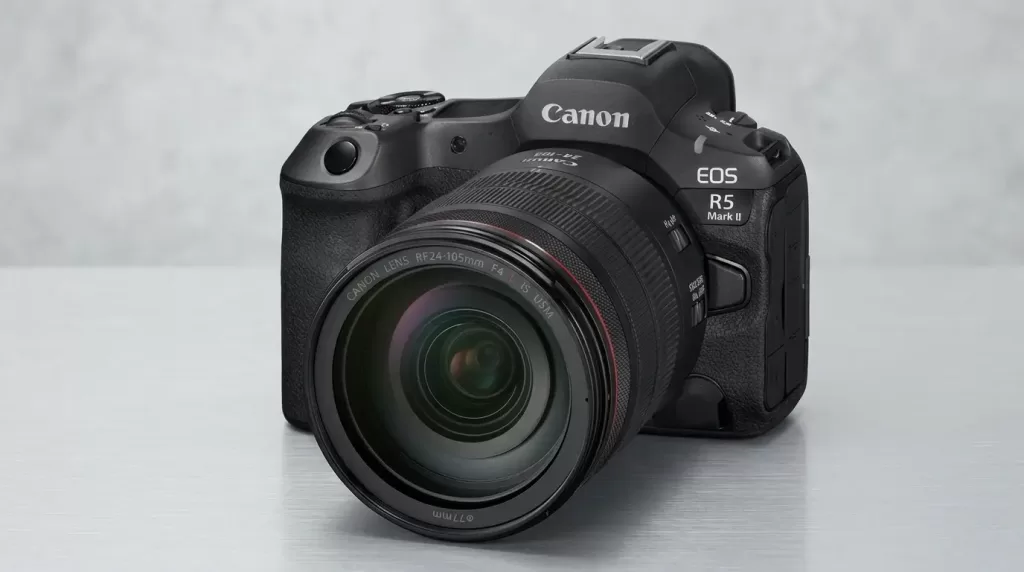
Canon’s EOS R5 Mark II finally delivers the performance the original R5 hinted at. It uses a back-illuminated stacked CMOS sensor and dual DIGIC X + DIGIC Accelerator processors, enabling 30 fps electronic shutter and dramatically improved subject detection. The Mark II is also significantly lighter than its Nikon Z8 rival at 670g vs. 910g.
Headline Specs
- 45MP back-illuminated stacked CMOS sensor
- 30 fps electronic, 12 fps mechanical shutter
- 8K RAW internal up to 60p, 4K/120p with Canon Log 2
- Phase-detect AF with vehicle, animal, and eye detection
- Pre-shooting buffer up to 15 frames before full shutter press
- Eye-controlled focus (look-to-focus selection)
- Approx. 670g body weight including battery and card
- Launch MSRP: $4,299 (current street: ~$3,899–$4,299)
Pros
- ✓ Significantly lighter and more compact than the Nikon Z8
- ✓ Famous Canon color science straight out of camera
- ✓ Strong battery life thanks to the LP-E6P battery
- ✓ Eye-control AF feels genuinely useful once trained
Cons
- ✕ Roughly $400–$900 pricier than the Nikon Z8 depending on sale
- ✕ Native RF lens lineup remains expensive
- ✕ Heat shutdown still poses a concern in long 8K takes
Best for: Hybrid creators, wedding photographers, and existing Canon shooters upgrading from the original R5 or 5D Mark IV.
Preserve every fine edge with our precision image masking service perfect for hair, fur, and jewelry shots.
4. Nikon Z6 III — Best Mid-Range Hybrid Powerhouse
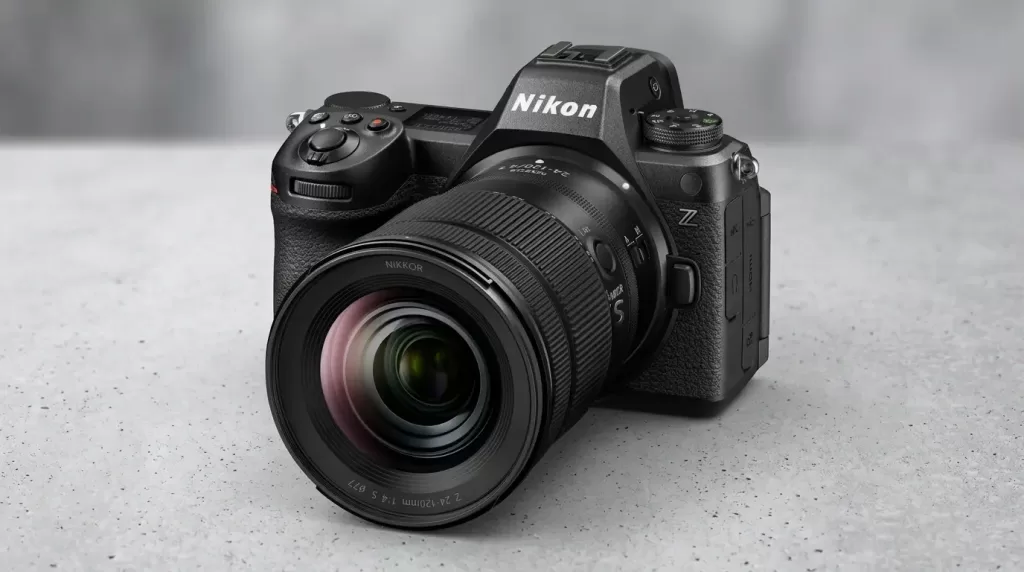
The Nikon Z6 III broke ground in 2024 as the world’s first camera with a partially-stacked sensor and in 2026, it remains the smartest mid-range buy. With street prices now hovering around $2,000, it undercuts the Canon R6 Mark III and Sony A7 V by $800–$900 while delivering near-flagship video specs.
Key Specifications
- 24.5MP partially-stacked CMOS sensor (3.5× faster readout than the Z6 II)
- 14 fps mechanical, 20 fps RAW electronic, 60 fps JPEG, 120 fps reduced-resolution
- 6K/60p N-RAW internal, 4K/120p ProRes RAW HQ
- EXPEED 7 processor (shared with the Z8 and Z9)
- 8 stops of in-body image stabilization (measured at 24-120mm)
- 5.76-million-dot, 4,000-nit ultra-bright EVF (the brightest in any mirrorless camera)
- Body weight: 760g (including battery and card)
- Launch MSRP: $2,499.95 (current street: ~$1,999)
Pros
- ✓ The brightest EVF in any current mirrorless camera
- ✓ Internal RAW video at this price point is exceptional
- ✓ Inherits the same processor as the Nikon Z8 flagship
- ✓ Robust weather sealing for outdoor and wedding work
Cons
- ✕ 24MP feels modest if you crop heavily
- ✕ Battery drain runs steeper than the Z6 II
- ✕ Some rolling shutter remains in 60 fps electronic mode
Best for: Wedding videographers, documentary shooters, and hybrid creators who want top-tier video without selling a kidney.
5. Sony A7 V — The Do-It-All All-Rounder
Why It’s a Worthy Successor
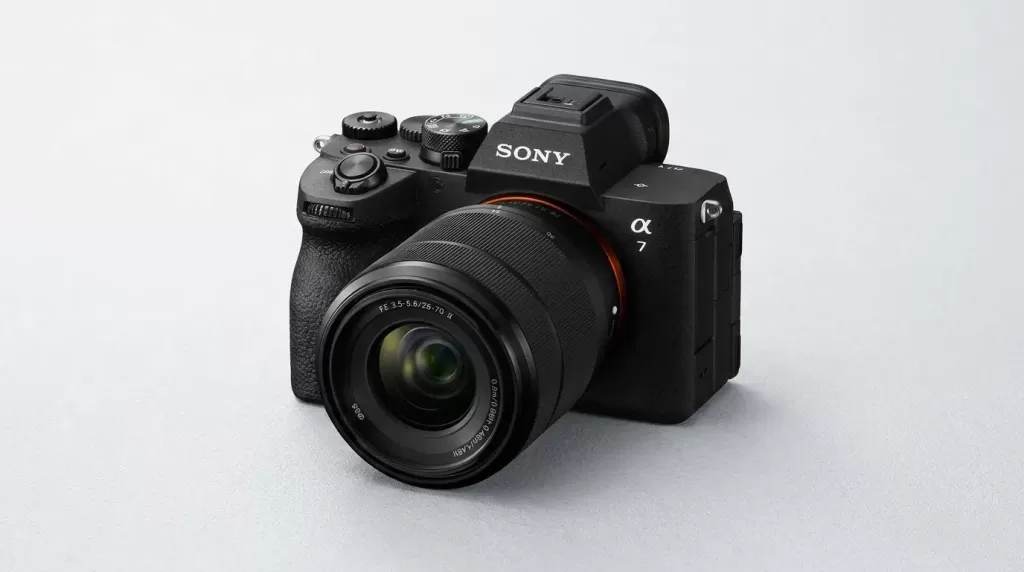
Announced December 2, 2025, the Sony A7 V is the fifth generation of Sony’s most popular A7 line. It introduces a refined 33MP partially-stacked Exmor RS sensor Sony’s first paired with the new BIONZ XR2 processor and a dedicated AI unit. The result? Blackout-free 30 fps shooting, AI-powered subject recognition borrowed from the A1 II, and full-pixel 4K/60p video without crop.
Highlights
- 33MP partially-stacked Exmor RS sensor (Sony’s first partially-stacked sensor)
- BIONZ XR2 processor with dedicated AI unit
- 30 fps blackout-free continuous shooting
- 4K/60p oversampled from 6K (no crop); 4K/120p available with a crop
- 759-point phase-detect AF with AI subject recognition
- Dual CFexpress Type A / SD UHS-II slots
- Weather-sealed magnesium-alloy chassis
- Body weight: 610g body only / 695g with battery and card
- Launch price: $2,899 (December 2025)
Pros
- ✓ Flagship AF trickle-down at less than half the A1 II’s price
- ✓ Compact body works well with smaller Sony G primes
- ✓ Industry-leading lens ecosystem (Sony, Sigma, Tamron, Zeiss)
- ✓ Real-time recognition AF feels jaw-droppingly accurate
Cons
- ✕ Still uses Sony’s polarizing menu system
- ✕ 4K/120p requires a Super 35 crop
- ✕ Same 33MP resolution as the A7 IV no megapixel bump
Best for: Hybrid content creators, travel photographers, and Sony shooters who want flagship autofocus without flagship pricing.
6. Canon EOS R6 Mark III — Hybrid Value Champion
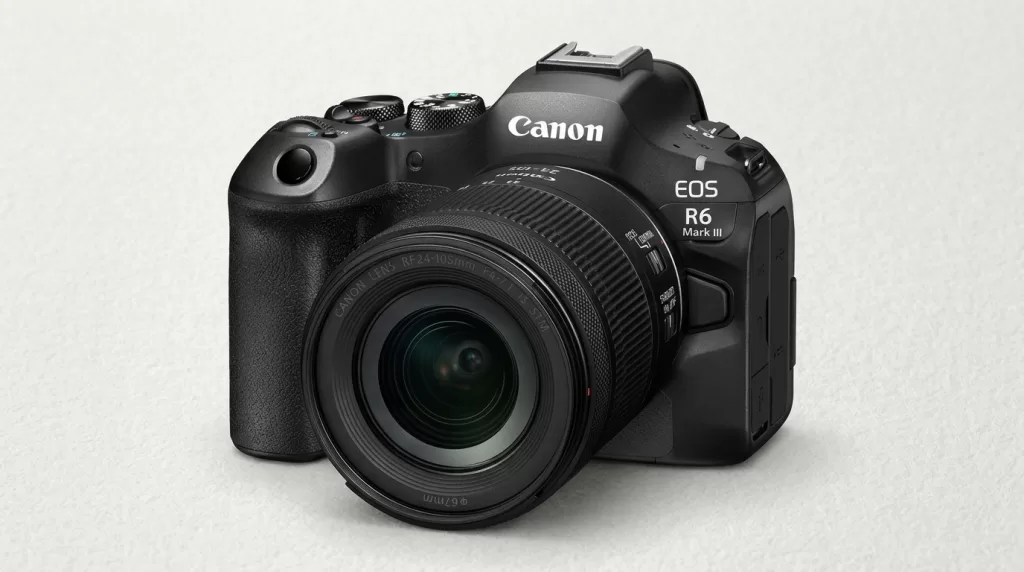
Announced November 6, 2025, the Canon EOS R6 Mark III brings serious flagship trickle-down to the popular R6 line. With a new 32.5MP full-frame sensor and 7K open-gate video recording, it ranks among the most capable hybrid cameras at its price point.
Top Features
- 32.5MP full-frame CMOS sensor
- 7K/60p 12-bit internal RAW Light video
- Open-gate 7K/29.97p (perfect for social vertical cropping)
- 4K/120p high-speed mode
- 40 fps RAW continuous shooting with 20-frame pre-burst
- Dual Pixel CMOS AF II with vehicle/animal/people detection
- Approx. 699g body weight with battery and card (609g body only per Canon Europe)
- Launch MSRP: $2,799 (Canon USA)
Pros
- ✓ One of the lighter pro-grade hybrid cameras in this list
- ✓ Open-gate recording is a content creator’s dream
- ✓ Excellent battery life via LP-E6P
- ✓ Canon color science with improved subject AF
Cons
- ✕ Lacks the stacked sensor of the R5 Mark II
- ✕ Rolling shutter shows at the fastest electronic burst speeds
- ✕ RF-mount third-party lens options remain limited
Best for: Content creators producing for YouTube, Instagram, and TikTok who want flexibility from one body. Canon’s official EOS R6 Mark III announcement targets hybrid pros directly.
7. Panasonic Lumix S1R II — Best Hybrid Video-First Flagship
What Makes It Special
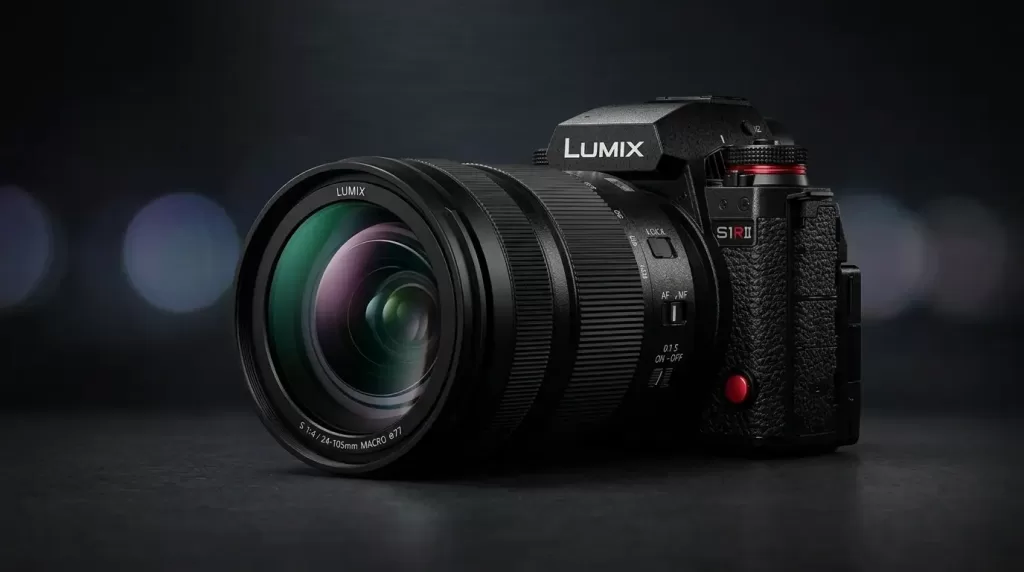
Panasonic’s Lumix S1R II is the dark horse of 2026. It pairs a new 44.3MP BSI CMOS sensor with 8.1K internal recording, 4K/120p with minimal crop, and Panasonic’s signature codec depth including Pro Res RAW HQ and Apple Pro Res 422 HQ. At $3,299 (with discounts as low as $2,999), it undercuts every comparable hybrid flagship while offering a deeper video toolkit.
Specifications
- 44.3MP full-frame BSI CMOS sensor
- 40 fps electronic burst with pre-burst capture
- 8.1K/30p, 5.8K open-gate, 4K/120p minimal-crop
- ProRes RAW HQ internal to CFexpress
- 32-bit float audio recording
- 8-stop dual IBIS
- L-mount alliance lens support (Panasonic, Sigma, Leica)
- Approx. 795g body weight (25% lighter than original S1R)
Pros
- ✓ Best-in-class internal codec selection
- ✓ Real shutter angle controls, plus built-in waveform and vectorscope
- ✓ L-mount opens access to affordable Sigma primes
- ✓ Excellent low-light performance from the BSI sensor
Cons
- ✕ Phase-detect AF trails Sony and Canon in tracking accuracy
- ✕ Smaller native lens ecosystem vs. Sony or Canon
- ✕ Heavier than the Canon R5 Mark II at 795g
Best for: Filmmakers, hybrid pros who shoot 70/30 video-to-stills, and anyone tired of paying for external recorders.
Sell apparel online? Our ghost mannequin service turns product shots into Amazon-ready listings overnight.
8. Nikon Z5 II — Best Budget Full-Frame Mirrorless Camera
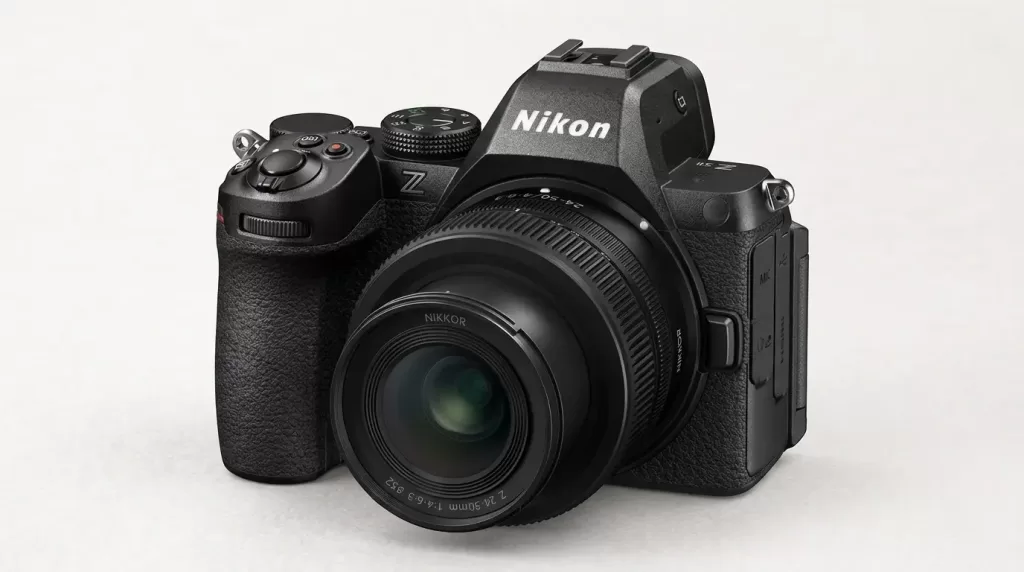
The Best Value in Full-Frame
At $1,699, the Nikon Z5 II is the steal of 2026. It shares Nikon’s flagship EXPEED 7 processor with the Z8 and Z9, meaning you inherit the same autofocus engine, 3D tracking, and subject detection in a sub-$2K body. Nikon essentially turned the entry-level full-frame category upside down.
Key Specs
- 24.5MP BSI FX-format CMOS sensor
- EXPEED 7 image processor (same as flagship Z8/Z9)
- ISO 100–64,000 (expandable to 204,800)
- 11 fps standard, 14 fps high-speed, up to 30 fps electronic continuous shooting
- 4K UHD/30p (full-frame) and 4K UHD/60p (with 1.5× crop)
- 273-point Single-Point AF, 299-point Auto-Area AF
- Low-light AF down to –10 EV (with selected lenses in low-light AF mode)
- 7.5-stop in-camera VR (IBIS)
- Dual SD UHS-II card slots
- Approx. 700g body, weather sealed
- Body-only price: $1,699
Pros
- ✓ Best price-to-performance ratio in 2026
- ✓ Flagship-level autofocus inherited from the Z8
- ✓ Dual SD card slots — rare at this price point
- ✓ Fully articulating screen ideal for video and vlogging
Cons
- ✕ Mechanical shutter limited to 11 fps standard
- ✕ 4K/60p comes with a 1.5× crop
- ✕ Buffer fills faster than higher-end models
Best for: Hobbyists upgrading from APS-C, beginners entering full-frame, and second-body buyers for working pros.
Stop wasting weekends erasing backgrounds our background removal service returns clean cutouts within 24 hours.
9. Sony A7R V — Resolution King for Studio & Landscape Work
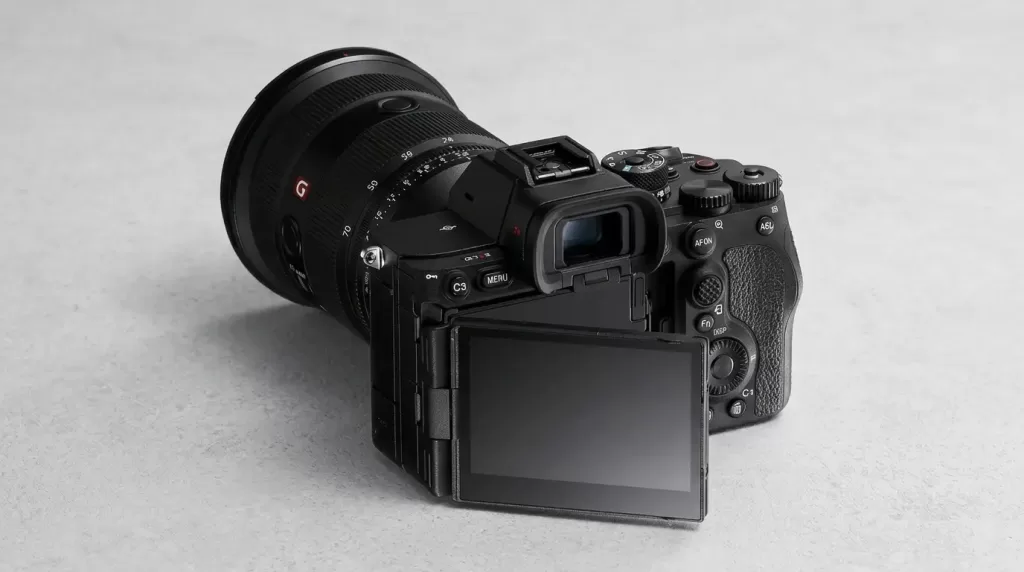
The Sony A7R V has aged into a brilliant value play. Originally launched in December 2022 at $3,899, Sony dropped its price by $900 in October 2025, and current street prices now hover between $2,800 and $3,298 for a body-only configuration. Its 61MP BSI Exmor R sensor remains one of the highest-resolution non-medium-format options on the market.
Standout Specs
- 61MP BSI Exmor R CMOS sensor (no optical low-pass filter)
- 8 stops of in-body image stabilization
- AI-powered AF with 693 phase-detect points (74% image-area coverage)
- 10 fps mechanical / 7 fps electronic burst
- 8K/24p and 4K/60p video with 10-bit 4:2:2 recording
- 9.44-million-dot OLED EVF
- Pixel-shift multi-shot for ~240MP composites
- Body weight: 723g (with battery and card)
Pros
- ✓ Extraordinary detail and tonal range for landscapes and studio work
- ✓ Pixel-shift produces medium-format-rivaling resolution
- ✓ Excellent low-ISO dynamic range
- ✓ Robust dust and moisture sealing
Cons
- ✕ Slower 10 fps burst limits sports and wildlife use
- ✕ Files are massive (around 120 MB uncompressed RAW)
- ✕ 8K video crops the sensor heavily
Best for: Landscape photographers, commercial product shooters, fine-art photographers, and anyone who needs massive print sizes.
Pulling 61MP files into your studio workflow? Let our photo retouching team handle skin and color at scale.
10. Sigma BF — Best Minimalist Full-Frame Camera
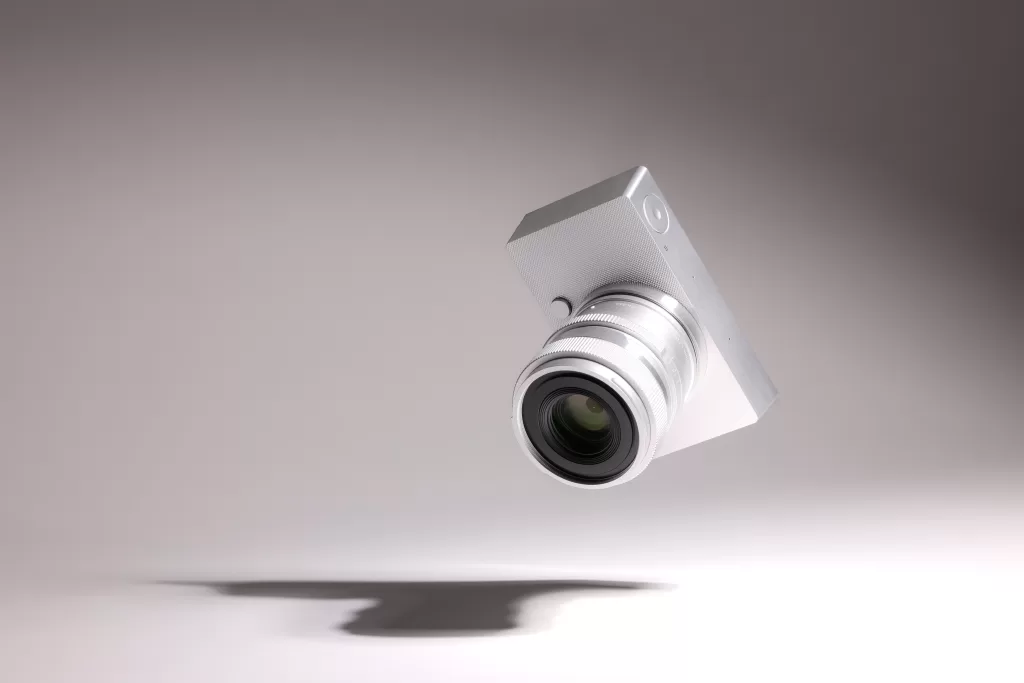
Released April 24, 2025, the Sigma BF is the wildcard of 2026 a milled-from-aluminum, minimalist full-frame camera that strips away nearly every traditional control in favor of a clean, joyful shooting experience. It won’t replace your wedding kit, but for street and travel photography it’s genuinely new.
Key Specs
- 24.6MP full-frame BSI CMOS sensor
- L-mount lens compatibility (works with Sigma, Panasonic, Leica L-mount glass)
- 230GB internal SSD storage (no SD card slot)
- 6K/29.97p video, UHD 4K/29.97p, FHD up to 119.88p, with L-Log support
- ~8 fps maximum continuous shooting (electronic shutter only)
- Single-dial interface with a monochrome status display
- USB-C charging and tethering
- Body milled from a single block of aluminum
- Approx. 388g body only / 446g with battery — one of the lightest full-frame cameras ever
- Removable BP-81 battery
- Released: April 24, 2025
- MSRP: $1,999
Pros
- ✓ Beautiful, minimalist industrial design (carved from a single aluminum block)
- ✓ Surprisingly capable autofocus with reliable face and eye detection
- ✓ Excellent image quality from a full-frame sensor
- ✓ Built-in 230GB SSD eliminates card management
- ✓ Exceptionally light — among the lightest full-frame bodies ever
Cons
- ✕ No built-in EVF — relies on rear LCD only (optional external EVF available)
- ✕ No removable storage — internal SSD only
- ✕ Limited grip ergonomics for long shoots
- ✕ Slower burst speeds versus competitors
Best for: Street photographers, design-conscious creatives, and minimalists who want a full-frame sensor in the simplest possible package.
Buying Advice: How to Choose the Right Full-Frame Mirrorless Camera
Before you pull the trigger, weigh these factors carefully:
- Define your primary use case. Wildlife shooters need fast bursts and excellent AF tracking. Landscape pros need resolution. Hybrid creators need balanced video specs.
- Factor in lenses. A $2,000 body with $8,000 of lenses outperforms a $6,000 body with one kit lens every time.
- Check current ecosystem support. Sony E-mount and Canon RF dominate native lens options. Nikon Z is rapidly catching up.
- Consider weight if you travel. A 910g body plus 1kg+ of glass feels very different in your bag after eight hours.
- Buy used or refurbished for savings. Cameras like the Nikon Z6 II or Sony A7 IV often sell for 30–40% less than current models with virtually no quality loss.
If you’re still on the fence, the companion guide at PhotoFixal’s mirrorless camera blog offers another well-researched perspective.
Full-Frame vs. Crop Sensor: Quick Reality Check
If you’re upgrading from APS-C or Micro Four Thirds, ask yourself honestly whether you need full-frame at all. Full-frame benefits include:
- Better low-light performance (typically 1–1.5 stops cleaner)
- Shallower depth of field for portraits
- Wider field of view at any given focal length
- Higher resolution potential (over 60MP available in current models)
But full-frame cameras and lenses weigh more, cost more, and aren’t always necessary. APS-C cameras like the Fujifilm X-T5 or Sony A6700 deliver superb image quality at a fraction of the cost see this DPReview mirrorless camera buying guide for solid alternatives.
Top 3 Trends Shaping Full-Frame Mirrorless in 2026
- AI-driven autofocus is now standard. Even mid-tier cameras like the Z5 II inherit flagship subject detection.
- Internal RAW video has reached the mid-range. Cameras like the Z6 III and Lumix S1R II record true cinema codecs internally — no external recorder required.
- Pre-capture buffering shows up everywhere. This wildlife-shooter favorite has trickled down to entry-level full-frame bodies like the Nikon Z5 II.
Hybrid stills-and-video bodies now dominate sales charts across major retailers like B&H Photo a sharp reversal from the DSLR era when pure stills cameras led the market.
Editing & Post-Production: The Other Half of the Process
Modern full-frame cameras capture incredible RAW files — but those files only sing after careful editing. Whether you process 500 wedding shots, 200 product photos, or one hero landscape, your post-production workflow matters as much as the camera itself.
Common post-production needs include:
- Background removal for e-commerce listings
- Skin retouching for portraits and beauty work
- Color correction and white-balance harmonization
- Drop-shadow creation for product photography
- Clipping path work for complex product cutouts
Outsourcing repetitive editing is increasingly common among working pros. It frees up time for shooting and client work the parts of the business that actually pay.
Frequently Asked Questions (FAQ)
1. What’s the best full-frame mirrorless camera for beginners in 2026?
The Nikon Z5 II wins for beginners. At $1,699, it inherits the same EXPEED 7 processor and autofocus engine as Nikon’s $5,500 flagship Z9 so you’ll never outgrow it before your skills do. The fully articulating screen also helps newcomers learn composition.
2. Should I buy a Sony A1 II or a Nikon Z8 in 2026?
It depends on your budget and lens ecosystem. The Nikon Z8 offers nearly identical performance at roughly half the price ($3,399 vs. $6,499) and makes the smarter buy for most people. Choose the Sony A1 II only if you need its superior AI-driven subject recognition or already own Sony E-mount glass.
3. Is 8K video actually useful for full-frame mirrorless cameras?
For most creators, no — 8K is overkill. However, 8K footage genuinely helps in two scenarios: (1) downsampling to ultra-sharp 4K for delivery, and (2) cropping and reframing in post without losing 4K resolution. If you need neither, save your money and storage costs.
4. Which full-frame mirrorless camera has the best autofocus in 2026?
The Sony A1 II currently leads in AI-driven subject recognition thanks to its dedicated AI processor. However, the Nikon Z8 and Canon EOS R5 Mark II track almost as well in real-world conditions, and the Z8 actually focuses well in deep shadow down to –7 EV (lower in Starlight View mode).
5. How much should I budget for lenses on top of a full-frame camera body?
Plan to spend at least the price of your camera body on lenses, ideally more. A working professional typically owns 3–5 lenses costing $5,000–$15,000 total. Hobbyists can start with one quality zoom (24–70mm f/2.8 or 24–105mm f/4) and add primes over time.
6. Are full-frame mirrorless cameras worth it for product photography?
Absolutely — and arguably more than for any other genre. Full-frame sensors capture the dynamic range, color depth, and resolution needed for high-end commercial product work. Cameras like the Sony A7R V (61MP) and Panasonic Lumix S1R II (44MP) excel here.
7. Can I use my old DSLR lenses on a new mirrorless body?
Yes, with an adapter. Nikon F-mount lenses work on Z-mount bodies via the FTZ II adapter. Canon EF lenses work on RF-mount bodies via the EF-RF adapter. Both adapters preserve autofocus and image stabilization on most modern lenses. Sony E-mount users can adapt Canon EF and Sony A-mount lenses with third-party adapters like Sigma’s MC-11.
8. Which camera brand has the best lens ecosystem in 2026?
Sony wins on sheer breadth — over 80 native E-mount lenses plus extensive third-party support from Sigma, Tamron, Samyang, and Zeiss. Canon RF is catching up but remains expensive because third-party options are still limited. Nikon Z has expanded rapidly, with both Nikon and Sigma now releasing lenses regularly.
Final Verdict: Which Full-Frame Mirrorless Camera Should You Buy in 2026?
If you want a no-regrets recommendation, the Nikon Z8 is the best full-frame mirrorless camera of 2026 for the widest range of photographers. It combines flagship autofocus, 45.7MP resolution, 8.3K RAW video, and bulletproof build quality at a price that’s genuinely defensible.
For specific needs, choose accordingly:
- Budget under $2,000: Nikon Z5 II
- Best hybrid for video: Panasonic Lumix S1R II or Nikon Z6 III
- Maximum resolution: Sony A7R V
- Flagship sports/wildlife: Sony A1 II
- Lightweight content creator: Canon EOS R6 Mark III
- Minimalist street/travel: Sigma BF
Whichever you pick, remember the camera is only half the equation. Your editing workflow, lighting, composition, and post-production skills matter just as much.
Finish strong with our multi-clipping path service perfect for complex product images where every layer matters.