

10 Best Full-Frame Mirrorless Cameras 2026 — Reviews & Specs
June 12, 2026
Best Budget Camcorder in 2026: 9 Affordable Picks That Punch Above Their Price
June 13, 2026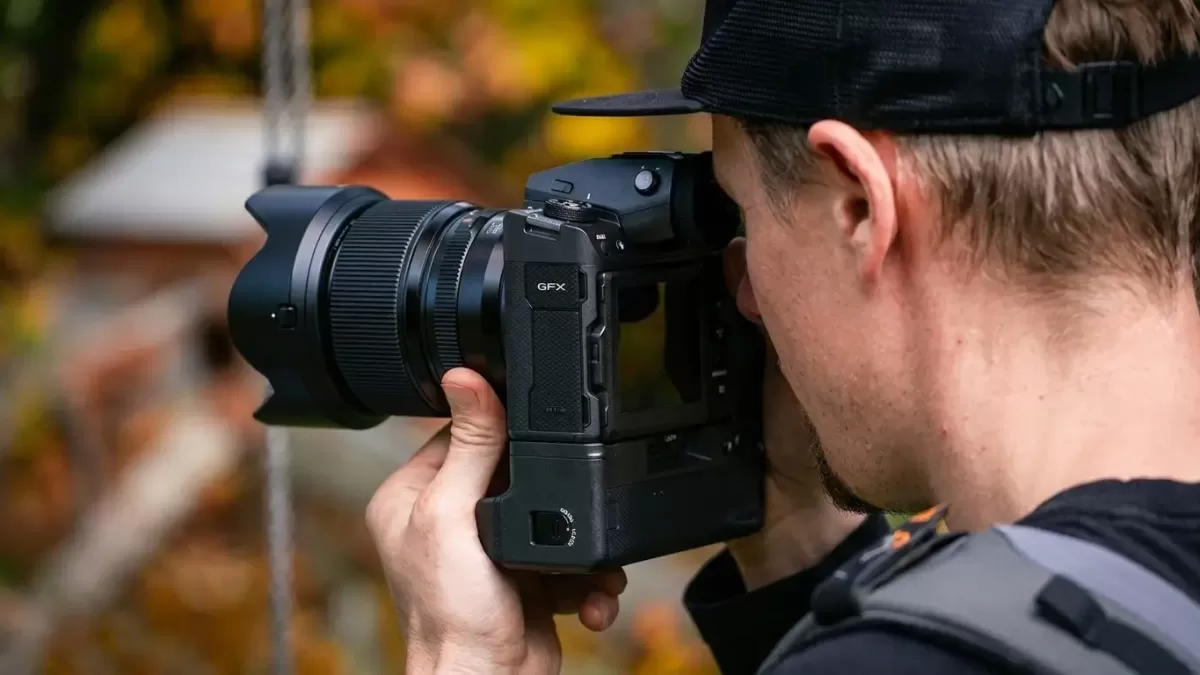
Megapixel counts keep climbing — and the gap between flagship mirrorless cameras and dedicated medium-format systems has widened more than ever in 2026. Today’s top cameras squeeze anywhere from 45 megapixels to a jaw-dropping 400 megapixels out of a single capture, giving photographers the freedom to crop aggressively, print billboard-sized images, and reveal textures invisible to the human eye.
Resolution alone, however, never tells the whole story. Sensor size, dynamic range, autofocus intelligence, and file workflow all decide whether those extra pixels translate into stunning final images. This guide ranks the top 10 highest resolution cameras you can buy today, blends real-world performance with raw specs, and points you toward the right pick for landscapes, fashion, e-commerce, archival work, or large-format printing.
Shooting at 60MP+ means every flaw shows. Let our expert team polish each frame with professional high-end photo retouching so your hero shots stay flawless.
- How We Ranked These High-Megapixel Cameras
- 1. Hasselblad H6D-400c Multi-Shot — 400 MP (The Absolute Resolution King)
- 2. Phase One IQ4 150MP — Single-Shot Resolution Champion
- 3. Fujifilm GFX100 II — 102 MP Hybrid Powerhouse
- 4. Fujifilm GFX100S II — 102 MP, Smaller Body, Friendlier Price
- 5. Hasselblad X2D 100C — 100 MP Mirrorless with 1TB Built-In SSD
- 6. Sony A7R VI — 66.8 MP Stacked Full-Frame Speed Demon
- 7. Sony A7R V — 61 MP Full-Frame Reference Camera
- 8. Sony A7CR — 61 MP in a Pocketable Rangefinder-Style Body
- 9. Leica Q3 — 60 MP Fixed-Lens Compact Icon
- 10. Canon EOS R5 Mark II & Nikon Z8 — 45 MP Full-Frame Workhorses (Tie)
- Honorable Mentions Worth Considering
- Side-by-Side: 2026 High-Resolution Camera Comparison Table
- Who Actually Needs a High-Resolution Camera?
- High-Resolution Photography Workflow Tips
- Common Mistakes High-Megapixel Shooters Make
- Multi-Image Compositing for Products & E-Commerce
- Frequently Asked Questions
- Final Thoughts: Pick the Right Tool, Not the Biggest Number
How We Ranked These High-Megapixel Cameras
Before diving into the list, here’s the framework I used to keep things fair and useful:
- Native sensor resolution (single-shot, not multi-shot trickery — though I note the exceptions)
- Sensor format and pixel quality (medium format vs. full-frame trade-offs)
- Real-world image quality (dynamic range, color, low-light)
- Workflow and tethering (matters a lot for studio and commercial shooters)
- Availability in 2026 (no vaporware, no discontinued unicorns)
- Value at the price point (because $50,000 cameras live in a different world)
For a deeper benchmark on full-frame champions, DPReview’s high-end camera buying guide is a solid second opinion to cross-check.
1. Hasselblad H6D-400c Multi-Shot — 400 MP (The Absolute Resolution King)
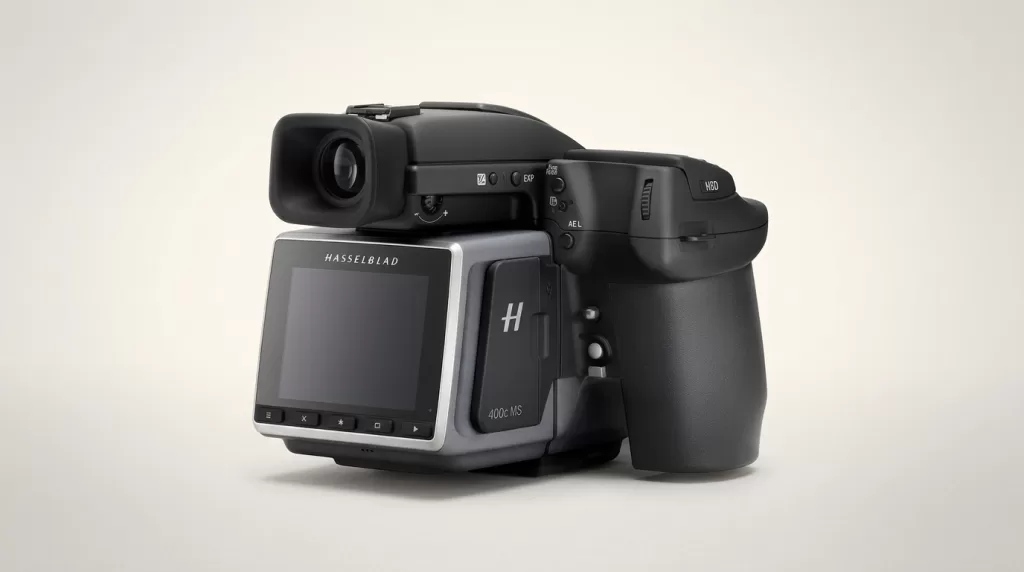
The Hasselblad H6D-400c Multi-Shot stands alone at the top. It combines a 100MP medium-format sensor with a pixel-shift system that fires six exposures and merges them into a single 23,200 × 17,400 pixel file — roughly 2.4 GB per 16-bit TIFF.
Best for: Museums, archival reproduction, fashion houses, and luxury product catalogs that demand textures down to thread level.
Key specs:
- 100MP CMOS medium-format sensor (53.4 × 40.0 mm)
- 400MP output via 6-shot pixel-shift capture
- 15 stops of dynamic range
- Tethered shooting only for multi-shot mode (static subjects required)
The catch: It is not handheld-friendly, and the multi-shot mode demands a tripod and motionless scenes. You also pay roughly $47,995 for the body, which keeps it firmly in the rental-house and studio-only category.
2. Phase One IQ4 150MP — Single-Shot Resolution Champion
If you want the highest single-shot resolution available to consumers, the Phase One XF IQ4 150MP wears the crown.
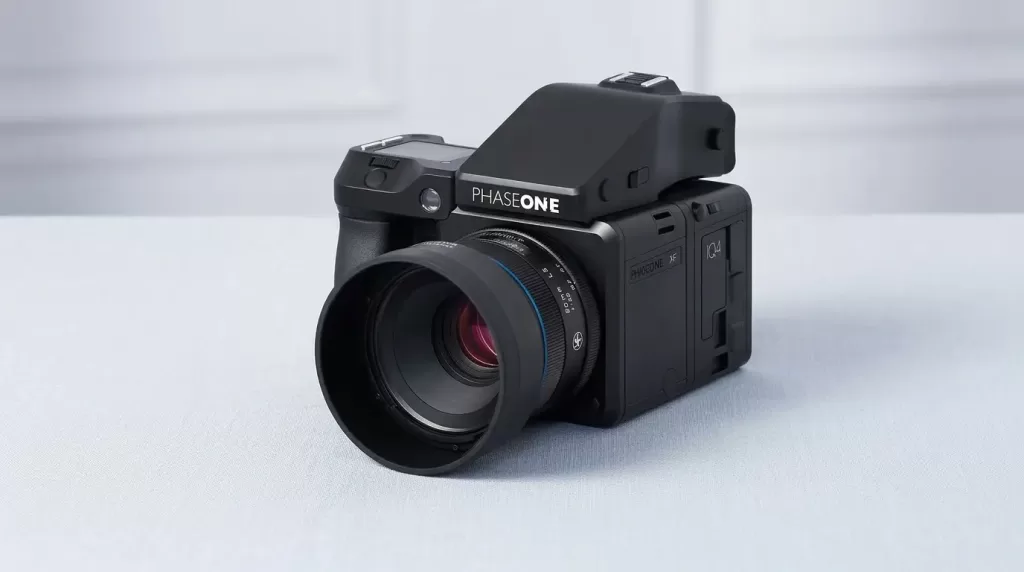
The 151-megapixel full-frame medium-format sensor (53.4 × 40.0 mm) delivers files so deep that landscape and architecture pros routinely crop 50% and still print billboard-sized.
Why it wins for studio work:
- 15 stops of dynamic range
- 16-bit color depth via Capture One Inside
- Modular Infinity Platform with Capture One tethering built into the back
- Available as XF (modular), XT (technical), or XC (fixed-lens travel rig)
The IQ4 ships in configurations ranging roughly from $46,000 to $62,000+ depending on the system. Commercial photographers shooting jewelry, watches, and fine art rate this body as the gold standard alongside Hasselblad multi-shot rigs.
3. Fujifilm GFX100 II — 102 MP Hybrid Powerhouse
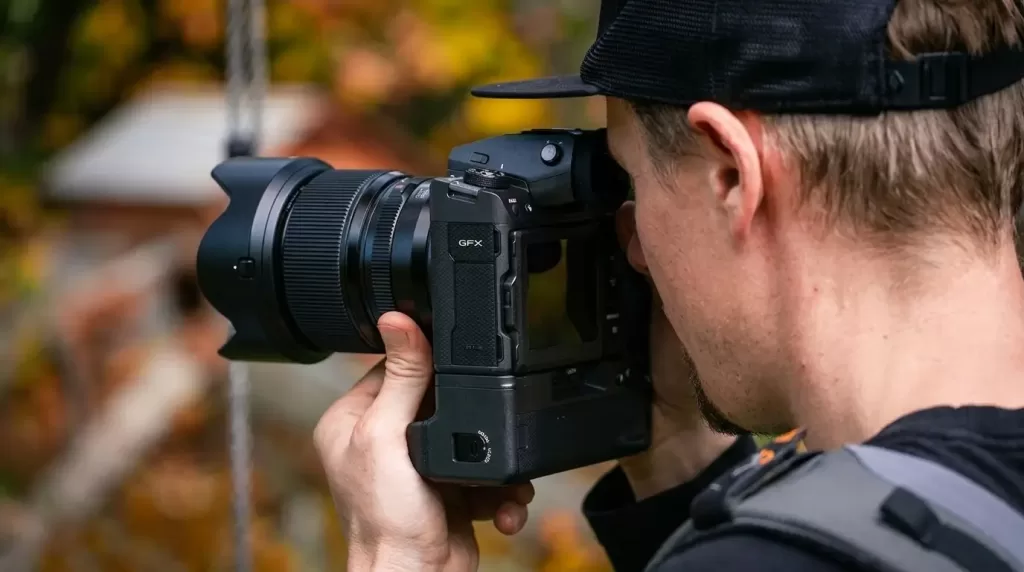
The Fujifilm GFX100 II flipped the script on what medium format can do. It pairs a brand-new 102MP CMOS II HS sensor with X-Processor 5, hits 8 fps burst speeds, and shoots 8K/30p video with internal ProRes.
Highlights:
- 102MP back-illuminated medium-format sensor
- 8 fps continuous shooting (huge for medium format)
- 8K30p ProRes 422 HQ recording
- IBIS rated to 8 stops
- Subject detection AF that rivals full-frame mirrorless
At around $7,499, it remains the most accessible “true” medium-format hybrid camera on the market for working professionals who shoot both stills and motion.
4. Fujifilm GFX100S II — 102 MP, Smaller Body, Friendlier Price
The Fujifilm GFX100S II takes most of the GFX100 II’s headline features and packs them into a body the size of a pro full-frame DSLR — and trims roughly $2,500 off the price tag.
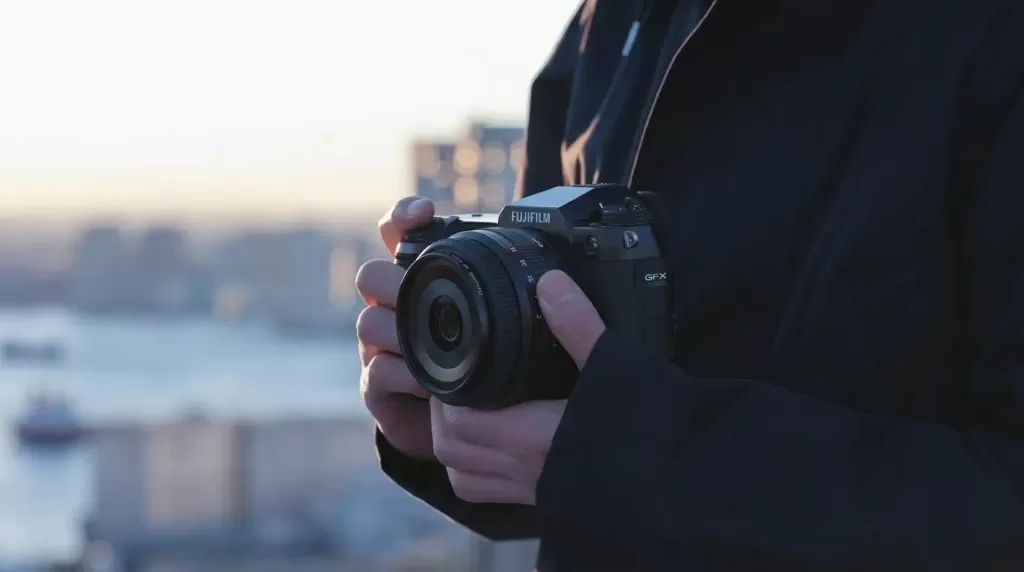
What you get for around $4,999:
- Same 102MP medium-format sensor
- Improved subject-detection autofocus
- 8-stop IBIS
- Compact form factor friendly to travel and on-location portrait work
- Bayer filter array (vs. the GFX100 II’s higher-spec sensor)
I think of it as the smart compromise: 95% of the magic, two-thirds of the cost.
Need products to look catalog-perfect at 100MP? Our professional clipping path service delivers crisp edges and clean cutouts at scale, fast.
5. Hasselblad X2D 100C — 100 MP Mirrorless with 1TB Built-In SSD
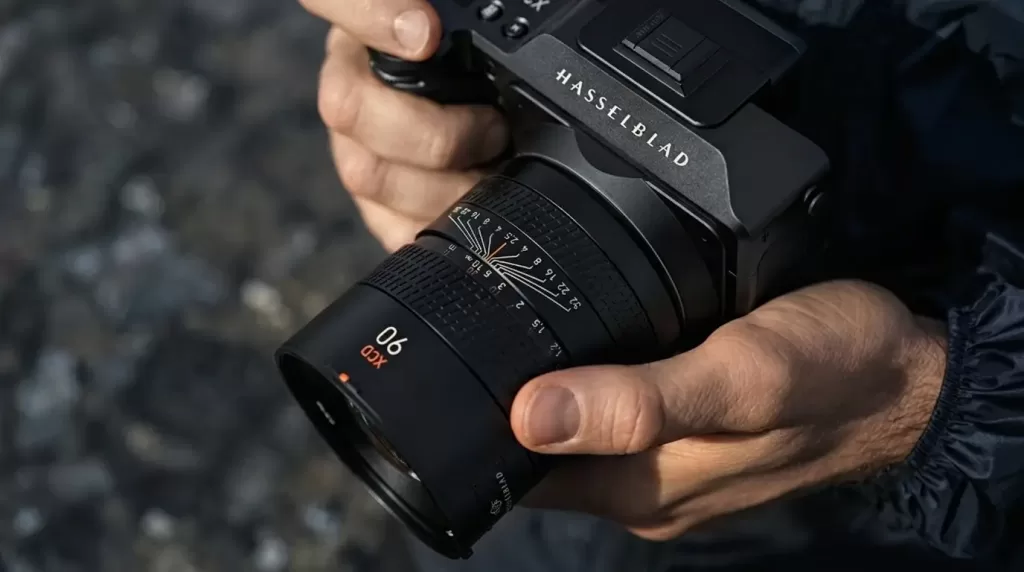
The Hasselblad X2D 100C brings Scandinavian minimalism, a 100MP BSI CMOS sensor, and a unique built-in 1TB SSD that writes at up to 2370 MB/s.
Why creators keep buying it:
- 100MP medium-format sensor with 16-bit color
- Phase-detect autofocus (a first for Hasselblad MF)
- Hasselblad Natural Colour Solution for jaw-dropping skin tones
- 7-stop IBIS
- Striking aluminum body that simply feels different in hand
At about $8,199, it remains the rangefinder-style alternative to Fujifilm GFX bodies. Wedding, fashion, and fine-art photographers who value craftsmanship over speed flock to it.
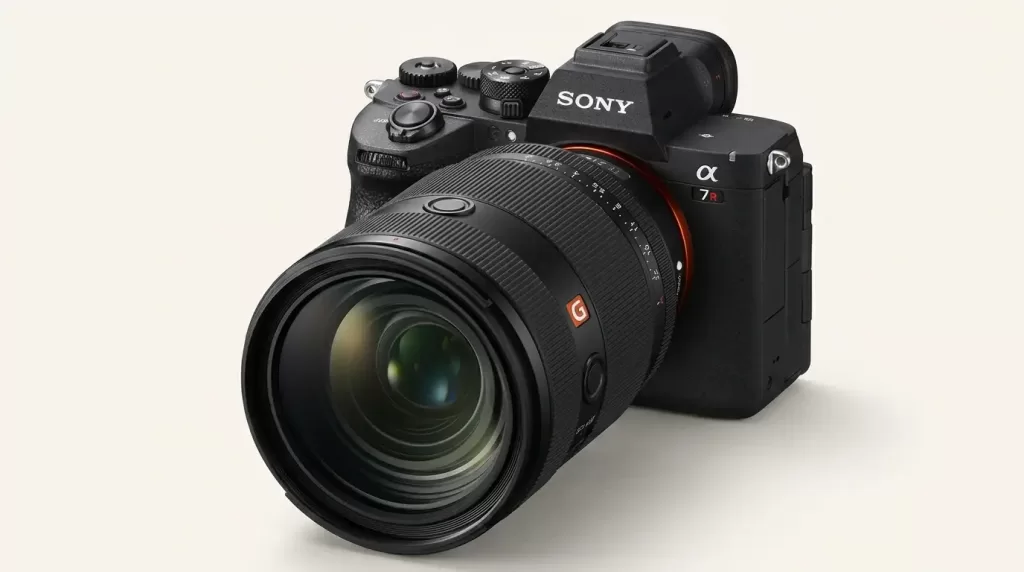
6. Sony A7R VI — 66.8 MP Stacked Full-Frame Speed Demon
Sony shattered the trade-off between speed and resolution with the new Sony Alpha 7R VI. This 2026 release packs a 66.8MP stacked Exmor RS BSI sensor — and somehow shoots at 30 fps with AF/AE tracking.
Standout features:
- 66.8MP full-frame stacked CMOS sensor
- 30 fps continuous shooting with pre-capture
- 8K/30p and 4K/120p 10-bit internal video
- AI-based recognition AF+ (humans, animals, vehicles, insects)
- Sensor-level Dual Gain mode for cleaner shadows
PCMag called it “the new benchmark for high-resolution full-frame cameras,” and frankly, I agree. For wildlife, sports, and detail-heavy commercial work in one body, nothing else comes close. Read the PCMag review of the Sony a7R VI for a deep-dive.
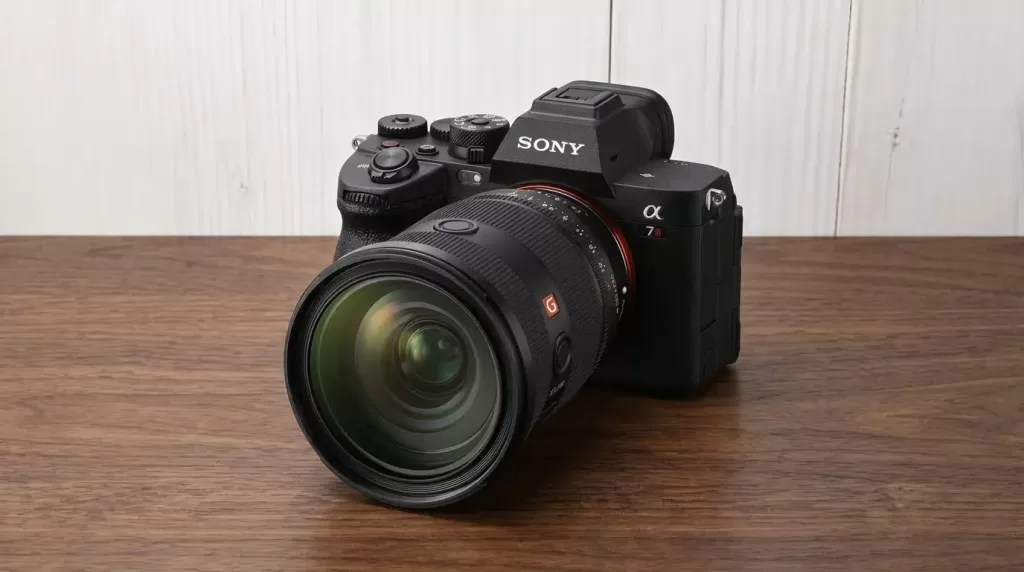
7. Sony A7R V — 61 MP Full-Frame Reference Camera
The original 61MP heavyweight, the Sony A7R V, still holds a special place in 2026. It launched the AI processing unit that now powers most Sony bodies, and at sub-$3,500, it offers more resolution-per-dollar than almost any other modern mirrorless.
Specs that still hold up:
- 61MP Exmor R BSI CMOS sensor (9504 × 6336 pixels)
- BIONZ XR + AI processing unit
- 8-stop in-body image stabilization
- 8K/24p and 4K/60p 10-bit video
- 4-axis multi-angle LCD screen (a niche favorite)
Landscape, real estate, and product photographers love this body because the files crop like medium format while the lens lineup stays affordable and travel-friendly.
Bulk product shots piling up? Outsource your background work with our reliable background removal service and reclaim your editing hours.
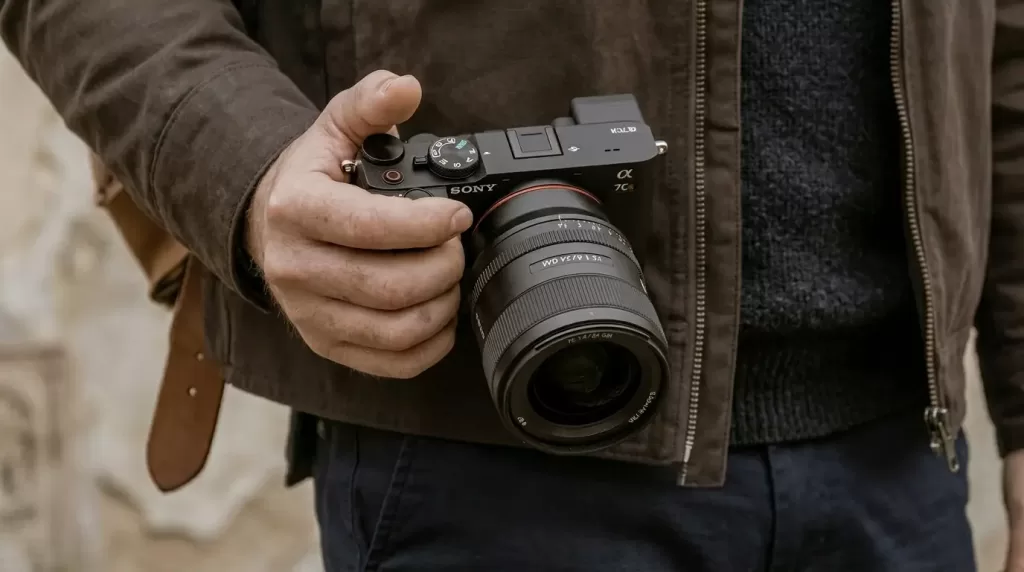
8. Sony A7CR — 61 MP in a Pocketable Rangefinder-Style Body
Want 61 megapixels without the heft? The Sony A7CR crams the A7R V’s sensor into a body that weighs just 515 grams.
Why travelers and street shooters love it:
- Identical 61MP BSI sensor as the A7R V
- Compact rangefinder-style body
- 7-stop IBIS
- Same AI subject recognition (humans, animals, birds, insects, vehicles, planes)
- 4K/60p 10-bit video
It is the highest-resolution full-frame camera you can actually carry all day without your shoulder filing a complaint. With memory cards filling fast at 61MP, you may also wonder how many photos fit on a single SD card — this guide on how many pictures a 64GB card can hold is genuinely useful.
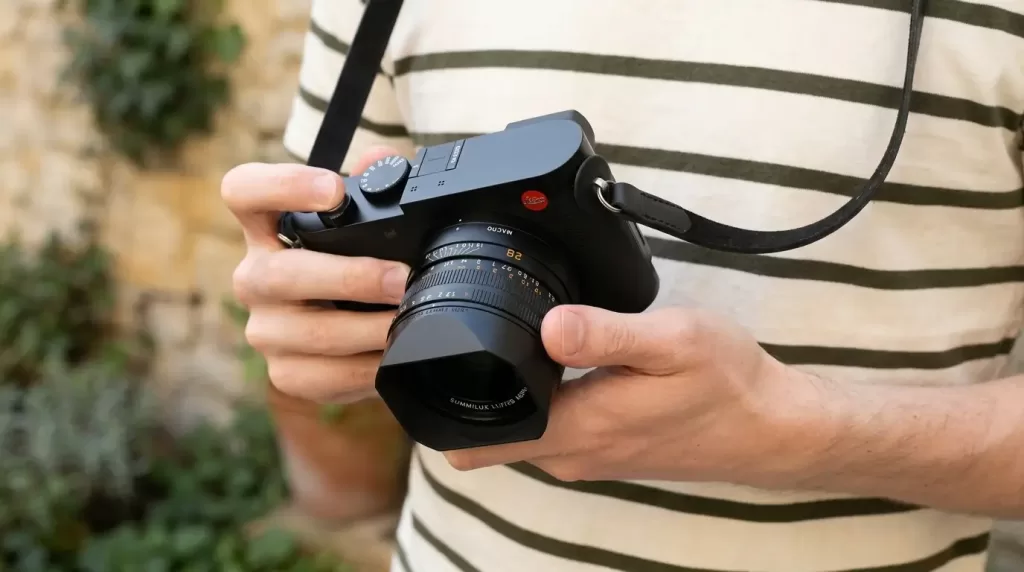
9. Leica Q3 — 60 MP Fixed-Lens Compact Icon
The Leica Q3 is the only fixed-lens compact on this list — and rightfully so. The 60.3MP full-frame BSI sensor behind that gorgeous Summilux 28mm f/1.7 lens makes it the highest-resolution premium compact ever built.
What makes the Q3 special:
- 60MP full-frame BSI CMOS sensor (no AA filter)
- Fixed Summilux 28mm f/1.7 ASPH prime lens
- Digital crop modes to 35mm, 50mm, 75mm, and 90mm focal lengths
- 8K/30p video
- IP52 weather sealing and tilting touchscreen
Street, travel, and reportage photographers consistently rate it as the most fun premium compact made. The fact that you can crop to a 39MP “50mm” frame without losing meaningful detail almost makes the single lens feel like three.
10. Canon EOS R5 Mark II & Nikon Z8 — 45 MP Full-Frame Workhorses (Tie)
The final spot belongs to two cameras that share a similar resolution ceiling but split the working-pro audience right down the middle.
Canon EOS R5 Mark II (45 MP)
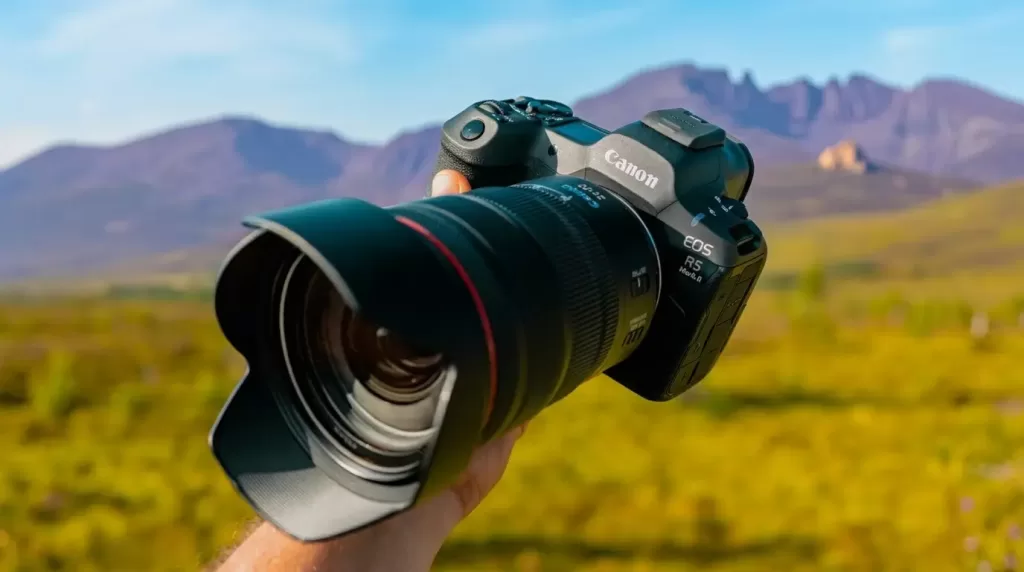
The Canon EOS R5 Mark II refines the original R5 with:
- 45MP stacked CMOS sensor
- 30 fps electronic shutter
- Eye Control AF (focus where you look)
- 8.5 stops of IBIS
- 8K/60p RAW internal video
Nikon Z8 (45.7 MP)
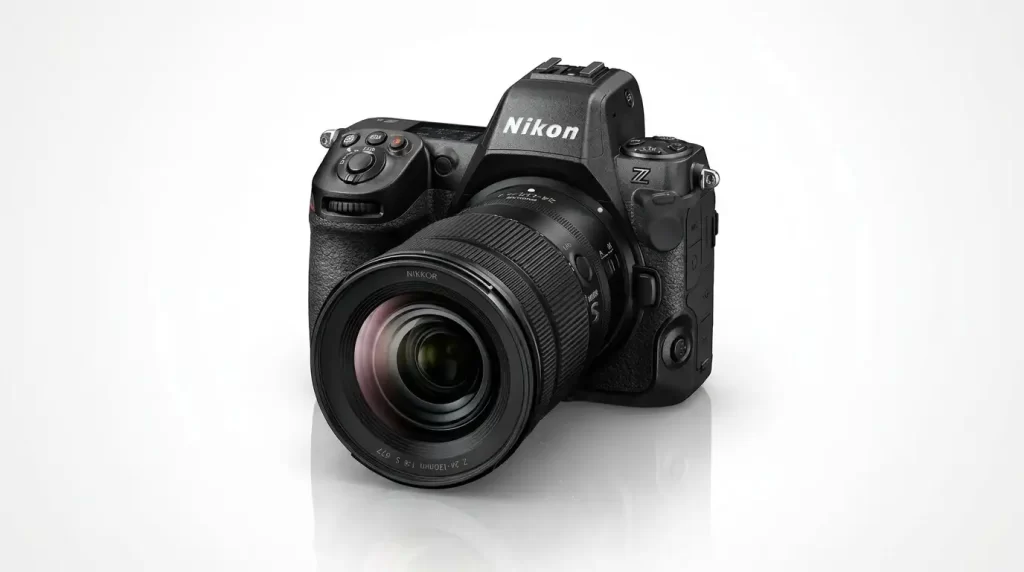
The Nikon Z8 feels like a Z9 in a smaller chassis:
- 45.7MP FX-format stacked CMOS sensor
- 8K/60p RAW internal video
- 120 fps stills in JPEG (yes, really)
- Real-Live Viewfinder with zero blackout
- Identical AF performance to the Z9
Both bodies sit around $3,999–$4,299 and have become the standard rigs for wedding, sports, and editorial pros who need resolution and speed.
Selling apparel online? Bring symmetry and shape to every garment with our ghost mannequin service — built for high-res e-commerce.
Honorable Mentions Worth Considering
A few cameras nearly made the cut and deserve a quick nod:
- Sony A1 II (50.1 MP) — Hybrid flagship with 30 fps and 8K30p video
- Panasonic Lumix S1R II (44.3 MP) — 8K, ProRes RAW, and L-Mount lens versatility
- Pentax 645Z (51.4 MP) — Aging but beloved medium-format DSLR
- Sigma fp L (61 MP) — Smallest 61MP full-frame body in the world
Side-by-Side: 2026 High-Resolution Camera Comparison Table
| Camera | Resolution | Sensor Type | Approx. Price (USD) | Best Use |
|---|---|---|---|---|
| Hasselblad H6D-400c MS | 400 MP (6-shot) | Medium format | $47,995 | Archival, museums |
| Phase One IQ4 150MP | 151 MP | Medium format | $46,000+ | Studio, commercial |
| Fujifilm GFX100 II | 102 MP | Medium format | $7,499 | Hybrid pro work |
| Fujifilm GFX100S II | 102 MP | Medium format | $4,999 | Travel, portrait |
| Hasselblad X2D 100C | 100 MP | Medium format | $8,199 | Fashion, fine-art |
| Sony A7R VI | 66.8 MP | Full-frame stacked | $4,299 | Hybrid + speed |
| Sony A7R V | 61 MP | Full-frame | $3,499 | Landscape, studio |
| Sony A7CR | 61 MP | Full-frame | $2,998 | Travel, street |
| Leica Q3 | 60 MP | Full-frame | $5,995 | Premium compact |
| Canon R5 II / Nikon Z8 | 45–45.7 MP | Full-frame | $3,999 | All-round pro |
Who Actually Needs a High-Resolution Camera?
Not everyone benefits from 100+ megapixel files. Here’s how to know if you do:
- You print large (24×36 inches or bigger)
- You crop heavily in post for wildlife, sports, or editorial work
- You shoot commercial products where every stitch and pixel sells
- You reproduce artwork or documents with archival precision
- You sell stock to clients who need flexibility for unknown end uses
If most of your work ends up on Instagram, a 24MP body will serve you just as well — and your hard drive will thank you.
Hair, fur, and tricky transparent objects in your shots? Try our image masking service for clean, natural extractions.
High-Resolution Photography Workflow Tips
Owning a 100MP camera is one thing; managing the files is another. A few habits make life easier:
- Storage: Plan on 100–200 GB per shoot. CFexpress Type B cards and fast NVMe SSDs make a difference.
- Tethering: Capture One (for Phase One and most pros) and Hasselblad Phocus dominate the studio.
- Sharpening: Less is more at 100MP — over-sharpening exaggerates noise and ruins skin tones.
- Lenses: Cheap glass becomes the bottleneck instantly. Budget at least one premium prime.
- Backups: Use a 3-2-1 rule. One copy on-site, one off-site, one in the cloud.
For deeper technical breakdowns, the B&H Explora photography hub routinely publishes useful workflow articles.
Common Mistakes High-Megapixel Shooters Make
Even seasoned pros stumble in predictable places when they switch to 60MP+ bodies:
- Ignoring shutter speed minimums — at 100MP, even tiny camera shake becomes visible
- Using kit-grade zooms that can’t resolve the sensor’s full capability
- Skipping color calibration — high-bit color demands a calibrated monitor
- Storing originals only on the camera card (a recipe for disaster)
- Overprocessing JPEGs instead of working with RAW for full latitude
Multi-Image Compositing for Products & E-Commerce
If you sell products online, multi-angle compositing matters as much as megapixels. Many studios capture six to twelve images per product, then layer them together for catalog-perfect listings.
Layered product photos with multiple paths? Our multi clipping path service keeps every angle clean and color-corrected.
Frequently Asked Questions
1. What is the highest resolution camera you can buy in 2026?
The Hasselblad H6D-400c Multi-Shot captures up to 400 megapixels via six combined exposures. For single-shot images, the Phase One IQ4 150MP holds the top spot at 151 megapixels.
2. Is medium format always better than full-frame?
Not always. Medium format cameras deliver more detail and shallower depth of field per equivalent aperture, but full-frame bodies offer faster autofocus, broader lens choices, and better video. Pick based on your subject matter, not specs alone.
3. How many megapixels do I really need?
For most photographers, 24–45 megapixels is plenty. You only benefit from 60MP+ if you print huge, crop aggressively, or shoot commercial work where buyers reuse files at unknown sizes.
4. Do higher megapixels mean better image quality?
No. Pixel size, sensor design, lens quality, and processing all matter just as much as raw count. A 24MP full-frame camera with a great prime often outperforms a poorly-paired 60MP body.
5. How much storage do high-resolution RAW files use?
Expect 80–180 MB per RAW file at 60–100MP. A full wedding or fashion shoot can consume 200 GB or more. Plan storage and backups accordingly.
6. Are high-megapixel cameras good for low-light photography?
Modern back-illuminated sensors handle low light surprisingly well at high resolutions. The Sony A7R V and A7R VI both deliver clean files up to ISO 6400. Medium-format bodies, however, still trail full-frame in usable high ISO.
7. What’s the best high-resolution camera for beginners?
Most beginners are better served by 24–33MP cameras, but if you want one body to grow into, the Sony A7CR (61MP, compact) or Nikon Z8 (45.7MP, deep menu but powerful) offer room to learn without immediately outgrowing the tool.
8. How do I handle shadows and lighting at high resolution?
You need clean separation between subject and background. Professional shadow casting preserves realism in product images.
Make every high-resolution image look gallery-ready with our natural and reflection shadow creation service — perfect for catalogs, ads, and editorial work.
Final Thoughts: Pick the Right Tool, Not the Biggest Number
The race to higher resolution is exciting, but the “best” high-megapixel camera depends entirely on what you shoot, how you deliver, and where the files end up. The Hasselblad H6D-400c MS makes sense for a museum reproduction studio. A Sony A7CR fits the working travel pro. The Canon R5 Mark II and Nikon Z8 cover almost every wedding and editorial job.
Buy for your workflow first, your ego second. Then invest in glass, calibration, and post-production — because at 60+ megapixels, every weak link in the chain shows up loud and clear.