


HEIF vs. JPEG: Should You Switch Your Camera’s Default File Format?
May 5, 2026
Best Photo Cloud Storage 2026: Pros, Prices, Privacy Tips
May 7, 2026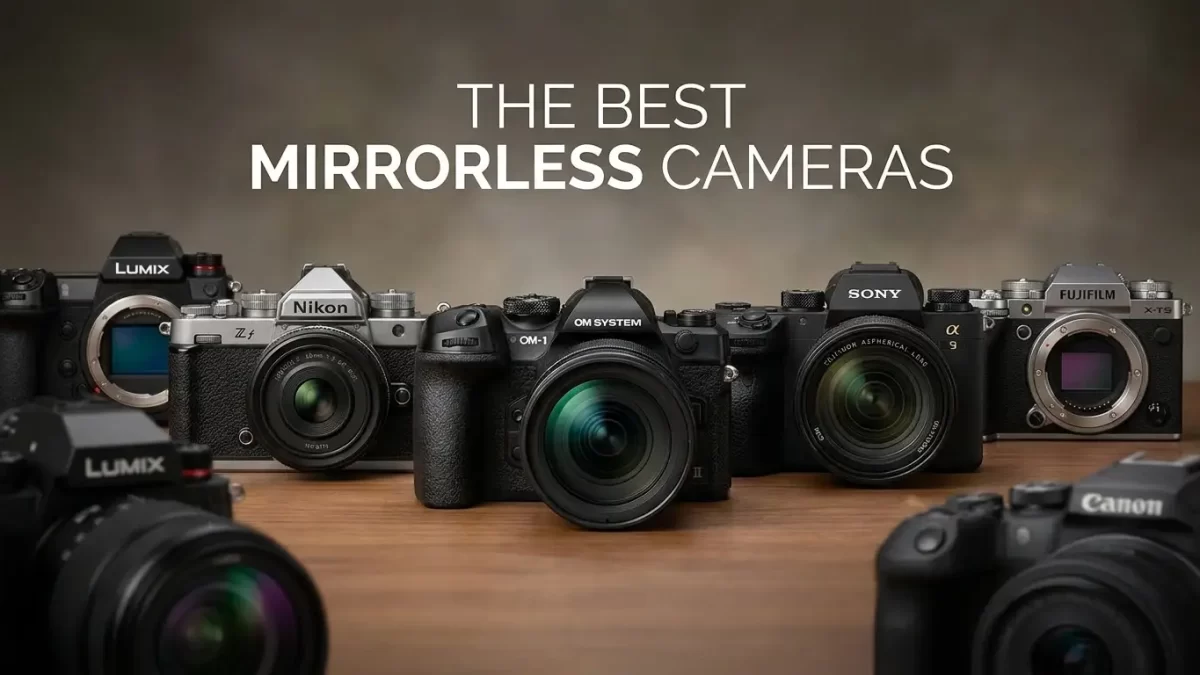
- Why Mirrorless Cameras Have Officially Won the Photography Race
- What Makes a Mirrorless Camera “The Best” in 2026?
- Best Overall Mirrorless Camera 2026: Nikon Z8
- Best High-End Mirrorless Camera 2026: Canon EOS R5 Mark II
- Best Value Full-Frame Mirrorless: Nikon Z5 II
- Best APS-C Mirrorless Camera: Fujifilm X-T5
- Best Mirrorless Camera for Beginners: Canon EOS R10
- Best Compact High-Resolution Mirrorless: Sony a7CR
- Best Mid-Range Hybrid: Nikon Z6 III
- Best Mirrorless for Video Creators: Panasonic Lumix S1II
- Best Action & Wildlife Mirrorless: Sony a9 III
- Best Budget Full-Frame Mirrorless: Canon EOS R8
- Best Retro-Styled Mirrorless: Nikon Zf
- Best Micro Four Thirds Mirrorless: OM System OM-1 Mark II
- How to Choose the Right Mirrorless Camera in 2026
- Mirrorless Lens Ecosystems in 2026: Why It Matters
- Common Mistakes Buyers Make in 2026
- FAQ: The Best Mirrorless Cameras 2026
- Final Thoughts: Your Next Camera Is Closer Than You Think
Why Mirrorless Cameras Have Officially Won the Photography Race
Mirrorless cameras now dominate the photography world, and 2026 marks the year the transition becomes complete. Almost every major manufacturer—Sony, Canon, Nikon, Fujifilm, Panasonic, and OM System—has shifted research, development, and flagship lens releases away from DSLRs. As a result, today’s mirrorless bodies pack faster autofocus, better video, smaller designs, and smarter AI subject detection than anything we’ve seen before.
Choosing the right camera in 2026, however, feels harder than ever. Sensor sizes range from Micro Four Thirds to medium format. Prices stretch from under $700 to well over $6,000. Marketing pages overflow with megapixel counts, frame rates, and AI-powered buzzwords. So how do you actually decide?
This guide walks you through the best mirrorless cameras of 2026 across every price tier and shooting style. I tested, compared, and cross-referenced specs from trusted hands-on reviewers, and I’m cutting through the noise to help you pick a camera you’ll genuinely love using. Whether you shoot weddings, wildlife, street scenes, products, or family memories, you’ll find your match below.
Already shooting and need clean, professional product photos for your store? Let our experts handle the editing—try our multi clipping path service and watch your images convert better.
What Makes a Mirrorless Camera “The Best” in 2026?
Before jumping into picks, let’s set the criteria. A truly great mirrorless camera in 2026 should deliver:
- Reliable AI subject detection for people, animals, vehicles, and birds
- Fast hybrid autofocus that tracks erratic subjects without hunting
- In-body image stabilization (IBIS) rated to at least 5–7 stops
- High-quality 4K video with 10-bit color and minimal rolling shutter
- Strong battery life, USB-C charging, and dual card slots
- A growing native lens ecosystem with affordable third-party options
These six pillars separate the cameras worth buying from cameras that simply look impressive on paper. Now let’s get into the actual picks.
Best Overall Mirrorless Camera 2026: Nikon Z8
A Pro-Grade Powerhouse Without the Pro-Grade Bulk
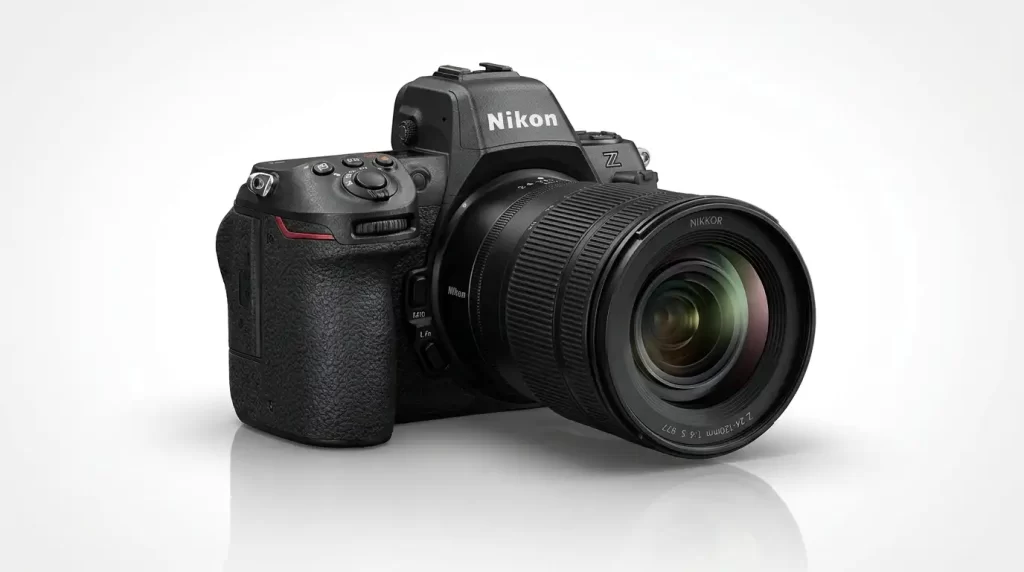
The Nikon Z8 tops most expert lists in 2026, and rightly so. It packs nearly every feature of the flagship Z9 into a smaller, lighter body that costs roughly $1,200 less. For working professionals and serious enthusiasts, that combination is hard to beat.
Why photographers love the Nikon Z8:
- 45.7MP stacked BSI CMOS sensor with no mechanical shutter
- 20 fps RAW bursts (and 120 fps at reduced resolution for action)
- 8K/60p RAW internal video recording
- Industry-leading subject detection across nine subject types
- Dual card slots (CFexpress Type B + SD UHS-II)
The Z8 handles weddings, sports, wildlife, and high-end commercial work with equal ease. Its viewfinder offers a real-time, blackout-free experience that makes tracking erratic motion almost effortless.
Best for: Working pros, wedding shooters, wildlife photographers, hybrid creators
Best High-End Mirrorless Camera 2026: Canon EOS R5 Mark II
Canon’s Most Refined Hybrid to Date
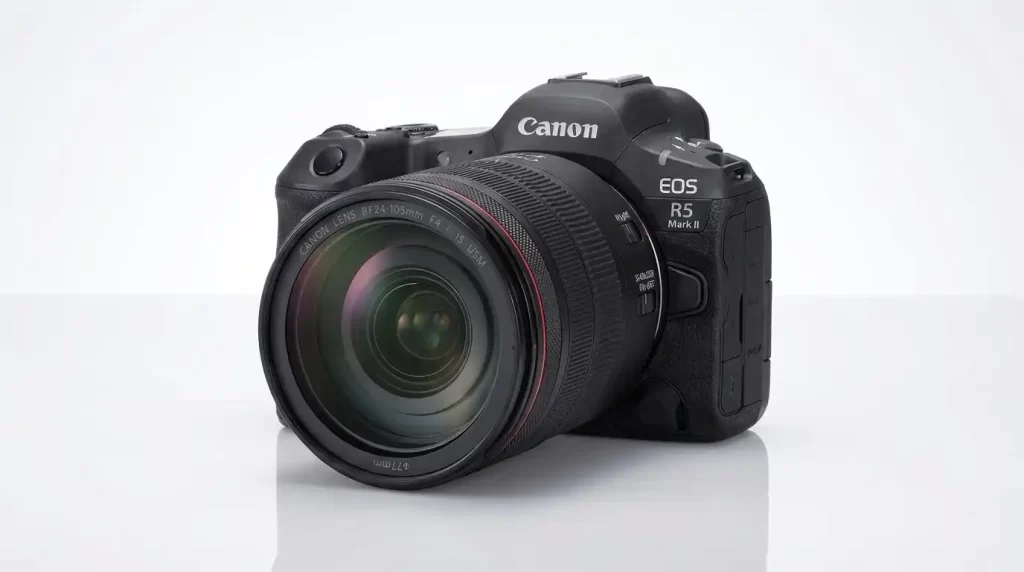
Canon’s EOS R5 Mark II refines an already-loved formula. The 45MP stacked sensor delivers 30 fps electronic shutter bursts, and the new “Eye Control AF” lets you literally look at your subject to lock focus. It feels futuristic, and it actually works.
Standout Features:
- 45MP stacked CMOS sensor with deep learning AF
- 8K/60p RAW and 4K/120p video
- Pre-capture buffer (records the half-second before you press the shutter)
- Improved heat management for longer video shoots
- Eye Control AF for hands-free focus selection
If you live inside Canon’s RF lens ecosystem, the R5 II is the natural upgrade in 2026. Sports shooters, action filmmakers, and high-resolution portrait pros will all find a faithful tool here.
Best for: Hybrid shooters, sports/action specialists, Canon RF lens owners
Best Value Full-Frame Mirrorless: Nikon Z5 II
Pro-Level Image Quality Without the Sticker Shock
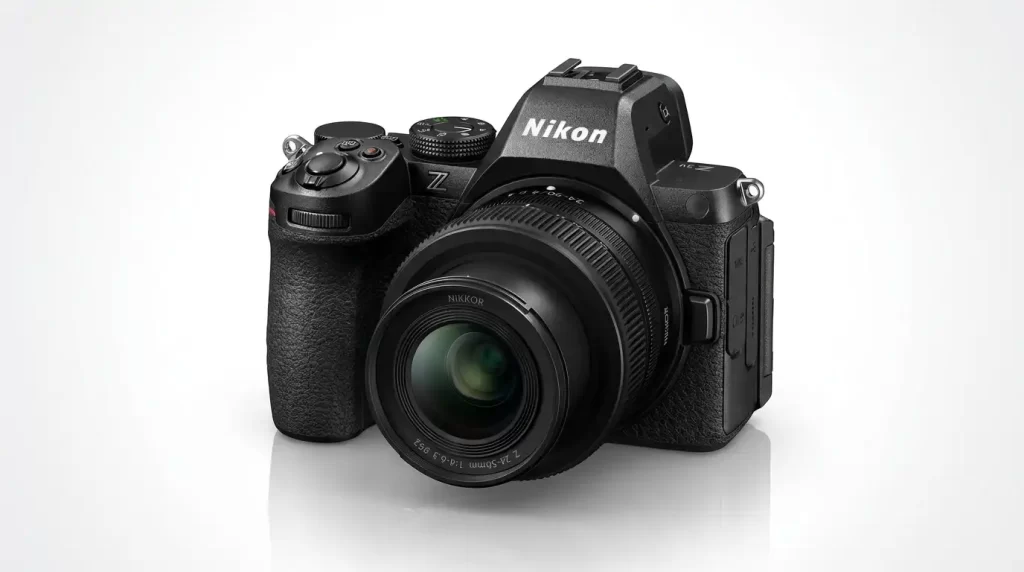
Not every great camera has to cost $4,000. The Nikon Z5 II has quickly become the value champion of 2026. It borrows the same 24MP sensor and Expeed 7 processor found in pricier siblings, then trims luxuries to land at a much friendlier price point.
What you get for the money:
- Full-frame 24MP BSI CMOS sensor
- 7.5 stops of in-body stabilization
- 4K/30p oversampled video and 4K/60p with crop
- Subject detection borrowed directly from the Z8
- Comfortable grip and weather-sealed build
The Z5 II proves you don’t need to spend flagship money to enjoy flagship image quality. For new full-frame shooters, this camera delivers the best long-term value of 2026.
Clean, ghost-mannequin-style apparel images sell faster online—explore our ghost mannequin service and showcase your products like the top brands do.
Best for: Hobbyists upgrading to full-frame, portrait shooters, travelers on a budget
Best APS-C Mirrorless Camera: Fujifilm X-T5
The Photographer’s Camera Everyone Keeps Buying
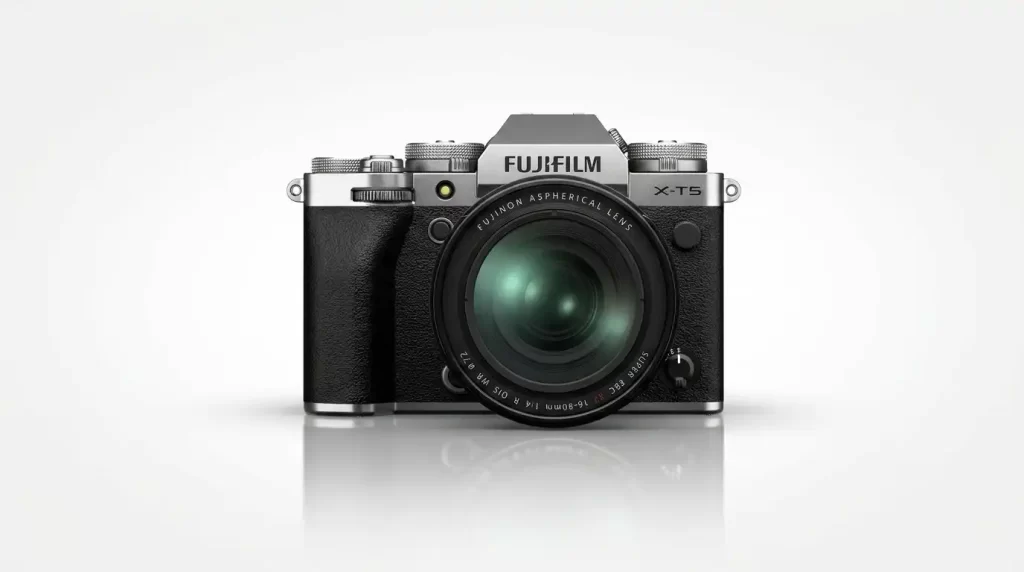
The Fujifilm X-T5 remains the king of APS-C in 2026, and for good reason. Its 40MP X-Trans 5 HR sensor delivers detail that rivals many full-frame bodies, while its tactile dials make shooting feel joyful instead of menu-driven.
Why creators keep choosing the X-T5:
- 40.2MP APS-C sensor with no anti-aliasing filter
- 7-stop in-body image stabilization
- Classic dial-driven controls (ISO, shutter, exposure compensation)
- 6.2K/30p ProRes video internally
- 19 film simulations (including Nostalgic Neg and Reala Ace)
The X-T5 weighs noticeably less than full-frame rivals, and its compact prime lenses make it a dream for travel and street photography. Skin tones look gorgeous straight out of camera, which saves hours during editing.
Best for: Travel photographers, street shooters, portrait creators who love film looks
Best Mirrorless Camera for Beginners: Canon EOS R10
A Stress-Free Entry Into Interchangeable-Lens Photography
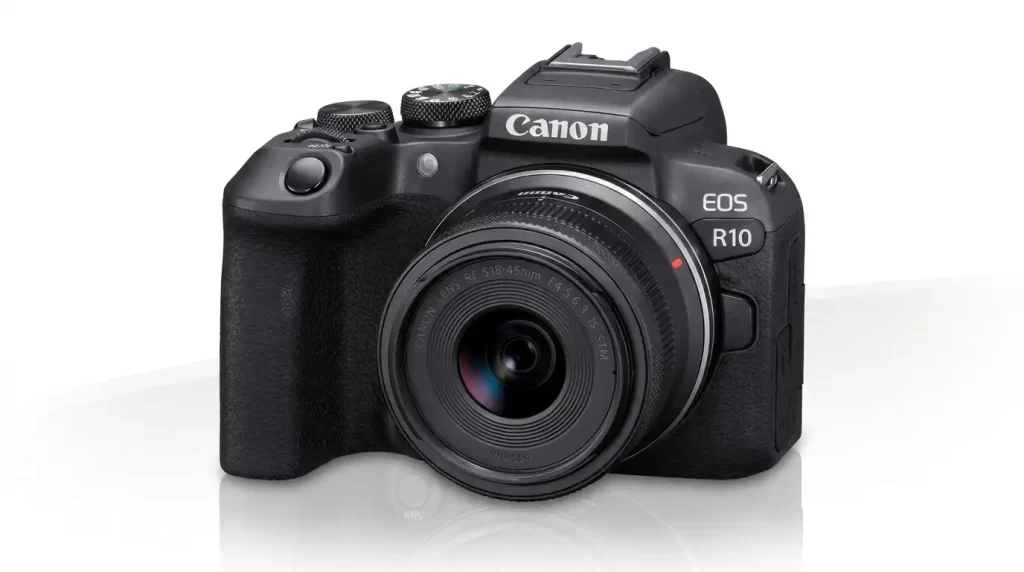
If you’ve been shooting with a phone and finally want a “real camera,” the Canon EOS R10 removes the intimidation factor. It’s light, smartly designed, and surprisingly capable.
Why beginners thrive with the R10:
- 24.2MP APS-C sensor with Dual Pixel AF II
- 23 fps electronic shutter bursts
- Fully articulating touchscreen
- 4K/30p oversampled video
- Compact body weighing just 429g
The R10 includes excellent subject detection, including birds and vehicles—features once reserved for cameras three times the price. Pair it with the kit zoom or the affordable RF-S 18-150mm and you’re set for years.
Best for: First-time mirrorless buyers, parents, hobbyists, vloggers
Best Compact High-Resolution Mirrorless: Sony a7CR
Massive Resolution in a Travel-Friendly Body
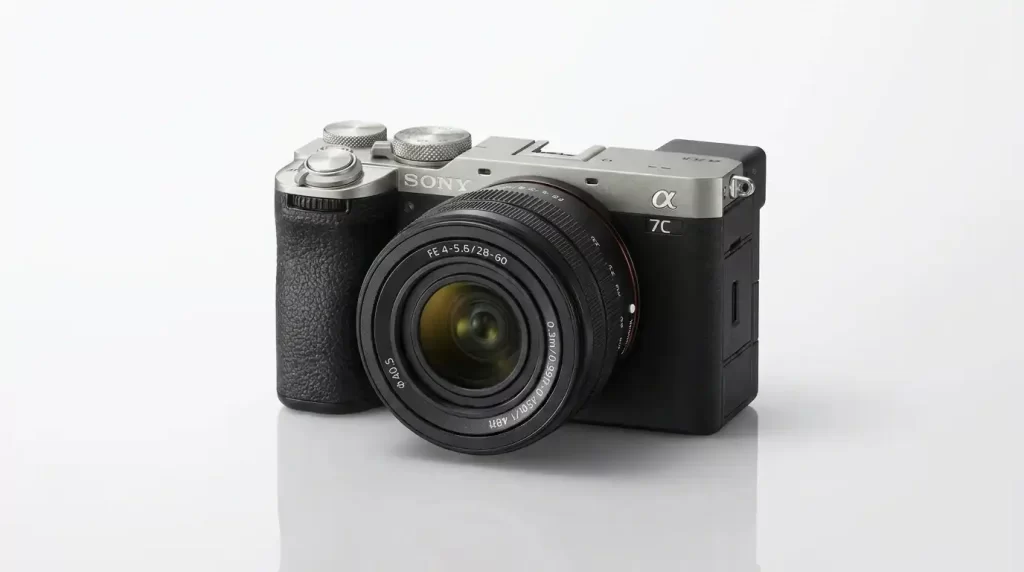
Sony’s a7CR remains a small marvel in 2026. It crams the 61MP sensor from the a7R V into a rangefinder-style body roughly the size of a Fujifilm X-T5. For landscape, architecture, and detail-obsessed shooters who hate carrying bulk, this camera answers every prayer.
Highlights:
- 61MP full-frame BSI CMOS sensor
- 7 stops of IBIS
- Dedicated AI processor for advanced subject detection
- Compact, lightweight magnesium body
- 4K/60p video with full pixel readout (cropped)
You’ll print large, crop aggressively, and still have detail to spare. The trade-off? Files are huge, so plan your storage accordingly. Speaking of storage, this guide on how many photos a 64GB card can hold is worth bookmarking before your next trip.
Best for: Landscape pros, fine-art shooters, travel photographers who print large
Best Mid-Range Hybrid: Nikon Z6 III
The “Do Everything Well” Camera
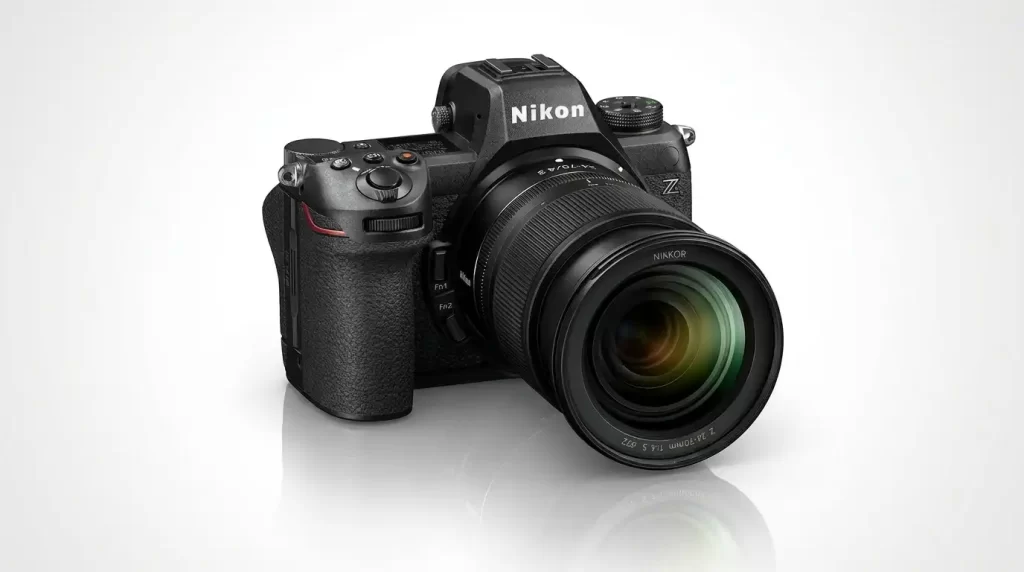
The Nikon Z6 III sits exactly where most enthusiasts shop: powerful enough for paid work, friendly enough for personal shooting. Its partially stacked 24.5MP sensor is the world’s first of its kind, and the gains in readout speed translate directly into better autofocus and reduced rolling shutter.
Key Specs:
- 24.5MP partially stacked CMOS sensor
- 6K/60p N-RAW internal recording
- 14 fps mechanical / 20 fps electronic burst
- 8 stops of IBIS
- Bright 5.76M-dot EVF (the brightest in its class)
If you want one camera that crushes weddings, events, sports, and travel without compromise, this is it.
Best for: Working hybrid creators, event shooters, wedding photographers
Best Mirrorless for Video Creators: Panasonic Lumix S1II
A Cinematographer’s Dream in a Mid-Size Body
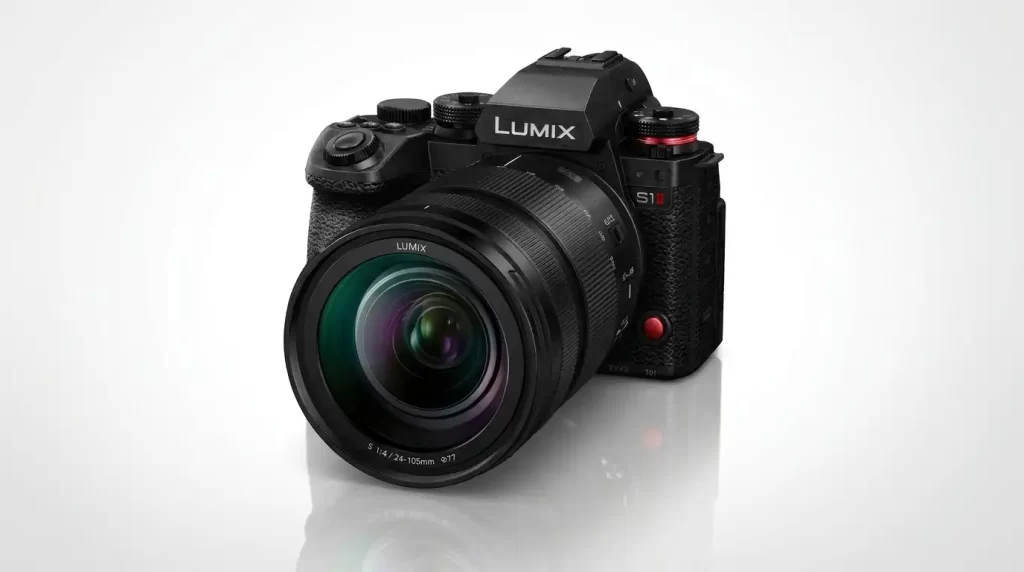
Panasonic’s Lumix S1II became the dark horse of 2026. Its dual native ISO sensor pulls insanely clean footage at high ISO, and the new phase-detect autofocus finally puts video AF complaints to bed.
Why filmmakers switched:
- Open Gate 6K recording for vertical and horizontal delivery
- Dual native ISO with industry-leading low-light performance
- Internal ProRes RAW recording
- Reliable phase-detect autofocus for moving subjects
- Built-in cooling fan for unlimited record times
For YouTubers, indie filmmakers, and documentary shooters who treat video as primary output, the S1II justifies its price tag instantly.
Finished a portrait shoot but skin still looks uneven? Our retouchers can polish every frame—check our photo retouching service for natural, magazine-ready results.
Best for: Filmmakers, documentary shooters, hybrid creators leaning video-first
Best Action & Wildlife Mirrorless: Sony a9 III
The World’s First Global Shutter Mirrorless
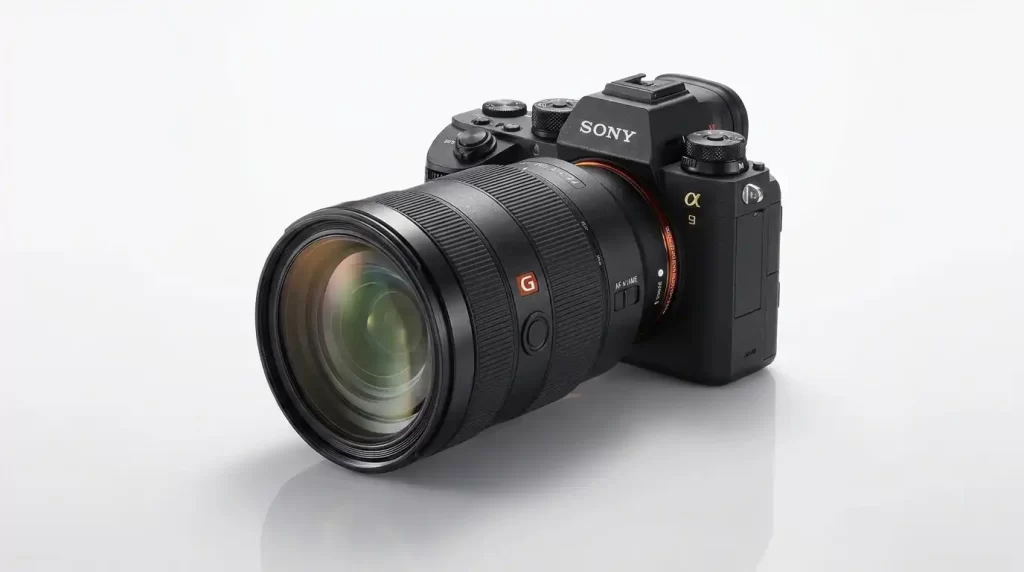
The Sony a9 III rewrote the rules in 2024 and still leads in 2026. Its global shutter eliminates rolling shutter completely, which means no skewed propellers, no banding under LED lights, and no distortion when panning fast subjects.
Why pros chose the a9 III:
- 24.6MP full-frame global shutter sensor
- 120 fps blackout-free RAW bursts
- Pre-capture mode (1 second before the shutter press)
- Flash sync at every shutter speed up to 1/80,000s
- Industry-leading AF that tracks practically anything that moves
Wildlife shooters chasing birds in flight, sports photographers covering night games, and concert pros all gain real, measurable advantages here.
Best for: Sports pros, wildlife specialists, concert/event photographers
Best Budget Full-Frame Mirrorless: Canon EOS R8
Full-Frame Image Quality Under $1,500
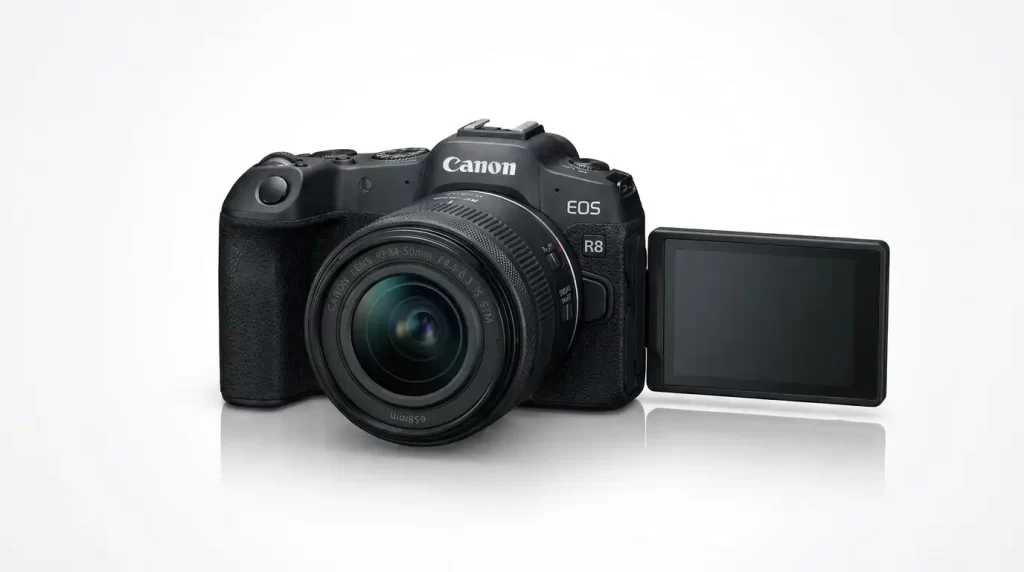
The Canon EOS R8 still earns its place in 2026 as the most affordable way into full-frame Canon. It uses the same 24MP sensor and Digic X processor as the more expensive R6 Mark II, simply trimming features to hit a friendlier price.
Strong points:
- 24.2MP full-frame CMOS sensor
- 40 fps electronic shutter bursts
- 4K/60p oversampled 10-bit video
- Excellent Dual Pixel AF II with subject detection
- Compact, lightweight body (461g)
It skips IBIS and offers shorter battery life, but if you mostly shoot in good light or use stabilized lenses, you’ll barely notice. For new Canon full-frame buyers, this remains a smart entry point.
Best for: Budget-conscious upgraders, content creators, beginner full-frame shooters
Best Retro-Styled Mirrorless: Nikon Zf
Classic Looks, Modern Performance
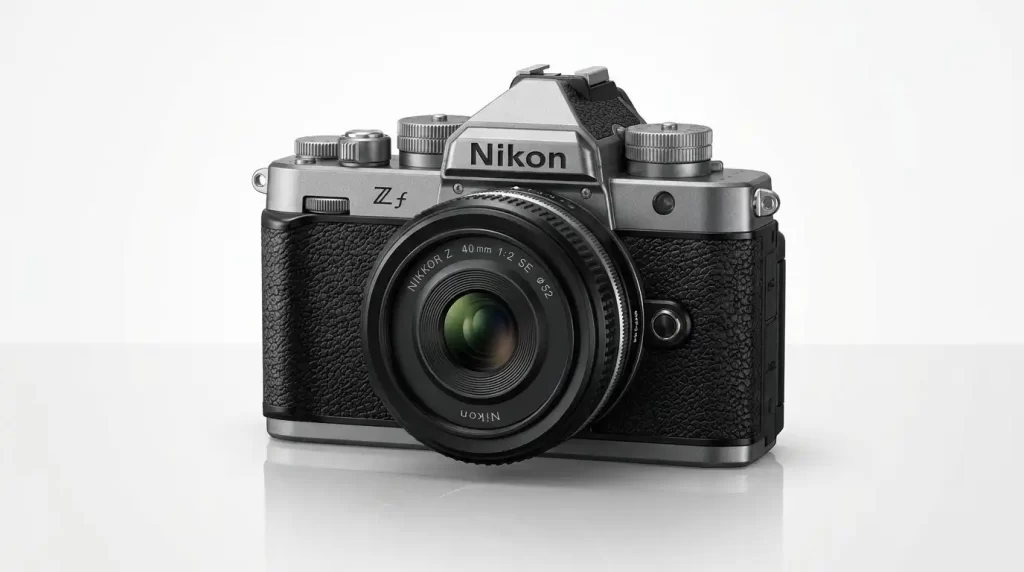
The Nikon Zf attracted a cult following thanks to its 1981-inspired design and 24MP full-frame sensor. In 2026, it remains a top pick for photographers who want personality alongside performance.
Standout features:
- 24MP BSI CMOS full-frame sensor
- 8 stops of IBIS (best-in-class)
- Dedicated dials for shutter speed, ISO, and exposure compensation
- Strong subject detection borrowed from the Z9
- Beautiful black-and-white mode with dedicated dial position
The Zf reminds you that photography should feel fun. Settle into the dials, slow down, and you’ll fall back in love with shooting.
Selling jewelry, glassware, or anything with hair-thin edges? Our image masking service preserves every detail your customers expect to see.
Best for: Street shooters, hobbyists, photographers who shoot for the love of it
Best Micro Four Thirds Mirrorless: OM System OM-1 Mark II
Lightweight Power for Adventure Shooters
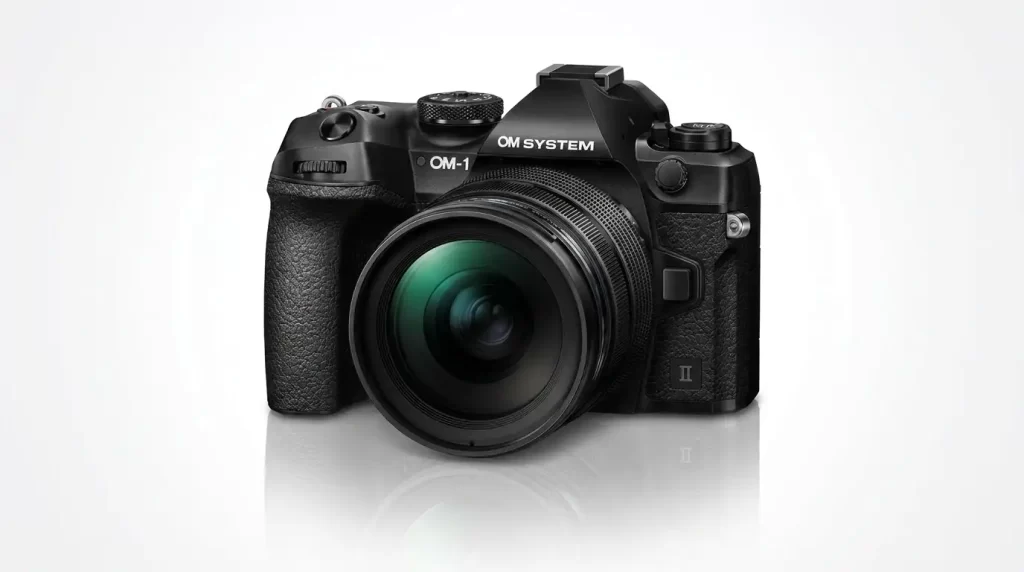
Don’t sleep on Micro Four Thirds in 2026. The OM-1 Mark II remains the most travel-ready interchangeable-lens camera available. Its computational photography modes—Live ND, Live Composite, Hand-Held High-Res Shot—deliver effects that other systems require tripods and heavy editing to match.
Why adventurers love it:
- 20MP stacked BSI Live MOS sensor
- 8.5 stops of IBIS
- IP53 weather sealing (rain, dust, snow ready)
- 1053-point cross-type AF
- 50 fps with continuous AF tracking
Pair it with the tiny f/4 PRO zoom lineup, and you’ll carry a kit half the weight of full-frame rivals.
Best for: Hikers, travelers, wildlife photographers needing reach in a small package
How to Choose the Right Mirrorless Camera in 2026
Use this quick decision framework before clicking “buy”:
- Choose APS-C if you want lighter gear, lower prices, and excellent quality (Fujifilm X-T5, Canon R10, Sony a6700)
- Choose full-frame if you shoot weddings, low light, or want maximum print sizes (Nikon Z8, Canon R5 II, Sony a7 IV)
- Choose Micro Four Thirds if travel weight matters most (OM-1 II)
- Prioritize video specs if you’re a filmmaker (Panasonic S1II, Canon R5 II)
- Prioritize burst rate if you shoot action (Sony a9 III, Nikon Z8)
- Prioritize design joy if photography is a hobby (Fujifilm X-T5, Nikon Zf)
According to DPReview’s buying guide, the gap between brands has narrowed dramatically. You really cannot pick a “bad” camera from this list—you can only pick the one that fits your style best.
Mirrorless Lens Ecosystems in 2026: Why It Matters
Your camera body lasts five to seven years. Your lenses last decades. Before committing to a brand, look at the available glass:
- Sony E-mount — the largest third-party support, especially from Sigma, Tamron, and Viltrox
- Canon RF — improving fast, with new third-party autofocus lenses approved
- Nikon Z — high-quality first-party lenses, growing third-party catalog
- Fujifilm X — strongest APS-C lens lineup, period
- L-mount (Panasonic, Sigma, Leica) — shared mount means three brands, one ecosystem
Pick the system whose lens roadmap excites you most. That decision matters more than any single camera body.
Common Mistakes Buyers Make in 2026
Avoid these pitfalls before swiping your card:
- Chasing megapixels — 24MP is plenty for 95% of shooters
- Ignoring weight — heavy cameras stay home, defeating their purpose
- Forgetting accessories — budget for cards, batteries, and a decent strap
- Overlooking lenses — the best body becomes useless on a bad zoom
- Buying for trends — buy for your photography, not Instagram hype
FAQ: The Best Mirrorless Cameras 2026
1. What is the best mirrorless camera overall in 2026?
The Nikon Z8 leads most expert rankings thanks to its blend of pro-level features, smaller size, and lower price than its flagship Z9 sibling.
2. Are mirrorless cameras better than DSLRs in 2026?
Yes. Every major brand now focuses development on mirrorless systems. You get faster autofocus, better video, smaller bodies, and access to all the newest lenses.
3. What’s the best mirrorless camera under $1,000?
The Canon EOS R10 and Fujifilm X-S20 lead this price tier, offering modern AI autofocus and 4K video without breaking the bank.
4. Do I really need full-frame for professional work?
Not necessarily. Many wedding pros shoot APS-C cameras like the Fujifilm X-T5 with stunning results. Full-frame helps in low light and for shallow depth of field, but it’s not mandatory.
5. How long should a mirrorless camera last?
Most modern shutters and electronics handle 200,000–500,000 actuations. Treat your camera well, and it’ll easily serve you 5–8 years.
6. Which mirrorless brand has the best autofocus?
Sony, Canon, and Nikon now sit nearly tied. Sony historically led, but Canon’s Eye Control AF and Nikon’s deep-learning subject detection have closed the gap.
7. Is the Fujifilm X-T5 still worth buying in 2026?
Absolutely. Its 40MP sensor, classic dials, and lens ecosystem keep it firmly on every “best APS-C” list.
8. Should I buy used mirrorless cameras?
Yes—especially from reputable sellers like B&H Used or MPB. A used Sony a7 IV or Canon R6 Mark II can save you 30%+ with minimal risk.
Final Thoughts: Your Next Camera Is Closer Than You Think
The best mirrorless camera in 2026 isn’t the one with the highest spec sheet—it’s the one you’ll actually carry, use, and grow with. Focus on ergonomics, lens availability, and how the camera feels in your hands. Read reviews, rent before you buy if possible, and trust your gut.
Each camera in this guide earned its place through real-world performance, not marketing slogans. Pick the one that matches your style, master it, and your photography will improve faster than any new gear purchase could promise.
Beautiful shots deserve beautiful editing. Whether it’s product photos, portraits, or e-commerce visuals, Clipping Expert Asia helps you finish strong—book your free trial today.