
Mastering Adobe Photoshop Tools and Toolbar: Complete 2026 Guide
March 10, 2026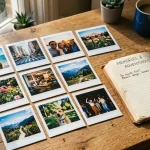
How to Print Polaroid-Style Photos
March 12, 2026
Photographers and home decorators often wonder about the exact scale of various print sizes. A 16×20 photo stands out as a popular choice for its balanced proportions and versatility. This size measures 16 inches in height and 20 inches in width, making it ideal for wall displays or framed keepsakes. People select it because it offers enough space to showcase details without overwhelming smaller rooms. Imagine holding a print that covers about the area of a standard laptop screen but stretched wider that’s the visual impact it delivers.
Professionals use this format for portraits, landscapes, and event captures. Its dimensions convert to roughly 40.6 centimeters by 50.8 centimeters in metric terms, which helps international users plan their setups. The aspect ratio comes in at 4:5, meaning the width extends 25 percent beyond the height. This ratio ensures images fit well without excessive cropping from most camera sensors.
Many folks encounter this size when enlarging family photos or creating gallery walls. Printers produce these on various papers, from matte to glossy, enhancing the final look. Understanding its scale prevents surprises during framing or hanging. Viewers appreciate how it draws the eye while blending into everyday spaces.
This print size traces back to traditional photography standards, where labs offered it as a step up from smaller options like 8×10. Today, digital tools make enlargement straightforward, but quality matters. High-resolution files ensure sharp results, avoiding pixelation issues.
Large prints magnify every flaw. Get a free image masking test for flawless enlargements
- Breaking Down the Dimensions of a 16x20 Photo
- Comparing 16x20 Photos to Other Standard Sizes
- The Aspect Ratio and Its Importance for 16x20 Prints
- Practical Uses for 16x20 Photos in Home Decor
- Applications in Professional Settings
- Printing Tips for High-Quality 16x20 Photos
- Framing Options for Your 16x20 Photo
- How to Enlarge Photos to 16x20 Without Losing Quality
- Displaying 16x20 Photos Creatively
- Common Mistakes to Avoid with 16x20 Prints
- Benefits of Choosing 16x20 Over Smaller Sizes
- Future Trends in Photo Printing and Sizing
- Maintaining and Preserving Your 16x20 Photos
- Where to Get 16x20 Photos Printed
- Cost Considerations for 16x20 Prints
- FAQs
Breaking Down the Dimensions of a 16×20 Photo
Experts measure photo prints in inches primarily in the United States, but conversions help globally. A 16×20 photo spans 16 inches tall and 20 inches wide. That equals 406 millimeters by 508 millimeters, or about 40.6 cm by 50.8 cm. These figures allow precise planning for frames or mounts.
The area covers 320 square inches, providing ample room for intricate details. Photographers calculate this by multiplying height and width. Such space suits subjects with fine elements, like wildlife or architectural shots. Users often compare it to a medium poster, but it feels more personal.
In pixels, at 300 DPI for high-quality prints, it requires 4800 by 6000 pixels. Lower resolutions might work for distant viewing, but close inspection reveals flaws. Printers recommend this density to maintain clarity.
This size fits standard frames available at most stores. Its popularity stems from the 4:5 aspect ratio, which aligns with many portrait orientations. Cameras with 3:2 ratios may need slight adjustments, but software handles that easily.
Homeowners hang these in living rooms or hallways, where they command attention without dominating. Businesses display them in offices for motivational imagery. The dimensions support both horizontal and vertical layouts, adding flexibility.
Comparing 16×20 Photos to Other Standard Sizes
People frequently pair 16×20 prints with smaller companions for gallery arrangements. A 4×6 photo, the smallest common size, measures just 4 inches by 6 inches. That makes the 16×20 four times taller and over three times wider, emphasizing the scale jump.
Next, 5×7 prints offer a modest step up at 5 inches by 7 inches. They fit albums easily, but the 16×20 dwarfs them, covering about 9 times the area. This contrast highlights why larger prints suit wall art.
The 8×10 size, popular for desks, spans 8 inches by 10 inches. It shares the same 4:5 ratio as 16×20, making it a direct double in dimensions. Users often enlarge favorites from 8×10 to 16×20 for impact.
Moving to 11×14, this measures 11 inches by 14 inches with an 11:14 ratio. Slightly slimmer than 16×20, it covers less space but works for narrower walls. The 16×20 provides broader coverage.
Larger options like 20×30 extend to 20 inches by 30 inches, a 2:3 ratio. This panoramic feel suits landscapes, but the 16×20 remains more compact and versatile for everyday use.
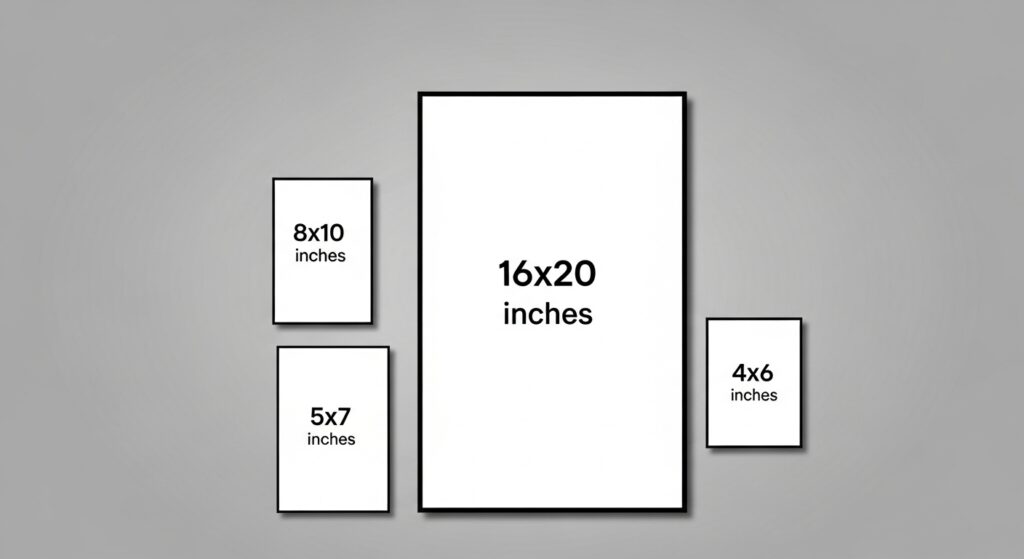
International standards vary, with A4 at 8.3 by 11.7 inches closer to 8.5×11. The 16×20 exceeds these for bolder statements.
Don’t let a bad background ruin a large print. Learn about our bulk background service
The Aspect Ratio and Its Importance for 16×20 Prints
Photographers pay close attention to aspect ratios to avoid unwanted cropping. The 16×20 boasts a 4:5 ratio, where width is five units to height’s four. This proportion originates from early film formats and persists in digital realms.
Most DSLRs shoot in 3:2, requiring adjustments for 16×20. Software like Photoshop crops edges to fit, preserving central subjects. Users check compositions early to minimize loss.
This ratio favors portraits, as vertical lines elongate figures naturally. Horizontal flips work for groups or scenes. It differs from square 1:1 or wide 16:9, offering a classic feel.
Printers handle ratios by scaling images. High-quality services ensure even borders. For more on standard ratios, explore resources like Wikipedia’s photo print sizes page.
Maintaining the ratio prevents distortion. Stretching images ruins proportions, making subjects appear unnatural. Tools guide proper resizing.
Practical Uses for 16×20 Photos in Home Decor
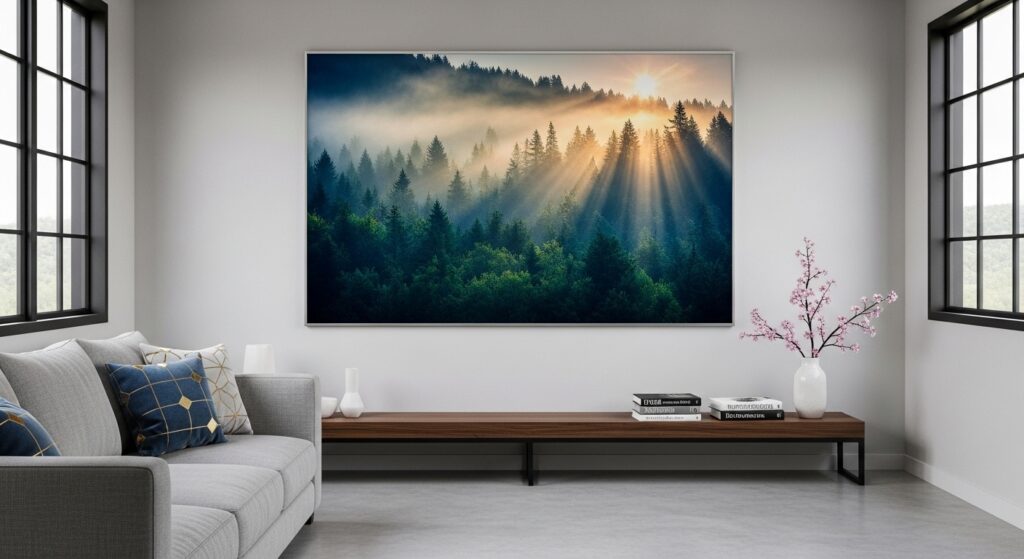
Homeowners transform spaces with 16×20 prints. They hang family portraits above mantels, creating focal points. The size draws eyes without overcrowding.
In bedrooms, landscape scenes in this format promote calm. Soft colors blend with decor, enhancing ambiance. Couples display wedding photos here for personal touches.
Kitchens benefit from food-themed prints at 16×20. They add vibrancy to walls, inspiring meals. Durability matters in humid areas, so choose coated papers.
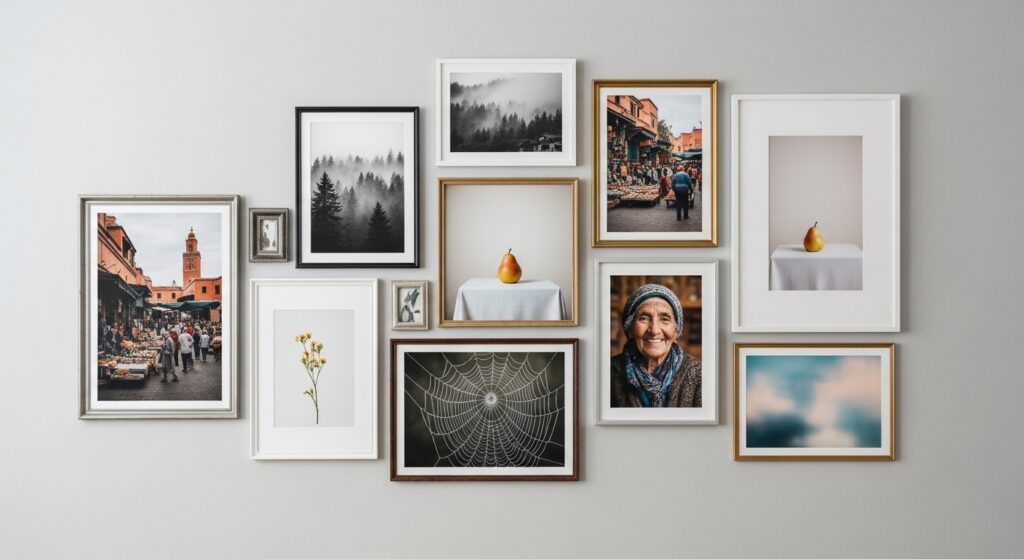
Hallways accommodate series of 16x20s in gallery style. Themes like travel unite them. Spacing evenly creates flow.
Living rooms host larger groupings. A single 16×20 anchors sofas, while clusters fill blank walls. Lighting spotlights details.
Applications in Professional Settings
Businesses leverage 16×20 prints for impact. Offices display team photos in hallways, boosting morale. Reception areas feature branded images, welcoming visitors.
Photographers sell 16x20s as fine art. Galleries mount them for exhibitions, attracting buyers. The size balances visibility and portability.
Event planners use them for backdrops or awards. Weddings showcase couple portraits at receptions. Conferences highlight speakers.
Retail stores employ 16×20 for promotions. Window displays draw crowds with vivid imagery. Durability withstands handling.
Educators incorporate them in classrooms. Historical photos aid lessons, engaging students. Science visuals explain concepts clearly.
Printing Tips for High-Quality 16×20 Photos
Printers achieve sharp 16x20s with proper preparation. Start with high-resolution files, aiming for 300 DPI. Lower settings cause blurriness up close.
Choose paper types wisely. Matte reduces glare for indoor views, while glossy enhances colors outdoors. Canvas adds texture for artistic flair.
Calibrate monitors to match prints. Colors shift otherwise, disappointing results. Test small versions first.
Professional labs outperform home printers for large sizes. They use advanced equipment for consistency. Costs vary, but quality justifies expenses.
For enlargement, use software to upscale without loss. Preserve details by avoiding over-editing. For complex edits, consider professional photo editing services to refine images before printing.
Framing Options for Your 16×20 Photo
Framers offer diverse styles for 16×20 prints. Wooden frames provide warmth, suiting traditional decor. Black or walnut finishes blend seamlessly.
Metal options deliver modern sleekness. Silver or gold accents highlight contemporary art. Durability resists warping.
Matting adds borders, focusing attention. White mats brighten images, while colors complement themes. Standard mats fit 16×20 openings in larger frames.
Custom framing tailors to needs. Experts advise on UV glass to prevent fading. Hanging hardware ensures stability.
Budget frames from stores work for casual use. Upgrade for valuables. Proper framing protects and elevates prints.
How to Enlarge Photos to 16×20 Without Losing Quality
Enlargers maintain sharpness through careful methods. Begin with original high-res files. Scan old photos at maximum DPI.
Software like Adobe Photoshop resizes effectively. Select “Preserve Details” for upscaling. Avoid excessive enlargement to prevent artifacts.
Online tools simplify processes for beginners. They enhance resolution automatically. Compare outputs for best results.
Professional services handle complex enlargements. They use advanced algorithms for clarity. This ensures prints impress.
Test prints at smaller scales. Adjust as needed before committing to 16×20.
Tip: If you want flawless editing for products or portraits, check out our clipping path services.
Displaying 16×20 Photos Creatively
Creators experiment with displays beyond walls. Float mounts give illusion of suspension. Acrylic blocks add depth.
Shelves hold unframed 16x20s casually. Lean them for easy swaps. Groupings tell stories.
Outdoor settings use weatherproof versions. Gardens feature nature prints. Patios host family shots.
Digital frames simulate 16×20 but switch images. Traditionalists prefer physical prints for tangibility.
Incorporate lighting. LEDs highlight textures, enhancing appeal.
Common Mistakes to Avoid with 16×20 Prints
Users skip resolution checks, leading to fuzzy outputs. Always verify DPI before printing.
Ignoring aspect ratios causes cropping surprises. Plan compositions accordingly.
Poor lighting fades colors over time. Use UV protection.
Overcrowding walls diminishes impact. Space prints thoughtfully.
Neglecting maintenance collects dust. Clean gently for longevity.
Benefits of Choosing 16×20 Over Smaller Sizes
Larger prints convey emotions powerfully. Details emerge vividly, immersing viewers.
They elevate room aesthetics, acting as art pieces. Versatility suits various themes.
Gifting 16x20s creates lasting impressions. Recipients cherish personalized touches.
Investment in quality pays off. Durable materials ensure endurance.
Communities share experiences with this size. Forums offer inspiration.
For more on print durability, check Adobe’s guide to photo sizes.
Future Trends in Photo Printing and Sizing
Innovators push boundaries with sustainable materials. Eco-friendly papers gain traction.
Digital enhancements integrate AR for interactive prints. Viewers scan for stories.
Customization rises, with odd sizes challenging standards. 16×20 adapts well.
AI aids design, suggesting layouts. This streamlines creation.
Global markets influence sizes, blending traditions.
Maintaining and Preserving Your 16×20 Photos
Preservers store prints flat in acid-free boxes. Avoid humidity to prevent warping.
Clean frames regularly with soft cloths. Fingerprints mar surfaces.
Rotate displays to even sun exposure. This maintains vibrancy.
Professional restoration revives damaged prints. Early intervention saves memories.
Digitize for backups. High-res scans protect originals.
Where to Get 16×20 Photos Printed
Labs like Shutterfly specialize in large prints. They offer quick turnarounds.
Local shops provide personalized service. Consult experts for advice.
Online platforms compare prices easily. Read reviews for quality.
Big-box stores handle basics affordably. Upgrade for premium needs.
Specialty art printers focus on fine details. Ideal for professionals.
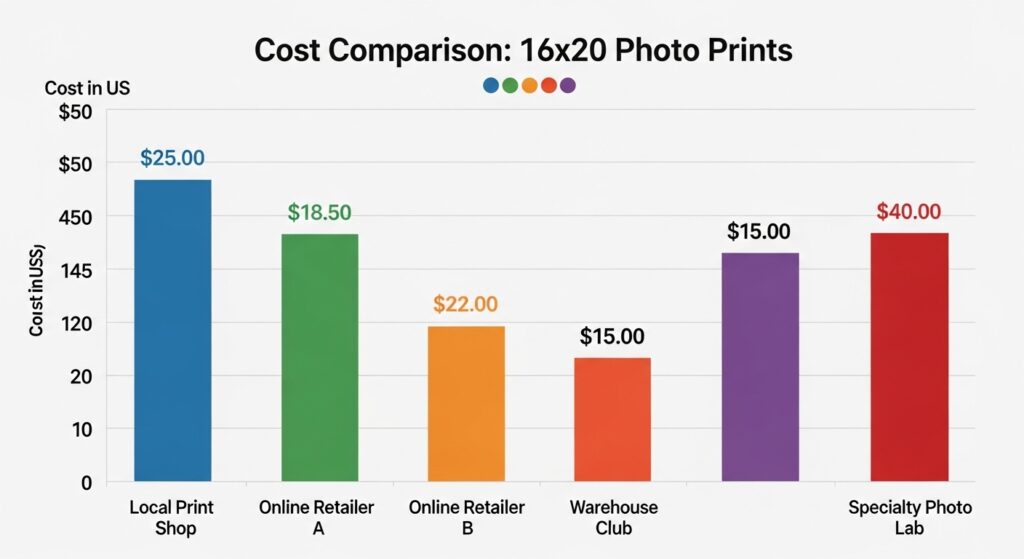
Cost Considerations for 16×20 Prints
Budgets vary by materials. Basic paper prints start low.
Canvas or metal adds expense but durability. Framing doubles costs.
Bulk orders reduce per-unit prices. Plan ahead for savings.
Shipping impacts totals for online buys. Local pickup saves.
Quality investments yield long-term value. Cheap options fade quickly.
In summary, a 16×20 photo offers substantial size for memorable displays. Its dimensions support diverse uses, from homes to offices. Proper preparation ensures stunning results. Explore this format to enhance your spaces.
Ready for exhibition‑ready prints? Request a custom retouching quote now
FAQs
- What are the exact dimensions of a 16×20 photo in inches and centimeters?
A 16×20 photo measures 16 inches by 20 inches, or about 40.6 cm by 50.8 cm. This size provides a balanced look for most displays. - How does a 16×20 photo compare to an 8×10 in size?
The 16×20 is exactly double the dimensions of an 8×10, covering four times the area. It shares the same 4:5 aspect ratio. - What aspect ratio does a 16×20 photo use?
It uses a 4:5 aspect ratio, where the width is 20 inches to the height’s 16 inches. This ratio suits portraits well. - Can I enlarge a small photo to 16×20 without losing quality?
Yes, but start with a high-resolution file. Use software to upscale carefully, or seek professional help to avoid blurriness. - What are popular uses for 16×20 photos?
People use them for wall art, family portraits, office decor, and gifts. The size makes them versatile for home and professional settings. - How much does framing a 16×20 photo typically cost?
Basic frames start at $20-50, while custom options range from $50-150. Materials like wood or metal influence the price. - What resolution do I need for a sharp 16×20 print?
Aim for 300 DPI, which requires about 4800×6000 pixels. This ensures details remain clear when viewed closely.