

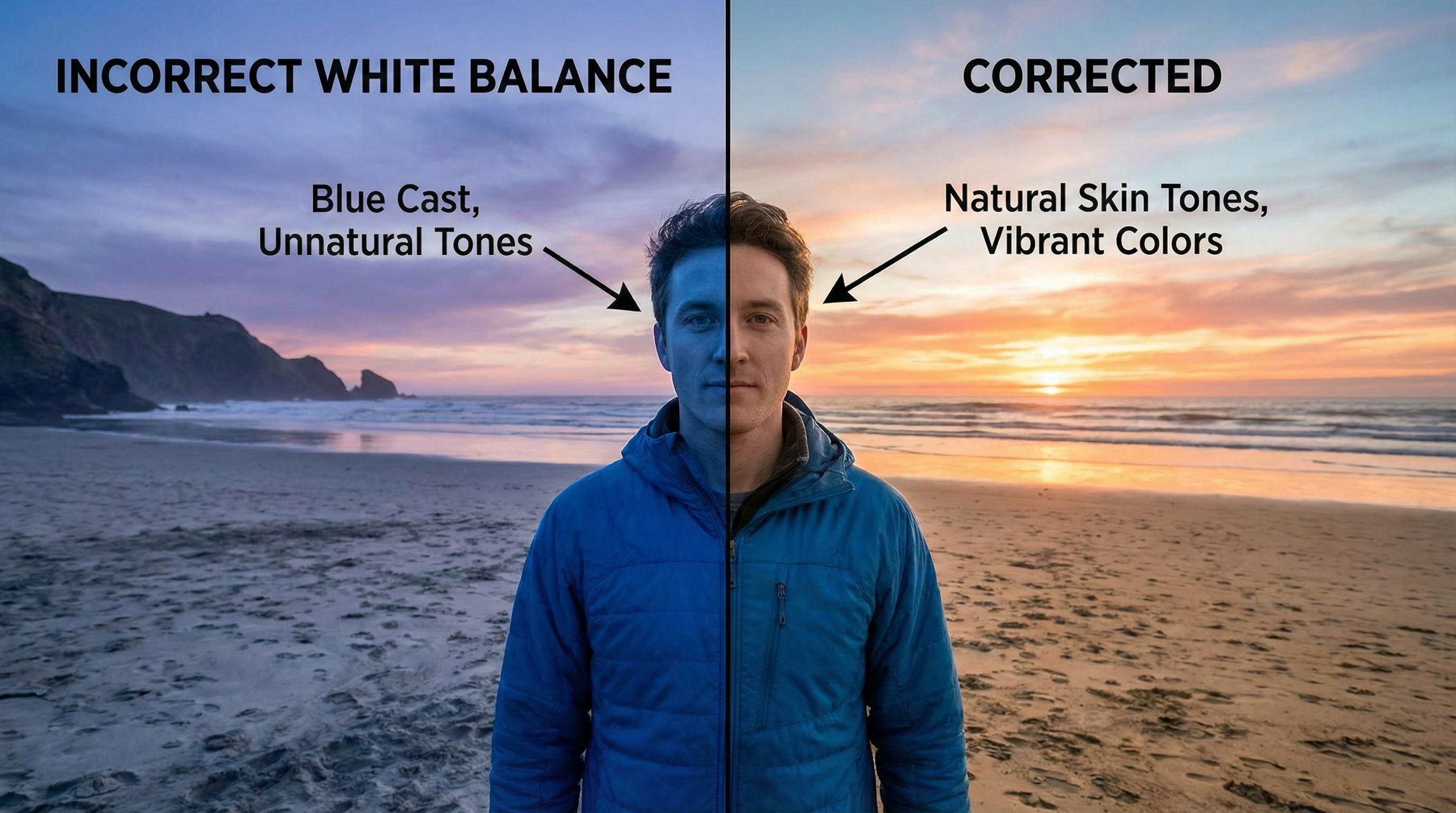
White Balance in Photography: Complete Guide for Accurate Colors
October 20, 2025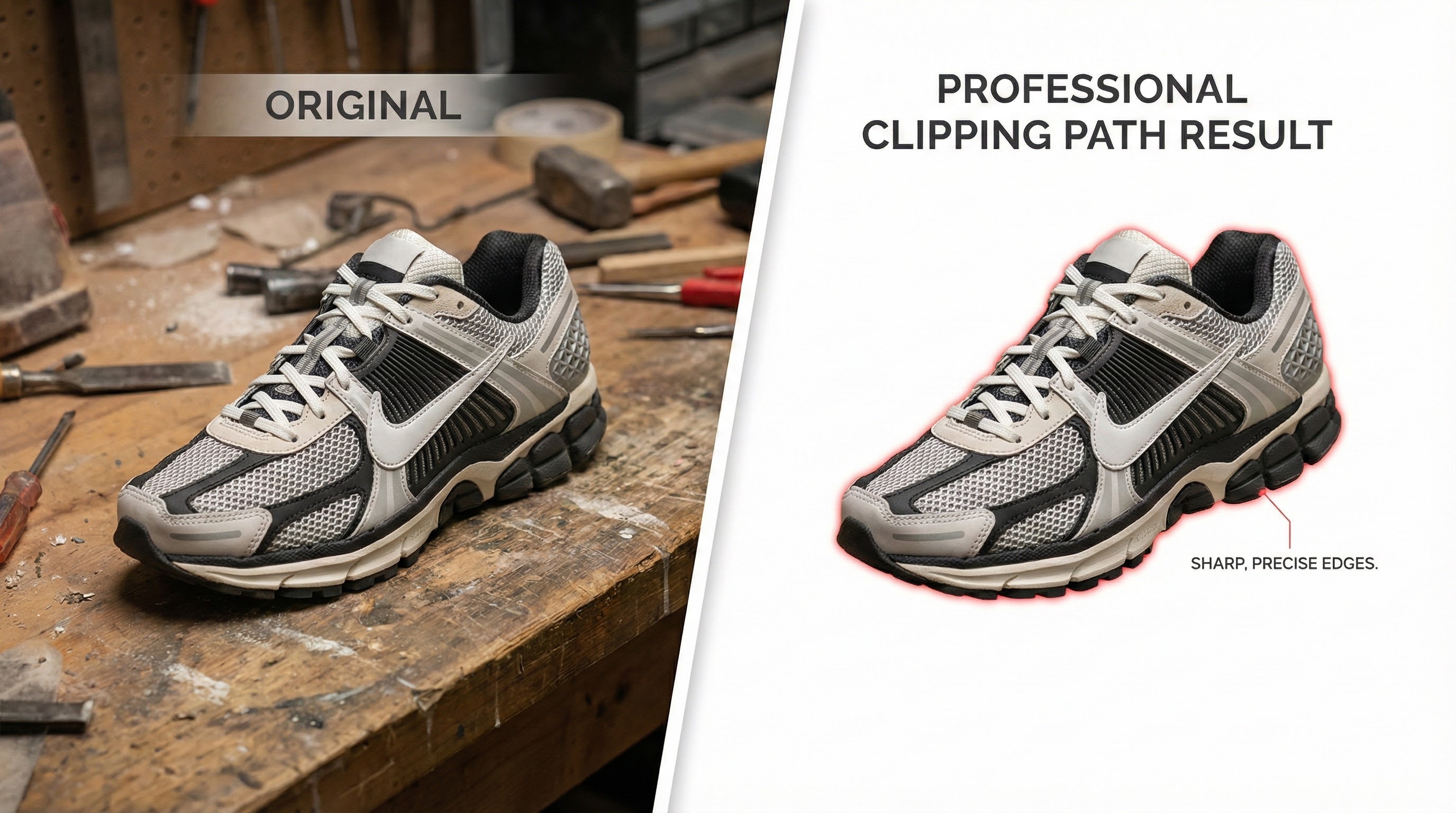
Clipping Path vs. Background Removal: The Ultimate 2026 Guide for E-commerce & Photographers
October 20, 2025
In the digital world, a picture is worth a thousand words especially if you’re a photographer or an e-commerce business owner. The quality of your images directly impacts your brand’s credibility and sales. But the real work begins after the photo is taken: post-production. This is where most people get confused between “photo editing” and “photo retouching.”
Are they the same? What’s the difference between a basic edit and a strategic retouch that can put you ahead of the competition? In this post, we’ll not only answer these questions but also dive into the advanced photo retouching techniques that can elevate your business.
- Step One: Understanding the Difference Between Photo Editing and Retouching
- The Next Level of Skill: High-End Retouching Techniques
- Specialized Retouching for Different Industries
- The Business of Editing: Strategy, Pricing, and Outsourcing
- Avoiding Common Mistakes and Misconceptions
- Platform-Specific Needs: Special Techniques for Amazon
- Frequently Asked Questions (FAQ)
Step One: Understanding the Difference Between Photo Editing and Retouching
While many use these terms interchangeably, there’s a fundamental distinction. Understanding what is the difference between photo editing and retouching is essential for controlling the quality of your work.
- Photo Editing (Photo Editing): This involves basic adjustments to an image, such as brightness, contrast, color balance, and cropping. It makes a photo look good.
- Photo Retouching (Photo Retouching): This is a more detailed and artistic process. It involves removing imperfections like skin blemishes, unwanted objects, or any flaws in the image. The goal of retouching is to make the photo look perfect and flawless.
The foundation for both processes is the ability to isolate a subject from its background. This is where techniques like clipping path vs image masking become critical.
- Clipping Path: Best for objects with hard edges. Knowing how to do a clipping path in photoshop is a fundamental skill for any editor.
- Image Masking: Essential for subjects with soft edges, like hair or fur, where a clipping path would be ineffective.
(Our Clipping Path Service page has more information on this.)
The Next Level of Skill: High-End Retouching Techniques
Beyond basic retouching, advanced techniques can transform your images to magazine-quality. These are most prominent in high-end beauty retouching.
- Dodge and Burn Techniques: This classic technique adds depth and dimension to an image by selectively lightening and darkening areas. It can accentuate the contours of a face or product, making it more engaging.
- Frequency Separation Tutorial: This is an advanced method that splits an image’s texture and color into two separate layers. This allows for the correction of blemishes or color inconsistencies without destroying skin texture, resulting in a very natural yet flawless look.
- How to create realistic shadow in photoshop: After removing an object from its background, adding a realistic shadow makes the image feel grounded and three-dimensional. Without a proper shadow, the product can look like it’s floating unnaturally.
(See examples of these techniques on our Photo Retouching Service page.)
Specialized Retouching for Different Industries
Every industry has unique visual needs. As an expert, you must know the right retouching approach for each.
- Fashion and E-commerce: A streamlined fashion photo editing workflow is crucial. Maintaining accurate colors, smoothing out fabric wrinkles, and ensuring correct product shape are vital. This is where techniques like how to create ghost mannequin effect come into play, creating a 3D look for apparel without a visible model or mannequin.
- Jewelry: Jewelry retouching techniques involve enhancing the shine of metals, perfecting the color of gemstones, and removing any dust or reflections. Every minute detail is critical to making the product look luxurious.
- Real Estate: The best real estate photo editing tips include correcting perspective distortion, ensuring clear views through windows, and making colors vibrant to turn a house into a dream home.
The Business of Editing: Strategy, Pricing, and Outsourcing
As a photographer or business owner, your time and money are valuable. Understanding the business side of post-production is therefore essential.
- Outsource Photo Editing vs In-house: This is a major business decision. An in-house team gives you complete control but comes with higher costs and time commitments. Outsourcing, on the other hand, gives you access to specialized expertise and saves you time, allowing you to focus on your core business.
- How to edit photos faster: To save time, using batch processing, creating presets, and following a consistent workflow are highly effective strategies.
- How to maintain consistent photo quality: For your brand, it’s vital that all your images have a consistent look and feel. Following a style guide makes this much easier to achieve.
- How to price photography editing services: Base your pricing on your time, skill level, and the complexity of the job. Research market rates, but don’t undervalue your work.
- Understanding image usage rights for photographers: Before working with a client, it is crucial to have a clear contract regarding image usage rights. Defining where and for how long the images can be used will protect you from legal issues down the line.
Avoiding Common Mistakes and Misconceptions
Sometimes, even a great photo can be ruined by common editing errors.
- Common photo editing mistakes to avoid: Over-saturation, over-sharpening, and destroying skin texture are the most frequent culprits. Always strive for a natural look.
- Photo editing myths debunked: A common myth is that “editing is faking it.” The truth is, cameras don’t always capture reality perfectly. Retouching corrects these imperfections to make the photo more realistic.
Platform-Specific Needs: Special Techniques for Amazon
Different online platforms have their own image requirements. For photo editing for amazon products, the background must be pure white, and the image cannot contain any extra text or logos. Failing to follow these rules can get your product listing suspended.
Frequently Asked Questions (FAQ)
1. What is the main difference between photo editing and photo retouching? Photo editing involves basic adjustments like brightness, contrast, and color balance to improve the overall look of a photo. Photo retouching is a more advanced process that involves removing specific imperfections like skin blemishes, dust, or unwanted objects to make the image flawless.
2. How much does professional photo retouching cost? The cost varies based on complexity. Basic retouching can be very affordable, while high-end beauty or commercial retouching costs more due to the skill and time required. Prices can be set per image or per hour, so it’s best to get a custom quote for your specific project.
3. What is “high-end” retouching and when do I need it? High-end retouching uses advanced techniques like frequency separation and dodge & burn to achieve magazine-quality results, especially for beauty, fashion, and commercial photography. You need it when your images must meet the highest industry standards for print or major advertising campaigns.
4. Should I outsource my photo editing or do it in-house? Outsourcing is often more cost-effective and saves significant time, especially for large volumes of images or when you need specialized skills you don’t have in-house. An in-house team offers more direct control but comes with higher costs for salaries and software.
5. What file formats do you accept for retouching projects? Most professional services accept a wide range of formats, including JPEG, PNG, TIFF, and various RAW files (like CR2 or NEF). Working with RAW files is often preferred as they contain more data, allowing for higher quality edits.
Final Thoughts
Photo retouching is more than just a process of beautifying images; it’s a powerful tool for telling your brand’s story and connecting with customers. With the right techniques and expertise, you can elevate your photos from ordinary to extraordinary, which will ultimately help your business thrive.
Ready to take your images to the next level? Contact our experts today to get the best retouching service tailored to your needs.