

Best Background Remover Tools: 12 Free & Paid Options Compared
September 4, 2026
International Dress Size Chart: US, UK, EU, FR, IT, JP & AU
September 11, 2026
- TL;DR — Types of Graphic Design in One Glance
- Who Should Read This Guide
- What Is Graphic Design?
- The 11 Core Types of Graphic Design
- Comparison Table: All 11 Types at a Glance
- Essential Tools Every Graphic Designer Should Know
- How AI Is Reshaping Graphic Design in 2026
- Graphic Design Career and Salary Data (2026)
- How to Choose Your Graphic Design Specialization
- Common Misconceptions About Graphic Design
- 2026 Design Trends Worth Watching
- FAQ — People Also Ask
- Final Thoughts
TL;DR — Types of Graphic Design in One Glance
- Graphic design is the practice of using visuals — typography, color, imagery, layout, and motion — to communicate ideas and solve problems.
- The industry recognizes 11 core specializations: Visual Identity, Marketing & Advertising, UI/UX, Publication & Editorial, Packaging, Motion Graphics, Environmental/Experiential, Illustration & Art, Typography, Web Design, and Social Media / Digital Content.
- U.S. Bureau of Labor Statistics data shows 265,900 graphic designers held jobs in 2024, with a median annual wage of $61,300 and 2% employment growth projected through 2034.
- Highest-paying specializations in 2026: UI/UX, Motion Graphics, and Brand Identity Design.
- Most in-demand tools: Adobe Creative Cloud, Figma, Canva, After Effects, Cinema 4D, and AI platforms like Firefly and Midjourney.
Who Should Read This Guide
This article helps five audiences:
- Aspiring designers trying to pick a specialization.
- Career switchers comparing UI/UX versus branding versus motion.
- Business owners hiring the right kind of designer instead of a generalist.
- Marketing managers briefing agencies with the correct terminology.
- Design students mapping the field before choosing a portfolio focus.
Skim the TL;DR, jump to the specialization you care about, or read end-to-end for a full mental model of the industry.
What Is Graphic Design?
Graphic design is the practice of combining typography, color, imagery, and layout to communicate a specific idea or solve a visual problem. Designers work across print, digital, and physical space — from a startup’s logo to a museum’s wayfinding system to a Netflix show’s opening titles. The best graphic design does two jobs at once: it looks good and it works.
The field splits into distinct specializations because no single designer masters every medium. A packaging designer thinks in 3D structure and print production. A motion designer thinks in keyframes and sound. A UI designer thinks in components, states, and user flows. Understanding the branches helps you hire, train, or specialize with confidence.
The 11 Core Types of Graphic Design
Different sources list anywhere from 5 to 16 categories. After analyzing the AIGA design practice areas — the recognized authority on the profession — plus modern digital specializations, the field cleanly divides into these eleven branches.
1. Visual Identity & Brand Design
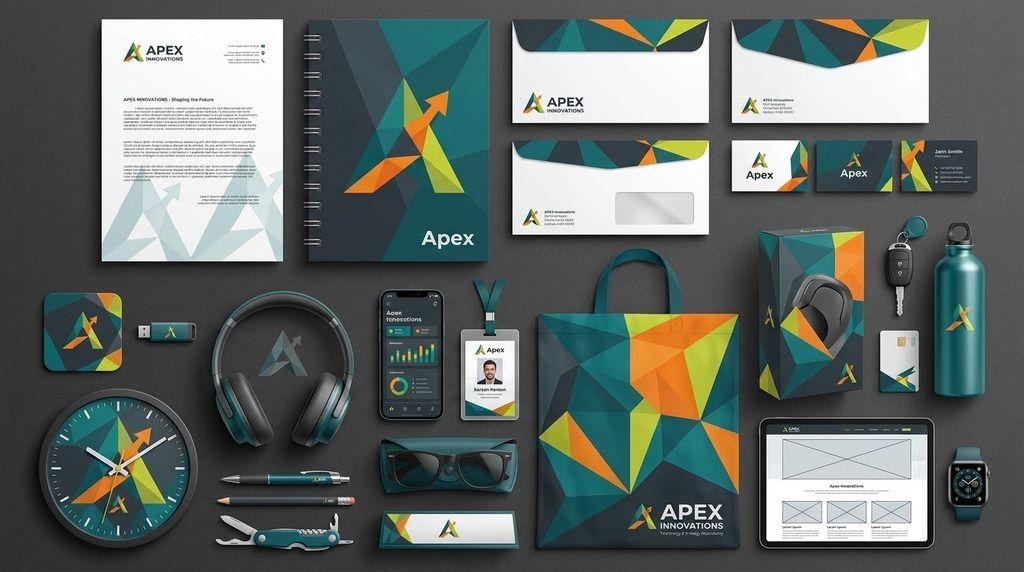
Visual identity design shapes how a brand looks, feels, and gets remembered. Designers build logos, color palettes, typography systems, iconography, photography direction, and the guidelines document that keeps everything consistent across every touchpoint.
Common deliverables:
- Logo suites (primary, secondary, submark, favicon).
- Brand guideline documents (also called style guides).
- Business cards, letterheads, and stationery systems.
- Social media templates and profile graphics.
- Merchandise, apparel, and swag.
Skills that matter: typography pairing, color theory, semiotics, mood-board development, and the ability to translate abstract brand values into concrete visuals. Understanding color grading principles adds a valuable edge when brand designers work with photography direction.
Tools: Adobe Illustrator, Figma, Adobe Photoshop, InDesign.
Ready to elevate your brand’s visual presence?
Partner with Clipping Expert Asia for fast, secure, and premium image editing starting at just 25¢. Explore all our services
2. Marketing & Advertising Design
Marketing design creates the visuals that persuade people to act — click, buy, subscribe, attend, or share. This branch lives closest to the money because every asset ties to a measurable outcome.
Common deliverables:
- Social media ads, banners, and carousels.
- Landing pages, hero banners, and email templates.
- Posters, flyers, brochures, and vehicle wraps.
- Trade show booths, signage, and print collateral.
- Infographics, digital ads, and retargeting creatives.
Marketing designers often collaborate with copywriters, media buyers, and product photographers. Strong campaigns almost always start with sharp product photo editing — the raw material that ad designs are built around.
Skills that matter: persuasive composition, hierarchy, A/B-test literacy, ad-platform specs (Meta, Google, TikTok), and speed under deadline.
Tools: Photoshop, Figma, Canva, Adobe Express, Illustrator.

Want to boost your online sales with better product photography?
High-quality images increase conversions by up to 40%. Let us help you get there. See our editing services
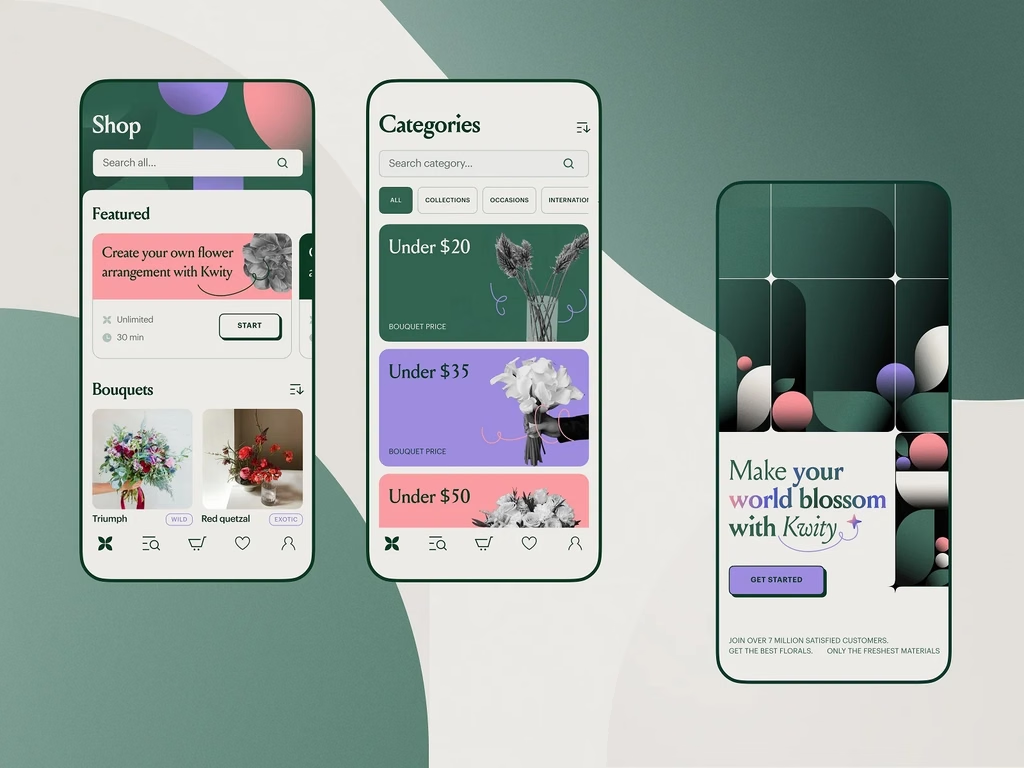
3. UI/UX Design
UI/UX design shapes how people use digital products — apps, websites, dashboards, kiosks, wearables. UI (user interface) handles the visual and interactive surface. UX (user experience) handles the underlying logic, flows, and research.
Common deliverables:
- Wireframes, prototypes, and clickable mockups.
- Design systems and component libraries.
- User flows, journey maps, and information architecture.
- Icon sets, empty states, error screens, and onboarding sequences.
- Accessibility audits (WCAG 2.2 compliance).
Skills that matter: user research, interaction patterns, accessibility standards, prototyping, and cross-functional collaboration with product managers and developers.
Tools: Figma, Sketch, Adobe XD, Framer, Webflow, ProtoPie.
UI/UX ranks as the fastest-growing and one of the highest-paying graphic design specializations in 2026. Web and digital interface designers earn a median wage significantly higher than general graphic designers according to Bureau of Labor Statistics data.
4. Publication & Editorial Design
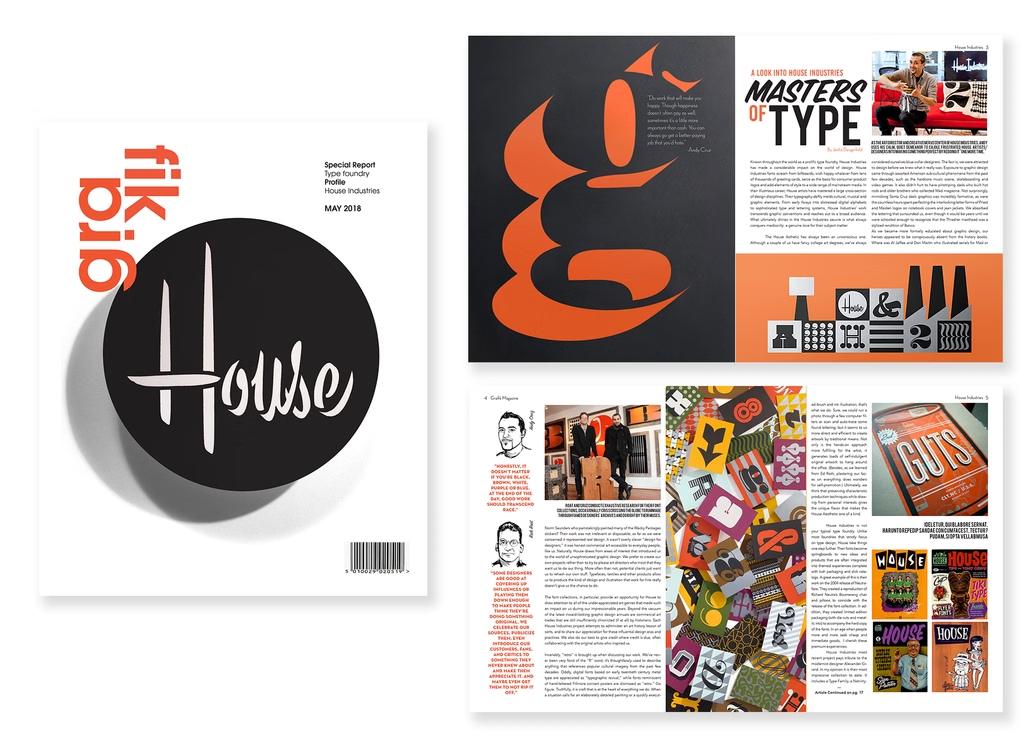
Publication design handles long-form printed and digital layouts — books, magazines, newspapers, annual reports, catalogs, and e-books. Editorial designers balance readability, hierarchy, and rhythm across dozens or hundreds of pages.
Common deliverables:
- Magazine spreads and covers.
- Book interiors and dust jackets.
- Annual reports and investor decks.
- Product catalogs and lookbooks.
- Digital PDFs, e-books, and interactive publications.
Skills that matter: grid systems, typography (advanced kerning, tracking, leading), pagination, image editing, and prepress workflow. Publication designers also handle composition photography placement decisions that make layouts breathe.
Tools: Adobe InDesign (industry standard), Affinity Publisher, QuarkXPress.
5. Packaging Design
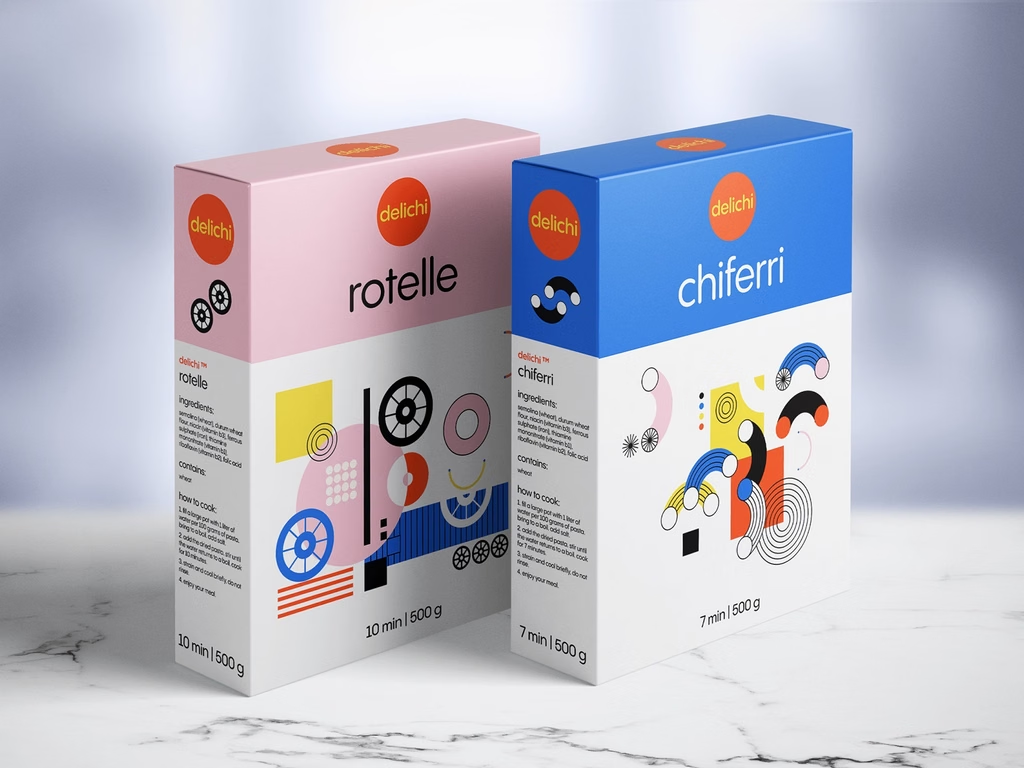
Packaging designers shape the box, bottle, pouch, label, or wrapper that a product lives in. This branch is unique because designs must work as physical objects, survive shipping, meet regulatory rules, and jump off a shelf all at once.
Common deliverables:
- Dielines, structural mockups, and material specs.
- Product labels, sleeves, and pouches.
- Retail boxes and unboxing experiences.
- Sustainable and recyclable packaging systems.
- Barcodes, nutrition facts, and regulatory compliance.
Skills that matter: understanding of print production (offset, digital, flexo), material science, sustainability standards, and legal requirements per industry (FDA, CE, FSC).
Tools: Adobe Illustrator, InDesign, Esko ArtiosCAD, Adobe Dimension for 3D mockups.
6. Motion Graphic Design
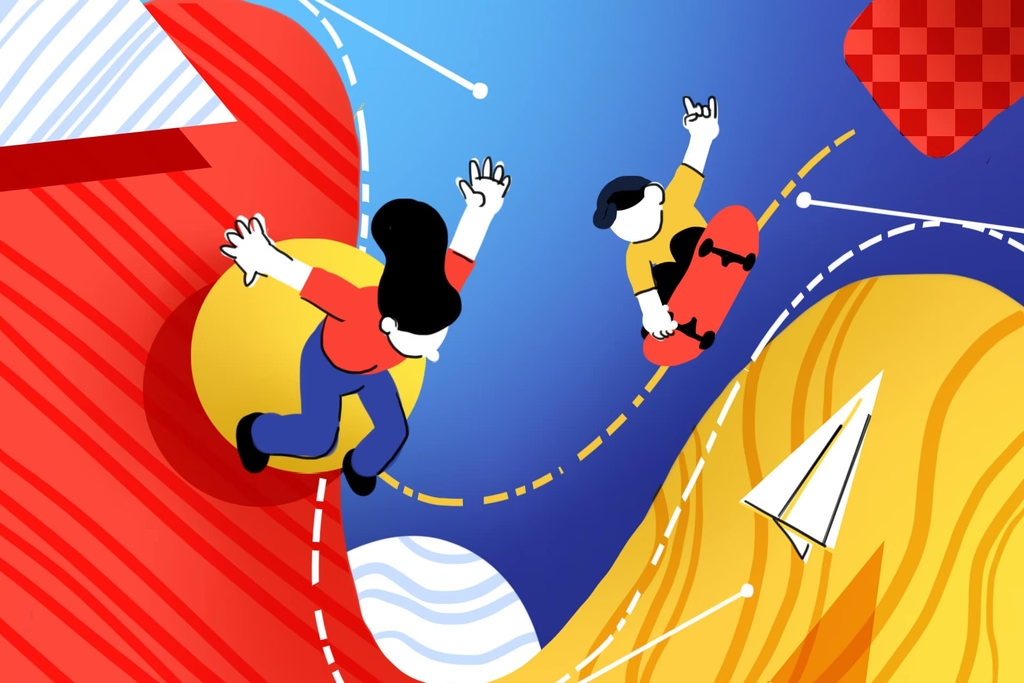
Motion graphic design brings static visuals to life through animation, sound, and timing. In 2026, motion is no longer a specialty — it is a core deliverable of nearly every brand system, because feeds, streaming, and interactive apps demand movement.
Common deliverables:
- Logo animations and brand motion systems.
- Explainer videos, product demos, and tutorials.
- Title sequences and end credits (film, TV, streaming).
- Social media reels, GIFs, and animated ads.
- UI micro-interactions and animated illustrations.
Skills that matter: keyframe animation, easing curves, sound design awareness, storyboarding, and rendering pipelines. Motion designers who also understand video editing techniques command higher day rates.
Tools: Adobe After Effects (industry standard), Cinema 4D, Blender, Lottie, Rive, Runway.
7. Environmental & Experiential Design
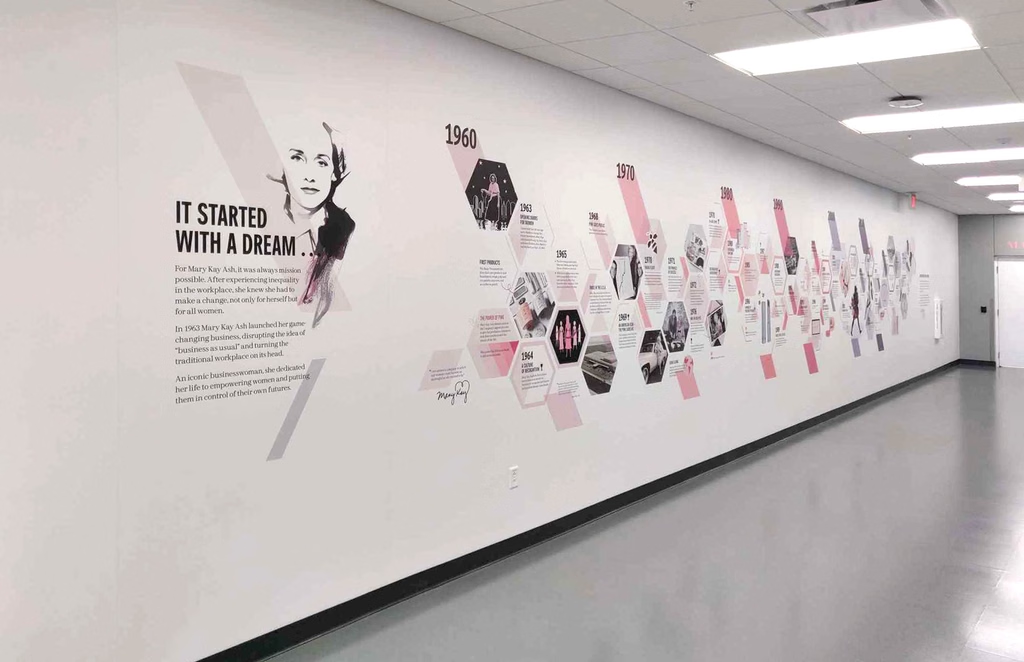
Environmental (also called experiential or EGD) design shapes physical spaces — wayfinding, signage, retail interiors, museum exhibitions, stadiums, offices, and public transit. This branch sits at the intersection of graphic design, architecture, and interior design.
Common deliverables:
- Wayfinding systems (directional, identification, regulatory signage).
- Museum exhibitions and interpretive graphics.
- Retail store branding and window displays.
- Office branding, murals, and internal signage.
- Event, conference, and trade show environments.
Skills that matter: spatial reasoning, materials knowledge, ADA and accessibility standards, collaboration with architects and fabricators.
Tools: Adobe Illustrator, InDesign, SketchUp, AutoCAD, Rhino, Adobe Substance for material simulation.
8. Illustration & Art for Graphic Design
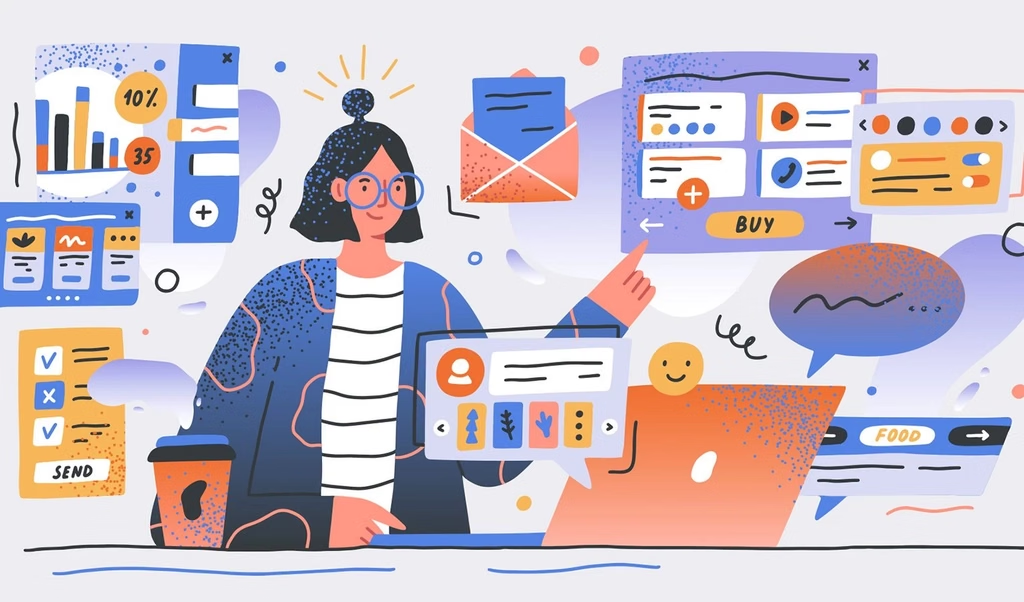
Commercial illustration produces custom artwork used across brand systems, packaging, editorial, advertising, and digital products. This branch has surged in 2026 as brands seek human warmth in a sea of AI-generated imagery.
Common deliverables:
- Editorial illustrations for magazines and articles.
- Character design, mascots, and hero art.
- Book covers, album art, and comic panels.
- T-shirt graphics, textile patterns, and surface design.
- Icon sets and spot illustrations for apps.
Skills that matter: drawing fundamentals, color theory, style consistency, narrative composition, and the ability to work in both digital and traditional media.
Tools: Procreate, Adobe Illustrator, Adobe Fresco, Photoshop, Clip Studio Paint.
9. Typography & Type Design
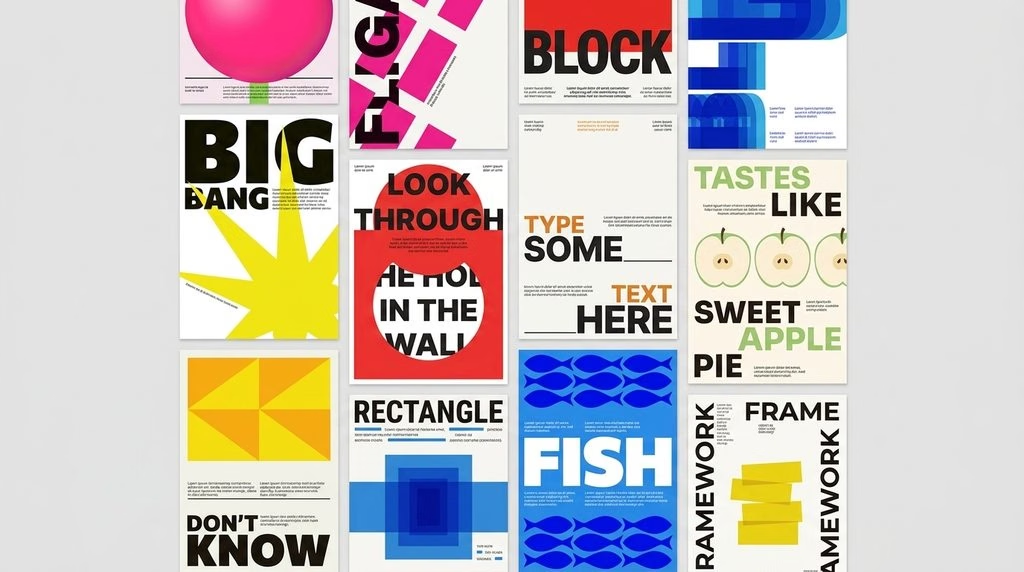
Typography is the invisible backbone of every design discipline. Type designers — a specialized subset — actually create the fonts themselves. Type designers spend months or years crafting a single typeface family with hundreds of glyphs and multiple weights.
Common deliverables:
- Custom brand typefaces and logo lettering.
- Retail and open-source font families.
- Variable fonts with adjustable axes.
- Poster typography and lettering art.
- Multilingual and non-Latin script design.
Skills that matter: letterform anatomy, kerning, hinting, OpenType feature programming, and — for retail fonts — an eye for what the market lacks.
Tools: Glyphs, FontLab, RoboFont, Adobe Illustrator (for lettering).
10. Web Design
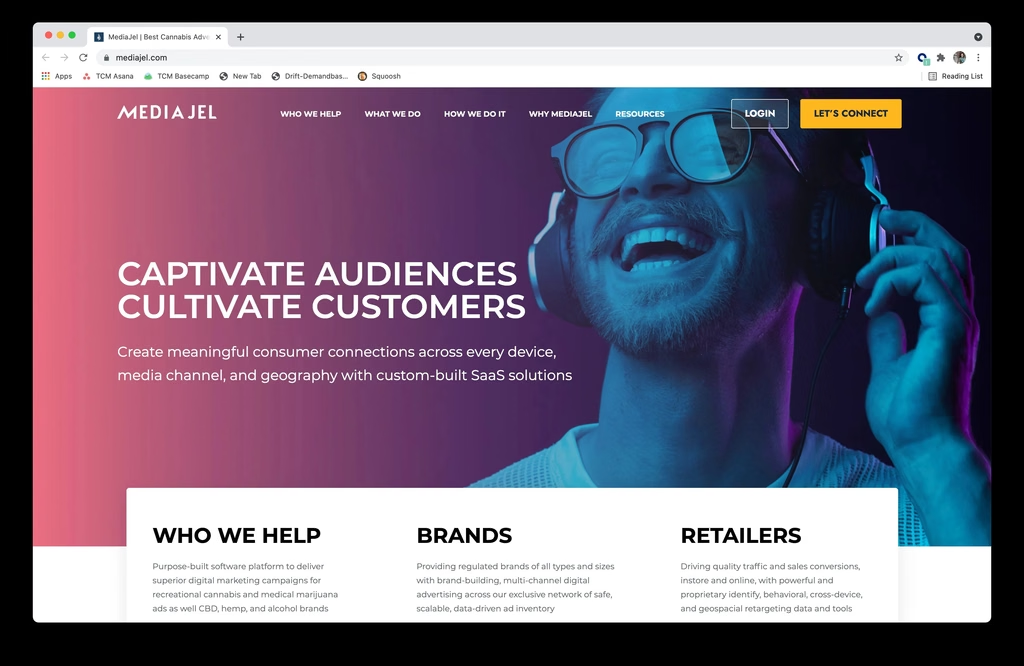
Web design overlaps with UI/UX but deserves its own category because many designers build entire websites — layout, art direction, front-end handoff, and CMS setup — without touching product-app work.
Common deliverables:
- Marketing websites and landing pages.
- E-commerce storefronts (Shopify, WooCommerce, BigCommerce themes).
- Blog and content-site templates.
- WordPress, Webflow, and Framer builds.
- Design-to-code handoff files with responsive breakpoints.
Skills that matter: responsive design, basic HTML/CSS literacy, SEO awareness, page-speed optimization, and Core Web Vitals compliance.
Tools: Figma, Webflow, Framer, WordPress, Elementor, Shopify theme editor.
11. Social Media & Digital Content Design
Social and content design is arguably the fastest-changing branch of graphic design because platforms rewrite their aspect ratios, feed algorithms, and creative rules every quarter. Content designers ship dozens or hundreds of assets per week, adapting core brand systems for Instagram, TikTok, LinkedIn, YouTube Shorts, and Pinterest.
Common deliverables:
- Instagram feed posts, Reels covers, and Story templates.
- TikTok and Shorts thumbnails.
- LinkedIn carousels and document posts.
- YouTube thumbnails and channel branding.
- Newsletter graphics, podcast covers, and Twitch banners.
Skills that matter: platform-native design, motion, video editing basics, trend fluency, and rapid iteration.
Tools: Canva, Figma, Adobe Express, CapCut, Photoshop.
Comparison Table: All 11 Types at a Glance
| Type | Primary Deliverable | Main Tool | Typical Employer |
|---|---|---|---|
| Visual Identity | Logo suites & brand guidelines | Illustrator + Figma | Studios, agencies, in-house |
| Marketing & Advertising | Ads, banners, campaigns | Photoshop + Figma | Ad agencies, in-house marketing |
| UI/UX | App/web interfaces & prototypes | Figma | Tech companies, product teams |
| Publication & Editorial | Magazines, books, reports | InDesign | Publishers, editorial studios |
| Packaging | Boxes, bottles, labels | Illustrator + Dimension | CPG brands, packaging studios |
| Motion Graphics | Animated videos & UI motion | After Effects + Cinema 4D | Studios, streaming, agencies |
| Environmental / EGD | Wayfinding, signage, murals | Illustrator + SketchUp | EGD studios, architecture firms |
| Illustration & Art | Custom artwork | Procreate + Illustrator | Freelance, agencies, publishers |
| Typography / Type | Fonts & lettering | Glyphs + Illustrator | Foundries, freelance |
| Web Design | Marketing sites & e-com | Figma + Webflow | Agencies, freelance, in-house |
| Social & Content | Feed posts & platform assets | Canva + Figma | Brands, creators, agencies |
Essential Tools Every Graphic Designer Should Know
Regardless of specialization, most graphic designers stack the same foundational tools. A quick primer on what each tool does best:
- Adobe Photoshop — pixel-based editing, retouching, photo composites, digital painting.
- Adobe Illustrator — vector graphics, logos, icons, illustration, print production.
- Adobe InDesign — long-form layout, multi-page publications, catalogs.
- Figma — collaborative UI design, prototyping, design systems, browser-based.
- Adobe After Effects — motion graphics, keyframe animation, VFX.
- Cinema 4D / Blender — 3D modeling, product visualization, motion.
- Canva & Adobe Express — template-based design for non-designers and rapid social output.
- Procreate — iPad-based illustration and hand lettering.
Our internal Photoshop toolbar breakdown walks through every icon in the sidebar, and the best design software roundup compares 2026 pricing and use cases across the major platforms.
Need your images edited faster without sacrificing quality?
Our streamlined process delivers premium results in as little as 6 hours. Explore our fast-turnaround services
How AI Is Reshaping Graphic Design in 2026
AI is not replacing graphic designers — it is changing what designers spend time on. The 2026 landscape shows three clear shifts, aligning with Adobe’s published design trends 2026 analysis:
- Bulk visual production is AI-first. Background removal, image variations, color exploration, layout drafts, and social-post generation now happen through Adobe Firefly, Canva Magic Studio, Midjourney, Runway, and Ideogram. Junior tasks that once took hours take seconds.
- Craft is more valuable than ever. Because anyone can generate “okay” visuals, brands pay a premium for taste, originality, hand-drawn imperfection, and strategic thinking. Motion, typography, and brand systems remain human-led.
- AI literacy is a hiring filter. Designers who prompt, art-direct, and refine AI outputs get hired over those who resist the tools. Job postings increasingly require Firefly, Midjourney, or Runway experience.
The winning 2026 designer is not “AI-only” or “manual-only” — the winning designer is fluent in both and knows when to use which.
Graphic Design Career and Salary Data (2026)
According to the U.S. Bureau of Labor Statistics Occupational Outlook Handbook, the profession looks like this:
- 265,900 graphic designer jobs existed in 2024.
- Median annual wage: $61,300 (May 2024 data).
- 25th to 75th percentile: roughly $49,000 to $82,000.
- Employment projection: 2% growth from 2024 to 2034 — slower than the average across all occupations.
- Web and digital interface designers earn more — median $104,000 in May 2025, reflecting the premium on UI/UX skills.
Specialization matters more than total years of experience. UI/UX, motion, and brand identity consistently pay above the median, while pure print and generalist roles pay below. Portfolio quality outweighs formal credentials in every hiring conversation.
How to Choose Your Graphic Design Specialization
Aspiring designers frequently ask which branch to pursue. Use these five questions to narrow the choice:
- Do you prefer print or screen? Print pulls you toward publication, packaging, and environmental work. Screen pulls you toward UI/UX, motion, web, and social.
- Do you love typography or imagery more? Type-forward designers thrive in publication, editorial, and type design. Image-forward designers thrive in illustration, marketing, and packaging.
- Do you want to work alone or in cross-functional teams? Illustrators and type designers often work solo. UI/UX designers work daily with engineers and product managers.
- How comfortable are you with motion and code? Motion graphics and UI/UX reward technical fluency. Illustration and editorial reward drawing and layout mastery.
- Which industries excite you? Fashion needs branding and packaging. SaaS needs UI/UX. Publishing needs editorial. Retail needs environmental. Follow the industries, not just the aesthetics.
Most careers begin generalist and specialize over 3–5 years as portfolio work compounds in one direction.
Common Misconceptions About Graphic Design
- “Graphic design is just making things pretty.” Design solves communication problems. Aesthetics are the byproduct, not the goal.
- “AI will replace all designers.” AI accelerates production but cannot generate strategy, taste, or brand systems. Senior designers remain in high demand.
- “You need a fine arts degree.” Portfolio quality outranks credentials at almost every employer.
- “UI/UX is not graphic design.” Every visual layer of a digital product is graphic design, even when the field uses different job titles.
- “Designers just click buttons in Photoshop.” Concept, research, and iteration take far more time than production.
2026 Design Trends Worth Watching
Six trends define the year, cutting across every specialization:
- Retro, brutalist, and imperfect aesthetics — a deliberate counter-movement to sterile AI output.
- Immersive 3D and spatial interfaces — driven by Apple Vision Pro and mixed-reality adoption.
- Motion-first branding — logos ship with animated variants by default.
- Humanized illustration — hand-drawn, textured, tactile visuals.
- Node-based AI design workflows — tools like ComfyUI enter mainstream creative studios.
- Sustainability-forward packaging — recyclable materials, minimalist print, on-pack storytelling about origin and impact.
Sellers, brand managers, and designers who lean into these trends now will outpace teams still copying 2022 aesthetics.
FAQ — People Also Ask
What are the main types of graphic design?
The eleven core branches are Visual Identity, Marketing & Advertising, UI/UX, Publication & Editorial, Packaging, Motion Graphics, Environmental/Experiential, Illustration, Typography, Web Design, and Social Media / Digital Content. Most professional designers specialize in one or two, not all eleven.
Which type of graphic design pays the most in 2026?
UI/UX design, motion graphics, and brand identity design rank at the top. Bureau of Labor Statistics data shows web and digital interface designers earn a median annual wage well above the general graphic designer median of $61,300.
Is graphic design a good career in 2026?
Yes for designers who specialize and adopt AI tools. Overall employment growth is projected at only 2% from 2024–2034, but specialized paths — UI/UX, motion, product design — grow faster and pay more than generalist roles.
What’s the difference between graphic design and UI/UX design?
Graphic design is the broader parent discipline covering print, digital, and physical visual communication. UI/UX is a digital-only subset focused on how users interact with software, apps, and websites. All UI designers do graphic design; not all graphic designers do UI.
Do I need a degree to become a graphic designer?
No — but you need a strong portfolio. Bachelor’s degrees remain common for entry-level in-house roles, yet many designers succeed via bootcamps, self-taught paths, and portfolio-driven hiring, especially in UI/UX and motion.
What is the difference between visual identity and branding?
Branding is the whole strategy — voice, values, positioning, and audience. Visual identity is the tangible visual system that expresses the brand — logo, colors, type, imagery. Visual identity is a subset of branding.
Which tools should a beginner graphic designer learn first?
Start with Adobe Illustrator (vector), Photoshop (raster/photo), and Figma (UI + collaboration). Add InDesign for print/publication, After Effects for motion, and Canva for rapid social output.
What is the fastest-growing type of graphic design?
UI/UX design and motion graphics grow fastest, driven by app development, streaming media, and brand systems that ship with motion variants by default.
Final Thoughts
Graphic design in 2026 is broader, faster, and more specialized than ever. The eleven branches above cover the entire professional landscape — from a Coca-Cola bottle silhouette to a Netflix opening title to the checkout flow on your favorite Shopify store. Choose the branch that matches how you think and what excites you, invest 2–3 years of focused portfolio work, layer in AI fluency, and the career compounds.
For businesses, the takeaway is sharper: hire a specialist, not a generalist. A branding studio should not design your motion assets. A UI designer should not lay out your annual report. Match the specialization to the deliverable, and the results speak for themselves.
Ready to transform your raw photos into professional assets?
Get a custom, no-obligation quote tailored to your specific volume and needs. Explore Clipping Expert Asia