
Everything You Need to Know About Multi-Clipping Path Service
October 20, 2025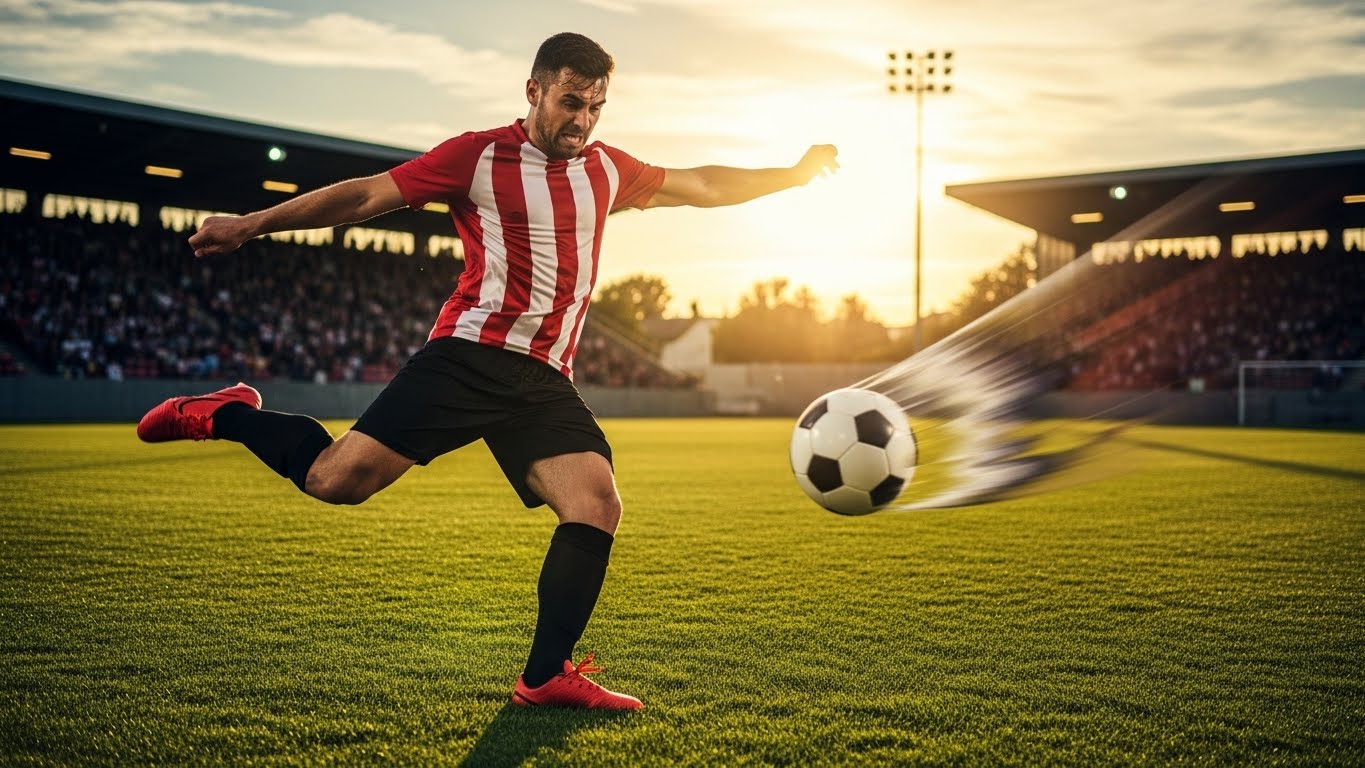
- Sports Photography Editing: Types, Cost & Examples
- Understanding the Basics of Sports Photography Editing
- Types of Sports Photography Editing
- Cost Breakdown for Sports Photography Editing in 2026
- Real-Life Examples of Sports Photography Editing
- Choosing the Right Editing Approach for Your Needs
- Wrapping Up Sports Photography Editing Insights
- FAQs
Sports Photography Editing: Types, Cost & Examples
You capture that perfect moment on the field—a sprinting athlete mid-stride, sweat flying, crowd roaring in the background. But raw shots often need polishing to shine. Sports photography editing transforms those captures into stunning visuals that pop in portfolios, social media, or client deliverables. Professionals and enthusiasts alike turn to editing to enhance clarity, remove distractions, and amplify drama. In 2026, with advanced tools and services at your fingertips, editing sports photos has never evolved faster. This guide dives into key types of sports photography editing, breaks down realistic costs, and shares practical examples to inspire your next project. Whether you edit solo or outsource, understanding these elements boosts your workflow and results.
Sports photographers face unique challenges. Action happens in split seconds under varying lights, weather, and angles. Editing corrects overexposure from stadium floods or underexposure in indoor arenas. It also isolates subjects from cluttered scenes, like removing sideline distractions in a basketball shot. You achieve professional-grade images that tell stories without losing authenticity. Many start with basic tweaks but advance to complex techniques for standout results.
Experts recommend starting small. Focus on one type of edit per session to build skills. For instance, adjust exposure first before diving into retouching. This approach prevents overwhelm and yields consistent improvements. In 2026, streamlined processes make editing accessible even for beginners.
Understanding the Basics of Sports Photography Editing
Photographers edit sports images to elevate raw files into polished masterpieces. This process involves adjusting colors, sharpening details, and eliminating flaws. You correct lighting inconsistencies from fast-paced events, ensuring every frame captures the thrill. Basic edits like cropping frame the action tighter, drawing viewers in.
Advanced edits go deeper. You layer adjustments to enhance textures on uniforms or sweat beads on skin. Tools help balance contrasts in high-speed shots, where motion blur adds drama but needs control. Professionals often batch-edit event photos for efficiency, saving hours.
Sports photography editing demands precision. A slight over-sharpen can ruin natural flow, while under-editing leaves images flat. Practice on sample shots to refine your eye. Resources like Adobe Photoshop offer layers and masks for non-destructive changes, letting you experiment freely.
Common pitfalls include ignoring white balance. Outdoor games shift from sunny to cloudy, tinting photos blue or yellow. You fix this by sampling neutral areas for accurate colors. Indoor venues with artificial lights require similar tweaks to avoid orange casts.
Types of Sports Photography Editing
You encounter various editing types tailored to sports imagery. Each addresses specific issues in action-packed photos. From isolating athletes to smoothing imperfections, these methods create impactful visuals.
Background Removal in Sports Shots
Background removal isolates the main subject, like a runner crossing the finish line, from distracting elements. Editors use precise cuts to eliminate crowds or ads, placing the athlete on a clean slate. This technique shines in promotional materials or online galleries.
In practice, you trace edges carefully to avoid jagged lines. For sports with equipment, like cycling, it preserves details on bikes while ditching road clutter. Services specializing in background removal handle complex shapes, delivering transparent files ready for new backdrops.
Costs vary by complexity. Simple removals suit basic team portraits, while intricate ones tackle motion-heavy scenes. You benefit from faster load times in web images, crucial for sports blogs.
- Enhances focus on athletes
- Ideal for e-commerce sports gear
- Preserves shadows for realism
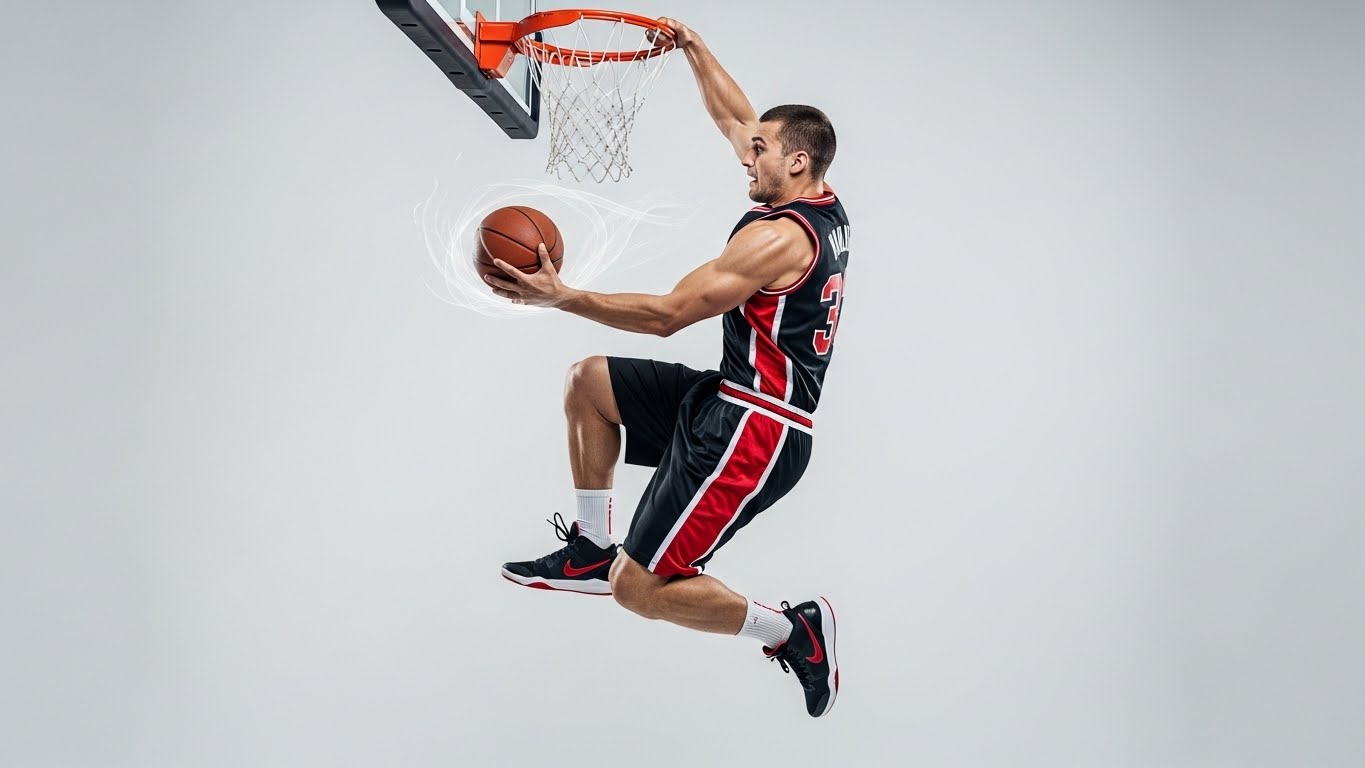
Photo Retouching for Athlete Enhancement
Photo retouching refines skin tones, removes blemishes, and boosts vibrancy without altering reality. In sports, it corrects sweat glare or uniform wrinkles from intense play. You sculpt light to highlight muscle definition in a weightlifter’s pose.
Techniques include frequency separation, separating color from texture for natural looks. Dodge and burn tools add depth, making athletes appear more heroic. Professional photo retouching services excel in high-end fixes for event coverage.
Basic retouching handles minor spots, while advanced reshapes lighting for dramatic effects. You apply it to group shots, ensuring everyone looks sharp. This edit maintains ethical standards, avoiding excessive alterations that mislead viewers.
Image Masking for Complex Details
Image masking tackles fuzzy edges, like hair flying in a gymnast’s flip or fur on team mascots. Unlike hard cuts, it feathers transitions for seamless blends. You reveal or hide parts non-destructively, perfect for translucent gear like visors.
In sports, masking preserves motion blur on edges, keeping energy intact. It suits images with nets or chains, where precision matters. Providers offering image masking use layers to isolate subjects accurately.
This type excels in composites, layering athletes onto new scenes. You adjust opacity for subtle effects, enhancing storytelling in photo essays.
- Handles hair and fur realistically
- Supports transparency in equipment
- Non-destructive for easy revisions
Color Correction and Enhancement
Color correction neutralizes tints from venue lights, restoring true hues. You boost saturation on team jerseys to make them vivid. In 2026, automated presets speed this for large batches.
Enhancement pushes boundaries, adding warmth to sunset games or cool tones for night events. You match colors across a series for cohesive albums. This edit amplifies mood, turning a standard shot into an emotional keeper.
Cropping and Composition Tweaks
Cropping reframes shots, tightening on key action like a goalie’s save. You follow rule of thirds for balanced compositions. This simple edit removes peripherals, focusing viewer attention.
In sports series, consistent crops unify the narrative. You rotate for level horizons in outdoor tracks. These tweaks elevate amateur captures to pro levels.
Cost Breakdown for Sports Photography Editing in 2026
Costs for sports photography editing fluctuate based on scope and provider. In 2026, expect affordable options thanks to efficient workflows. Freelancers charge per hour, while agencies offer per-image rates.
Factors influencing price include image complexity. Simple team photos cost less than action sequences with multiple subjects. Volume discounts apply for event batches, reducing overall expenses.
Average per-image fees range from $0.25 for basics to $5 for advanced work. Hourly rates sit between $15 and $30, depending on expertise. Packages for full events might total $200 to $500.
Outsourcing to specialized firms like Clipping Expert Asia provides value. They offer tiered pricing: basic at $0.39, complex at $2.99 per image. Turnaround times affect costs—rush jobs add premiums.
DIY editing saves money but requires software investments. Subscriptions for tools run $20 monthly. Weigh time versus expense; pros edit faster, freeing you for shooting.
- Basic edits: $0.25-$1 per image
- Advanced retouching: $3-$7 per image
- Bulk discounts: 10-20% off for 50+ images
Hidden fees lurk in revisions. Clarify upfront how many rounds come included. Storage and delivery formats also impact totals, high-res files cost more.
Compare providers. Read reviews for quality consistency. In 2026, transparent pricing tools help estimate accurately before committing.
Real-Life Examples of Sports Photography Editing
Examples illustrate editing’s power. Take a blurry football tackle shot. Background removal cleans up sideline chaos, focusing on players’ grit. Retouching sharpens helmets and reduces mud smears.
In basketball, masking isolates a jumper amid defenders. Color enhancement pops jersey blues against court wood. The result? A magazine-worthy image that captures leap height.
A cycling race photo benefits from cropping. Tighten on the leader’s determined face, eliminating trailing pack. This edit turns a wide scene into an intimate portrait.
Tennis serves shine with retouching. Fix harsh sunlight shadows on the player’s arm, adding glow for energy. Masking handles racket strings precisely.
Group volleyball huddles use batch color correction. Uniform tones across varying lights create team unity. These tweaks make social shares engaging.
In 2026, trends lean toward cinematic styles. Editors add subtle vignettes for depth in marathon finishes. Authentic edits preserve raw emotion, avoiding over-polish.
Hyper-realism emerges. Boost details on sweat and muscles in boxing close-ups. Retro filters nod to vintage sports icons, blending old with new.
Bold colors dominate. Amplify greens in golf landscapes or reds in racing cars. These examples inspire experimentation in your sports photography editing.
Choosing the Right Editing Approach for Your Needs
Select edits based on goals. Portfolio building favors high-end retouching for impact. Social media needs quick background swaps for shares.
Assess skill level. Beginners stick to basics; pros tackle masking. Outsource when deadlines loom, services deliver polished results fast.
Test workflows. Edit a sample set, noting time spent. Adjust for efficiency in future shoots.
Incorporate feedback. Clients prefer natural enhancements in sports imagery. Balance drama with realism.
Wrapping Up Sports Photography Editing Insights
Mastering sports photography editing unlocks potential in every capture. From types like retouching to cost considerations around $1-$5 per image, you equip yourself for success. Examples show how simple tweaks create compelling stories. In 2026, embrace these techniques to elevate your work and captivate audiences.
FAQs
- What makes background removal essential in sports photography editing?
It clears distractions, letting athletes stand out. This creates clean visuals for promotions or prints, preserving action details. - How do costs differ between basic and advanced sports photography editing?
Basic edits like cropping start at $0.25 per image, while advanced retouching reaches $3-$7, depending on complexity and provider. - Can I learn sports photography editing without professional software?
Yes, free tools offer basics, but pros recommend paid options for layers and precision in handling sports action. - What trends shape sports photography editing in 2026?
Cinematic enhancements and bold colors lead, adding depth and vibrancy to captures without losing authenticity. - How does image masking benefit complex sports images?
It handles fuzzy elements like hair or gear edges smoothly, ensuring natural blends in dynamic shots.