

AI vs. Professional Real Estate Photo Editing: What’s Best for Your Business in 2026?
January 28, 2026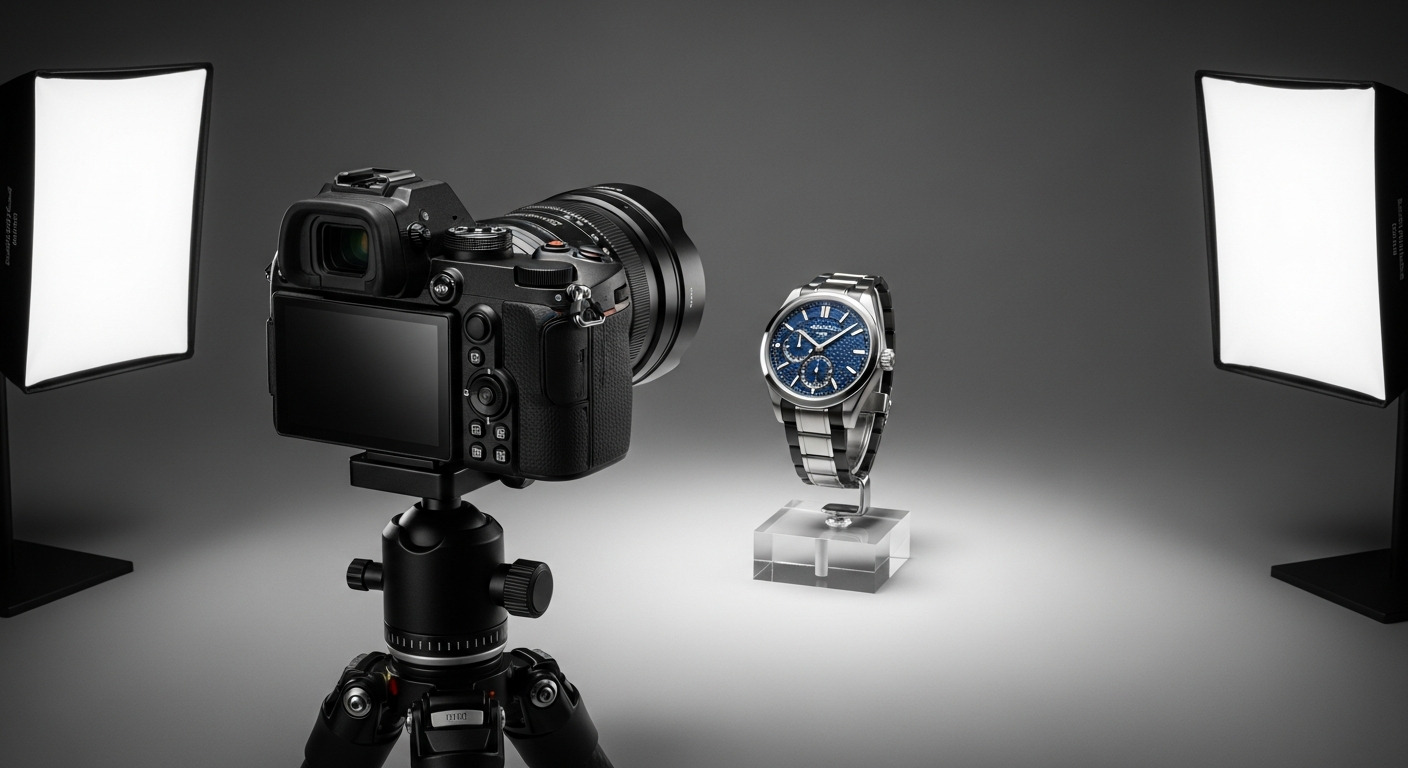
Best Nikon Lenses for Product Photography in 2026
January 29, 2026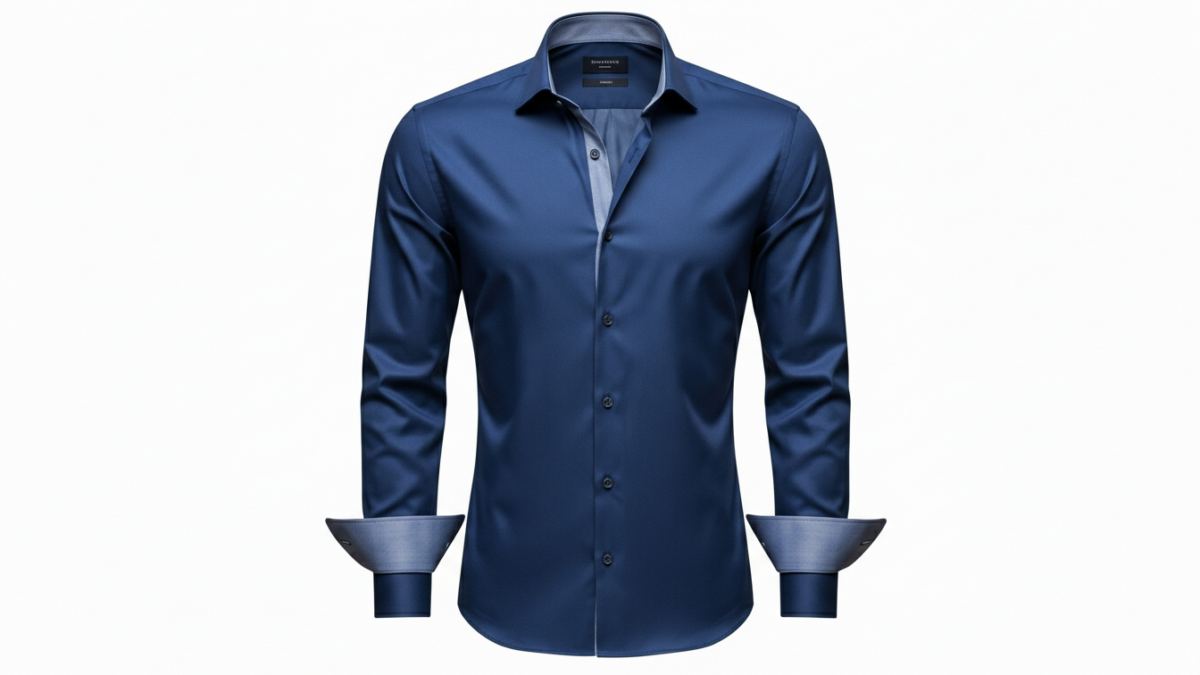
Ghost mannequin photography revolutionizes the way retailers present clothing online. This technique creates the illusion of garments floating in space, as if worn by an invisible model. Photographers remove the mannequin from shots during editing, leaving only the apparel visible. Businesses use this method to highlight fabric details, fits, and styles without distractions. It enhances product listings on platforms like online stores, drawing more customer attention.
Many fashion brands rely on ghost mannequin photography to make their items look lifelike yet polished. The process involves shooting clothes on a mannequin from multiple angles, then combining those images in post-production. This approach saves time compared to hiring live models and ensures consistency across product lines. If you’re new to this, start with basic setups and build your skills gradually. It can elevate your visual content game significantly.
What Is Ghost Mannequin Photography Exactly?
Experts define ghost mannequin photography as a specialized form of product photography tailored for clothing. You dress a mannequin in the garment, capture photos, and edit out the mannequin to make the clothes appear as if they’re being worn by an unseen figure. This creates a 3D effect that shows how the item drapes and fits naturally. Retailers love it because it provides a clear view of collars, hems, and interiors without any visible supports.
The technique originated in fashion studios to solve the problem of static displays. Traditional flat-lay shots often fail to convey shape, while live models add variability in poses. Ghost mannequin photography bridges that gap by offering a cost-effective alternative. You can apply it to shirts, dresses, jackets, and even accessories like scarves. Understanding its core principles sets the foundation for mastering apparel photography.
Key Benefits of Using Ghost Mannequin Photography
This method boosts e-commerce visuals by making products more appealing. Customers get a better sense of how clothes will look on them, which reduces return rates. Studies show that high-quality images can increase conversion rates by up to 30%. Ghost mannequin photography ensures every detail shines, from stitching to fabric flow.
It also streamlines workflows for photographers and brands. You shoot fewer variations since one mannequin fits multiple sizes. This saves on model fees and location costs. Plus, the consistent look builds brand trust. Online shoppers appreciate seeing the full garment without distractions, leading to quicker purchase decisions.
- Enhances product focus: Viewers see only the apparel, not the mannequin or background clutter.
- Improves SEO through better engagement: Quality images keep users on pages longer.
- Versatile for various items: Works well for tops, bottoms, and outerwear.
- Cost-efficient: Reduces need for multiple shoots.
Brands that adopt ghost mannequin photography often see a spike in social media shares too. Eye-catching photos perform better on platforms, driving organic traffic.
Essential Equipment for Ghost Mannequin Photography
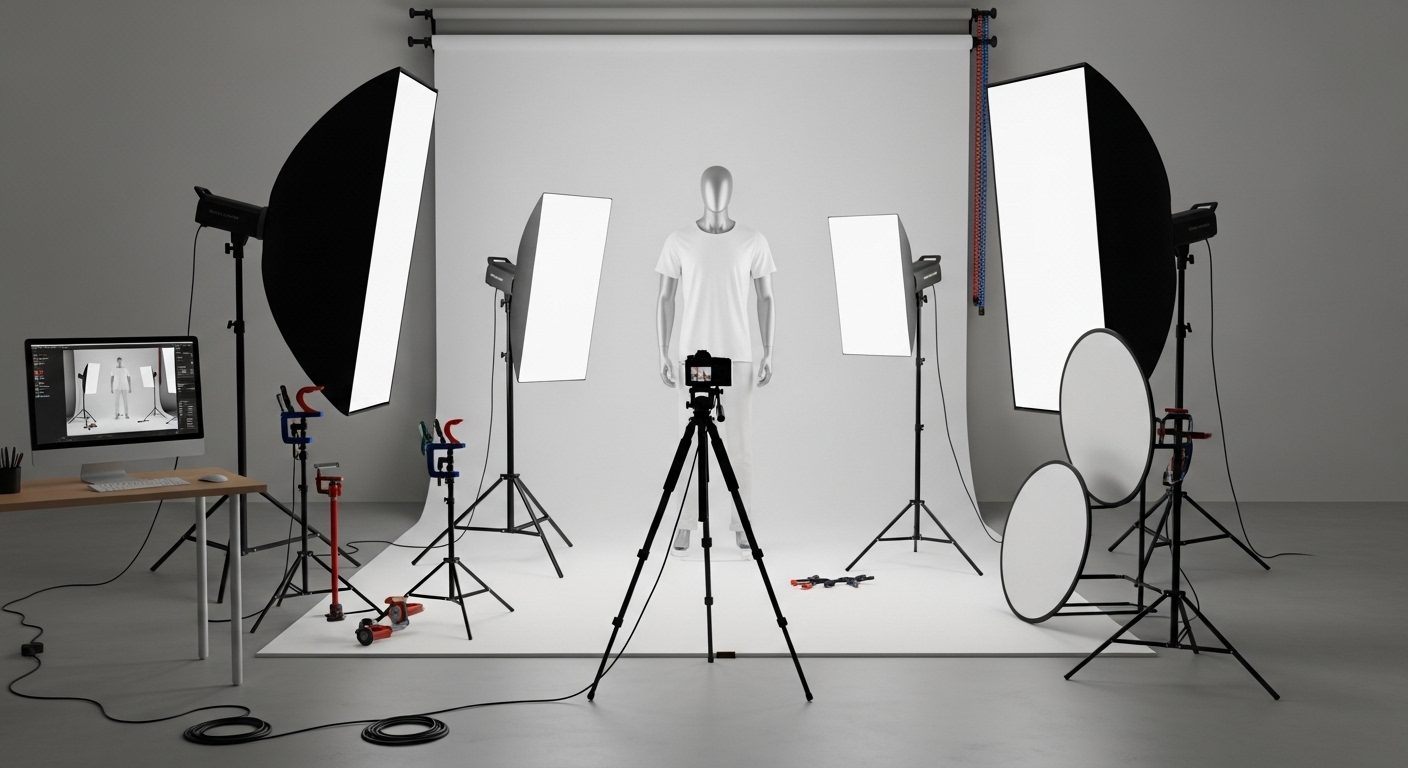
You need the right tools to achieve professional results in ghost mannequin photography. Start with a high-quality camera, preferably a DSLR or mirrorless model with good resolution. Lenses like 50mm or 85mm primes work best for sharp, distortion-free shots. Tripods keep everything steady during long sessions.
Lighting plays a crucial role. Softbox lights or continuous LED panels create even illumination without harsh shadows. Use at least two sources positioned at 45-degree angles to the mannequin. Backdrops in white or gray help in easy editing later. A removable-neck mannequin is essential – it allows you to capture inner labels and collars separately.
Don’t forget accessories like foam boards for reflections and clips to hold garments in place. For editing, software becomes your ally. Programs like those from Adobe handle the compositing flawlessly. If you’re serious about refining your skills, explore resources on Photoshop to layer images seamlessly.
Budget options exist for beginners. Affordable mannequins start at around $50, and entry-level lights won’t break the bank. Invest in quality gradually as your projects grow.
Step-by-Step Guide to Shooting Ghost Mannequin Photography
Preparation sets the stage for success. Choose a mannequin that matches the garment’s size for a natural fit. Dress it carefully, smoothing out wrinkles and adjusting sleeves or hems. Position the mannequin in a well-lit studio space, ensuring even lighting from all sides.
Capture the front view first. Use a tripod to maintain consistency. Shoot at eye level for a realistic perspective. Then, rotate for back and side angles. For necks and interiors, remove the mannequin’s top part and photograph those sections separately. This step ensures you have all pieces for the invisible mannequin effect.
- Focus on details: Zoom in on textures and patterns.
- Maintain consistency: Keep camera settings uniform across shots.
- Use timers: Avoid camera shake with self-timers.
- Check alignments: Ensure parts match up for editing.
Take multiple exposures if needed to handle varying light on fabrics. Dark colors might require adjustments. Practice these steps to refine your apparel photography technique.
Mastering Post-Production in Ghost Mannequin Photography
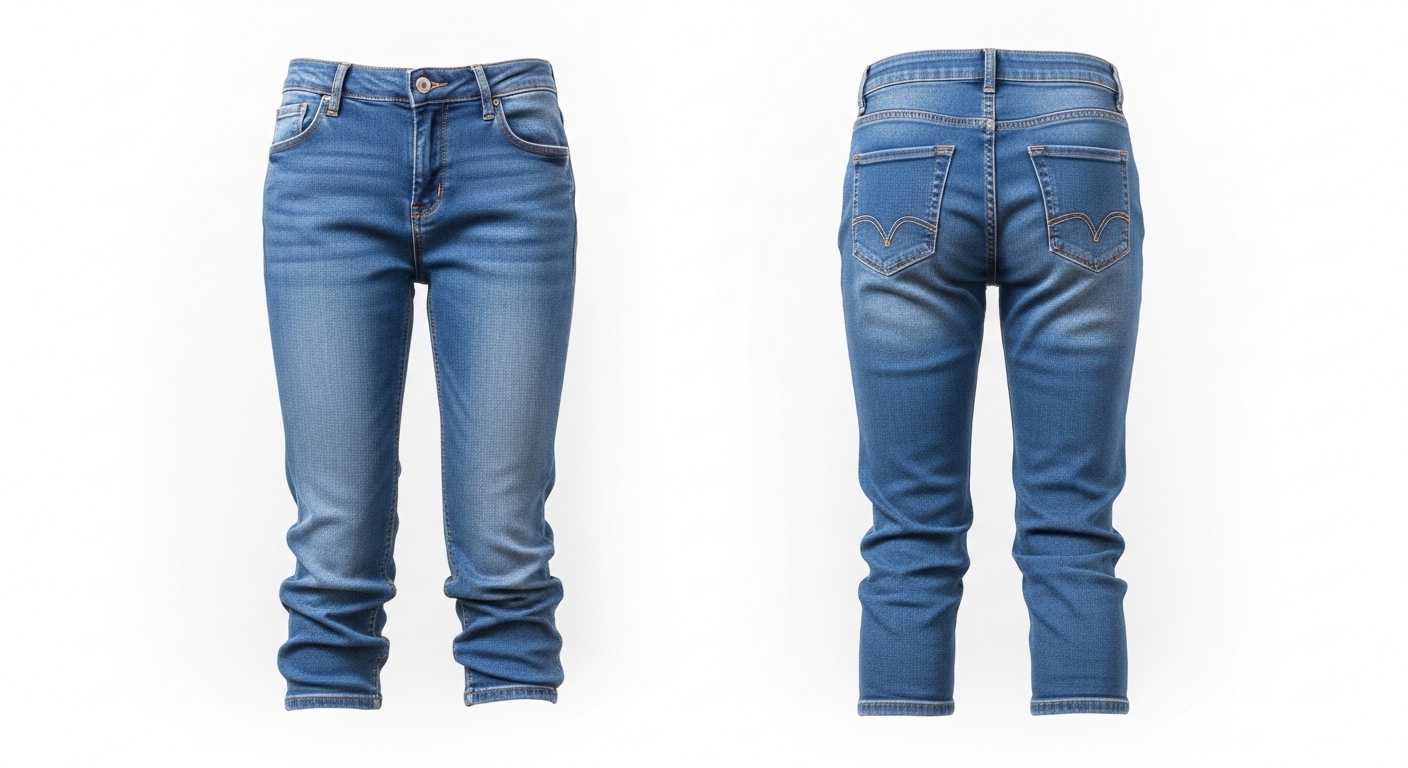
Editing brings the magic to life. Import your shots into software and select the best ones. Align the front, back, and interior images precisely. Use layers to combine them, erasing the mannequin with tools like the pen or clone stamp. This creates the floating effect that defines ghost mannequin photography.
Color correction enhances realism. Adjust hues to match the true garment shades. Sometimes, you might explore advanced techniques like color grading to make fabrics pop. For a deeper dive, check this color grading guide that explains balancing tones effectively.
Pay attention to shadows and highlights. Natural-looking dropshadows add depth without overdoing it. Export in high-resolution formats for web use. If you accidentally delete files during this process, recovery options exist. Learn how to find recently deleted photos to safeguard your work.
Post-production demands patience. Beginners often spend hours perfecting one image, but practice speeds things up. The result? Polished e-commerce images that sell.
Common Mistakes to Avoid in Ghost Mannequin Photography
Rookies frequently overlook lighting inconsistencies. Uneven shadows make editing tricky and ruin the final look. Always double-check your setup before shooting.
Another pitfall involves poor mannequin dressing. Wrinkles or misalignments show up glaringly in photos. Take time to style the garment as if for a real wearer. Ignoring angle variety limits the 3D illusion. Capture at least front, back, and sides for comprehensive views.
Over-editing poses risks too. Excessive retouching can make clothes look unnatural. Stick to subtle adjustments that preserve fabric authenticity. Forgetting backups leads to lost work – always save progress.
- Test shots first: Spot issues early.
- Use grids: Align layers accurately.
- Seek feedback: Fresh eyes catch errors.
Avoiding these errors elevates your photo retouching game and produces standout apparel shots.
Advanced Tips for Professional Ghost Mannequin Photography
Seasoned pros experiment with creative angles. Tilt the camera slightly for dynamic perspectives that engage viewers more. Incorporate props sparingly to add context without overwhelming the garment.
Automation tools speed up repetitive tasks. Batch processing in software handles multiple images efficiently. Collaborate with experts for complex projects. If you need top-tier results, consider outsourcing to specialists offering ghost mannequin services. Their experience ensures flawless outcomes.
Explore hybrid techniques. Combine ghost mannequin photography with 360-degree spins for interactive online experiences. This innovation captivates shoppers and boosts engagement.
Stay updated on trends. New lighting tech or software updates can transform your workflow. Attend workshops or follow industry blogs to sharpen skills. These tips push your product photography to new heights.
Integrating Ghost Mannequin Photography into Your Business Strategy
Businesses integrate this technique to stand out in crowded markets. It aligns with visual marketing trends that prioritize clean, informative images. Track performance metrics like click-through rates to measure impact.
Customize approaches for different product lines. Lightweight fabrics need gentler handling than heavy ones. Train teams on best practices to maintain quality. This strategy fosters growth in e-commerce visuals.
Future-proof your setup by investing in scalable equipment. As your catalog expands, efficient ghost mannequin photography becomes indispensable. It not only saves resources but also delights customers with superior presentations.
Conclusion: Elevate Your Apparel Game with Ghost Mannequin Photography
Ghost mannequin photography empowers creators to produce captivating images that drive sales. By following these steps, you craft visuals that resonate with audiences. Remember, practice refines your technique over time. Embrace this method to transform ordinary shots into extraordinary ones. Whether for small boutiques or large retailers, ghost mannequin photography delivers unmatched value in showcasing apparel.
FAQs
What makes ghost mannequin photography ideal for clothing retailers?
It removes distractions, allowing customers to focus solely on the garment’s fit and details, which improves online shopping experiences and reduces returns.
Do I need expensive equipment to start ghost mannequin photography?
No, beginners can begin with basic cameras, affordable mannequins, and simple lights. Upgrade as you gain experience for better results.
How long does editing take in ghost mannequin photography?
For one image, it might take 30 minutes to an hour initially. With practice and good software, you can cut that time significantly.
Can ghost mannequin photography work for all types of clothing?
Yes, it suits most apparel like shirts, pants, and dresses. Adjust techniques for bulkier items like coats to ensure natural shapes.
What if my lighting creates shadows in ghost mannequin shots?
Use diffusers or multiple light sources to soften shadows. In editing, add subtle dropshadows for realism without overwhelming the image.
How does ghost mannequin photography compare to flat-lay methods?
It provides a 3D view that shows fit better, making it more engaging than flat lays, which often look two-dimensional and less informative.
Where can I learn more advanced editing for ghost mannequin photography?
Explore online tutorials, software guides, or professional services that specialize in apparel imaging for in-depth techniques and tips.