


Best Photo Printing Software in 2026: The Complete Guide for Photographers, Artists & Print Shops
May 13, 2026
The 9 Best Vlogging Cameras of 2026 — Compact, Mirrorless & 360°
May 16, 2026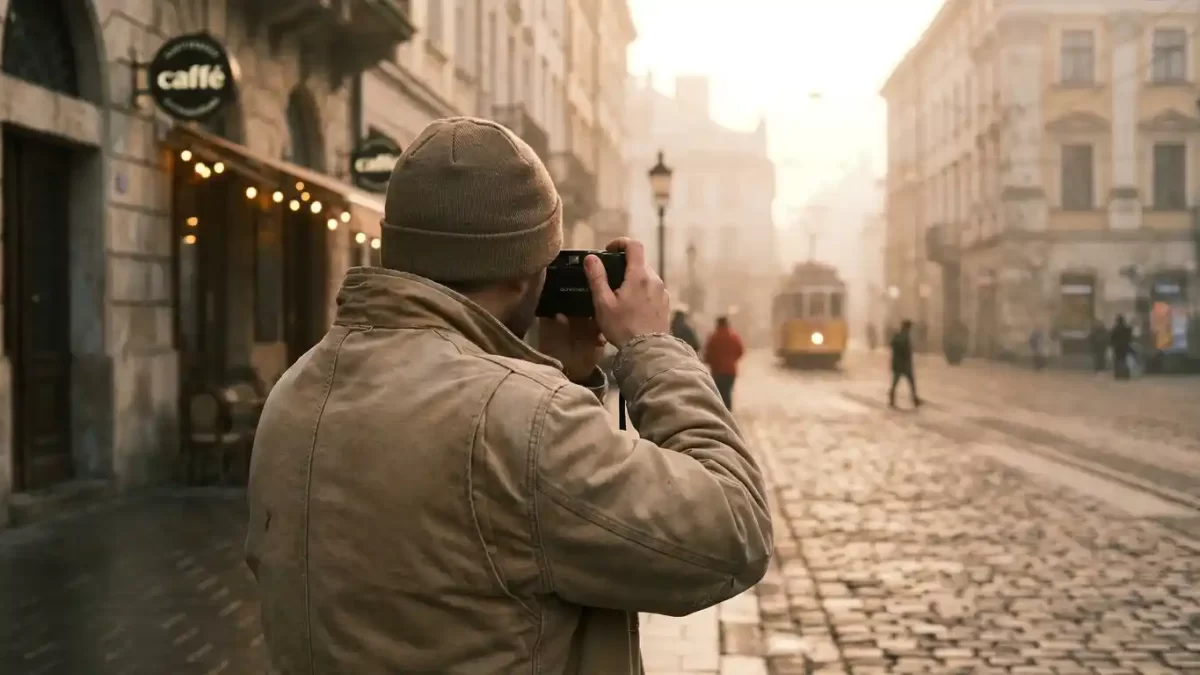
- A photographer-tested roundup of pocket-sized cameras that punch well above their weight
- Why a Dedicated Compact Camera Still Beats Your Phone in 2026
- How I Chose the Best Compact Cameras for Travel in 2026
- The Best Compact Cameras for Travel Photography in 2026
- Compact Cameras at a Glance: 2026 Comparison
- How to Choose the Right Compact Camera for Your Travel Style
- Travel Photography Tips That Get the Most Out of a Compact Camera
- Editing Travel Photos: Where the Real Magic Happens
- Common Mistakes Travelers Make When Buying a Compact Camera
- Frequently Asked Questions
- Final Thoughts: The Best Compact Camera Is the One You’ll Carry
A photographer-tested roundup of pocket-sized cameras that punch well above their weight
Travel photography has changed dramatically over the past few years. Smartphones now produce remarkable images, mirrorless systems keep shrinking, and yet a dedicated compact camera still earns its place in your carry-on. Why? Because nothing beats the feeling of a purpose-built camera in your hand when the light turns golden over a Moroccan souk or fog rolls across a Scottish glen.
In 2026, compact cameras have evolved into surprisingly capable tools. Larger sensors, faster autofocus, better video, and intelligent stabilization make today’s pocket shooters legitimate alternatives to bulky DSLRs. This guide breaks down the best compact cameras for travel photography in 2026, who each model suits, and what trade-offs you should weigh before you spend.
I’ve spent years testing cameras across airports, mountain trails, and city streets, so the recommendations below reflect real-world travel use, not spec-sheet hype.
Take your travel shots from good to gallery-worthy — let our team handle the editing while you keep exploring. Discover our professional photo retouching service built for travel and lifestyle photographers.
Why a Dedicated Compact Camera Still Beats Your Phone in 2026
The case for carrying real glass
Smartphones excel in convenience, but they hit physical limits. Tiny sensors struggle with dynamic range, computational photography can over-process scenes, and zoom past 3x usually crumbles into mush. A modern compact camera fixes these issues with:
- Larger 1-inch, APS-C, or full-frame sensors that capture more light and detail
- Real optical zoom without the digital cropping smartphones rely on
- Manual controls that let you shape exposure intentionally
- RAW files that preserve shadow and highlight data for editing
- Tactile dials and grips that simply feel better during long shooting days
The result? Files you can crop, print, and license. Travel images that age well, not just look “fine” on a phone screen.
What “compact” really means today
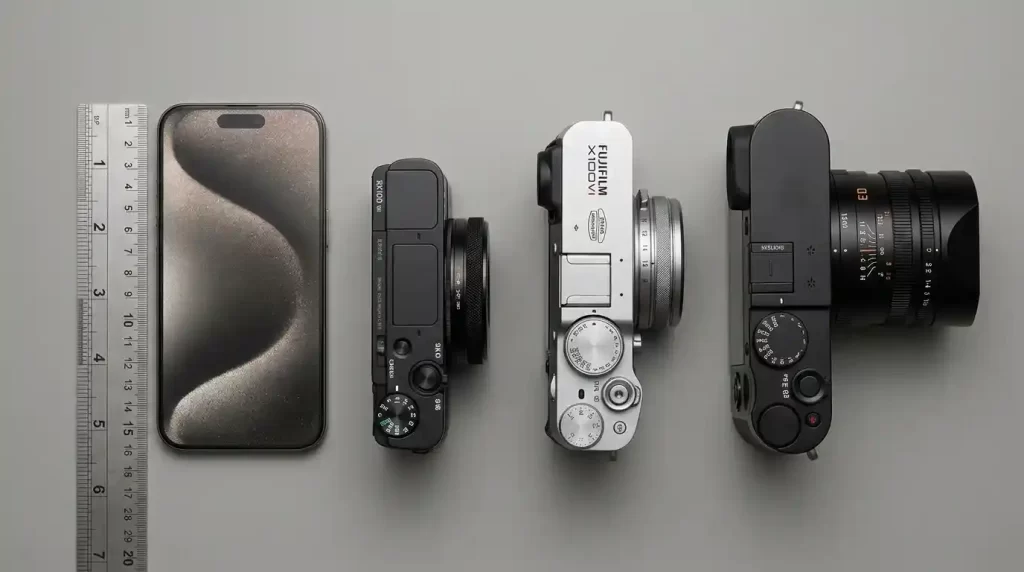
For this guide, a camera qualifies as compact if it fits into a jacket pocket or a small sling bag. That includes premium 1-inch zoom compacts, large-sensor fixed-lens cameras, and a few hybrid pocketable mirrorless options that travelers love.
How I Chose the Best Compact Cameras for Travel in 2026
I weighted each camera against the things that actually matter on the road:
- Sensor size and image quality — bigger usually wins, but not always
- Lens versatility — does the focal range cover real travel scenes?
- Weight and pocketability — every gram counts on day 14 of a trip
- Battery life — charging in hotels is fine, but stamina matters
- Autofocus performance — kids, markets, and street scenes won’t wait
- Video capability — most travelers shoot at least some clips
- Price-to-performance ratio — value still rules in 2026
I also referenced extensive real-world testing from trusted outlets like DPReview’s travel camera roundup to validate where my preferences agreed with broader expert consensus.
The Best Compact Cameras for Travel Photography in 2026
1. Fujifilm X100VI — Best Overall Compact Camera for Travel
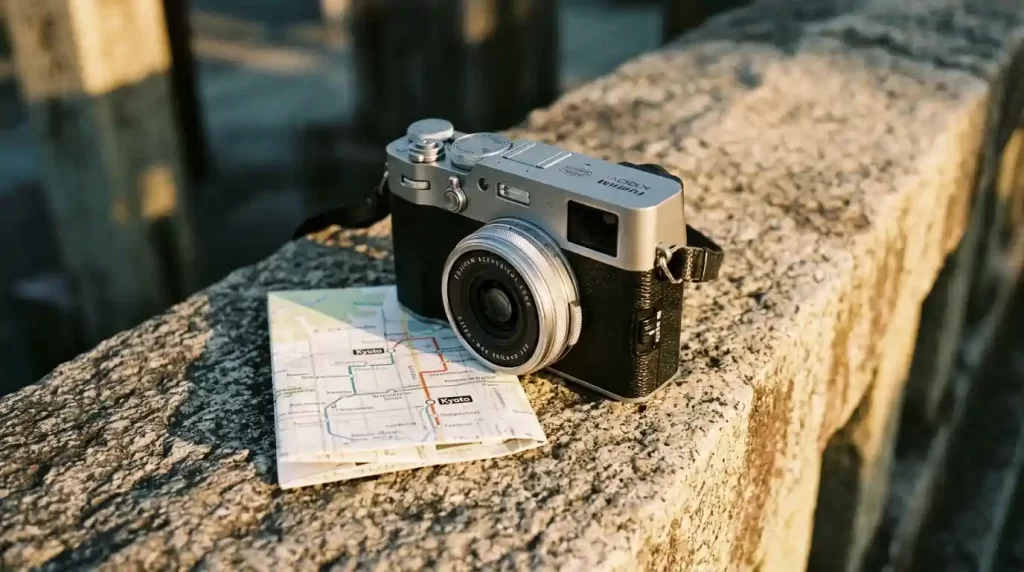
Type: Large-sensor fixed-lens compact | Sensor: 40.2MP APS-C | Lens: 35mm-equivalent f/2
The Fujifilm X100VI sits comfortably at the top of nearly every serious travel list in 2026, and for good reason. It delivers gorgeous color science straight out of the camera, in-body image stabilization, a hybrid viewfinder, and a 40-megapixel APS-C sensor that produces files you can crop aggressively.
Why travelers love it:
- Classic, unobtrusive rangefinder styling that doesn’t scream “tourist”
- Film simulations like Classic Chrome and Reala Ace mimic analog looks beautifully
- 35mm-equivalent lens is the most versatile single focal length for travel
- Tilting touchscreen plus optical/electronic hybrid viewfinder
- Weather resistance with the optional adapter ring
Drawbacks:
- Fixed lens means no zoom flexibility
- Demand still outpaces supply in many regions
- Pricier than most 1-inch compacts
If you want one camera to do almost everything on a trip, the X100VI is the camera I’d pack first. It’s compact enough for a jacket pocket, capable enough for a printed portfolio.
2. Sony RX100 VII — Best Pocketable Zoom Compact
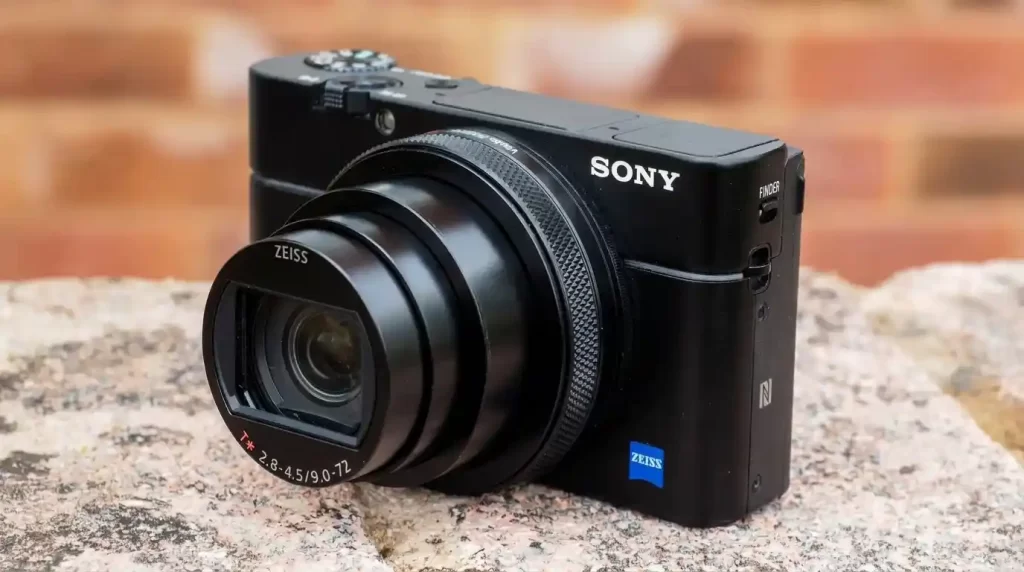
Type: Premium pocket compact | Sensor: 20.1MP 1-inch | Lens: 24–200mm equivalent f/2.8–4.5
The Sony RX100 VII remains the gold standard for travelers who refuse to carry anything bigger than a deck of cards. Its 24–200mm zoom range covers landscapes, street scenes, portraits, and wildlife from the same body.
Strengths:
- True pocket size — fits jeans pockets comfortably
- Class-leading autofocus inherited from Sony’s Alpha line
- Tilting screen for low-angle and selfie shooting
- 4K video with reliable rolling shutter performance
- 200mm reach gets you closer without lens swaps
Trade-offs:
- Smaller 1-inch sensor limits low-light performance compared to APS-C rivals
- Menus feel dated compared to newer Sony bodies
- Premium price for a camera that’s now several years old
For more on how this camera compares with larger systems, DPReview’s RX100 VII review remains one of the most thorough technical breakdowns available.
Sell your travel prints or stock photos online? Get crisp, distraction-free subjects fast with our precision background removal service trusted by photographers worldwide.
3. Ricoh GR IIIx (and the New GR IV) — Best Stealth Street and Travel Camera
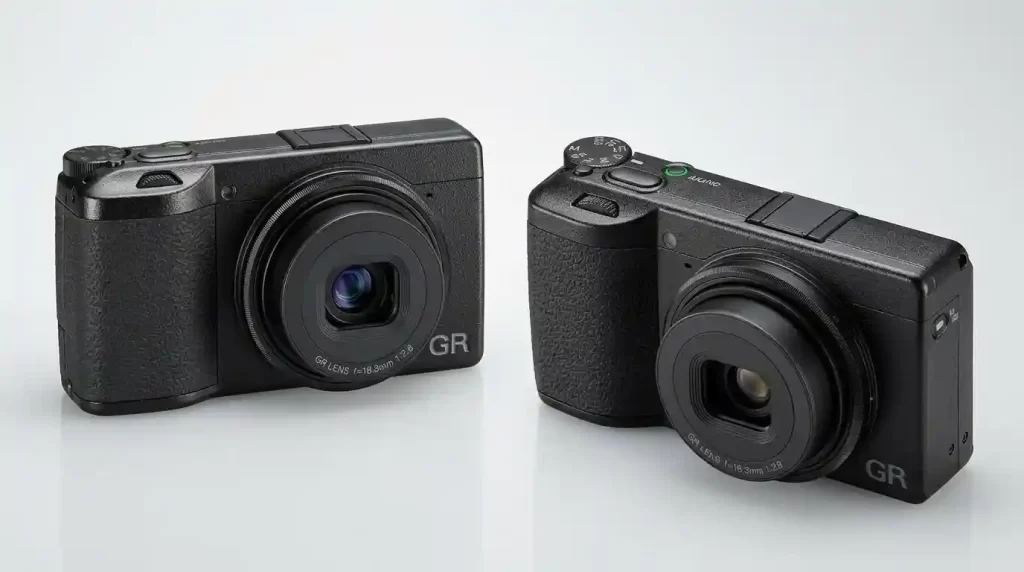
Type: APS-C pocket compact | Sensor: 24MP APS-C (GR IIIx) / 26MP APS-C (GR IV) | Lens: 40mm equivalent (IIIx) / 28mm equivalent (GR IV)
The Ricoh GR series has cultivated a near-cult following among travel and street photographers. The GR IIIx delivers an APS-C sensor inside a body small enough to disappear into a coat pocket, and the newer GR IV — winner of the 2026 TIPA “Best APS-C Compact Camera” award — pushes that formula further with a refined 26MP sensor and improved processor.
What sets the GR apart:
- Pocket-sized despite carrying an APS-C sensor
- Snap Focus mode lets you shoot from the hip in milliseconds
- Outstanding JPEG color profiles
- Lightweight enough to forget you’re carrying it
Things to consider:
- No viewfinder (LCD-only composition)
- Battery life is modest; pack spares
- Fixed focal length requires you to “zoom with your feet”
Pick the 28mm GR IV if you love wide context shots; pick the 40mm GR IIIx if you prefer environmental portraits and tighter framing.
4. Leica Q3 — Best Premium Full-Frame Compact
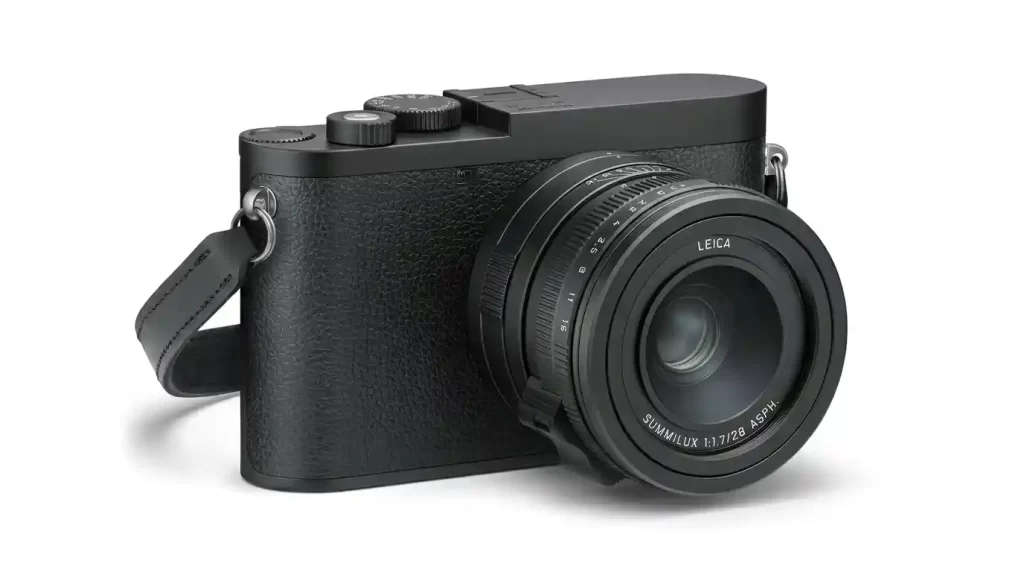
Type: Full-frame fixed-lens compact | Sensor: 60.3MP full-frame | Lens: 28mm f/1.7 Summilux
If budget isn’t a barrier, the Leica Q3 is the most luxurious travel compact you can buy. A 60MP full-frame sensor inside a body that’s still genuinely pocketable for jacket carry — plus the legendary Summilux 28mm f/1.7 lens — makes this a serious tool, not just jewelry.
Highlights:
- Full-frame image quality with stunning dynamic range
- In-body image stabilization
- Crop modes simulate 35mm, 50mm, 75mm, and 90mm focal lengths
- 8K video for hybrid shooters
- Robust weather sealing for travel reliability
Considerations:
- Costs roughly the same as a small used car
- Heavier than other compacts due to full-frame construction
- Fixed focal length, although crop modes ease the limitation
For travelers who view a camera as a lifetime tool, the Q3 is a heartfelt yes. Photography Life’s Leica Q3 review digs deeper into its build quality and image rendering.
5. Canon PowerShot G7 X Mark III — Best Budget-Friendly Vlogger’s Pick
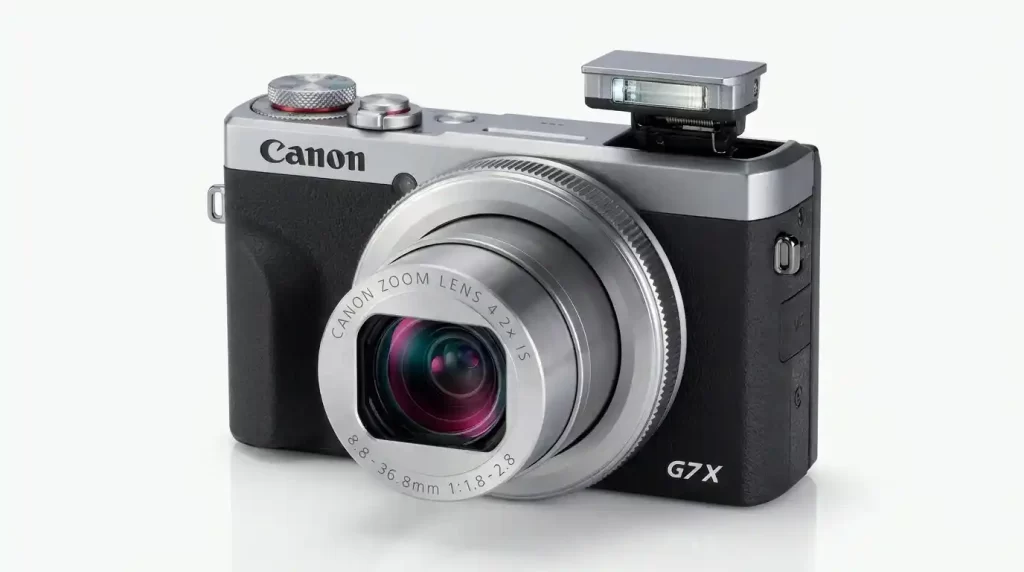
Type: Pocket compact | Sensor: 20.1MP 1-inch | Lens: 24–100mm equivalent f/1.8–2.8
Canon refreshed the G7 X Mark III with a Spring 2026 Special Edition, and it remains a brilliant choice for travelers who also want strong video. Live-streaming support, uncropped 4K, and a flip-up screen make this a content creator’s friend.
Why it earns a spot:
- Bright f/1.8 lens at the wide end for low-light interiors
- Flip-up screen for solo travel video
- Uncropped 4K video
- Affordable compared to APS-C and full-frame compacts
- USB-C charging for travel convenience
Limitations:
- No viewfinder
- Autofocus lags behind Sony’s RX100 line for fast action
- Sensor unchanged from the original 2019 release
6. Panasonic Lumix LX100 II — Best Used-Market Bargain
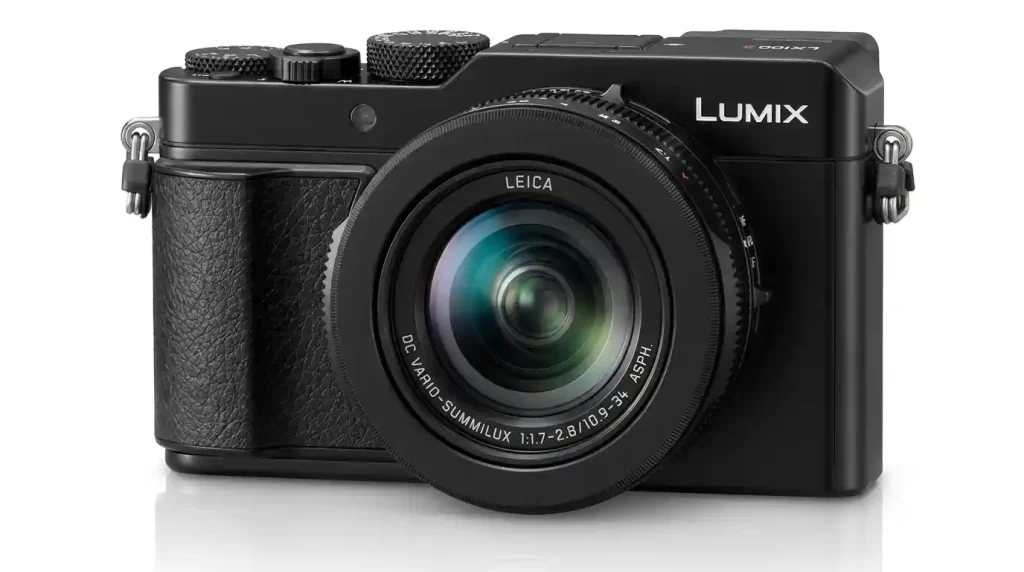
Type: Large-sensor compact zoom | Sensor: 17MP Four Thirds (multi-aspect) | Lens: Leica 24–75mm equivalent f/1.7–2.8
Now officially discontinued by Panasonic Japan, the LX100 II has become a value champion on the used market. Its Four Thirds sensor and bright Leica-branded zoom deliver a rare combination of pocketability and image quality for under $700 used.
The case for buying used:
- Bright f/1.7–2.8 zoom across the most useful travel range
- Tactile dials for aperture, shutter speed, and exposure compensation
- 4K video and 4K photo modes
- Built-in EVF — uncommon at this price
Honest drawbacks:
- Smaller effective megapixel count due to multi-aspect cropping
- No tilting screen
- Battery life is short — bring backups
7. DJI Osmo Pocket 3 — Best Hybrid Vlogging Compact
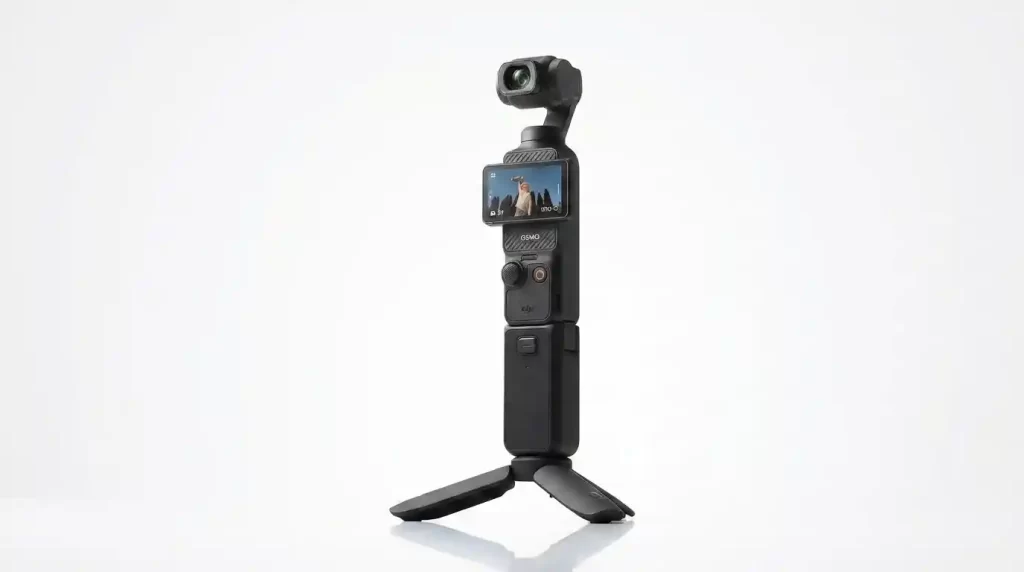
Type: Gimbal-stabilized vlogging camera | Sensor: 1-inch CMOS | Lens: Fixed 20mm equivalent f/2
The DJI Osmo Pocket 3 isn’t a traditional camera, but it has become the go-to for travel vloggers who want broadcast-smooth footage in a tube small enough to clip onto a backpack strap.
Why it’s earned travel-camera status:
- Mechanical gimbal eliminates shake without cropping
- 4K/120p video for cinematic slow motion
- Rotating screen and intuitive UI
- Lives in a coat pocket effortlessly
- Doubles as a webcam and content tool
Limitations:
- Photo-first travelers should look elsewhere
- 20mm-equivalent lens is wide-only
- Battery life is modest under heavy use
Selling travel-inspired fashion or jewelry online? Add invisible-model magic to your product photos with our ghost mannequin service for a clean, professional look.
Compact Cameras at a Glance: 2026 Comparison
| Camera | Sensor | Lens | Best For | Approx. Price |
|---|---|---|---|---|
| Fujifilm X100VI | 40MP APS-C | 35mm f/2 | All-round travel | $1,599+ |
| Sony RX100 VII | 20MP 1-inch | 24–200mm f/2.8–4.5 | Pocket versatility | $1,299 |
| Ricoh GR IV | 26MP APS-C | 28mm f/2.8 | Street and stealth | $1,499 |
| Ricoh GR IIIx | 24MP APS-C | 40mm f/2.8 | Portraits and detail | $1,099 |
| Leica Q3 | 60MP full-frame | 28mm f/1.7 | Premium travel | $6,295 |
| Canon G7 X Mark III | 20MP 1-inch | 24–100mm f/1.8–2.8 | Vlogging on a budget | $799 |
| Lumix LX100 II | 17MP Four Thirds | 24–75mm f/1.7–2.8 | Used-market value | $500–700 (used) |
| DJI Osmo Pocket 3 | 1-inch CMOS | 20mm f/2 | Travel video | $519 |
How to Choose the Right Compact Camera for Your Travel Style
Match the camera to how you actually travel
It’s tempting to chase the most expensive option, but the best travel camera is the one you’ll carry every single day. Ask yourself three honest questions before you buy:
- How far will you walk? A heavy full-frame compact gets old fast on a 12-hour walking day.
- Do you shoot mostly stills, mostly video, or both? Vloggers should weight video specs heavily.
- Do you edit your photos afterward? RAW shooters benefit from larger sensors; JPEG-first travelers can save with smaller cameras.
Decide between fixed lens and zoom
A fixed-lens camera forces creative discipline and usually delivers sharper images. A zoom gives you reach and flexibility but typically adds size or compromises aperture. Most experienced travelers settle into one philosophy and stick with it.
Don’t ignore total system cost
Spare batteries, fast SD cards, a small messenger bag, and a sturdy strap can add $200 or more to your initial outlay. Budget accordingly. If you’re considering stepping up to a small interchangeable-lens system, my detailed guide to the best mirrorless cameras for travel and everyday shooting walks through that decision in depth.
Travel Photography Tips That Get the Most Out of a Compact Camera
Shoot at the edges of the day
Golden hour and blue hour transform ordinary scenes into memorable images. Compact cameras with smaller sensors especially benefit from soft, directional light — it hides noise and adds drama.
Embrace one focal length
If you choose a fixed-lens camera, lean into the limitation. Walking around with a 28mm or 35mm-equivalent lens trains your eye to find compositions other photographers miss.
Back up every night
Cloud uploads from hotel Wi-Fi protect against theft, loss, and SD card failure. Many photographers use a small SSD plus a service like Google Drive or iCloud for redundancy. B&H Photo’s guide to backup workflows covers practical setups for travelers.
Pre-program your custom dials
Most compact cameras let you save shooting presets. Set one for street, one for landscape, and one for low light. Switching between them takes a second, and you’ll never miss a moment fiddling in menus.
Editing Travel Photos: Where the Real Magic Happens
Even the most expensive camera produces files that benefit from thoughtful post-processing. Travel photos often suffer from harsh midday sun, busy backgrounds, or distracting elements that ruin an otherwise great composition. Skilled editing recovers the moment.
Common travel-photo fixes include:
- Removing strangers or trash cans from scenic backgrounds
- Cleaning up dust spots from sensor exposure during lens changes
- Color-correcting mixed lighting in markets and interiors
- Isolating subjects from busy environments for portfolio or print use
- Adding natural shadows when compositing or relighting subjects
If you’d rather spend your evenings exploring than editing, outsourcing makes sense. A specialist editor knows how to keep skin tones natural, preserve texture, and respect the mood of the original frame.
Drowning in unedited travel photos after a big trip? Hand them off to our clipping path experts for fast, pixel-perfect cutouts and clean edits.
Common Mistakes Travelers Make When Buying a Compact Camera
Buying too much camera
A 60-megapixel sensor sounds amazing — until you realize your laptop can’t handle the file sizes, your storage fills up in two days, and you’re cropping every shot to social-media dimensions anyway. Pick the camera that fits your actual workflow.
Ignoring ergonomics
Specs don’t tell you whether a camera feels right. If possible, hold the camera in a store before buying. The right grip texture, button placement, and weight balance can make or break long shooting days.
Underestimating accessories
A flimsy strap or slow SD card will frustrate you within hours. Invest in a sturdy wrist strap, two extra batteries, and a UHS-II card rated for 4K video. These small upgrades pay back across every trip you take.
Forgetting about software
Lightroom, Capture One, and DxO PhotoLab all handle travel files beautifully. Choose one and learn it deeply. Editing skill matters more than which compact camera you carry
Frequently Asked Questions
1. What is the best compact camera for travel photography in 2026?
The Fujifilm X100VI earns the top spot overall for its image quality, color science, and pocketable form factor. The Sony RX100 VII is the best truly pocketable zoom option, and the Leica Q3 sits at the premium end for travelers who want full-frame quality.
2. Is a compact camera better than a smartphone for travel?
Yes, especially if you care about low-light performance, optical zoom, dynamic range, and the ability to edit RAW files. Phones excel at convenience and computational tricks, but a dedicated compact still wins on image quality and creative control.
3. Do I need a viewfinder on a compact travel camera?
It depends on how you shoot. Viewfinders help in bright sunlight and steady your camera against your face. If you mostly compose on the LCD, you can save weight and money without one — but cameras like the X100VI and Leica Q3 prove how much joy a great viewfinder adds.
4. How important is weather sealing for travel cameras?
Important, but not essential. Many compact cameras lack full sealing yet survive years of travel with sensible care. If you frequently shoot in rain, snow, dust, or near saltwater, prioritize sealed bodies like the Leica Q3 or the X100VI (with adapter ring).
5. What’s the best budget compact camera for travel in 2026?
The Canon PowerShot G7 X Mark III offers the best new-camera value, and the Panasonic Lumix LX100 II is the strongest used-market pick. Both deliver 4K video, manual control, and image quality that comfortably surpasses any smartphone.
6. Should I buy a compact camera or a small mirrorless system?
Compacts win on portability and simplicity; mirrorless systems win on flexibility and upgrade paths. Travelers who pack light usually prefer compacts, while creators who want to grow into video and specialty lenses lean mirrorless. My mirrorless travel camera guide helps you compare both paths side by side.
7. How many batteries should I pack for a travel compact camera?
Plan for two spares minimum. Most compact cameras deliver 250–400 shots per charge, which sounds like a lot until you spend a full day in low light or shoot video. USB-C charging models like the Canon G7 X Mark III let you top up from a power bank between locations.
8. Does sensor size really matter for travel photography?
It matters for low-light performance, depth of field, and overall image flexibility, but it isn’t everything. Lens quality, color science, autofocus, and ergonomics all influence final image quality. A well-designed 1-inch compact can still produce print-worthy images in most travel scenarios.
Final Thoughts: The Best Compact Camera Is the One You’ll Carry
After all the spec sheets and side-by-side comparisons, the truth is simple. The best compact camera for travel photography in 2026 is the one that fits your hand, your budget, and your habits well enough that you actually carry it every day. A perfect camera left in your hotel room captures nothing.
For most travelers, the Fujifilm X100VI offers the strongest balance of image quality, joy, and portability. Pocket-first photographers should look hard at the Sony RX100 VII or Ricoh GR IV. Premium buyers will adore the Leica Q3, and budget-conscious creators will find more than enough capability in the Canon G7 X Mark III or used Lumix LX100 II.
Whichever you choose, prioritize the experience of shooting. Travel photography rewards presence, curiosity, and patience — and a great compact camera helps you focus on all three.
Ready to turn your favorite travel shots into portfolio-grade images? Let our editors polish every detail with our image masking service crafted for soft edges, hair, and complex backgrounds.