

How Shadow Creation Enhances Product Realism in E-Commerce
October 28, 2025
Clipping Path Services for E-Commerce: A Complete Guide
December 5, 2025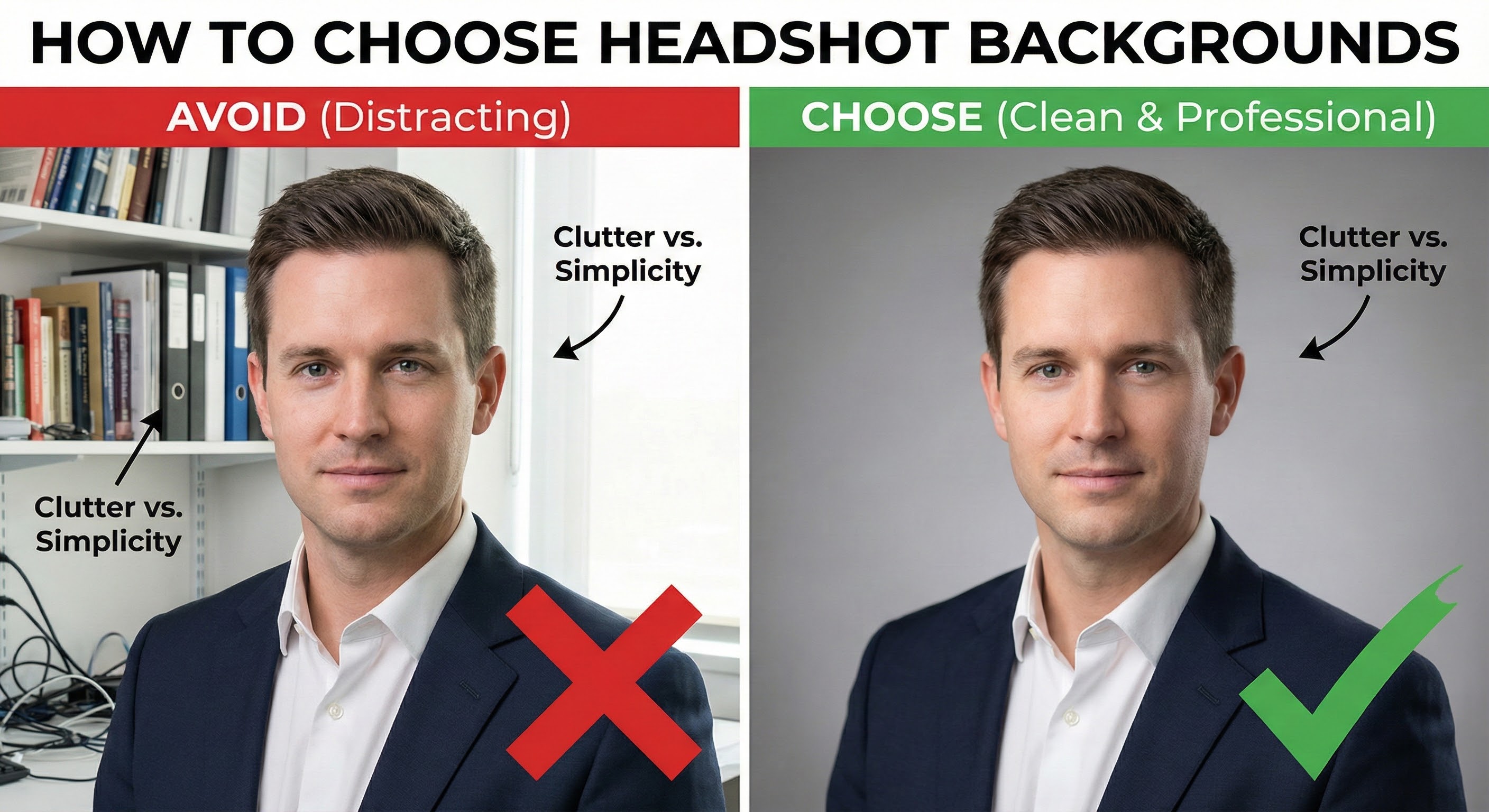
- How Backgrounds Shape the Mood of a Headshot
- 1. White or Light Gray Background
- 2. Black, Dark Gray, or Dark Blue Background
- 3. Bold and Colorful Backgrounds
- 4. Brick Wall Background
- 5. Natural Outdoor Settings
- 6. Contextual Work-Environment Backgrounds
- 7. Minimalistic Pattern & Texture Backgrounds
- How to Create Your Own Backgrounds
- 1. Poster Board, Fabric, Canvas, and Paper Rolls
- 2. Using a Physical Wall
- 3. Digital Backgrounds (AI or Photoshop)
- Lighting: The Unsung Hero of Backgrounds
- Why Background Choice Matters So Much
- Quick Checklist Before You Shoot
How Backgrounds Shape the Mood of a Headshot
Choosing the right background for a headshot is like choosing the stage for your personal brand. It quietly controls mood, professionalism, and how quickly someone’s eyes lock onto your face. A well-planned backdrop doesn’t just “fill the space” – it shapes first impressions, supports your story, and can be the difference between a forgettable photo and a standout profile image.
Good backgrounds have three things in common: they are simple, they separate you clearly from the environment, and they match your industry and personality. When color, texture, and lighting work together, the viewer stops noticing the background and starts noticing you – which is exactly what a great headshot should do.
1. White or Light Gray Background
A white or light gray background is the definition of “safe but powerful” for headshots. It’s clean, neutral, and works for almost every profession, from CEOs and job seekers to content creators and consultants. This kind of backdrop removes distractions and lets facial expression, eye contact, and styling take center stage, which is why it’s so popular for LinkedIn, CVs, and corporate websites.
Light backgrounds also blend beautifully into most website layouts and modern UI designs, so your photo looks naturally integrated rather than pasted in. The only real risk is a washed-out look if your skin tone, clothing, and background are all very light. Careful wardrobe choices (darker jackets, mid-tone shirts) and controlled lighting with a bit of contrast bring back depth and dimension.
Pros: Clean, timeless, highly versatile
Cons: Can look flat if lighting and clothing lack contrast
Best for: Corporate professionals, LinkedIn, resumes, actors, business owners
2. Black, Dark Gray, or Dark Blue Background
Dark backgrounds such as black, charcoal, or deep navy instantly add drama and authority. They sculpt the face, make the eyes stand out, and create a premium, editorial feel that works especially well for executives, lawyers, consultants, and anyone who wants to project power and confidence. The contrast between skin and a deep background often makes the subject look sharper and more defined.
However, dark doesn’t mean “just turn off the light.” Without good separation lighting – like a hair light or backlight behind the subject – dark hair and dark clothes can disappear into the background. A subtle rim of light around the shoulders or hairline adds depth and prevents the image from feeling heavy or gloomy, while still keeping that strong, cinematic vibe.
Pros: Bold, elegant, highly professional look
Cons: Can feel intense or too heavy if under-lit
Best for: Lawyers, executives, consultants, corporate leaders
3. Bold and Colorful Backgrounds
If your brand is energetic and creative, a bold, colorful background can do what a neutral backdrop never will: make the image instantly memorable. Rich tones like teal, mustard, coral, electric blue, or magenta inject personality into the frame and signal creativity, confidence, and modern thinking. This style is a natural fit for designers, marketers, agency teams, startup founders, and influencers.
Color, though, needs strategy. The background should complement skin tone and wardrobe, not fight with them. Soft complementary colors, simple outfits, and clean composition stop the shot from feeling chaotic. When the palette is chosen thoughtfully, a colorful background becomes a brand asset that makes your headshot look like it belongs on a campaign, not just a profile page.
Pros: Eye-catching, modern, full of personality
Cons: Can distract if the palette is too loud or clashing
Best for: Creatives, artists, startups, modern personal brands
4. Brick Wall Background
A brick wall brings texture, attitude, and a subtle urban edge to your headshot. It feels grounded and real, which is why it’s so popular with musicians, authors, coaches, and startup teams who want to appear approachable yet stylish. When photographed with a wide aperture, the bricks melt into a soft, textured blur that adds depth without stealing attention.
The look can, however, become trendy if overused or if the wall itself is very busy or brightly painted. Strong lines or high-contrast graffiti can drag the eye away from your face. Choosing a neutral or gently colored brick surface and standing a bit away from the wall keeps the texture gentle and timeless instead of overwhelming.
Pros: Authentic, textured, relaxed but stylish
Cons: Can feel dated or distracting if the pattern is too strong
Best for: Startups, musicians, authors, bloggers, creative entrepreneurs
5. Natural Outdoor Settings
Outdoor headshots are perfect when you want warmth, approachability, and a lifestyle feel. Parks, leafy streets, city plazas, and waterfronts all create organic backgrounds that suggest openness and real-world connection. Soft natural light – especially during golden hour – can flatter skin, add a gentle glow, and make expressions look easy and genuine.
Because the outside world is uncontrolled, it’s easy for distractions to sneak in: people walking, cars, signs, or bright objects in the distance. Using a shallow depth of field blurs the background into soft shapes and colors, letting you keep the sense of place without visual clutter. Choosing the right time of day and angle relative to the sun also prevents harsh shadows and squinting.
Pros: Natural, friendly, flattering light and atmosphere
Cons: Weather, crowds, and random clutter can be hard to manage
Best for: Coaches, authors, wellness brands, lifestyle-oriented professionals
6. Contextual Work-Environment Backgrounds
Contextual backgrounds show you in your world: a chef in a kitchen, a designer in a studio, a barista behind the counter, or a developer in a sleek office. Instead of guessing what you do, viewers see it in a single glance, which builds trust and makes the headshot feel more like a mini brand story than a simple portrait. This is especially powerful for personal brands, small businesses, and experts selling their own services.
The risk is clutter. Cables, messy desks, random people, or busy décor can overpower the subject. Shooting slightly off to a clean section of the environment, using shallow depth of field, and simplifying elements in the frame lets you keep context while still treating your face as the star of the image.
Pros: Story-driven, credible, highly personal
Cons: Can become visually noisy if the space is not controlled
Best for: Entrepreneurs, artisans, chefs, creatives, service providers
7. Minimalistic Pattern & Texture Backgrounds
Subtle patterns and textures – like soft fabric folds, muted gradients, concrete, plaster, or softly patterned wallpaper – offer a modern twist on the classic studio backdrop. They add a touch of sophistication and depth without competing with facial features. Used well, they make the image feel editorial and stylish while still clean and professional.
Because trends in patterns change quickly, it’s safer to stick to timeless designs and neutral tones. Very bold prints, high-contrast stripes, or loud geometric shapes can date the image or distract from your eyes. With controlled lighting to avoid harsh shadows, minimal textures bring life into the background in a way that feels intentional, not busy.
Pros: Stylish, modern, adds gentle depth and character
Cons: Poor pattern choices can feel trendy or distracting
Best for: Designers, creative professionals, editorial-style portraits
How to Create Your Own Backgrounds
Not everyone has access to a full studio – but that doesn’t mean you can’t get studio-quality backgrounds. With a bit of planning and a few affordable tools, you can build flexible setups that work in homes, offices, or small studios.
1. Poster Board, Fabric, Canvas, and Paper Rolls
Large poster boards, rolls of seamless paper, muslin cloth, or canvas backdrops are simple, budget-friendly solutions. White, gray, black, and a few brand-aligned colors can cover almost every situation, from corporate shoots to creative portraits. Mount them on stands or tape them to a wall, and you instantly have a clean surface that photographs like a pro backdrop.
Always keep these materials wrinkle-free and stretched tight. Creases, uneven hanging, or stains become very obvious when lit. Steaming fabric, clamping the edges, and leaving generous space between your subject and the backdrop help achieve a smooth, high-end look even in a small room.
2. Using a Physical Wall
A plain wall is often the most underrated background. Smooth white, soft gray, or even a nicely painted colored wall can emulate a studio, especially when combined with soft, directional light. Many offices, co-working spaces, and homes already have a wall that can double as a quick headshot setup.
What you want to avoid is heavily textured or damaged surfaces unless you’re deliberately going for a gritty or artistic feel. Uneven textures can create strange shadows and draw the eye away from your expression. Position your subject at some distance from the wall, use a wide aperture, and let the wall fall gently out of focus for a clean, modern result.
3. Digital Backgrounds (AI or Photoshop)
Shooting on a plain white, gray, or green backdrop and replacing it later with a digital background gives maximum flexibility. You can match brand colors, replicate the same “virtual office” for a whole remote team, or create polished gradients and textures that would be expensive to build physically. Modern extraction tools and AI-based background replacement make this approach faster than ever.
The secret is realism. Hair edges, fine details, and soft shadows around the subject must blend naturally with the new background. Overly sharp cutouts, mismatched lighting direction, or unrealistic blur instantly reveal that the image is fake. When the lighting on subject and background align, digital backdrops can look seamless and extremely professional.
Lighting: The Unsung Hero of Backgrounds
No matter how beautiful your background is, bad lighting will ruin the effect. Lighting controls depth, separation, and mood, and it decides whether the background quietly supports you or fights for attention. Even a simple wall looks expensive with good light, while an expensive backdrop looks cheap with harsh, unflattering shadows.
- Use soft light: Window light with diffusion, softboxes, or umbrellas create gentle transitions and flattering skin.
- Avoid harsh shadows (unless intentional): Strong overhead light or hard direct sun can emphasize texture in the worst places.
- Add separation: A backlight or hair light helps carve the subject away from both light and dark backgrounds so the headshot feels three-dimensional and polished.
Why Background Choice Matters So Much
A headshot is often the first time someone “meets” you online. Before they read your bio or visit your website, they read your image. A thoughtful background signals that you care about professionalism and presentation, while a messy or random one can quietly lower trust even if everything else looks fine.
The backdrop also supports your narrative: a clean neutral for corporate confidence, color for creativity, environment for authenticity, nature for warmth. When you use consistent backgrounds across a team page or brand platform, your visuals feel unified and deliberate, which strengthens brand recognition and makes your business look more established.
Quick Checklist Before You Shoot
- Does this background match my industry and target audience?
- Does the color and texture support my brand tone (formal, friendly, bold, creative)?
- Is there clear contrast between my clothing, my hair, and the background?
- Is anything in the frame distracting from my eyes or expression?
- Is the lighting flattering and separating me cleanly from the backdrop?
If these answers feel right, you’re already far ahead of most headshots online. With a bit of planning, your background stops being an accident and becomes a powerful, invisible part of your personal brand.